2026 Rehabilitation Trends: Innovative Therapies for Stroke
Motor impairments remain a top challenge for stroke survivors and individuals with cerebral palsy, with over 80% experiencing upper limb dysfunction that limits independence. Traditional therapies often lack the adaptability needed for individual recovery trajectories, leaving many patients with persistent deficits. In 2026, innovative neurological therapies and advanced equipment are transforming motor recovery outcomes. From closed-loop neurofeedback to robotic exoskeletons paired with brain stimulation, these emerging trends offer rehabilitation professionals and caregivers powerful new tools to enhance neuroplasticity and functional gains in both clinical and home settings.
Table of Contents
- Understanding The Challenges In Motor Recovery For Stroke And Cerebral Palsy
- Cutting-Edge Neurological Therapies Enhancing Motor Recovery
- Wearable Neurotechnology And Virtual Reality Transforming Cerebral Palsy Rehabilitation
- Combining Advanced Robotic And Brain Stimulation Approaches For Superior Motor Recovery
- Explore Advanced Rehabilitation Kits And Devices With Tisele Rehab
- Frequently Asked Questions
Key takeaways
| Point | Details |
|---|---|
| Noninvasive neurofeedback accelerates recovery | Closed-loop systems targeting the contralesional hemisphere induce rapid functional brain reorganization for stroke patients. |
| Resistance-based robotics improve movement quality | Resistance training yields better kinematic smoothness and motor independence than assistance-based robotic approaches. |
| Wearable devices expand cerebral palsy rehab | EMG-triggered stimulation and VR exoskeletons enhance motor control, though most devices remain in early development stages. |
| Combined therapies yield superior outcomes | Robotic gait training plus low-frequency TMS significantly improves balance and gait symmetry beyond standalone interventions. |
| Protocol variability demands standardization | Wide intervention differences highlight the urgent need for consistent neurorehabilitation guidelines to ensure reproducible results. |
 Understanding the challenges in motor recovery for stroke and cerebral palsy
Motor dysfunction is the most widespread challenge after stroke, with hand and upper limb impairments posing substantial recovery hurdles. Upper limb dysfunction affects over 80% of stroke survivors, with 30 to 60% experiencing persistent motor impairments after six months. These deficits severely limit daily activities like dressing, eating, and personal care, directly impacting independence and quality of life. Without effective intervention, many patients face long-term disability and reduced participation in social and occupational roles.
Cerebral palsy presents a different but equally challenging landscape. Children and adults with cerebral palsy experience lifelong motor control difficulties requiring intensive, ongoing rehabilitation. Spasticity, weakness, and coordination deficits interfere with walking, reaching, and fine motor tasks. Conventional therapies often follow rigid protocols that fail to adapt to individual neuroplasticity potential or changing functional needs. This one-size-fits-all approach leaves gaps in personalized care, particularly for patients who plateau with standard methods.
“The persistent nature of motor impairments in both stroke and cerebral palsy underscores the critical need for rehabilitation strategies that actively engage neuroplasticity mechanisms and adapt to individual recovery trajectories.”
Recognizing these challenges clarifies why 2026’s rehabilitation trends focus on technology-driven, neuroplasticity-centered interventions. Traditional therapy limitations include:
- Limited dose intensity and repetition needed for neural rewiring
- Inability to provide real-time feedback on brain activity or movement quality
- Lack of engaging, motivating elements that sustain long-term adherence
- Insufficient customization for varying severity levels and recovery stages
These gaps drive the adoption of innovative approaches combining robotics, brain stimulation, and immersive technology. Understanding home rehabilitation in stroke recovery and neuroplasticity in stroke recovery provides essential context for integrating these emerging therapies into comprehensive care plans. The shift toward evidence-based, technology-enhanced rehabilitation reflects a fundamental rethinking of how we approach motor recovery, moving from passive exercise to active neural engagement.

Cutting-edge neurological therapies enhancing motor recovery
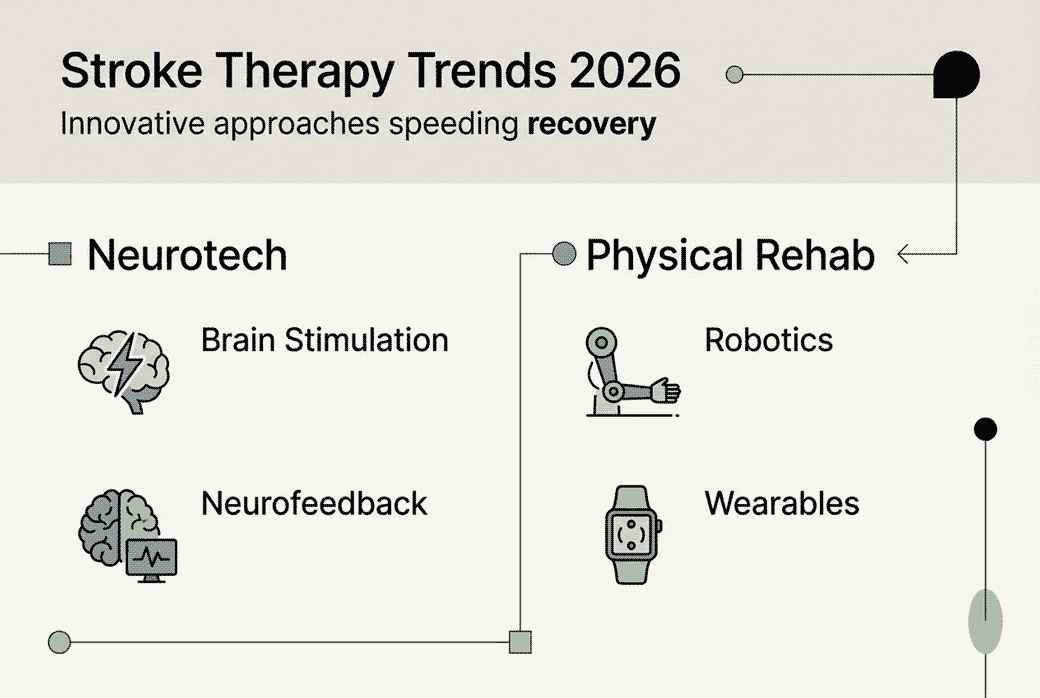
Noninvasive brain stimulation techniques are revolutionizing how rehabilitation professionals address motor deficits. Closed-loop neurofeedback targeting the contralesional hemisphere induces rapid functional reorganization and motor recovery post-stroke. This approach monitors brain activity in real time and delivers feedback that guides patients toward optimal neural patterns. Unlike passive therapies, closed-loop systems actively shape cortical reorganization, accelerating the timeline for functional improvements.
Combining stimulation modalities with robotic therapy amplifies results. Cathodal transcranial direct current stimulation paired with robotic therapy produces greater upper limb motor improvements than robotic therapy alone. The ctDCS reduces overactivity in the unaffected hemisphere, correcting interhemispheric imbalance that often hinders recovery. When paired with intensive robotic training, this combination enhances motor task efficiency and promotes lasting neural adaptations. Patients show measurable gains in reaching, grasping, and manipulation tasks that translate to better daily function.
Robotic training approaches themselves have evolved significantly. Resistance-based robotic training improves movement smoothness and motor control in stroke survivors compared to assistance-based training. Assistance-based systems guide the limb through movements, potentially reducing active patient engagement. Resistance training, by contrast, challenges patients to overcome controlled forces, promoting muscle activation patterns closer to natural movement. This leads to better kinematic smoothness, reduced compensatory strategies, and greater independence in functional tasks.
Key neurological therapy innovations include:
- Real-time EEG neurofeedback systems that visualize brain activity and reward optimal patterns
- Transcranial magnetic stimulation protocols targeting specific cortical regions to modulate excitability
- Dual-hemisphere stimulation approaches balancing activity between affected and unaffected sides
- Adaptive robotic systems adjusting resistance or assistance based on patient performance
Pro Tip: When selecting brain stimulation protocols, consider patient-specific factors like lesion location, time since injury, and baseline motor function. Personalized parameters optimize neuroplasticity gains and minimize variability in outcomes.
Evidence supports integrating brain stimulation with advanced robotics to amplify neuroplasticity and functional gains. The table below summarizes key therapy combinations and their documented benefits:
| Therapy Combination | Primary Mechanism | Documented Outcome |
|---|---|---|
| ctDCS + Robotic Upper Limb Training | Interhemispheric rebalancing | Enhanced motor task efficiency and upper limb function |
| Closed-Loop Neurofeedback + Motor Practice | Real-time cortical modulation | Rapid functional reorganization and motor skill acquisition |
| Resistance Robotics + Task-Specific Training | Active engagement and muscle activation | Improved movement smoothness and reduced compensation |
These combinations reflect a paradigm shift toward multimodal interventions that address both neural and physical dimensions of motor recovery. Understanding technology in neuro recovery and applying rehab tips for clinicians ensures these advanced therapies integrate smoothly into clinical workflows. The future of neurological rehabilitation lies in precisely timed, personalized interventions that harness the brain’s adaptive capacity at critical recovery windows.
Wearable neurotechnology and virtual reality transforming cerebral palsy rehabilitation
Wearable devices are expanding rehabilitation beyond traditional clinic walls for children and adults with cerebral palsy. Wearable neurotechnology devices enhance motor control and neuroplasticity in cerebral palsy, though most remain in early development stages. These devices include EMG-triggered electrical stimulation units, robotic systems with haptic feedback, and wearable electrical or vibrotactile stimulators. Each technology targets specific motor impairments, from spasticity reduction to coordination enhancement, offering personalized intervention options.
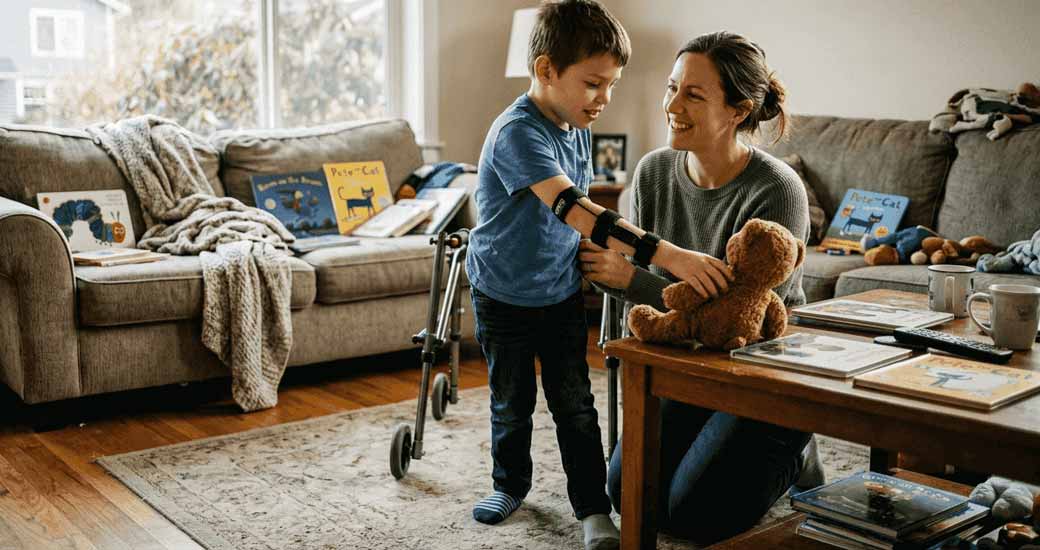
Virtual reality adds an immersive dimension to motor learning. VR interventions improve motor learning in children with cerebral palsy, with robotic exoskeletons showing large functional gains. VR creates engaging, game-based environments that motivate repetitive practice, a critical ingredient for neuroplasticity. When combined with robotic exoskeletons, VR provides real-time feedback on movement quality, reinforcing correct patterns and discouraging compensatory strategies. Children experience rehabilitation as play, increasing adherence and practice intensity.
Regulatory approval remains a significant barrier. Most wearable neurotechnology devices for cerebral palsy are in research or early adoption phases, lacking FDA clearance or equivalent international approval. This limits widespread clinical use and insurance reimbursement. Clinicians must carefully evaluate evidence quality and safety profiles when considering these devices for patient care. Pilot studies show promise, but large-scale randomized trials are needed to establish efficacy standards.
Intervention protocols vary widely across studies and devices. Sensory-level electrical stimulation shows promise but requires standardized protocols for generalizable results. Customization is essential because cerebral palsy presentations differ dramatically in severity, distribution, and associated impairments. Adherence also remains crucial. Wearable devices require consistent daily use over weeks or months to produce measurable benefits, demanding strong patient and caregiver commitment.
Key wearable technologies for cerebral palsy include:
- EMG-triggered functional electrical stimulation for improving voluntary muscle activation
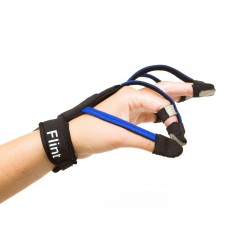
- Soft robotic gloves providing assistance and haptic feedback during hand tasks
- Vibrotactile stimulators delivering sensory cues to enhance proprioception and balance
- Wearable sensors tracking movement patterns and providing real-time coaching
Pro Tip: Start with low-intensity, short-duration sessions when introducing wearable devices to children. Gradually increase as comfort and engagement grow, prioritizing positive experiences over aggressive dosing.
The following table highlights current wearable neurotechnology categories and their application focus:
| Device Category | Primary Application | Development Stage |
|---|---|---|
| EMG-Triggered Stimulation | Voluntary muscle activation and spasticity management | Research and pilot clinical use |
| Robotic Exoskeletons with VR | Gait training and immersive motor learning | Early adoption in specialized centers |
| Vibrotactile Stimulators | Sensory feedback and balance enhancement | Experimental protocols |
| Wearable Sensors | Movement tracking and real-time feedback | Growing clinical integration |
These technologies reflect the shift toward home-based, patient-centered rehabilitation models. Exploring tech solutions for chronic neuro conditions and implementing rehab exercises for neurological recovery ensures wearable devices complement comprehensive therapy programs. As regulatory pathways mature and evidence accumulates, wearable neurotechnology will likely become a standard component of cerebral palsy rehabilitation, offering accessible, engaging interventions that extend therapeutic reach far beyond clinic visits.
 Combining advanced robotic and brain stimulation approaches for superior motor recovery
Integrated therapies are setting new standards for post-stroke motor recovery. Combined robotic-assisted gait training and low-frequency repetitive TMS significantly enhance balance and gait symmetry more than robotic training alone. This combination addresses both the physical and neural dimensions of gait impairment. Robotic-assisted gait training provides intensive, repetitive stepping practice with body weight support, while low-frequency rTMS modulates cortical excitability in targeted brain regions. Together, they create synergistic effects that accelerate functional recovery.
Balance and gait symmetry improvements are critical for functional independence. Patients receiving combined therapy show reduced postural sway, better weight distribution between limbs, and smoother gait patterns. These changes translate directly to safer walking, reduced fall risk, and greater confidence in community mobility. Clinical scores for balance and motor control improve more substantially than with conventional physical therapy or robotic training alone, demonstrating the added value of brain stimulation.
Sequential therapy steps optimize neuroplasticity by timing interventions to match recovery phases. The typical protocol follows this structure:
- Initial assessment establishes baseline motor function, gait parameters, and cortical excitability.
- Low-frequency rTMS sessions prime the brain by modulating overactive or underactive regions.
- Robotic-assisted gait training immediately follows, capitalizing on enhanced neural receptivity.
- Repetitive practice over multiple sessions reinforces new motor patterns and cortical maps.
- Periodic reassessment adjusts parameters based on individual response and progress.
This sequential approach ensures that physical training occurs when the brain is most receptive to learning, maximizing the efficiency of each therapy session. It reflects a sophisticated understanding of how neural priming and physical practice interact to drive motor recovery.
The comparison below illustrates outcome differences between combined and standalone interventions:
| Intervention Type | Balance Improvement | Gait Symmetry Gain | Postural Sway Reduction |
|---|---|---|---|
| Robotic Gait Training Alone | Moderate | Moderate | Minimal |
| Low-Frequency rTMS Alone | Minimal | Minimal | Moderate |
| Combined RAGT + LF-rTMS | Substantial | Substantial | Substantial |
Combined robotic and brain stimulation therapies represent a promising model for future motor rehabilitation protocols. They demonstrate that addressing both neural substrate and physical capability yields superior outcomes compared to targeting either dimension alone. As clinicians gain experience with these integrated approaches, protocols will become more refined and accessible. Understanding home rehabilitation importance and following a structured rehab workflow for patients ensures these advanced therapies fit seamlessly into comprehensive recovery plans. The future of stroke rehabilitation lies in multimodal interventions that harness cutting-edge technology and neuroscience to restore function and independence.
Explore advanced rehabilitation kits and devices with Tisele Rehab
The innovative therapies discussed throughout this article require reliable, evidence-based tools that rehabilitation professionals and caregivers can trust. Tisele Rehab specializes in comprehensive kits tailored for motor recovery in stroke and cerebral palsy patients. Our devices integrate cutting-edge technology, facilitating both home and clinical rehabilitation with user-friendly designs that enhance therapy adherence and optimize outcomes.

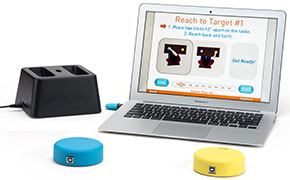
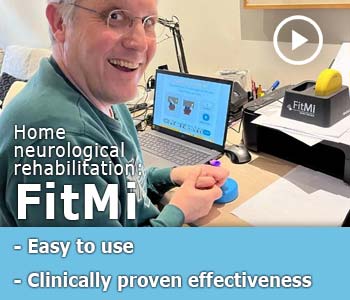
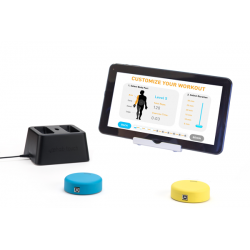
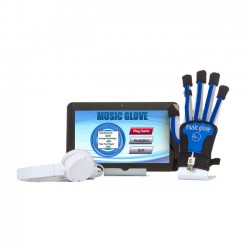
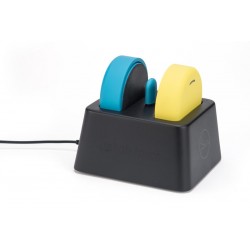
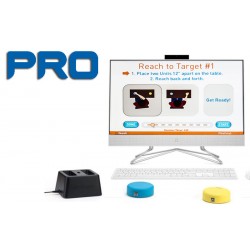
Whether you need rehabilitation aids for daily function support, FitMi home neurorehabilitation systems that deliver intensive, engaging therapy, or the MusicGlove for targeted hand recovery, Tisele Rehab kits provide the practical solutions that complement the advanced interventions shaping 2026’s rehabilitation landscape. Our products empower clinicians to deliver high-dose, personalized therapy while giving patients and caregivers the tools they need for consistent progress at home. Explore our catalog to discover how technology-driven rehabilitation can transform recovery trajectories for your patients.
Frequently asked questions
What is closed-loop neurofeedback and how does it help stroke patients?
Closed-loop neurofeedback monitors brain activity in real time using EEG and provides immediate feedback to guide patients toward optimal neural patterns. For stroke patients, systems targeting the contralesional hemisphere induce rapid functional reorganization, accelerating motor recovery by actively shaping cortical activity during practice.
How do resistance-based robotic therapies differ from assistance-based ones?
Resistance-based robotic therapies challenge patients to overcome controlled forces during movement, promoting active muscle engagement and natural motor patterns. Assistance-based systems guide the limb through motions, which can reduce patient effort. Resistance training yields better movement smoothness and motor independence by encouraging voluntary control.
Are wearable neurotechnology devices widely available and approved for cerebral palsy?
Most wearable neurotechnology devices for cerebral palsy remain in research or early development stages without broad regulatory approval. While pilot studies show promise for EMG-triggered stimulation and robotic systems, widespread clinical use is limited. Clinicians should evaluate evidence quality and safety profiles carefully before adoption.
Can combined brain stimulation and robotic therapies be used at home?
Currently, combined brain stimulation and robotic therapies typically require clinical settings due to equipment complexity and the need for trained supervision. However, as technology advances and protocols become more standardized, simplified versions may become available for home use under professional guidance. Home-based robotic devices without brain stimulation are already accessible.
What are the key benefits of integrating VR in cerebral palsy rehabilitation?
VR creates engaging, game-based environments that motivate repetitive practice essential for neuroplasticity. When combined with robotic exoskeletons, VR provides real-time feedback on movement quality, reinforcing correct patterns. Children experience rehabilitation as play, increasing adherence and practice intensity, which leads to substantial functional gains in motor learning and coordination.
Recommended
38
Be inspired by a story of survival after a stroke


The FitMi kit is perfect for rehabilitation.
Like many other customers, I was skeptical about buying this device because of the price. I bought FitMi for my 21-year-old daughter who suffered a severe brain injury almost two years ago. Movement in her left arm and leg was nearly impossible — until I discovered this kit.
So far, we haven't yet done exercises for the leg, mainly focusing on the arm to restore initial movement in her hand. I also think the disks are a bit too large for her, but with the silicone covers, we manage. From what we can see, exercising with FitMi is something truly extraordinary.
Thank you so much for helping my daughter regain some mobility!
Renata and Mariola (12.04.2020)