Role of Home Rehabilitation – Transforming Stroke Recovery
Helping a stroke survivor regain independence at home can feel overwhelming when traditional clinical rehab is out of reach. Home-based rehabilitation has emerged as a powerful way to deliver effective motor and cognitive therapy directly in familiar surroundings, making recovery more accessible and personal. Caregivers worldwide are discovering how innovative therapies and advanced equipment used at home can drive progress while strengthening motivation and family support. Explore how personalized rehabilitation regimens are shaping the future of neurological recovery.
Table of Contents
- Defining Home Rehabilitation For Neurological Recovery
- Types Of Home-Based Rehabilitation Therapies
- How High-Tech Equipment Enhances Outcomes
- Caregiver Roles And Best Practices At Home
- Common Challenges And Solutions In Home Rehab
Key Takeaways
| Point | Details |
|---|---|
| Home Rehabilitation Enhances Recovery | Home rehabilitation offers personalized therapy in familiar environments, which can accelerate recovery outcomes for patients with neurological conditions. |
| Role of Technology in Rehabilitation | Advanced technologies, such as wearable sensors and virtual reality, provide continuous feedback and engage patients in their recovery process. |
| Importance of Caregiver Support | Caregivers are essential for successful home rehabilitation, offering emotional support and assistance with therapy while fostering a nurturing environment. |
| Addressing Challenges in Home Rehab | Effective home rehabilitation requires strategies to overcome physical, psychological, and practical challenges, emphasizing the need for a collaborative approach. |
Defining Home Rehabilitation for Neurological Recovery
Home rehabilitation represents a transformative approach to neurological recovery, shifting therapeutic interventions from clinical settings directly into patients' personal environments. Home-based rehabilitation strategies provide accessible motor and cognitive therapy tailored to individual neurological conditions, enabling patients to recover in comfortable, familiar surroundings.
This patient-centered approach encompasses comprehensive therapy techniques designed to address specific neurological challenges. Key components of home rehabilitation include:
- Personalized physical therapy exercises
- Cognitive retraining programs
- Adaptive technology integration
- Family-supported recovery protocols
- Continuous progress monitoring
Home rehabilitation fundamentally transforms traditional recovery models by creating flexible, customizable therapeutic experiences. Neurological rehabilitation at home allows patients to engage in consistent, structured therapy while maintaining daily life connections, which research suggests can accelerate recovery outcomes.
Here's a comparison of traditional clinical rehabilitation and home-based rehabilitation:
| Aspect | Clinical Rehabilitation | Home-Based Rehabilitation |
|---|---|---|
| Setting | Hospital or rehab center | Patient's own home |
| Flexibility | Fixed schedules | Customizable to daily routine |
| Family Involvement | Limited | High, direct family support |
| Motivation Factors | Therapist supervision | Familiar environment boosts it |
| Access to Technology | Onsite specialized devices | Portable or wearable devices |
Home rehabilitation bridges clinical expertise with personal recovery environments, empowering patients through targeted, individualized therapeutic interventions.
Successful home rehabilitation requires collaborative strategies involving medical professionals, rehabilitation specialists, and patients themselves. Personalized rehabilitation regimens integrate physical, speech, and occupational therapies to improve functional capabilities and enhance overall quality of life.
Pro tip: Create a dedicated rehabilitation space at home that minimizes distractions and supports consistent, focused therapy sessions.

Types of Home-Based Rehabilitation Therapies
Stroke survivors require comprehensive rehabilitation approaches tailored to individual recovery needs. Home-based rehabilitation therapies provide targeted interventions that address specific neurological challenges while supporting patients' independence and functional recovery.
These therapeutic approaches typically encompass multiple specialized rehabilitation domains:
- Physical Therapy
- Motor function restoration
- Balance and coordination exercises
- Strength training
- Occupational Therapy
- Daily living skill retraining
- Adaptive equipment introduction
- Home environment modification
- Speech Therapy
- Communication skill restoration
- Language processing rehabilitation
- Cognitive communication strategies
Research indicates that targeted rehabilitation models can significantly improve patients' functional capabilities. These therapies are uniquely designed to address individual neurological deficits, creating personalized recovery pathways that adapt to each patient's specific challenges and progression.
Effective home rehabilitation transforms recovery from a clinical process into a personalized, continuous journey of healing and adaptation.
Successful home-based rehabilitation requires ongoing collaboration between healthcare professionals, patients, and family support systems. By integrating multiple therapeutic approaches, patients can achieve more comprehensive and sustainable recovery outcomes.
Pro tip: Develop a consistent rehabilitation schedule and track progress using digital or physical journals to maintain motivation and document improvements.
How High-Tech Equipment Enhances Outcomes
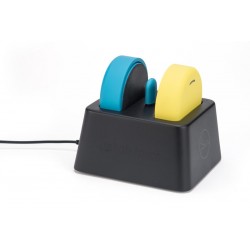
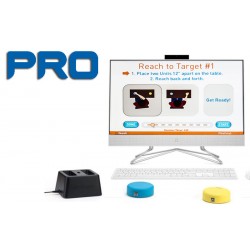
Technology is revolutionizing stroke rehabilitation, offering unprecedented opportunities for recovery and functional improvement. Advanced rehabilitation technologies now enable patients to transform their recovery journey through innovative, data-driven interventions that extend far beyond traditional therapeutic approaches.
Cutting-edge rehabilitation technologies include:
- Wearable Sensor Systems
- Real-time movement tracking
- Precise biomechanical analysis
- Performance progress monitoring
- Robotic Rehabilitation Devices
- Targeted muscle retraining
- Consistent repetitive movements
- Objective performance measurement
- Virtual Reality Platforms
- Immersive therapeutic experiences
- Cognitive and motor skill engagement
- Motivational feedback mechanisms
Digital health technologies are transforming home-based rehabilitation by providing continuous, personalized monitoring and feedback. These innovative tools help patients track their progress, maintain motivation, and receive data-driven insights that traditional therapy cannot offer.

Below is a summary of technology types and their unique benefits in home rehabilitation:
| Technology Type | Main Benefit | Typical Application |
|---|---|---|
| Wearable Sensors | Continuous movement feedback | Tracking daily activities |
| Robotic Devices | Repetitive task assistance | Arm or leg muscle training |
| Virtual Reality Platforms | Engaging, immersive environments | Cognitive and motor exercises |
Technology transforms rehabilitation from a linear process into a dynamic, interactive journey of continuous improvement and personalized recovery.
Successful implementation of high-tech rehabilitation equipment requires careful integration with traditional therapeutic approaches, ensuring that technological innovations complement rather than replace human expertise and personalized care.
Pro tip: Research and consult with rehabilitation specialists to select technology that matches your specific recovery goals and functional challenges.
Caregiver Roles and Best Practices at Home
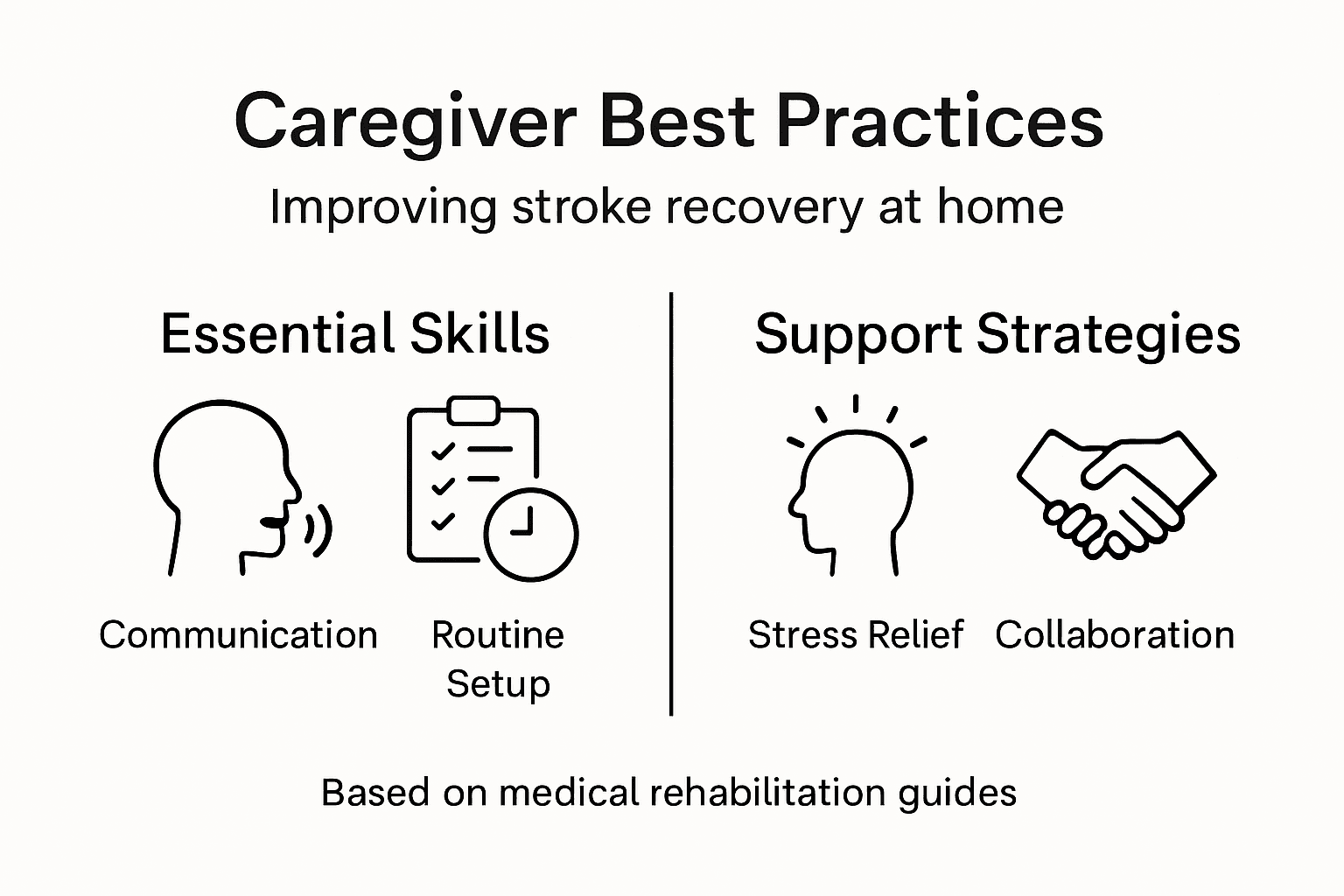
Caregivers play a critical role in stroke recovery, serving as essential partners in the rehabilitation journey. Caregiver support strategies are fundamental to creating a supportive, effective home rehabilitation environment that promotes patient recovery and family resilience.
Key responsibilities for caregivers include:
- Emotional Support
- Provide consistent encouragement
- Maintain positive communication
- Manage patient's emotional fluctuations
- Rehabilitation Assistance
- Help with prescribed exercises
- Monitor daily progress
- Assist with adaptive equipment usage
- Health Management
- Track medication schedules
- Coordinate medical appointments
- Observe and report recovery changes
Successful caregiving requires a holistic approach that balances practical support with emotional understanding. Caregivers must develop skills in patient motivation, exercise assistance, and creating a structured yet compassionate rehabilitation environment.
Effective caregiving transforms recovery from a medical process into a collaborative, nurturing family journey.
Professional development is crucial for caregivers. Learning specialized techniques, understanding rehabilitation protocols, and maintaining personal well-being are essential components of providing high-quality, sustainable support for stroke survivors.
Pro tip: Join caregiver support groups and seek professional counseling to manage personal stress and learn advanced care strategies.
Common Challenges and Solutions in Home Rehab
Home rehabilitation presents complex challenges that require strategic, multifaceted approaches to ensure successful stroke recovery. Rehabilitation implementation challenges demonstrate the intricate nature of creating effective, sustainable home-based recovery environments.
Common challenges encountered during home rehabilitation include:
- Physical Limitations
- Muscle weakness and mobility restrictions
- Coordination and balance difficulties
- Fatigue and energy management
- Psychological Barriers
- Motivation fluctuations
- Emotional adjustment to disability
- Depression and anxiety management
- Practical Obstacles
- Equipment accessibility
- Home environment modifications
- Financial constraints
Stroke patient rehabilitation needs reveal critical aspects of successful home recovery, emphasizing the importance of comprehensive, patient-centered interventions. Addressing these challenges requires a holistic approach that combines medical expertise, technological support, and personalized care strategies.
Successful home rehabilitation transforms challenges into opportunities for growth, adaptation, and meaningful recovery.
Effective solutions demand collaborative efforts between patients, caregivers, healthcare professionals, and rehabilitation specialists. This integrated approach ensures comprehensive support, continuous learning, and adaptive strategies that respond to evolving patient needs.
Pro tip: Create a flexible rehabilitation plan with built-in contingencies and regular professional consultations to address emerging challenges dynamically.
Enhance Your Stroke Recovery Journey with Innovative Home Rehabilitation Solutions
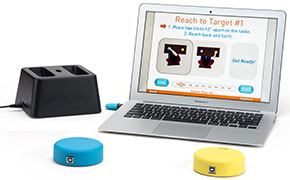
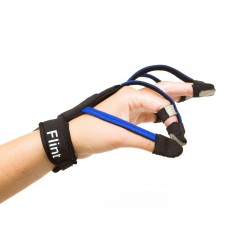
The article highlights key challenges in home rehabilitation such as maintaining motivation, overcoming physical limitations, and integrating high-tech equipment effectively. If you are seeking personalized, engaging tools to address motor function restoration and cognitive engagement, Tisalehab.com offers clinically proven products designed exactly for these needs. Their therapy kits like FitMi and MusicGlove focus on transforming traditional therapy into an interactive experience that supports consistent progress in your familiar home environment.

Don't let common recovery barriers hold you back. Discover how innovative rehabilitation technology can empower your healing process today. Visit Tisale Rehabilitation to explore detailed product descriptions, pricing, and bundled packages tailored for stroke and neurological recovery. Start your path to improved motor skills and cognitive function now with solutions trusted by patients and professionals alike.
Frequently Asked Questions
What is home rehabilitation for stroke recovery?
Home rehabilitation for stroke recovery is a patient-centered approach that brings therapeutic interventions into a familiar home environment, allowing individuals to receive personalized motor and cognitive therapies tailored to their specific neurological conditions.
How do home-based rehabilitation therapies differ from traditional clinical rehabilitation?
Home-based rehabilitation offers greater flexibility and customization based on a patient's daily routine, while traditional clinical rehabilitation occurs in fixed schedules and settings. Additionally, home rehabilitation encourages high family involvement and utilizes portable technology for therapy.
What types of therapies are included in home rehabilitation for stroke survivors?
Home rehabilitation typically involves physical therapy for motor function, occupational therapy for daily living skills, and speech therapy for communication skills. Each therapy is designed to target specific neurological deficits and support the patient's independence.
How can technology enhance home rehabilitation outcomes?
Technology such as wearable sensors, robotic rehabilitation devices, and virtual reality platforms can enhance home rehabilitation by providing real-time feedback, facilitating engaging therapy experiences, and allowing for precise tracking of progress, which helps maintain patient motivation.
Recommended
- 7 Signs of Recovery After a Stroke: How to Know You're on the Right Track
- Start Here - Comprehensive Home Neurorehabilitation
- hat Is a Stroke – Key Impacts on a Patient's Life | TisaleRehab.com
- Mirror Therapy for Phantom Limb Pain and Limb Rehabilitation
- Complete Guide to Trialling Hearing Aids at Home – Audora
38
Get inspired by a stroke recovery story

Home rehabilitation at full speed.
My husband suffered a severe stroke on August 19, 2020, which paralyzed him on the right side. Thanks to FitMi he has made huge progress since then. He still has no strength in his right arm, but now he can walk with a cane, his speech has improved significantly, and he is fighting and rehabilitating at full speed. We are very happy that we bought this FitMi kit for him, so he can continue his training and exercises at home. We are encouraged by this program and the positive reviews we read from others who used it. Thank God we found this kit and thank you for your support. It is a wonderful program.
Kate (08.09.2020)