7 Top Rehabilitation Exercises for Neurological Recovery
Recovering hand and leg movement after a neurological injury often feels slow and uncertain. Finding rehabilitation routines that truly rebuild strength, coordination, and confidence can be overwhelming. The good news is that modern physical therapy offers targeted techniques that make progress possible, even when setbacks occur.
You are about to discover practical exercises that promote neuroplasticity and functional recovery, backed by recent research. From music-based finger tapping routines to seated arm lifts and guided hand squeezes, each strategy delivers clear steps you can use right away. Get ready to learn proven ways to support your neurological rehabilitation—each technique in the list ahead empowers you to take an active role in your recovery and regain greater independence.
Table of Contents
- 1. Finger Tapping With Music-Based Therapy Devices
- 2. Seated Arm Lifts For Improved Upper Body Strength
- 3. Step-By-Step Hand Squeezing Exercises
- 4. Leg Extension Movements For Better Mobility
- 5. Gentle Wrist Flexion And Extension Routines
- 6. Guided Ankle Circles For Range Of Motion
- 7. Whole-Body Coordination Using Therapy Kits
Quick Summary
| Takeaway | Explanation |
|---|---|
| 1. Use Music for Finger Tapping | Engage with music-based therapy devices to enhance hand dexterity and neuroplasticity during rehabilitation. |
| 2. Implement Seated Arm Lifts Effectively | Perform seated arm lifts to rebuild upper body strength safely and improve muscle control while minimizing fall risks. |
| 3. Practice Hand Squeezing Regularly | Incorporate hand squeezing exercises into daily routines to strengthen hands and enhance fine motor skills after injury. |
| 4. Focus on Leg Extensions | Apply leg extension exercises to improve lower body strength and mobility, reducing the risk of muscle atrophy and promoting independence. |
| 5. Incorporate Whole-Body Coordination | Use therapy kits for whole-body coordination exercises to enhance balance, stability, and comprehensive motor skill recovery in rehabilitation. |
1. Finger Tapping with Music-Based Therapy Devices
Finger tapping is a powerful neurological rehabilitation technique that transforms recovery into an engaging, motivational experience. By leveraging music-based therapy devices, patients can significantly improve hand motor function and neuroplasticity.
Researchers have discovered that auditory-motor synchronization techniques can dramatically enhance finger coordination and motor timing. These innovative approaches combine rhythmic stimuli with targeted finger movements to retrain neural pathways damaged by stroke or neurological conditions.
Key benefits of music-based finger tapping include:
- Improved hand dexterity
- Enhanced motor control
- Increased neuroplasticity
- Motivational practice through gamified exercises
- Cognitive engagement during rehabilitation
Music transforms rehabilitation from a clinical task into an enjoyable journey of recovery.
The process works by stimulating multiple brain regions simultaneously. When patients tap fingers to musical rhythms, they activate motor planning centers while experiencing auditory feedback. This multi-sensory approach helps rebuild neural connections more effectively than traditional repetitive exercises.
Practical Implementation:
- Start with slow musical tempos
- Gradually increase tapping speed
- Use devices that provide real-time performance tracking
- Practice consistently for 15-20 minutes daily
Pro tip: Choose music you genuinely enjoy to increase motivation and make rehabilitation feel less like work and more like a fun activity.
2. Seated Arm Lifts for Improved Upper Body Strength
Seated arm lifts represent a powerful rehabilitation technique for individuals recovering from neurological conditions. These strategic exercises offer a safe and controlled approach to rebuilding upper body strength and motor function.
Strength training interventions have demonstrated remarkable potential in neurological rehabilitation, particularly for patients seeking to regain independence and muscle control.
Key benefits of seated arm lifts include:
- Improved muscle strength
- Enhanced postural control
- Increased range of motion
- Better functional independence
- Reduced risk of secondary complications
Gradual resistance training can transform rehabilitation from limitation to liberation.
The exercise works by targeting specific muscle groups while providing stability through a seated position. This approach minimizes fall risks and allows patients to focus on controlled muscle engagement without additional balance challenges.
Effective Arm Lift Techniques:
- Begin with lightweight resistance
- Maintain proper seated posture
- Use slow controlled movements
- Focus on symmetrical muscle activation
- Progress resistance gradually
Pro tip: Always consult with a physical therapist to design a personalized arm lift routine tailored to your specific neurological recovery needs and current strength levels.

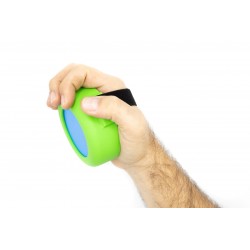
3. Step-by-Step Hand Squeezing Exercises
Hand squeezing exercises are a critical component of neurological rehabilitation that can dramatically improve muscle strength and motor control. These purposeful movements help patients rebuild essential hand function after neurological injuries.
Therapeutic hand exercise protocols recommend a structured approach to rebuilding hand strength and mobility through controlled squeezing techniques.
Key benefits of hand squeezing exercises include:
- Increased muscle strength
- Enhanced fine motor skills
- Improved joint mobility
- Better neurological connection
- Restored hand functionality
Small movements create significant neurological pathways.
The exercise works by stimulating neural connections between the brain and hand muscles. By performing repetitive squeezing motions, patients can retrain their nervous system and rebuild muscle memory.
Effective Hand Squeezing Technique:
- Select appropriate hand therapy tool
- Start with gentle squeezing pressure
- Perform 10-20 repetitions
- Practice multiple times daily
- Gradually increase resistance
Pro tip: Use soft stress balls or therapeutic putty with varying resistance levels to make hand exercises more engaging and progressively challenging.
4. Leg Extension Movements for Better Mobility
Leg extension movements are crucial for neurological rehabilitation patients seeking to restore lower body strength and improve overall mobility. These targeted exercises help rebuild muscle function and neural connections essential for independent movement.
Neurological Recovery Strategies emphasize the importance of consistent lower body exercises to promote muscle reactivation and motor skill restoration.
Key benefits of leg extension exercises include:
- Increased muscle strength
- Improved joint flexibility
- Enhanced neurological pathway reconnection
- Better balance and stability
- Reduced risk of muscle atrophy
Small consistent movements can transform neurological rehabilitation journeys.
The exercise works by stimulating neuromuscular connections between the brain and leg muscles. Patients gradually retrain their nervous system through controlled movements that progressively challenge muscle memory and coordination.
Effective Leg Extension Technique:
- Start in a seated or supported position
- Extend leg slowly and deliberately
- Hold extension for 2-3 seconds
- Return to starting position
- Repeat 10-15 repetitions per leg
Pro tip: Use assistive devices or resistance bands to modify leg extension difficulty and ensure safe progression during your rehabilitation journey.
5. Gentle Wrist Flexion and Extension Routines
Wrist flexion and extension exercises are fundamental in neurological rehabilitation, offering a targeted approach to restoring hand and arm mobility. These gentle movements help patients rebuild critical neural connections and muscle strength after neurological injuries.
Neurological rehabilitation strategies emphasize the importance of controlled wrist movements in recovering fine motor skills and reducing stiffness.
Key benefits of wrist flexion and extension routines include:
- Increased range of motion
- Improved grip strength
- Reduced muscle stiffness
- Enhanced neurological pathway reconnection
- Better fine motor control
Small controlled movements can unlock significant neurological recovery.
The exercise works by gently challenging the wrist’s range of motion within a pain-free zone. These deliberate movements stimulate neural pathways and help retrain muscles to respond more effectively to brain signals.
Effective Wrist Movement Technique:
- Start in a comfortable seated position
- Support your forearm on a stable surface
- Slowly bend wrist forward (flexion)
- Hold for 2-3 seconds
- Slowly bend wrist backward (extension)
- Repeat 10-15 times per session
Pro tip: Use a soft towel or cushioned surface to support your arm and prevent unnecessary strain during wrist exercises.
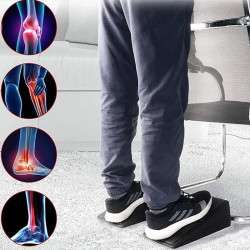
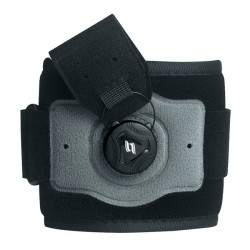
6. Guided Ankle Circles for Range of Motion
Ankle circles are a fundamental rehabilitation exercise designed to restore mobility and stimulate neurological pathways in patients recovering from neurological injuries. These gentle movements help rebuild connection between the brain and lower extremities.
Neurological rehabilitation techniques emphasize the importance of controlled, deliberate ankle movements to improve coordination and balance.
Key benefits of guided ankle circles include:
- Enhanced joint mobility
- Improved proprioception
- Increased circulation
- Better walking stability
- Reduced ankle stiffness
Consistent small movements create significant neurological recovery pathways.
The exercise works by slowly rotating the ankle through a complete circular motion. This deliberate movement helps retrain neural connections and stimulate muscle memory in patients with limited mobility.
Effective Ankle Circle Technique:
- Sit comfortably in a stable chair
- Extend one leg forward
- Rotate ankle clockwise 10 times
- Repeat counterclockwise 10 times
- Switch to other ankle
- Perform 2-3 sets daily
Pro tip: Use a chair with back support and perform ankle circles when seated to ensure maximum stability and safety during rehabilitation.


7. Whole-Body Coordination Using Therapy Kits
Whole-body coordination exercises represent a sophisticated approach to neurological rehabilitation, transforming recovery into an engaging and comprehensive process. By utilizing specialized therapy kits, patients can simultaneously challenge multiple neural pathways and motor skills.
Neurological coordination drills activate complex brain regions through integrated movement patterns that promote neural plasticity and motor control.
Key benefits of whole-body coordination exercises include:
- Enhanced neural plasticity
- Improved balance and stability
- Increased hand-eye coordination
- Better cognitive processing
- More comprehensive motor skill recovery
Integrated movements create powerful neurological reconnection pathways.
These exercises work by challenging the brain to synchronize multiple muscle groups simultaneously. Therapy kits with balance boards, interactive tools, and cross-body movement devices stimulate neural circuits more effectively than isolated muscle training.
Effective Whole-Body Coordination Techniques:
- Use balance boards with varied difficulty levels
- Incorporate cross-body movement patterns
- Practice exercises that require multiple muscle groups
- Start with supported movements
- Gradually increase complexity and duration
Pro tip: Choose therapy kits with adjustable difficulty settings to ensure a progressive and personalized rehabilitation experience.
Below is a comprehensive table summarizing the neurological rehabilitation techniques and benefits outlined in the article.
| Technique | Description | Key Benefits |
|---|---|---|
| Finger Tapping with Music-Based Therapy Devices | Combines rhythmic audio stimuli with targeted finger movements for rehabilitation. | Improved dexterity, enhanced motor control, increased neuroplasticity, motivational engagement. |
| Seated Arm Lifts | Controlled upper body exercises performed while seated to rebuild strength. | Better muscle strength, improved posture, functional independence. |
| Hand Squeezing Exercises | Structured squeezing techniques for hand strength and mobility recovery. | Increased strength, enhanced fine motor skills, improved joint mobility. |
| Leg Extension Movements | Targeted leg exercises to regaining lower body strength and neural pathway activation. | Improved muscle strength, better stability, reduced risk of atrophy. |
| Wrist Flexion and Extension | Gentle wrist exercises to enhance mobility and fine motor skills. | Increased range of motion, improved grip strength, reduced stiffness. |
| Guided Ankle Circles | Circular ankle movements for lower extremity rehabilitation. | Enhanced mobility, better proprioception, increased circulation. |
| Whole-Body Coordination Exercises | Therapy kits focusing on integrated neural and motor skill recovery. | Enhanced balance, neural plasticity, improved hand-eye coordination. |
Empower Your Neurological Recovery with Targeted Therapy Solutions
Neurological rehabilitation can be challenging, especially when you are looking to regain crucial motor functions like finger tapping, hand squeezing, and whole-body coordination. This article highlights the importance of combining movement with motivation to rebuild strength, dexterity, and neural connections. If you are striving to improve hand dexterity or rebuild upper and lower body motor control, addressing these goals with clinically proven tools can transform your recovery journey.

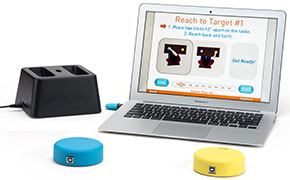
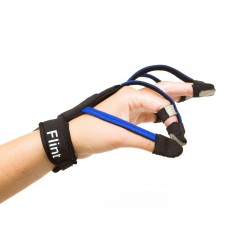
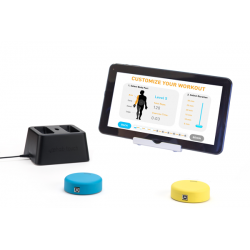
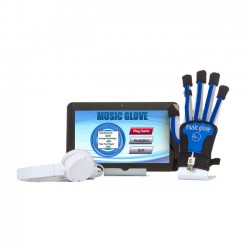
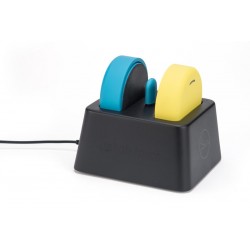
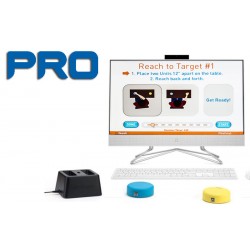
Explore innovative therapy kits such as the MusicGlove and FitMi that bring engaging, music-based exercises right to your home or clinic. These high-tech products are designed to increase motivation and maximize neuroplasticity through rhythmic, gamified exercises that make rehabilitation feel less like work and more like an enjoyable challenge. Start regaining your strength and independence now with advanced rehabilitation devices crafted specifically for stroke and neurological recovery. Visit Tisalehab today and take the next step toward a stronger you.
Frequently Asked Questions
What are the benefits of finger tapping in neurological rehabilitation?
Finger tapping improves hand dexterity, motor control, and neuroplasticity. To experience these benefits, practice for 15-20 minutes daily using music to make it enjoyable.
How can seated arm lifts help with upper body strength recovery?
Seated arm lifts enhance muscle strength, postural control, and functional independence. Start with lightweight resistance and progressively increase to see improvements within a few weeks.
What is the importance of hand squeezing exercises in rehabilitation?
Hand squeezing exercises increase muscle strength and fine motor skills, restoring essential hand function. Aim for multiple sets of 10-20 repetitions daily to strengthen your hands effectively.
How do leg extension movements contribute to mobility recovery?
Leg extension movements enhance muscle strength and joint flexibility, improving overall mobility. Perform exercises for 10-15 repetitions per leg regularly to help rebuild lower body strength.
What techniques are recommended for effective wrist flexion and extension?
Effective wrist flexion and extension include gradually bending the wrist while supporting your forearm. Repeat this for 10-15 times, multiple times a day, to progress range of motion and reduce stiffness.
How can whole-body coordination exercises support neurological recovery?
Whole-body coordination exercises improve balance, stability, and cognitive processing while promoting neural plasticity. Incorporate integrated movements using therapy kits for a comprehensive rehabilitation experience.
Recommended
38
Get inspired by a stroke recovery story

Home rehabilitation at full speed.
My husband suffered a severe stroke on August 19, 2020, which paralyzed him on the right side. Thanks to FitMi he has made huge progress since then. He still has no strength in his right arm, but now he can walk with a cane, his speech has improved significantly, and he is fighting and rehabilitating at full speed. We are very happy that we bought this FitMi kit for him, so he can continue his training and exercises at home. We are encouraged by this program and the positive reviews we read from others who used it. Thank God we found this kit and thank you for your support. It is a wonderful program.
Kate (08.09.2020)