Rehab for Chronic Conditions: Tech Solutions That Work
Struggling to regain mobility and independence after a neurological diagnosis often leaves patients searching for better solutions. Rehabilitation offers not just hope, but a path toward improving daily function and participating fully in life. With new technology-driven therapy kits now integrating artificial intelligence, virtual reality, and personalized rehabilitation strategies, patients worldwide can access adaptable and engaging treatment methods designed for their unique needs.
- Defining Rehab For Chronic Conditions
- Technology-Driven Therapy Kits Explained
- Types Of Neurorehabilitation Devices And Methods
- How High-Tech Therapy Enhances Recovery
- Financial Costs And Patient Responsibilities
- Risks, Misconceptions, And How To Avoid Them
Key Takeaways
| Point | Details |
|---|---|
| Rehabilitation Is Holistic | Effective rehabilitation focuses on physical, psychological, and social aspects to enhance patient independence and quality of life. |
| Technology Enhances Recovery | Technology-driven therapy kits provide personalized and adaptive interventions, improving engagement and tracking during rehabilitation. |
| Financial Considerations Are Crucial | Patients should account for various expenses beyond medical fees, including transportation and equipment, to avoid financial strain in recovery. |
| Myths Can Hinder Engagement | Common misconceptions about rehabilitation can discourage patients; gaining accurate information is key to fostering participation in treatment. |
Defining Rehab for Chronic Conditions
Rehabilitation represents a comprehensive, personalized approach to helping individuals with long-term health challenges regain independence and improve quality of life. Rehabilitation is an essential health intervention designed to optimize functioning, reduce disability, and support recovery across various stages of chronic conditions.
At its core, rehabilitation is a multidisciplinary process that goes beyond traditional medical treatment. It involves a holistic strategy addressing physical, psychological, and social dimensions of health. The primary goal is empowering patients to achieve maximum independence and participate fully in daily activities, work, and personal relationships.
Key components of effective rehabilitation for chronic conditions include:
- Exercise and physical training to restore motor function
- Task-specific practice targeting individual patient goals
- Psychological support for emotional resilience
- Environmental modification to enhance accessibility
- Self-management education promoting long-term independence
Professional rehabilitation recognizes that each patient’s journey is unique. Rehabilitation involves complex, person-centered interventions tailored to specific health conditions, individual capabilities, and personal objectives. This approach emphasizes collaborative goal-setting between healthcare professionals and patients.
Pro tip: Approach rehabilitation as a personalized partnership between you and your healthcare team, focusing on incremental progress and celebrating small victories along your recovery journey.
Technology-Driven Therapy Kits Explained
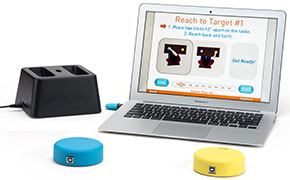
Technology-driven therapy kits represent a revolutionary approach to rehabilitation, leveraging cutting-edge digital tools to transform chronic condition management. Digital therapeutics provide personalized, scalable interventions that integrate advanced technologies like artificial intelligence, mobile applications, and virtual reality to support patient recovery.
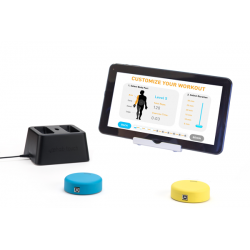
These innovative therapy solutions go beyond traditional rehabilitation methods by offering adaptive, data-driven experiences tailored to individual patient needs. They combine sophisticated software algorithms with interactive hardware to create engaging, measurable therapeutic experiences that can be used in clinical or home settings.
Key features of modern technology-driven therapy kits include:
- Real-time performance tracking with precise metrics
- Adaptive difficulty levels matching patient progress
- Gamified rehabilitation exercises
- Remote monitoring capabilities
- Personalized feedback mechanisms
AI-enhanced digital therapeutics utilize advanced algorithms to deliver targeted cognitive rehabilitation interventions. These tools can continuously adjust treatment protocols based on patient performance, providing a dynamic and responsive approach to therapy that traditional methods cannot match.
Pro tip: Choose a technology-driven therapy kit that offers comprehensive progress tracking and allows seamless communication with your healthcare provider for optimal rehabilitation outcomes.
Here’s a comparison of traditional rehabilitation and technology-driven therapy kits:
| Aspect | Traditional Rehab | Tech-Driven Therapy Kits |
|---|---|---|
| Customization | Therapist-led, limited by clinic time | AI and app-driven, real-time adaptation |
| Tracking | Manual records, periodic review | Automated, live performance metrics |
| Engagement | Standard exercises, varied motivation | Gamified, interactive sessions |
| Accessibility | Clinic-based, scheduled sessions | Home and clinic, flexible timing |
Types of Neurorehabilitation Devices and Methods
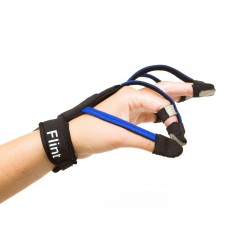
Neurorehabilitation technologies represent a groundbreaking approach to helping patients recover from neurological conditions through innovative, targeted interventions. Neurorehabilitation devices offer personalized, engaging training methods designed to promote neuroplasticity and restore motor function for patients with complex neurological disorders.

These advanced technologies encompass a wide range of sophisticated tools that go beyond traditional rehabilitation approaches. By combining cutting-edge hardware and intelligent software, these devices create interactive, adaptive therapeutic experiences that can significantly enhance recovery potential for patients with stroke, spinal cord injuries, and other neurological challenges.
Key types of neurorehabilitation devices include:
- Functional electrical stimulation (FES) for muscle activation
- Robotic-assisted training systems
- Brain-computer interfaces (BCI)
- Virtual reality (VR) rehabilitation platforms
- Wearable sensor technology
- Augmented reality (AR) therapeutic tools
- Non-invasive brain stimulation (NIBS) devices
Technology-based interventions support intensive rehabilitation strategies that can be customized to individual patient needs. These methods provide healthcare professionals with powerful tools to create dynamic, responsive treatment protocols that adapt in real-time to patient progress and challenges.
Pro tip: Consult with your rehabilitation specialist to determine which specific neurorehabilitation technologies best match your individual recovery goals and neurological condition.

How High-Tech Therapy Enhances Recovery
High-tech rehabilitation represents a transformative approach to chronic condition management, offering patients unprecedented opportunities for recovery. Advanced rehabilitation technologies augment clinical practice by enabling precise movement measurement and creating personalized, data-driven treatment strategies.
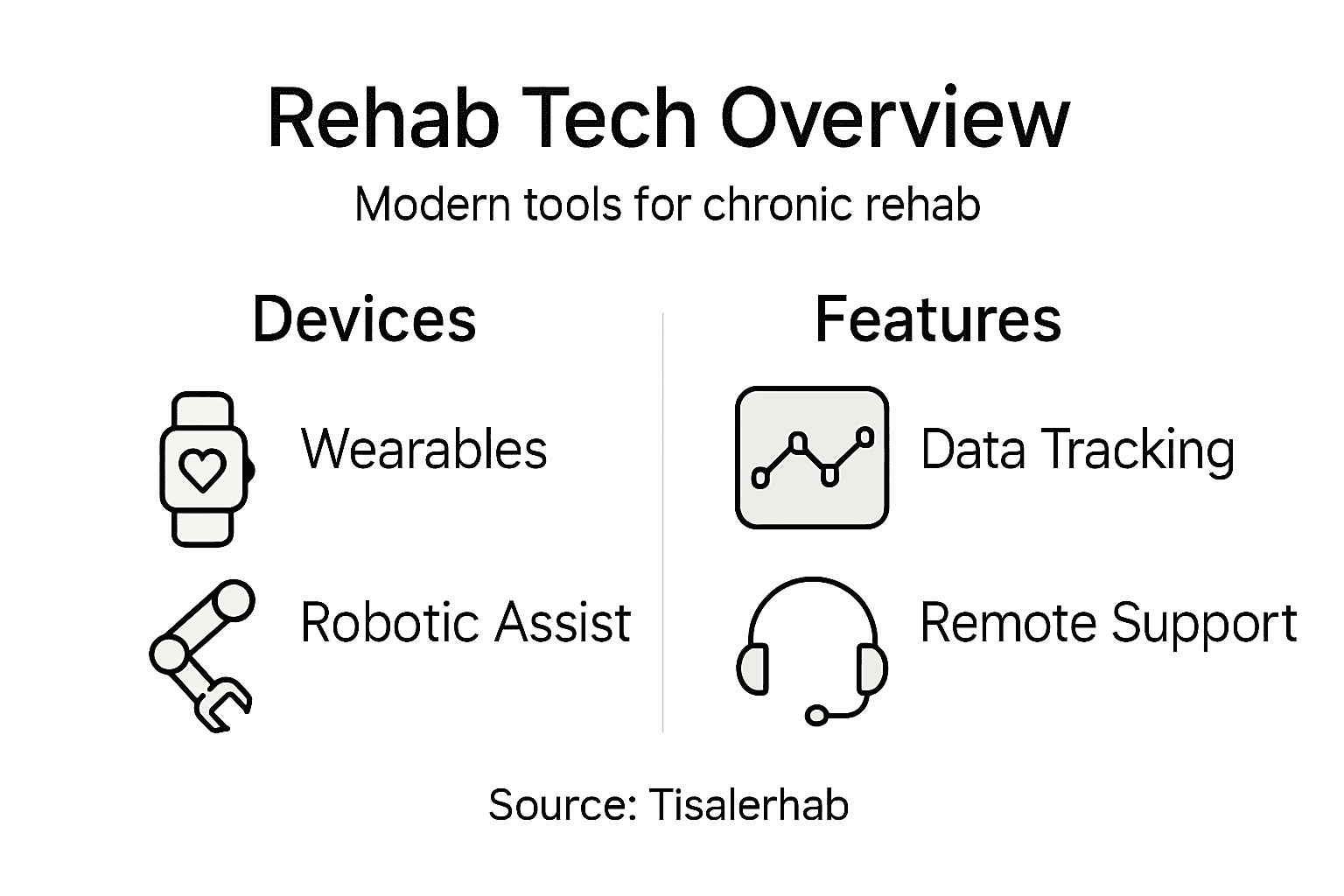
These sophisticated technologies bridge the critical gap between clinical settings and home-based recovery, providing continuous monitoring and adaptive therapeutic experiences. By integrating intelligent sensors, artificial intelligence, and interactive platforms, high-tech therapy transforms traditional rehabilitation models into dynamic, responsive recovery pathways.
Key benefits of high-tech therapy include:
- Real-time performance tracking
- Personalized treatment protocols
- Continuous remote monitoring
- Enhanced patient engagement
- Objective progress measurement
- Adaptive difficulty levels
- Comprehensive data collection
Digital health technologies support at-home recovery strategies by offering smartphone applications and wearable devices that monitor mobility, cognitive performance, and daily living activities. These innovations dramatically improve rehabilitation accessibility and patient motivation, enabling individuals to take an active role in their recovery journey.
Pro tip: Select high-tech rehabilitation tools that offer comprehensive data tracking and seamless communication with your healthcare provider to maximize your recovery potential.
Financial Costs and Patient Responsibilities
Chronic condition management involves substantial financial challenges that extend far beyond traditional medical expenses. Chronic diseases contribute significantly to healthcare expenditure, creating complex economic burdens for patients and healthcare systems alike.
Patients with long-term health conditions face multifaceted financial responsibilities that can dramatically impact their treatment and recovery strategies. These expenses encompass more than just medical treatments, including indirect costs like transportation, specialized equipment, potential lost work hours, and ongoing therapeutic interventions.
Key financial considerations for patients include:
- Out-of-pocket medical expenses
- Specialist consultation fees
- Medication costs
- Rehabilitation equipment investments
- Transportation to medical appointments
- Potential income reduction
- Allied health service payments
Chronic conditions create substantial economic challenges that often force patients to make difficult decisions about their healthcare. Many individuals delay or avoid necessary treatments due to financial constraints, which can ultimately compromise their long-term health outcomes and recovery potential.
Pro tip: Investigate comprehensive insurance coverage, patient assistance programs, and flexible payment options before starting your rehabilitation journey to minimize unexpected financial stress.
Below is a summary of common financial responsibilities faced by patients with chronic conditions:
| Expense Type | Impact on Patients | Example Solution |
|---|---|---|
| Medical Fees | Strains monthly budget | Insurance coverage, subsidies |
| Equipment Costs | One-time major purchase | Rent, payment plans |
| Transport Expenses | Limits appointment attendance | Telehealth services |
| Lost Income | Reduced earning potential | Workplace accommodations |
| Allied health fees | Adds long-term costs | Bundled services, packages |
Risks, Misconceptions, and How to Avoid Them
Rehabilitation strategies encompass far more than many patients initially understand. Common misconceptions about rehabilitation prevent effective treatment by creating unnecessary barriers and generating unwarranted fears about the recovery process.
Misconceptions can significantly impact a patient’s willingness to engage in comprehensive rehabilitation programs. These myths often stem from limited understanding, outdated information, or generalized assumptions about medical recovery that do not reflect the nuanced, personalized nature of modern rehabilitation approaches.
Common rehabilitation misconceptions include:
- Rehabilitation is only for older adults
- Therapy is exclusively physical
- Recovery happens quickly or not at all
- Pain is an unavoidable part of rehabilitation
- Rehabilitation is only relevant immediately after injury
- Only severe conditions require professional intervention
- All rehabilitation methods are identical
Professional guidance helps debunk rehabilitation myths and supports patients in developing realistic expectations. Understanding that rehabilitation is a comprehensive, multidisciplinary approach tailored to individual needs can transform a patient’s perspective and engagement with their recovery journey.
Pro tip: Always consult with multiple healthcare professionals to gain a comprehensive understanding of your specific rehabilitation needs and potential treatment strategies.
Enhance Your Recovery Journey with Proven Tech Solutions
Living with a chronic condition often means facing the challenge of regaining independence and improving motor function through rehabilitation. The article highlights the power of technology-driven therapy kits that provide personalized, engaging, and adaptive rehabilitation experiences tailored to your unique needs. If you are striving to overcome limited mobility or seeking motivating, data-driven therapy at home or in clinical settings, embracing innovative tools can make all the difference.
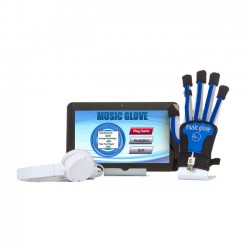
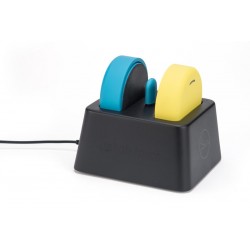
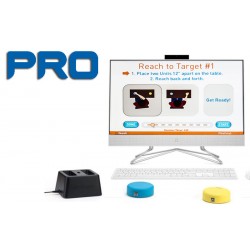
At Tisalehab, we specialize in advanced high-tech therapy kits such as the FitMi and MusicGlove, designed specifically for neurological recovery including stroke, cerebral palsy, and other chronic challenges. These products combine interactive exercises with real-time progress tracking and user-friendly interfaces to empower you on your path to improved function and meaningful daily participation. Discover a rehabilitation partnership that understands your goals and helps you celebrate every small victory.

Ready to transform your rehabilitation experience now Explore our product catalog to find clinically proven therapy kits that fit your lifestyle and recovery objectives Visit Tisalehab today and take the critical step towards maximizing your recovery potential with technology-driven solutions designed to work for you.
Frequently Asked Questions
What is rehabilitation for chronic conditions?
Rehabilitation for chronic conditions is a personalized approach aimed at helping individuals regain independence and improve their quality of life by optimizing functioning and reducing disability through multidisciplinary interventions.
How do technology-driven therapy kits enhance rehabilitation?
Technology-driven therapy kits leverage advanced digital tools, such as AI and virtual reality, to provide personalized, adaptive rehabilitation experiences that offer real-time performance tracking and gamified exercises.
What types of neurorehabilitation devices are available?
Common neurorehabilitation devices include functional electrical stimulation (FES), robotic-assisted training systems, brain-computer interfaces (BCI), virtual reality platforms, and wearable sensor technology to support recovery from neurological conditions.
What financial considerations should patients keep in mind for chronic condition management?
Patients should consider out-of-pocket medical expenses, rehabilitation equipment costs, transportation fees, potential lost income, and allied health service payments when budgeting for chronic condition management.
Recommended
38
Get inspired by a stroke recovery story

Home rehabilitation at full speed.
My husband suffered a severe stroke on August 19, 2020, which paralyzed him on the right side. Thanks to FitMi he has made huge progress since then. He still has no strength in his right arm, but now he can walk with a cane, his speech has improved significantly, and he is fighting and rehabilitating at full speed. We are very happy that we bought this FitMi kit for him, so he can continue his training and exercises at home. We are encouraged by this program and the positive reviews we read from others who used it. Thank God we found this kit and thank you for your support. It is a wonderful program.
Kate (08.09.2020)