Role of Technology in Neuro Recovery Outcomes
Traditional rehabilitation for neurological disorders often feels limiting when complex patient needs demand more adaptive approaches. Advances in technology are now reshaping how therapists around the world address stroke and neurological recovery, offering tools that directly target neuroplasticity and functional restoration. This article explores how integrating brain-computer interfaces, robotics, and immersive digital solutions empowers therapists to provide more engaging, personalized care and helps patients reach new levels of participation and recovery effectiveness.
Table of Contents
- Defining Technology’s Role In Neuro Recovery
- Types Of High-Tech Neurorehabilitation Devices
- How Technology Enhances Therapy Engagement
- Clinical Applications For Stroke And Cerebral Palsy
- Risks, Limitations, And Cost Considerations
Key Takeaways
| Point | Details |
|---|---|
| Technological Innovations Transform Rehabilitation | Modern technologies enhance neuro recovery by focusing on neural plasticity and offer personalized, adaptive rehabilitation strategies. |
| Engagement is Key | Digital tools create immersive and interactive experiences, significantly improving patient motivation and participation in therapy. |
| Clinical Applications Target Specific Needs | Advanced technologies provide customized treatments for complex neurological conditions such as stroke and cerebral palsy, improving functional outcomes. |
| Considerations for Implementation | Healthcare providers must navigate costs, training, and patient adaptability to successfully integrate advanced rehabilitation technologies. |
Defining Technology’s Role in Neuro Recovery
Neuro recovery represents a complex journey where technological innovations are dramatically transforming rehabilitation strategies. Modern technologies offer unprecedented opportunities to enhance neurological healing, moving far beyond traditional therapeutic approaches by directly targeting neural plasticity and functional restoration.
Technological interventions in neuro recovery are distinguished by their ability to provide targeted, precise, and adaptive rehabilitation strategies. Advanced restorative technologies now encompass multiple sophisticated approaches, including:
- Brain-computer interfaces that enable direct neural communication
- Robot-assisted therapy supporting precise motor skill retraining
- Virtual reality systems facilitating immersive rehabilitation environments
- Brain stimulation techniques promoting neural reorganization
- Adaptive monitoring technologies tracking recovery progress
These technological solutions fundamentally reimagine rehabilitation by offering personalized, data-driven interventions that can be precisely tailored to individual neurological conditions. Unlike traditional methods that rely predominantly on manual therapies, modern technologies can continuously adjust treatment protocols based on real-time patient responses and neurological feedback.
Here’s a summary comparing traditional rehabilitation with technology-driven neurorecovery approaches:
| Aspect | Traditional Rehabilitation | Technology-Driven Rehabilitation |
|---|---|---|
| Personalization | Generalized protocols | Individualized, data-driven plans |
| Adaptability | Fixed therapy schedules | Dynamic, real-time adjustments |
| Patient Engagement | Often repetitive, less interactive | Gamified, immersive experience |
| Feedback and Tracking | Manual logs and observation | Continuous digital data monitoring |
| Scalability | Limited by therapist availability | Expanded via digital tools |
The critical advantage of technological approaches lies in their capacity to extend recovery windows and enhance neuroplasticity. By providing consistent, repetitive, and engaging stimulation, these technologies help patients rewire neural pathways more effectively than conventional rehabilitation techniques. The integration of artificial intelligence and machine learning further enables more nuanced, adaptive therapeutic strategies that can evolve with patient progress.
Pro tip: When implementing technological rehabilitation tools, prioritize patient comfort and gradually increase complexity to maintain motivation and therapeutic engagement.

Types of High-Tech Neurorehabilitation Devices
Neurorehabilitation technologies have evolved dramatically, offering sophisticated tools that transform patient recovery strategies. Comprehensive neurorehabilitation technologies now encompass a diverse range of advanced devices designed to address complex neurological challenges with unprecedented precision and adaptability.
The primary categories of high-tech neurorehabilitation devices include:
- Robotic rehabilitation systems for targeted motor skill retraining
- Wearable sensor technologies enabling continuous movement tracking
- Virtual reality platforms creating immersive therapeutic environments
- Brain-computer interfaces facilitating direct neural communication
- Exergaming devices combining physical exercise with interactive gameplay
- Adaptive monitoring equipment providing real-time recovery insights
These technological interventions are distinguished by their ability to offer personalized, data-driven rehabilitation strategies. Unlike traditional therapeutic approaches, modern devices can dynamically adjust treatment protocols based on individual patient responses, neurological complexity, and specific recovery goals.
Most advanced neurorehabilitation technologies focus on enhancing neuroplasticity through consistent, engaging, and precisely targeted stimulation. The integration of artificial intelligence and machine learning algorithms enables these devices to develop increasingly sophisticated rehabilitation strategies that can adapt to patient progress in real time, potentially extending traditional recovery windows and improving functional outcomes.

Pro tip: Select rehabilitation technologies that offer flexible customization options and provide comprehensive data tracking to maximize patient engagement and therapeutic effectiveness.
How Technology Enhances Therapy Engagement
Therapy engagement represents a critical challenge in neurological rehabilitation, where patient motivation and consistent participation significantly impact recovery outcomes. Digital tools are transforming therapeutic engagement by addressing traditional barriers and creating more interactive, personalized rehabilitation experiences.
Technology enhances therapy engagement through multiple innovative approaches:
- Teletherapy platforms eliminating geographic accessibility constraints
- Virtual reality environments providing immersive, motivational experiences
- Mobile health applications offering convenient tracking and communication
- AI-powered monitoring systems delivering personalized progress insights
- Interactive gamification techniques making rehabilitation more enjoyable
- Remote communication tools supporting continuous patient-therapist connections
These technological interventions fundamentally reimagine patient participation by transforming rehabilitation from a potentially monotonous process into an engaging, dynamic experience. Advanced digital solutions create adaptive environments that respond to individual patient needs, maintaining motivation through real-time feedback, personalized challenges, and interactive design elements.
The most effective technological engagement strategies focus on creating seamless, user-friendly experiences that reduce psychological barriers to rehabilitation. By incorporating elements of entertainment, immediate feedback, and personalized progression, these tools help patients maintain consistent engagement, track their progress transparently, and feel more empowered throughout their recovery journey.
Pro tip: Select rehabilitation technologies that offer intuitive interfaces and gamified elements to maintain patient motivation and encourage consistent participation.


Clinical Applications for Stroke and Cerebral Palsy
Neurological rehabilitation for stroke and cerebral palsy demands sophisticated, individualized technological interventions that address unique patient challenges. Advanced rehabilitation strategies now integrate cutting-edge technologies to enhance functional recovery and neuroplasticity across different neurological conditions.
Key technological applications for stroke and cerebral palsy rehabilitation include:
- Robotic therapy systems providing precise, repetitive motor skill training
- Virtual reality environments creating immersive rehabilitation experiences
- AI-assisted movement analysis tracking progress and adapting interventions
- Electrical stimulation technologies facilitating neuromuscular re-education
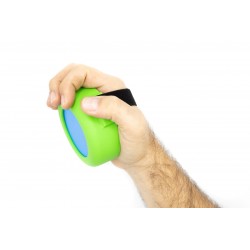
- Constraint-induced movement therapy utilizing specialized equipment
- Brain-computer interfaces supporting neural pathway reconstruction
These technological interventions are particularly transformative in addressing the complex rehabilitation needs of stroke and cerebral palsy patients. By offering personalized, data-driven approaches, modern technologies can target specific motor function deficits, support neurological reorganization, and provide continuous, adaptive therapeutic strategies that traditional rehabilitation methods cannot achieve.
The most effective clinical applications focus on early intervention, personalized treatment protocols, and comprehensive tracking of neurological progress. Advanced technologies enable therapists to design precise, developmentally appropriate rehabilitation strategies that can be dynamically adjusted based on real-time patient responses, ultimately improving functional outcomes and patient quality of life.
Pro tip: Implement technology-assisted rehabilitation strategies that can be customized to individual patient developmental stages and specific neurological profiles.
Risks, Limitations, and Cost Considerations
Neurorehabilitation technologies, while promising, present complex challenges that require careful evaluation and strategic implementation. Technological adoption barriers encompass multiple interconnected dimensions that healthcare professionals must critically navigate to ensure effective and sustainable rehabilitation strategies.
Key risks and limitations include:
- High initial investment costs for advanced rehabilitation technologies
- Technical complexity requiring specialized training for healthcare providers
- Limited scalability across different clinical settings
- Potential patient technological resistance or learning difficulties
- Inconsistent clinical evidence for some emerging technologies
- Privacy and data security concerns with digital rehabilitation tools
Economic considerations represent a significant barrier to widespread technological adoption in neurological rehabilitation. The substantial upfront costs of sophisticated rehabilitation technologies can create substantial challenges, particularly for smaller clinics and healthcare systems with constrained budgets. These financial limitations are especially pronounced in low- and middle-income regions, where advanced rehabilitation technologies remain prohibitively expensive.

Effective risk mitigation requires a comprehensive approach that balances technological potential with practical implementation strategies. Healthcare organizations must conduct thorough cost-benefit analyses, develop robust training programs, and create flexible technological integration frameworks that account for individual patient needs and institutional constraints.
Below is a reference table outlining common risks and mitigation strategies for neurorehabilitation technologies:
| Risk Category | Example Challenge | Practical Mitigation Strategy |
|---|---|---|
| Cost | High initial device investment | Pilot studies before full rollout |
| Technical Training | Complex equipment setup | Comprehensive staff education |
| Patient Barriers | Difficulty using technology | Simplified interfaces and stepwise intro |
| Data Security | Privacy of patient records | Encrypted data and strict access control |
Pro tip: Conduct comprehensive pilot studies and phased technology implementations to systematically evaluate clinical effectiveness and economic feasibility before full-scale adoption.
Enhance Neurological Recovery with Proven Technology
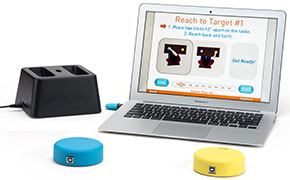
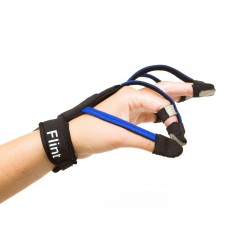
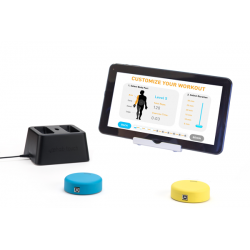
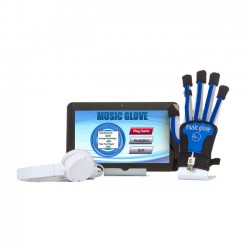
The journey of neuro recovery can be demanding and complex. This article highlights key challenges such as maintaining therapy engagement, overcoming traditional rehabilitation limits, and the importance of adaptive, personalized approaches. At Tisalehab, we recognize that regaining motor function after stroke or cerebral palsy requires innovative solutions that harness technology to make therapy both effective and motivating. Our products, including the FitMi and MusicGlove therapy kits, provide interactive, music-based exercises designed to boost neuroplasticity and functional restoration in real time.

Take control of your rehabilitation today by choosing tools that respond to your individual needs and keep you engaged every step of the way. Explore our innovative rehabilitation equipment and discover how easy it can be to transform challenging exercises into rewarding progress. Visit Tisalehab now to find clinically proven, user-friendly therapy kits that help you or your loved ones accelerate neuro recovery with confidence.
Frequently Asked Questions
What are the main technologies used in neuro recovery?
Advancements in neuro recovery include brain-computer interfaces, robot-assisted therapy, virtual reality systems, brain stimulation techniques, and adaptive monitoring technologies, each designed to enhance rehabilitation effectiveness.
How do technological approaches differ from traditional rehabilitation methods?
Technology-driven rehabilitation offers personalized, data-driven interventions that adapt in real-time to individual patient responses, contrasting with traditional methods that often rely on generalized protocols and static treatment plans.
What are the benefits of using virtual reality in neuro rehabilitation?
Virtual reality provides immersive environments that make therapy engaging and enjoyable, resulting in higher patient motivation and engagement, which can significantly enhance recovery outcomes.
What risks are associated with using advanced rehabilitation technologies?
Key risks include high initial investment costs, technical complexity requiring specialized training, limited scalability, potential patient resistance to new technologies, and data security concerns that need to be addressed for effective implementation.
Recommended
- 7 Signs of Recovery After a Stroke: How to Know You’re on the Right Track
- Start Here - Comprehensive Home Neurorehabilitation
- Mirror Therapy for Phantom Limb Pain and Limb Rehabilitation
- hat Is a Stroke – Key Impacts on a Patient’s Life | TisaleRehab.com
- Role of AI in Hearing Diagnosis: Advancing UK Hearing Health – Audora
- Importance of Vocal Recovery – Keys to Healing Voices - TMRG Solutions
38
Get inspired by a stroke recovery story

Home rehabilitation at full speed.
My husband suffered a severe stroke on August 19, 2020, which paralyzed him on the right side. Thanks to FitMi he has made huge progress since then. He still has no strength in his right arm, but now he can walk with a cane, his speech has improved significantly, and he is fighting and rehabilitating at full speed. We are very happy that we bought this FitMi kit for him, so he can continue his training and exercises at home. We are encouraged by this program and the positive reviews we read from others who used it. Thank God we found this kit and thank you for your support. It is a wonderful program.
Kate (08.09.2020)