Why Home Rehabilitation Matters for Stroke Patients
Supporting a loved one after a stroke can feel overwhelming, especially when searching for tools that truly make a difference at home. Home-based rehabilitation matters because it gives stroke survivors the chance to regain skills, confidence, and motivation in a comfortable setting. Today, engaging technology like virtual reality and interactive devices allows caregivers across North America to offer structured, personalized therapy that supports both physical recovery and emotional well-being, right where it’s needed most.
- Defining Home Rehabilitation for Stroke Recovery
- Types of Home Rehabilitation and Therapy Tools
- How Technology Enhances Home Recovery
- Role of Caregivers in Home-Based Rehab
- Comparing Home and Hospital Rehabilitation Outcomes
- Risks, Limitations, and What to Avoid
Key Takeaways
| Point | Details |
|---|---|
| Home Rehabilitation | Home rehabilitation promotes independence and emotional healing, offering personalized and flexible recovery strategies for stroke survivors. |
| Technology Integration | Innovative digital tools enhance engagement and monitoring, providing effective personalized therapy and improving patient outcomes. |
| Caregiver Involvement | Caregivers play a crucial role in providing emotional support and practical assistance, making them integral to the recovery process. |
| Home vs. Hospital Outcomes | Emerging research indicates that home rehabilitation can yield similar or superior outcomes compared to traditional hospital settings, facilitating faster emotional recovery in familiar environments. |
Defining Home Rehabilitation for Stroke Recovery
Home rehabilitation represents a transformative approach to stroke recovery, enabling patients to regain independence and improve functional abilities within the comfort of their personal environment. Unlike traditional clinical settings, home rehabilitation offers a personalized, flexible pathway to neurological recovery that addresses both physical and emotional healing.
At its core, home rehabilitation involves structured therapeutic interventions designed specifically for stroke survivors to restore motor function, cognitive skills, and daily living capabilities. Personalized stroke recovery strategies emphasize individual needs and emotional support, recognizing that recovery extends far beyond physical exercises.
Key components of effective home rehabilitation include:
- Customized exercise programs targeting specific motor impairments
- Adaptive equipment to support independent movement
- Regular assessments by healthcare professionals
- Psychological support for emotional adjustment
- Family and caregiver training for continuous support
The primary goal of home rehabilitation is not just physical recovery, but comprehensive wellness. Stroke survivors require holistic approaches that rebuild confidence, restore functional independence, and help them reconnect with meaningful daily activities.
Pro tip: Create a dedicated rehabilitation space at home with clear pathways and necessary adaptive equipment to support consistent and safe recovery efforts.
Types of Home Rehabilitation and Therapy Tools
Home rehabilitation for stroke patients has evolved dramatically with technological innovations, offering a diverse range of therapy tools designed to support recovery in personal environments. Virtual reality rehabilitation technologies have emerged as particularly promising interventions, providing engaging and adaptive approaches to neurological recovery.
These therapy tools can be categorized into several key types:
- Digital Rehabilitation Tools:
- Virtual reality systems
- Interactive motion tracking devices
- Game-based rehabilitation platforms
- Physical Rehabilitation Equipment:
- Adaptive exercise machines
- Resistance bands
- Mobility assistance devices
- Cognitive Recovery Technologies:
- Brain training software
- Memory improvement applications
- Cognitive exercise programs
The effectiveness of home rehabilitation tools lies in their ability to provide personalized, consistent, and engaging therapeutic experiences. Adaptive technologies enable stroke survivors to practice exercises at their own pace, track progress, and maintain motivation through interactive feedback mechanisms.
Technological innovations have transformed home rehabilitation from passive recovery to active, patient-centered therapeutic interventions.
Neurological rehabilitation requires a multifaceted approach that addresses physical, cognitive, and emotional dimensions of recovery. Modern therapy tools integrate advanced sensors, machine learning algorithms, and user-friendly interfaces to create comprehensive rehabilitation experiences.

The following table summarizes the main technology types used in home stroke rehabilitation:
| Technology Type | Main Purpose | Typical Benefit |
|---|---|---|
| Virtual Reality Platforms | Motor and cognitive skill restoration | Higher engagement and motivation |
| Wearable Sensors | Track motion and progress | Real-time feedback on exercises |
| Brain Training Software | Enhance cognitive function | Improved memory and attention |
| Game-Based Rehab | Facilitate active therapy | Makes exercises more enjoyable |
Pro tip: Consult with a healthcare professional to select home rehabilitation tools specifically tailored to your unique recovery needs and physical capabilities.
How Technology Enhances Home Recovery
Digital health technologies have revolutionized stroke rehabilitation, transforming traditional recovery approaches into dynamic, personalized therapeutic experiences. Digital health interventions now enable continuous monitoring and adaptive rehabilitation strategies that significantly improve patient outcomes.
Technology enhances home recovery through several critical mechanisms:
- Continuous Performance Tracking:
- Real-time motion sensors
- Wearable diagnostic devices
- Progress monitoring applications
- Personalized Rehabilitation:
- Adaptive exercise programs
- Machine learning-powered recovery algorithms
- Customized difficulty progression
- Engagement and Motivation:
- Interactive rehabilitation games
- Virtual reality exercise platforms
- Reward-based tracking systems
These technological interventions provide stroke survivors with unprecedented opportunities for structured, engaging recovery. Adaptive technologies create immersive rehabilitation experiences that encourage consistent practice and emotional resilience.
Technological innovations transform passive rehabilitation into active, patient-centered therapeutic journeys.
The integration of advanced sensors, artificial intelligence, and user-friendly interfaces enables more precise, data-driven rehabilitation strategies. By offering real-time feedback and personalized challenges, these technologies help stroke survivors regain independence more effectively.

Pro tip: Collaborate with healthcare professionals to select technology-based rehabilitation tools that match your specific neurological recovery requirements.
Role of Caregivers in Home-Based Rehab
Caregivers are the unsung heroes of stroke rehabilitation, providing critical support that bridges medical intervention and daily recovery. Caregiver involvement in rehabilitation goes far beyond physical assistance, encompassing emotional support, motivation, and comprehensive patient care.
The multifaceted responsibilities of caregivers include:
- Physical Support:
- Assisting with daily living activities
- Helping with prescribed exercises
- Monitoring patient safety
- Emotional Support:
- Providing psychological encouragement
- Managing patient frustrations
- Creating a positive recovery environment
- Medical Coordination:
- Tracking medication schedules
- Scheduling medical appointments
- Communicating with healthcare professionals
Stroke recovery demands a holistic approach where caregivers become integral members of the rehabilitation team. Their deep understanding of the patient’s personal needs allows for more nuanced and effective recovery strategies.
Successful home rehabilitation is a collaborative journey between patients, caregivers, and healthcare professionals.
Professional training and ongoing education are crucial for caregivers to effectively support stroke survivors. Understanding rehabilitation techniques, recognizing potential complications, and maintaining their own mental health are essential components of successful long-term care.
Pro tip: Join support groups and seek professional counseling to maintain your emotional resilience while caring for a stroke survivor.
Comparing Home and Hospital Rehabilitation Outcomes
Stroke recovery involves critical decisions about rehabilitation settings, with emerging research challenging traditional hospital-based approaches. Early discharge rehabilitation programs demonstrate comparable, and sometimes superior, outcomes when compared to conventional hospital treatments.
Key comparative aspects between home and hospital rehabilitation include:
- Functional Recovery:
- Similar independence levels
- Personalized treatment environments
- Patient-specific progression tracking
- Emotional Well-Being:
- Reduced institutional stress
- Familiar surroundings
- Enhanced psychological comfort
- Cost and Efficiency:
- Shorter overall treatment duration
- Reduced healthcare facility expenses
- Minimized secondary infection risks
Hospital rehabilitation traditionally represented the gold standard, but contemporary research suggests home-based interventions can be equally effective. The comfort of familiar environments, combined with personalized care, often accelerates psychological and physical recovery.
Here’s a quick comparison of home versus hospital stroke rehabilitation approaches:
| Attribute | Home Rehabilitation | Hospital Rehabilitation |
|---|---|---|
| Environment | Familiar, comfortable surroundings | Clinical, professionally equipped |
| Individualization | Tailored to patient needs | Protocol-driven with some personalization |
| Cost Efficiency | Lower overall expenses | Higher facility and staffing costs |
| Emotional Support | Enhanced family involvement | Limited personal support |
| Risk Factors | Requires self-management and caregiver vigilance | Immediate medical response available |
| Recovery Speed | Often faster emotional recovery | Physical recovery monitored closely |
Home rehabilitation transforms patient recovery from a clinical procedure to a holistic, personalized healing journey.
The patient’s individual needs, severity of stroke, and support system ultimately determine the most appropriate rehabilitation strategy. Professional medical guidance remains crucial in selecting the optimal recovery approach.
Pro tip: Consult with neurological rehabilitation specialists to create a tailored recovery plan that considers your unique medical requirements and home environment.

Risks, Limitations, and What to Avoid
Home rehabilitation for stroke patients presents unique challenges that require careful navigation and professional guidance. While promising, this approach demands meticulous planning and awareness of potential limitations to ensure safe and effective recovery.
Potential risks and critical considerations include:
- Physical Risks:
- Inadequate exercise supervision
- Potential for improper movement techniques
- Risk of falls or additional injury
- Medical Management Challenges:
- Limited immediate medical intervention
- Difficulty monitoring complex symptoms
- Potential delays in emergency response
- Psychological Limitations:
- Risk of patient discouragement
- Potential isolation
- Increased caregiver stress
Stroke recovery demands a nuanced approach where patients and caregivers must recognize their personal limitations. Not every patient is an ideal candidate for comprehensive home rehabilitation, and individual medical conditions play a crucial role in determining the most appropriate recovery strategy.
Effective home rehabilitation requires honest self-assessment, professional guidance, and realistic expectations.
Some patients may require hybrid approaches that combine hospital and home-based interventions. Factors such as stroke severity, existing medical conditions, support system strength, and individual motivation significantly impact rehabilitation success.
Pro tip: Conduct a comprehensive assessment with healthcare professionals to determine your specific home rehabilitation readiness and potential limitations.
Transform Your Home Rehabilitation Journey with Innovative Therapy Tools
Recovering from a stroke at home can bring unique challenges such as maintaining motivation, performing personalized exercises safely, and tracking progress effectively. This article highlights the critical need for adaptive technology and comprehensive support to enhance physical and cognitive recovery while creating an engaging and empowering environment. If you are seeking solutions that address these pain points and help you or your loved one regain independence through proven, user-friendly devices, you have come to the right place.
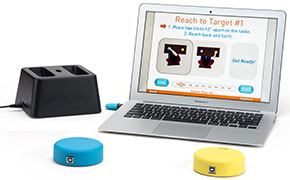
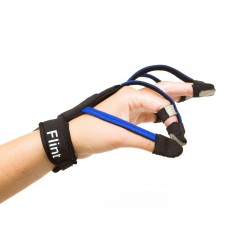
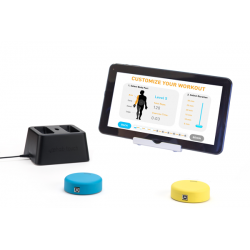
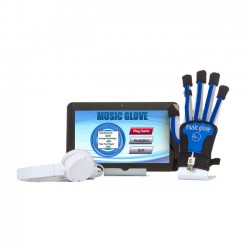
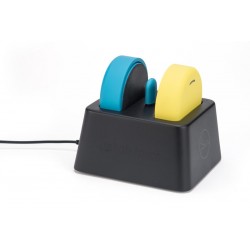
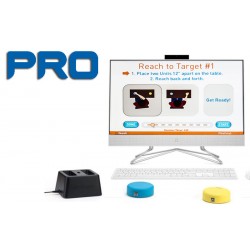
At Tisalerehab, we specialize in advanced rehabilitation products designed specifically for home use by stroke survivors. Our high-tech therapy kits, including the FitMi and MusicGlove, offer music-based, interactive exercises that make physical and hand therapy not only effective but enjoyable. These tools bring clinical innovation into your living room by providing personalized, engaging, and measurable rehabilitation experiences aligned with the article’s focus on adaptive technologies and caregiver involvement.

Take control of your recovery now by exploring our carefully curated selection of rehabilitation devices tailored to your unique neurological needs. Visit Tisalerehab to discover how our innovative therapy solutions can make home rehabilitation safer and more effective. Don’t wait to empower your journey toward independence with tools trusted by patients and professionals alike.
Frequently Asked Questions
What is home rehabilitation for stroke patients?
Home rehabilitation for stroke patients is a personalized approach that enables survivors to regain independence and improve their functional abilities in a comfortable environment. It involves structured therapeutic interventions tailored to individual needs, focusing on both physical and emotional recovery.
How does technology enhance home rehabilitation for stroke recovery?
Technology enhances home rehabilitation by providing tools for continuous performance tracking, personalized rehabilitation programs, and engaging exercises. This includes digital rehabilitation tools like virtual reality systems, brain training software, and wearable sensors that improve the recovery experience.
What are the key components of an effective home rehabilitation program for stroke survivors?
Key components include customized exercise programs targeting specific impairments, psychological support, caregiver training, regular assessments by healthcare professionals, and adaptive equipment to facilitate independent movement.
What are the benefits of home rehabilitation compared to hospital rehabilitation for stroke patients?
Home rehabilitation can lead to similar or even better functional recovery, reduced emotional stress due to familiar surroundings, increased independence, and lower overall treatment costs compared to traditional hospital rehabilitation approaches.
Recommended
- 7 Signs of Recovery After a Stroke: How to Know You’re on the Right Track
- Start Here - Comprehensive Home Neurorehabilitation
- hat Is a Stroke – Key Impacts on a Patient’s Life | TisaleRehab.com
- Tisele Rehab – Rehabilitation Kits for Stroke & Cerebral Palsy
- 7 Essential Exercises for Vocal Recovery and Strength - TMRG Solutions
- Complete Guide to Trialling Hearing Aids at Home – Audora
38
Be inspired by a story of survival after a stroke


The FitMi kit is perfect for rehabilitation.
Like many other customers, I was skeptical about buying this device because of the price. I bought FitMi for my 21-year-old daughter who suffered a severe brain injury almost two years ago. Movement in her left arm and leg was nearly impossible — until I discovered this kit.
So far, we haven't yet done exercises for the leg, mainly focusing on the arm to restore initial movement in her hand. I also think the disks are a bit too large for her, but with the silicone covers, we manage. From what we can see, exercising with FitMi is something truly extraordinary.
Thank you so much for helping my daughter regain some mobility!
Renata and Mariola (12.04.2020)