Neuroplasticity: Driving Faster Stroke Recovery Outcomes
Finding the best rehabilitation tools can feel overwhelming for American and Canadian caregivers supporting stroke survivors. Understanding how the brain adapts and rewires itself is key to unlocking better recovery options. By exploring neuroplasticity, you can discover proven methods and innovative products that stimulate brain healing, challenge outdated myths, and help restore motor function more effectively.
Table of Contents
- Neuroplasticity Defined And Common Myths
- Types And Mechanisms Of Neuroplasticity
- Therapies That Harness Neuroplasticity
- Innovative Rehab Tools For Motor Recovery
- Factors That Limit Or Enhance Progress
Key Takeaways
| Point | Details |
|---|---|
| Neuroplasticity is lifelong | The brain can continuously reorganize and adapt throughout life, challenging the notion of fixed neural capacity. |
| Myths about recovery | Common misconceptions about brain recovery, such as age limitations and the need for intensive therapy, can hinder progress for stroke survivors. |
| Targeted rehabilitation strategies | Effective recovery requires consistent, targeted exercises that stimulate neuroplastic changes to support brain healing. |
| Innovative technologies enhance recovery | New rehabilitation tools like virtual reality and brain-computer interfaces provide personalized, engaging methods to improve motor function for stroke survivors. |
Neuroplasticity Defined and Common Myths
Neuroplasticity is the brain’s remarkable ability to reorganize and rewire neural connections throughout a person’s lifetime. Neural plasticity explains how the brain adapts to new experiences, injuries, and learning environments, challenging long-held beliefs about brain development.
Contrary to outdated medical assumptions, the brain is not a fixed, unchanging organ. Neuroplasticity demonstrates that our neural networks can continuously form new connections, prune existing pathways, and restructure themselves in response to stimuli. This dynamic process occurs across all life stages, though it is most pronounced during childhood and early development.
Several persistent myths about brain plasticity continue to mislead many stroke survivors and their caregivers:
- Myth 1: Brain recovery stops after a certain age
- Myth 2: Damaged neural connections cannot be repaired
- Myth 3: Brain rehabilitation requires intensive, prolonged therapy
- Myth 4: Only young brains can successfully rewire themselves
Neuroplastic processes support ongoing brain adaptation by enabling the brain to create alternative neural pathways. This means stroke survivors can potentially restore motor functions and cognitive abilities through targeted, consistent rehabilitation strategies.
The science behind neuroplasticity reveals that the brain possesses an extraordinary capacity for self-repair and reorganization. By understanding these mechanisms, caregivers can approach stroke recovery with greater optimism and more effective, targeted rehabilitation techniques.
Pro Tip: Consistent, targeted exercises that challenge the brain can stimulate neuroplastic changes and support more effective stroke recovery.

Types and Mechanisms of Neuroplasticity
Neuroplasticity represents a complex set of adaptive mechanisms through which the brain restructures its neural networks. Neural plasticity involves multiple intricate processes that enable remarkable neural reorganization and functional adaptation.
Several distinct types of neuroplasticity play crucial roles in brain recovery and learning:
- Homologous Area Adaptation: Transferring functions from damaged brain regions to undamaged counterparts
- Cross-Modal Reassignment: Redirecting neural resources between sensory processing areas
- Map Expansion: Enlarging neural representation zones for frequently used skills
- Compensatory Masquerade: Developing alternative neural strategies to accomplish tasks
Synaptic plasticity mechanisms underlie neural network changes, involving complex molecular interactions. Long-Term Potentiation (LTP) represents a primary neuroplastic mechanism where synaptic connections strengthen through repeated stimulation, enabling more efficient neural communication.

The cellular processes driving neuroplasticity are sophisticated. Protein kinases, calcium influx, and receptor activities collaborate to modify synaptic structures, allowing neurons to form new connections or reinforce existing pathways. These intricate mechanisms explain how stroke survivors can potentially restore motor functions through targeted rehabilitation strategies.
Understanding these neuroplastic mechanisms provides hope for stroke recovery. The brain’s capacity to rewire and adapt is far more dynamic and resilient than previously believed, offering promising rehabilitation opportunities.

Here’s a summary of how key neuroplasticity mechanisms contribute to brain recovery:
| Mechanism Type | How It Works | Impact on Stroke Recovery |
|---|---|---|
| Homologous Area Adaptation | Undamaged regions adopt new functions | Supports compensation after damage |
| Cross-Modal Reassignment | Sensory pathways rerouted | Allows adaptation after sensory loss |
| Map Expansion | Skill areas in the brain grow larger | Improves frequently used abilities |
| Compensatory Masquerade | New neural routes enable tasks | Aids function when old paths are lost |
Pro Tip: Engage in varied, challenging cognitive and physical exercises to stimulate multiple neuroplastic mechanisms and enhance brain recovery potential.
Therapies That Harness Neuroplasticity
Post-stroke recovery therapies leverage multiple neuroplastic interventions designed to promote brain self-repair and functional restoration. These targeted approaches aim to stimulate neural reorganization and enhance recovery potential for stroke survivors.
Several key therapeutic strategies effectively harness neuroplasticity:
- Physical Therapy: Repetitive motor exercises that retrain neural pathways
- Occupational Therapy: Task-specific training to restore daily living skills
- Speech Therapy: Communication-focused interventions for language recovery
- Electrical Stimulation: Targeted neural activation techniques
- Cognitive Rehabilitation: Mental exercises that challenge and rebuild neural connections
Noninvasive brain stimulation techniques like repetitive transcranial magnetic stimulation (rTMS) offer promising neuroplastic interventions. These advanced methods modulate cortical excitability, helping stroke survivors potentially recover motor and cognitive functions more effectively.
Enriched therapeutic environments play a crucial role in neuroplastic recovery. Strategies such as intense, varied, and engaging rehabilitation programs can significantly enhance neural reorganization. The key is creating rehabilitation approaches that consistently challenge the brain, encouraging it to form new neural connections and adaptive strategies.
By understanding and implementing these neuroplasticity-driven therapies, stroke survivors can optimize their recovery potential and improve functional outcomes. Each therapeutic approach offers a unique pathway to neural reorganization and healing.
Pro Tip: Combine multiple rehabilitation strategies and maintain consistent, challenging practice to maximize neuroplastic potential and accelerate stroke recovery.
Innovative Rehab Tools for Motor Recovery
Brain-computer interface systems represent groundbreaking technological approaches to stroke rehabilitation. These advanced technologies combine cutting-edge neuroscience with interactive rehabilitation strategies, offering stroke survivors unprecedented opportunities for motor function recovery.
Innovative rehabilitation tools designed to enhance motor recovery include:
- Virtual Reality Systems: Immersive environments that stimulate neural retraining
- Brain-Computer Interfaces: Direct neural interaction technologies
- Robotic Rehabilitation Devices: Precision-guided movement assistance
- Electrical Stimulation Equipment: Targeted neural activation tools
- Interactive Motion Tracking Systems: Real-time movement feedback technologies
Robotic-assisted devices provide comprehensive upper extremity training that supports both passive and active rehabilitation strategies. These advanced rehabilitation technologies enable high-dose, repetitive, task-specific practice that directly stimulates neuroplastic changes and accelerates motor function restoration.
The integration of multiple technological approaches creates a comprehensive rehabilitation ecosystem. By combining virtual reality, brain-computer interfaces, and robotic assistance, stroke survivors can access personalized, engaging, and scientifically validated motor recovery interventions that address individual neurological challenges.
These innovative tools represent more than technological novelties—they are precision instruments designed to retrain neural networks, rebuild motor skills, and restore functional independence for stroke survivors.
The following table compares traditional and technology-enhanced rehabilitation approaches:
| Approach | Main Tool or Method | Level of Personalization | Engagement Potential |
|---|---|---|---|
| Traditional Rehabilitation | Physical/Cognitive Tasks | Moderate | Varies by patient effort |
| Technology-Enhanced Rehab | Robotics/VR/BCIs | Highly adaptable | High due to interactive tools |
| Electrical Stimulation | Stimulation Devices | Targets specific regions | Enhances specific neural links |
| Motion Tracking Systems | Real-time Feedback Tech | Real-time customization | Immediate performance feedback |
Pro Tip: Consult rehabilitation specialists to develop a personalized technology-enhanced recovery plan that matches your specific motor rehabilitation needs.


Factors That Limit or Enhance Progress
Post-stroke neuroplasticity recovery depends on multiple complex factors that interact dynamically to influence rehabilitation outcomes. Understanding these elements can help stroke survivors and caregivers develop more targeted and effective recovery strategies.
Key factors that significantly impact neuroplastic recovery include:
- Lesion Size and Location: Determines initial neural damage extent
- Patient Age: Influences neural adaptability and recovery potential
- Rehabilitation Timing: Critical window for maximum neuroplastic changes
- Rehabilitation Intensity: Frequency and consistency of therapeutic interventions
- Overall Health Status: Impacts metabolic and neurological recovery capacity
Recovery sensitivity shows a gradient over rehabilitation time, challenging previous beliefs about limited recovery windows. Neuroplastic potential extends well beyond the traditionally assumed 3-6 month post-stroke period, offering hope for sustained functional improvements through strategic rehabilitation approaches.
Enhancing progress requires a multifaceted approach. Factors like motivation, novelty in therapeutic interventions, and personalized rehabilitation strategies can significantly influence neuroplastic recovery. Stroke survivors who maintain a positive mindset, engage in diverse and challenging therapies, and receive timely, intensive interventions demonstrate more promising recovery trajectories.
The interaction between biological potential and targeted rehabilitation creates a powerful synergy for motor function restoration. By understanding and optimizing these factors, stroke survivors can maximize their neuroplastic potential and improve overall recovery outcomes.
Pro Tip: Develop a comprehensive rehabilitation strategy that addresses multiple recovery factors, and remain consistently engaged with your therapeutic process.
Unlock Faster Stroke Recovery Through Neuroplasticity-Driven Therapy Solutions
Stroke recovery is a journey that demands patience and targeted intervention. The article highlights key challenges such as repairing damaged neural connections and overcoming outdated myths about brain recovery. If you or a loved one are striving to harness neuroplasticity with consistent, engaging rehabilitation, finding the right tools makes all the difference. Concepts like long-term potentiation and map expansion call for therapies that truly stimulate your brain’s ability to rewire and restore motor functions.
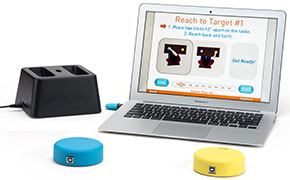
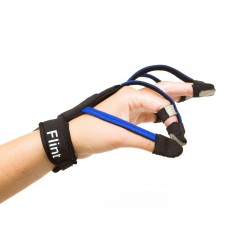
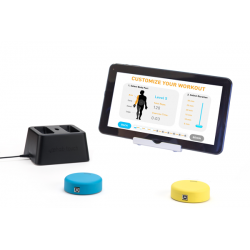
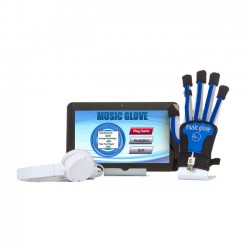
At TisaleHRehab, we specialize in innovative rehabilitation products designed specifically to support neuroplasticity for stroke survivors. Our high-tech therapy kits, including FitMi and MusicGlove, transform physical and hand therapy into motivating, music-based exercises perfect for home or clinical use. These easy-to-use devices encourage repeated, task-specific movement which is proven to enhance neural plasticity and speed up recovery.

Take control of your rehabilitation today with solutions tailored to your brain’s healing potential. Explore our full range of clinically proven tools to experience engaging, effective therapy that complements the neuroplastic principles discussed in this article. Visit Tisale Rehab to find your personalized recovery plan and start making progress now.
Frequently Asked Questions
What is neuroplasticity and how does it relate to stroke recovery?
Neuroplasticity is the brain’s ability to reorganize and rewire itself by forming new connections and pathways. In stroke recovery, neuroplasticity enables the brain to adapt and compensate for damaged areas, leading to improved motor functions and cognitive abilities through targeted rehabilitation.
What are some common myths about neuroplasticity that affect stroke recovery?
Common myths include the belief that brain recovery stops after a certain age, that damaged neural connections cannot be repaired, and that only young brains can successfully rewire themselves. Understanding the truth about neuroplasticity is crucial for effective stroke rehabilitation.
What types of therapies can harness neuroplasticity for stroke recovery?
Various therapies harness neuroplasticity, including physical therapy, occupational therapy, speech therapy, and cognitive rehabilitation. Advanced methods like electrical stimulation and non-invasive brain stimulation techniques, such as repetitive transcranial magnetic stimulation (rTMS), also support recovery by encouraging neural reorganization.
How can patients enhance their neuroplasticity during rehabilitation?
Patients can enhance neuroplasticity by engaging in consistent and targeted rehabilitation exercises that challenge the brain. Incorporating varied, engaging activities and innovative tools like virtual reality systems and robotic devices can also optimize recovery potential.
Recommended
38
Get inspired by a stroke recovery story

Home rehabilitation at full speed.
My husband suffered a severe stroke on August 19, 2020, which paralyzed him on the right side. Thanks to FitMi he has made huge progress since then. He still has no strength in his right arm, but now he can walk with a cane, his speech has improved significantly, and he is fighting and rehabilitating at full speed. We are very happy that we bought this FitMi kit for him, so he can continue his training and exercises at home. We are encouraged by this program and the positive reviews we read from others who used it. Thank God we found this kit and thank you for your support. It is a wonderful program.
Kate (08.09.2020)