Rehabilitation Workflow for Patients: Effective Therapy Guide
Stroke recovery in a busy clinical setting often leaves therapists searching for new ways to truly motivate and connect with patients. Personalized, tech-forward strategies now make it possible to shape therapy around each individual’s goals and unique challenges, as highlighted by global research. This guide covers how to combine collaborative goal-setting frameworks with advanced technology to enhance engagement and track progress, helping therapists deliver measurable improvements for every stroke survivor.
This guide provides practical workflow steps to create effective, patient-centred rehabilitation plans and integrate technology without losing the therapeutic relationship.
Table of Contents
- Step 1: Assess Patient Needs And Set Goals
- Step 2: Select Appropriate Tech-Based Rehabilitation Tools
- Step 3: Establish A Customized Therapy Schedule
- Step 4: Monitor Progress And Adjust Interventions
- Step 5: Verify Outcomes And Document Results
Quick Summary
| Key Point | Explanation |
|---|---|
| 1. Assess patient needs collaboratively | Engaging patients in a comprehensive assessment ensures goals reflect their motivations and realities. |
| 2. Select appropriate rehabilitation technology | Matching tech tools to patient needs enhances recovery outcomes through personalized support. |
| 3. Establish a dynamic therapy schedule | Flexibility in scheduling allows adaptation to patients’ progress and ongoing needs in therapy. |
| 4. Continuously monitor progress | Regular evaluations and adjustments are essential for tailoring rehabilitation strategies effectively. |
| 5. Document outcomes systematically | Accurate records of progress and results validate effectiveness and inform future rehabilitation. |
Step 1: Assess patient needs and set goals
In rehabilitation therapy, effectively assessing patient needs and setting meaningful goals is crucial for successful recovery. This process requires a strategic, collaborative approach that integrates the patient’s personal motivations and unique circumstances.
Begin by conducting a comprehensive patient-centered goal assessment that explores the patient’s intrinsic motivations, current functional limitations, and long-term rehabilitation objectives.
This initial evaluation should involve:
- Conducting a detailed medical history review
- Performing standardized functional assessments
- Discussing the patient’s personal recovery expectations
- Identifying specific challenges and limitations
Next, develop a collaborative goal-setting framework that aligns patient preferences with clinical recommendations. The READ Model recommends integrating client preferences, family support, and environmental factors to create a comprehensive rehabilitation strategy.
Patient engagement increases dramatically when goals are personalized and meaningful to their individual recovery journey.
Ensure that goals are specific, measurable, achievable, relevant, and time-bound (SMART). Break down larger rehabilitation objectives into smaller, incremental milestones that provide consistent motivation and track progress effectively.

Pro tip: Regularly review and adjust rehabilitation goals with the patient to maintain motivation and adapt to their evolving recovery progress.
Step 2: Select appropriate tech-based rehabilitation tools
Choosing the right technological tools can dramatically transform rehabilitation outcomes by providing personalized, data-driven support for patient recovery. Understanding how to match innovative technologies with specific patient needs is crucial for effective therapy.
These technological solutions typically include:
- Wearable motion sensors
- Robotic rehabilitation devices
- Virtual reality training platforms
- AI-powered assessment tools
- Interactive therapy equipment
Carefully evaluate each potential tool by considering key factors such as patient-specific requirements, functional limitations, and rehabilitation goals. The selection process should involve analyzing the technology’s:
- Compatibility with patient’s current mobility level
- Ease of use and user interface
- Data tracking and reporting capabilities
- Integration potential with existing clinical workflows
Technology selection is not about finding the most advanced tool, but the most appropriate solution for each unique patient journey.
Consider assistive technology frameworks that guide technological implementation, focusing on accessibility, clinical effectiveness, and patient engagement. Prioritize tools that offer real-time feedback and adaptable difficulty levels to maintain patient motivation.
Pro tip: Always conduct a brief trial or demonstration of rehabilitation technology before full implementation to ensure it genuinely meets the patient’s specific recovery needs.
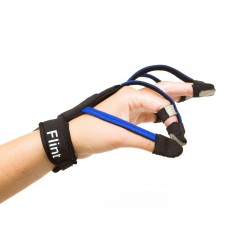
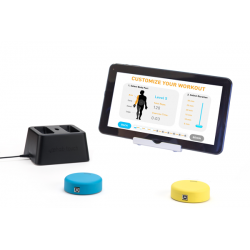
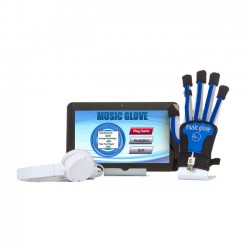
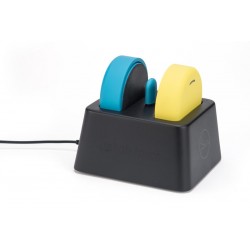
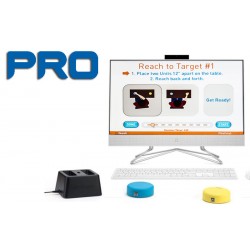

Here is a comparison of common tech-based rehabilitation tools and their primary use cases:
| Technology Type | Primary Benefit | Typical Use Case |
|---|---|---|
| Wearable motion sensors | Real-time feedback | Gait and posture correction |
| Robotic rehabilitation | Precise repetition | Intensive motor skill recovery |
| Virtual reality platforms | Immersive engagement | Cognitive and physical retraining |
| AI-powered tools | Adaptive assessment | Progress evaluation and tracking |
| Interactive equipment | Patient motivation | Home-based exercise adherence |
Step 3: Establish a customized therapy schedule
Creating an effective rehabilitation schedule requires careful planning and personalization to maximize patient recovery and optimize clinical resources. Your therapy schedule must balance patient needs, therapist availability, and treatment progression.
The scheduling process should consider multiple critical factors:
- Patient’s current functional status
- Recovery goals and milestones
- Recommended therapy frequency
- Individual energy levels and fatigue management
- Available clinical resources
Develop a dynamic scheduling framework that allows for periodic reassessment and adjustment. This approach ensures the therapy plan remains responsive to the patient’s changing needs and progress. Key considerations include:
- Consistent therapy session timing
- Appropriate rest and recovery periods
- Gradual intensity progression
- Flexibility for unexpected challenges
An ideal rehabilitation schedule is a living document, continuously adapting to the patient’s evolving recovery journey.
Implement treatment scheduling algorithms that minimize patient waiting time and balance therapeutic resources. These advanced approaches help create personalized schedules that accommodate both clinical requirements and individual patient needs.
Pro tip: Integrate digital scheduling tools that allow real-time modifications and provide automated reminders to improve therapy adherence and patient engagement.
Step 4: Monitor progress and adjust interventions
Effective rehabilitation requires continuous assessment and strategic adaptation of therapeutic approaches. Your goal is to create a dynamic, responsive treatment strategy that evolves with the patient’s recovery trajectory.
Key monitoring strategies include:
- Regular functional assessments
- Quantitative performance measurements
- Patient self-reported progress
- Objective movement tracking
- Psychological and emotional well-being evaluations
Develop a systematic tracking methodology that captures both objective and subjective rehabilitation indicators. This holistic approach ensures a nuanced understanding of the patient’s progression across multiple dimensions of recovery.
Progress is not linear. Rehabilitation is a complex journey requiring constant recalibration and compassionate guidance.
Leverage advanced real-time monitoring technologies that provide precise exercise execution analysis. These innovative tools enable clinicians to:
- Detect subtle movement deviations
- Identify potential compensatory strategies
- Adjust therapeutic interventions promptly
- Optimize exercise performance
- Minimize injury risks
Remember that intervention adjustment is an ongoing process. Be prepared to modify treatment plans based on consistent, data-driven insights while maintaining open communication with the patient.

Pro tip: Schedule monthly comprehensive review sessions that integrate quantitative data with patient feedback to ensure a truly personalized rehabilitation experience.
Step 5: Verify outcomes and document results
The final stage of rehabilitation involves comprehensive outcome verification and meticulous documentation to validate the effectiveness of the therapeutic intervention. Your goal is to create a clear, objective record of the patient’s recovery journey.
Critical documentation components include:
- Baseline functional assessments
- Comparative performance metrics
- Quantitative movement analysis
- Patient-reported outcome indicators
- Functional independence measurements
Develop a comprehensive documentation framework that captures both objective clinical data and subjective patient experiences. This approach provides a holistic view of rehabilitation effectiveness and patient transformation.
Accurate documentation transforms individual patient experiences into valuable clinical insights that can improve future rehabilitation strategies.
Implement systematic evaluation protocols that ensure consistent and reliable outcome tracking. These protocols should:
- Standardize assessment procedures
- Minimize documentation bias
- Enable longitudinal progress tracking
- Support evidence-based decision making
- Facilitate continuous quality improvement
Ensure that all documentation is precise, objective, and follows established clinical documentation standards. Consider using digital tools that streamline the recording process and provide real-time analytical capabilities.
Pro tip: Create a templated documentation system with predefined fields to ensure consistency and reduce administrative burden while capturing all critical rehabilitation outcome information.

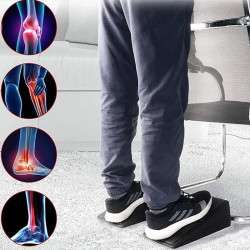
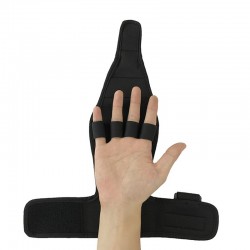

Below is a summary of outcome measurement techniques and the value they add to the rehabilitation process:
| Measurement Technique | What It Assesses | Rehabilitation Value |
|---|---|---|
| Baseline functional tests | Initial patient capacity | Identifies starting point |
| Quantitative movement metrics | Objective progress data | Tracks improvement over time |
| Patient-reported outcomes | Subjective recovery insights | Captures quality of life changes |
| Functional independence scores | Daily living capabilities | Measures real-world performance |
| Comparative performance data | Change from baseline | Validates intervention efficacy |
Elevate Your Rehabilitation Journey with Targeted Therapy Solutions
Effective therapy starts with a clear understanding of patient needs and the right tools to support recovery. This guide highlights the challenges of setting personalized goals, selecting appropriate tech-based rehabilitation tools, and continuously monitoring progress to ensure meaningful improvements. If you or someone you care for is navigating neurological recovery from stroke or cerebral palsy, finding engaging, easy-to-use therapy equipment can transform motivation and outcomes.
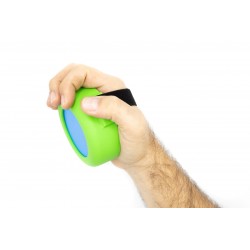
At TISALE Rehab, we specialize in innovative rehab products like the FitMi and the MusicGlove that are designed to complement the tailored therapy approaches discussed in the article. These user-friendly, music-based systems fuse technology with clinical insights to help patients achieve incremental milestones while making therapy enjoyable whether at home or in the clinic. Our solutions provide real-time feedback and adaptable exercises perfectly suited to meet specific recovery goals.
Looking to integrate advanced therapy tools that align with your personalized rehabilitation workflow?

Discover how you can enhance patient engagement and track recovery progress more effectively with technology backed by neuroscience and clinical research. Visit TISALE Rehab now to explore our range of high-tech therapy kits, detailed product descriptions, and bundled offers designed to support every step of your rehabilitation journey. Start transforming therapy challenges into milestones today.
Frequently Asked Questions
What are the initial steps to assess patient needs in rehabilitation?
Begin by conducting a comprehensive patient-centered goal assessment. Review the medical history, perform functional assessments, and discuss personal recovery expectations to tailor the therapy effectively.
How can I select the right technology for rehabilitation?
Evaluate advanced rehabilitation technologies based on the patient’s specific needs and functional limitations. Consider factors such as compatibility, ease of use, and available data tracking capabilities to match the technology with the patient’s recovery goals.
What should a customized therapy schedule include?
A customized therapy schedule should include therapy frequency, gradual intensity progression, and rest periods tailored to the patient’s energy levels. Regularly reassess and adjust the schedule to maintain alignment with the patient’s evolving recovery needs.
How can I monitor progress effectively during rehabilitation?
Utilize a systematic tracking methodology that includes both objective measures and patient self-reports. Conduct regular functional assessments and use real-time monitoring technologies to adjust interventions based on the patient’s progress.
What are key practices for verifying outcomes in rehabilitation?
To verify outcomes, implement standardized outcome measurement techniques that assess baseline performance and track changes throughout the therapy process. Ensure accurate documentation of both clinical data and patient experiences to validate the effectiveness of interventions.
How often should I review rehabilitation goals with a patient?
Regularly review and adjust rehabilitation goals at least every month to ensure they remain relevant and motivating. This adaptive approach helps keep the patient engaged and allows for timely modifications as their progress evolves.
Recommended
- Rehab for Chronic Conditions: Tech Solutions That Work
- Role of Home Rehabilitation – Transforming Stroke Recovery
- 7 Essential Rehab Tips for Clinicians to Boost Outcomes
- Why Home Rehabilitation Matters for Stroke Patients
- Master Rehab Drug Screening Workflow for Facilities
- A Gentle Guide to Trauma-Informed CBT Healing
38
Get inspired by a stroke recovery story

Home rehabilitation at full speed.
My husband suffered a severe stroke on August 19, 2020, which paralyzed him on the right side. Thanks to FitMi he has made huge progress since then. He still has no strength in his right arm, but now he can walk with a cane, his speech has improved significantly, and he is fighting and rehabilitating at full speed. We are very happy that we bought this FitMi kit for him, so he can continue his training and exercises at home. We are encouraged by this program and the positive reviews we read from others who used it. Thank God we found this kit and thank you for your support. It is a wonderful program.
Kate (08.09.2020)