How rehab improves mobility: 67% stroke survivors succeed
Many stroke survivors mistakenly believe recovery plateaus within months, but science shows otherwise. Functional improvements can continue for months to years with consistent rehabilitation practice, driven by your brain’s remarkable ability to rewire itself through neuroplasticity. This guide explains how rehabilitation enhances mobility and introduces innovative home tools that extend therapy beyond clinical walls, empowering you to reclaim independence on your terms.
Table of Contents
- Context: Stroke And Mobility Impairments
- The Science Behind Rehabilitation And Neuroplasticity
- How Rehabilitation Exercises Improve Mobility
- Innovative Rehabilitation Technologies For Home Use
- Home-Based Rehabilitation: Convenience Meets Effectiveness
- Common Misconceptions About Rehabilitation And Mobility
- Bridging Understanding To Practical Application
- Explore Innovative Rehab Solutions At Tisale Rehab
- Frequently Asked Questions
Key takeaways
| Point | Details |
|---|---|
| Neuroplasticity drives recovery | Rehabilitation promotes brain rewiring that restores motor functions after stroke injury. |
| Repetition matters most | Focused, task-specific exercises repeated consistently unlock skill recovery and independence. |
| Home rehab expands access | Innovative tools and home programs deliver effective therapy beyond limited clinical sessions. |
| Recovery continues for years | Improvements persist far beyond initial months, countering common misconceptions about plateaus. |
| Combine approaches strategically | Integrating clinical guidance with daily home practice optimizes long-term mobility outcomes. |
 Context: stroke and mobility impairments
Approximately 800,000 strokes occur yearly in the U.S. with two-thirds survivors needing rehabilitation, making this condition a leading cause of adult disability. The sudden interruption of blood flow to brain tissue damages neural circuits controlling movement, balance, and coordination. These impairments transform simple tasks like walking to the kitchen or buttoning a shirt into exhausting challenges that steal independence and dignity.
Rehabilitation becomes your primary tool for reclaiming lost abilities. The process targets specific motor deficits through structured exercises that retrain your nervous system. Yet accessing consistent therapy poses significant barriers. Many survivors face these common obstacles:
- Insurance coverage limits clinic visits to just weeks or months
- Geographic distance from specialized rehab centers restricts rural patients
- Financial constraints prevent ongoing professional therapy sessions
- Physical fatigue makes frequent travel to clinics impractical
- Waitlists delay access to therapy when brain plasticity peaks
These access gaps create an urgent need for effective home-based solutions. Understanding how rehabilitation works at the neurological level helps you make informed decisions about recovery strategies. The science reveals why certain approaches succeed while others waste precious time and energy.
The science behind rehabilitation and neuroplasticity
The brain can rewire circuits after stroke, allowing functional recovery over months to years through neuroplasticity, the nervous system’s ability to reorganize neural pathways in response to experience. When stroke destroys specific brain regions, surrounding healthy tissue can assume new roles through focused training. This biological flexibility forms the foundation of all successful rehabilitation.

Think of your brain as a city with damaged highways after an earthquake. Neuroplasticity builds new routes around the wreckage, creating alternative pathways for signals traveling from brain to muscle. The construction requires deliberate effort. Focused, repetitive task-specific practice enhances neuroplasticity and improves upper extremity motor function after stroke, as demonstrated in clinical trials measuring measurable gains in strength and coordination.
The process demands consistency and intensity. Sporadic practice yields minimal results, while concentrated daily sessions trigger robust neural reorganization. Research from the TASSRET trial demonstrating neuroplasticity effects confirms that structured home programs produce outcomes comparable to clinical therapy when patients maintain disciplined practice schedules.
“The brain’s capacity for reorganization persists far longer than previously believed, with patients showing continued functional gains years after initial injury when provided appropriate therapeutic stimulation.”
This discovery transforms recovery from a race against time into a marathon requiring sustained commitment. Your nervous system remains responsive to training decades after stroke, provided you supply the right stimulus. Understanding this principle prevents premature abandonment of rehabilitation efforts. For detailed neuroplasticity insights exploring specific mechanisms, recent neuroscience research reveals exactly which training parameters maximize brain rewiring.
How rehabilitation exercises improve mobility
Repetitive practice in rehabilitation mimics skill-learning processes essential for regaining lost skills and improving independence, following the same biological principles your brain used when first learning to walk as a toddler. Each repetition strengthens specific neural connections while pruning unused pathways. The selectivity matters because unfocused movement patterns reinforce compensation strategies rather than restoring proper motor control.
Task-specific training targets exact movements you need for daily life. If reaching overhead to retrieve dishes challenges you, rehabilitation focuses on that precise motion rather than generic arm exercises. This specificity accelerates functional recovery by directing neuroplasticity toward practical skills. The intensity and frequency of practice determine how quickly new neural pathways solidify.
Effective rehabilitation programs incorporate these elements:
- Progressive difficulty that challenges without overwhelming current abilities
- Immediate feedback showing whether movements achieve intended targets
- High repetition counts exceeding hundreds of movements per session
- Varied contexts preventing rote memorization without true skill mastery
- Engagement strategies maintaining motivation through monotonous repetitions
Consistency matters more than individual session duration. Thirty minutes daily outperforms sporadic two-hour sessions because neuroplasticity responds to sustained signals over time. Your brain interprets regular practice as evidence that specific skills deserve permanent neural real estate.

Pro Tip: Track daily repetitions in a simple notebook to maintain accountability and visualize progress during inevitable plateaus when improvements feel invisible.
Incorporating variety prevents adaptation where exercises become too easy to stimulate further growth. The challenge level must increase as abilities improve, constantly pushing your nervous system to develop new solutions. This progressive overload principle applies equally to physical rehabilitation and strength training. Check examples of effective rehab exercises for specific movement patterns targeting common post-stroke impairments. The rehabilitation exercise science at NIH provides additional evidence supporting these training principles.
Innovative rehabilitation technologies for home use
Emerging neurotechnology expands what home rehabilitation can achieve beyond traditional exercises alone. Electrical spinal cord stimulation combined with therapy can immediately improve arm and hand strength, range of motion, and fine motor tasks, offering hope for patients who plateaued with conventional approaches. The intervention delivers targeted electrical pulses that amplify signals between brain and muscles, effectively boosting the volume of commands your nervous system sends.
The technology works by temporarily enhancing neural excitability in spinal circuits controlling limb movement. Think of it as turning up the gain on a weak radio signal. Spinal cord stimulation benefits may persist for several weeks after device removal, suggesting the intervention triggers lasting neuroplastic changes rather than providing purely temporary assistance.
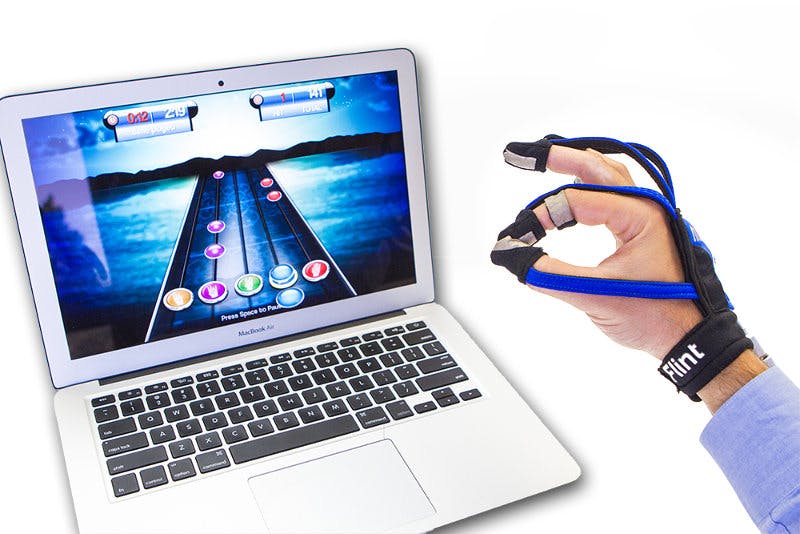
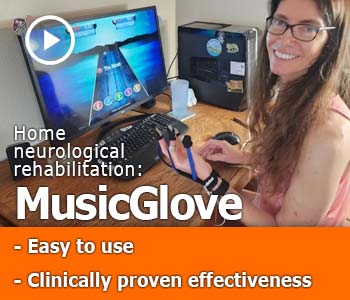
Interactive devices like MusicGlove transform tedious finger exercises into engaging activities that maintain motivation. The gamification increases practice duration because patients perceive the sessions as entertainment rather than medical drudgery. This psychological shift proves crucial for accumulating the thousands of repetitions required for meaningful recovery.
Key benefits of rehabilitation technology include:
- Objective measurement tracking progress invisible to subjective assessment
- Adaptive difficulty automatically adjusting to current performance levels
- Immediate feedback guiding movement corrections in real time
- Entertainment value extending practice sessions beyond typical fatigue limits
- Accessibility for patients unable to attend frequent clinic appointments
“Technology enables delivery of intensive, task-specific practice at home that would be cost-prohibitive in traditional clinical settings, democratizing access to high-quality rehabilitation.”
These innovations complement rather than replace human therapists. Professional guidance remains essential for designing appropriate programs and ensuring proper technique. However, technology dramatically increases practice opportunities between clinical visits. The NIH spinal cord stimulation study provides detailed protocols showing how stimulation integrates with conventional therapy. Understanding technology’s role in rehab outcomes helps you evaluate which devices merit investment for your specific impairments.
Home-based rehabilitation: convenience meets effectiveness
Home-based self-rehabilitation using video or manual tools improves mobility and quality of life, delivering outcomes that rival traditional clinic-based programs when patients maintain disciplined practice schedules. The convenience eliminates travel barriers while enabling therapy during peak energy windows rather than fixed appointment slots. This flexibility proves especially valuable for patients managing fatigue, a common post-stroke symptom that clinical schedules often ignore.
The effectiveness stems from increased practice volume rather than magic. Home programs allow daily sessions whereas clinic visits occur just two or three times weekly. The accumulated repetitions over months create superior neuroplastic stimulus despite less sophisticated equipment. Community access to therapy is limited outside hospital settings, making home rehab crucial for maintaining progress after discharge.
| Factor | Clinical Rehab | Home Rehab |
|---|---|---|
| Session frequency | 2 to 3 per week | Daily practice possible |
| Cost per month | $800 to $2400 | $50 to $200 equipment |
| Travel requirement | Yes, often significant | None, practice anywhere |
| Professional supervision | Direct therapist guidance | Periodic check-ins needed |
| Practice duration | 45 to 60 minutes | Flexible, multiple short sessions |
Home rehabilitation empowers you to take ownership of recovery rather than viewing yourself as a passive recipient of care. This psychological shift increases adherence because progress depends on your effort rather than appointment availability. The autonomy builds confidence that translates into greater willingness to attempt challenging daily activities.

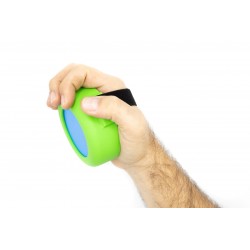
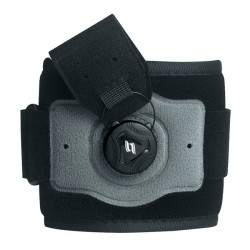

Effective home programs incorporate:
- Clear video demonstrations showing proper movement technique
- Written instructions with photos for reference during practice
- Progress tracking forms maintaining motivation through visible improvement
- Regular remote check-ins with therapists adjusting program difficulty
- Family education enabling caregivers to provide encouragement and safety
Pro Tip: Schedule home therapy sessions at the same time daily to build habit automaticity, making practice feel as routine as brushing teeth rather than a decision requiring willpower.
The model proves particularly vital for underserved populations lacking access to specialized rehabilitation centers. Rural communities often have no local neurological therapists, forcing patients to choose between prohibitive travel or abandoning structured recovery efforts. Home programs bridge this gap while delivering evidence-based interventions. Explore home rehabilitation benefits for detailed implementation strategies. The clinical trial on home rehab effectiveness documents specific protocols producing measurable functional gains.
Common misconceptions about rehabilitation and mobility
Myth: Recovery stops after six months. Recovery does not stop after initial months; neuroplasticity and improvements can continue for years with sustained rehabilitation effort. This misconception causes premature abandonment of therapy when progress actually remains possible. The confusion stems from insurance policies limiting coverage rather than biological reality. Your brain retains plasticity indefinitely, responding to training signals regardless of time since injury.
Myth: Home therapy cannot match clinical effectiveness. Structured home programs deliver comparable outcomes when patients maintain consistent practice, as multiple trials confirm. The setting matters less than exercise specificity and repetition volume. Clinical environments offer sophisticated equipment and professional supervision, but these advantages fade when session frequency drops to twice weekly. Daily home practice accumulates more productive repetitions monthly than infrequent clinic visits.
Myth: Technology replaces traditional therapy. Innovative devices supplement rather than substitute for foundational rehabilitation principles. Spinal stimulators and interactive gloves increase engagement and intensity, but proper movement patterns still require professional instruction. Technology amplifies effective therapy rather than circumventing the need for skilled guidance. The combination produces superior results compared to either approach alone.
Key truths patients should understand:
- Improvement requires ongoing effort; passive rest does not restore function
- Progress occurs in frustrating plateaus followed by sudden breakthroughs
- Compensation strategies differ from true recovery and limit long-term potential
- Motivation fluctuates naturally; systems and habits matter more than willpower
- Individual recovery timelines vary dramatically based on injury severity and genetics
Correct understanding prevents demoralization during inevitable plateaus. Recovery follows a sawtooth pattern rather than smooth linear progression. Weeks without visible change feel discouraging but often precede sudden breakthroughs as accumulated practice finally consolidates into new abilities. The NIH resource on stroke recovery myths addresses additional misconceptions with evidence-based clarifications.
 Bridging understanding to practical application
Translating rehabilitation science into daily practice requires strategic planning and realistic expectations. Start by consulting your healthcare team to identify specific motor deficits limiting independence. Prioritize movements directly impacting daily activities rather than pursuing generalized fitness. This focus ensures training translates into functional improvements you notice immediately.
Implement these evidence-based strategies:
- Schedule dedicated practice time protected from interruptions or competing demands
- Begin each session with brief warm-up movements preparing muscles and nervous system
- Focus on quality repetitions with proper technique rather than rushing through high counts
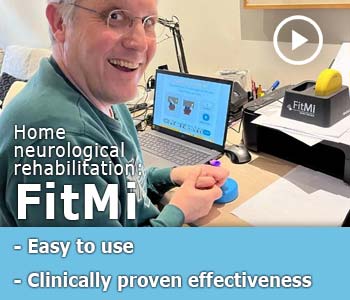
- Incorporate approved devices like FitMi or MusicGlove increasing engagement and feedback
- Track performance metrics weekly to maintain motivation during plateaus
- Gradually increase difficulty as current exercises become comfortable
- Cool down with gentle stretching preventing stiffness from intense practice
Consistency matters more than perfection. Missing occasional sessions causes minimal harm, but abandoning structured practice for weeks eliminates hard-won neuroplastic gains. Your nervous system interprets absence of training signals as evidence that specific skills no longer deserve neural resources. Regular practice, even brief sessions, maintains the gains while building toward new capabilities.
Pro Tip: Pair rehabilitation practice with existing daily routines like morning coffee or evening television to piggyback on established habits, dramatically improving long-term adherence.
Communicate regularly with therapists about home practice results. They can adjust program difficulty, correct developing bad habits, and celebrate progress that may feel insignificant to you but indicates meaningful recovery. Professional guidance ensures effort translates into functional improvement rather than reinforcing compensation patterns. Review the comprehensive stroke rehab exercise guide for detailed movement protocols. The effective rehab workflow tips provide scheduling strategies maximizing practice efficiency.
Explore innovative rehab solutions at Tisale Rehab
Tisale Rehab specializes in evidence-based home rehabilitation technology designed specifically for stroke and neurological recovery. Our flagship products integrate clinical research with engaging interfaces that transform tedious exercises into motivating activities. The FitMi home neurorehabilitation system delivers full-body therapy through gamified exercises targeting major motor impairments, while the MusicGlove hand rehabilitation device focuses specifically on finger dexterity through music-based activities.

These tools enable the intensive, task-specific practice that drives neuroplasticity without requiring constant therapist supervision. The technology adapts to your current abilities while providing objective feedback showing incremental progress invisible to subjective assessment. Explore our complete range of Tisale Rehab rehabilitation kits to find solutions matching your specific recovery goals and budget constraints.
Frequently Asked Questions
How long does mobility improvement take after a stroke?
Mobility improvements can occur over months to years with consistent rehabilitation practice, not just the initial recovery period. Neuroplasticity supports long-term functional gains far beyond the first six months when insurance coverage typically ends. Progress depends on injury severity, practice intensity, and individual factors like age and overall health. Persistent effort with adapted therapy optimizes outcomes, while innovative technology and structured home programs can accelerate functional recovery by increasing daily practice volume.
Can I use home rehabilitation tools without supervision?
Home tools work most effectively when integrated with guidance from licensed therapists who design appropriate programs. Initial professional assessment ensures exercises target your specific impairments rather than generic movements. Periodic check-ins allow therapists to adjust difficulty as abilities improve and correct technique issues before bad habits solidify. While daily practice occurs independently, maintaining regular professional oversight maximizes results and prevents injury from improper use.
Do innovative devices replace traditional therapy?
Devices like spinal cord stimulators and interactive gloves supplement but do not replace conventional rehabilitation. They increase engagement and practice intensity, improving outcomes when combined with professional guidance. Technology handles repetitive practice and objective measurement while therapists provide strategic program design, technique instruction, and motivational support. The optimal approach integrates both elements rather than choosing one over the other.
What if I don’t see quick improvement?
Recovery timelines vary dramatically between individuals, often requiring months to years for meaningful functional gains. Slow progress does not indicate therapy failure but rather reflects the gradual nature of neuroplastic reorganization. Sustained rehabilitation effort remains key to long-term mobility improvement even during frustrating plateaus when visible change stalls. Consistent practice builds cumulative benefits that suddenly manifest as breakthroughs after weeks of seemingly static performance.
Recommended
38
Get inspired by a stroke survival story


It's a very good "gaming" therapy.
I had a stroke 9 years ago and have tried many different therapies. I really like the gaming aspect offered by MusicGlove. I have only been using this kit for a month and I can already see some progress. It helps me a lot to stay motivated. It's really amazing...
In summary, I really like MusicGlove. MusicGlove.
Tomasz S. (04.03.2020)