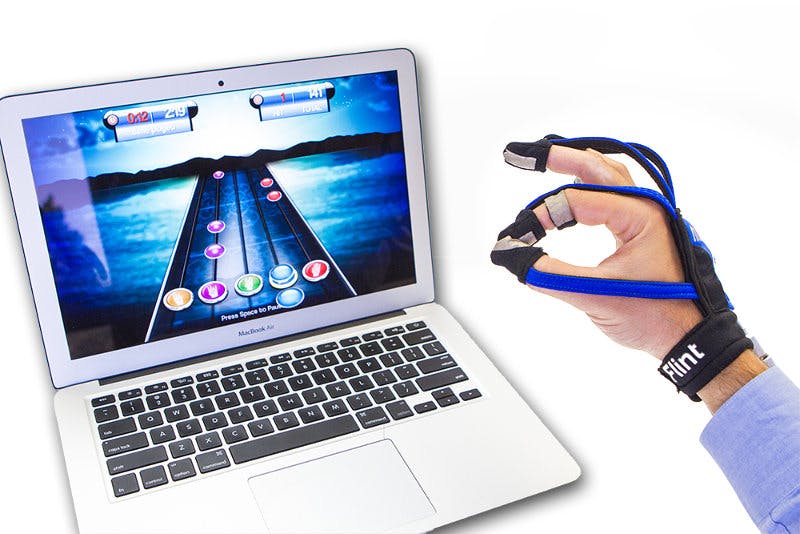
Rehabilitation Exercise Guide for Stroke Recovery Success
Faced with the daily challenge of supporting a loved one’s recovery after a stroke, caregivers often wonder how to make home rehabilitation both effective and motivating. Tailoring exercises and equipment to match specific needs can be overwhelming, especially as every stroke survivor’s journey is unique. By using innovative, user-friendly technology and creating a supportive environment, you can ensure consistent progress and more meaningful results for your loved one’s rehabilitation goals.
- Step 1: Assess Needs And Choose Suitable Rehab Equipment
- Step 2: Set Up Therapy Kit And Prepare Environment
- Step 3: Demonstrate Exercise Routines Using FitMi And MusicGlove
- Step 4: Monitor Progress And Adjust Exercise Intensity
- Step 5: Verify Improvements And Track Recovery Outcomes
Quick Summary
| Key Insight | Explanation |
|---|---|
| 1. Assess individual needs first | Conduct a thorough evaluation of motor function, cognition, and support systems to tailor rehabilitation equipment. |
| 2. Create a motivating rehab environment | Design a space with safety, accessibility, and minimal distractions to enhance the stroke survivor’s recovery experience. |
| 3. Use adaptive rehabilitation tools | Choose devices like FitMi and MusicGlove for engaging, personalized exercises that evolve with the patient’s progress. |
| 4. Monitor and document progress | Regularly track performance metrics, noting improvements to adjust exercise intensity and sustain motivation effectively. |
| 5. Verify outcomes with standardized assessments | Use recognized measures to evaluate various recovery dimensions, helping guide future rehabilitation strategies. |
Step 1: Assess needs and choose suitable rehab equipment
Choosing the right rehabilitation equipment is a critical step in stroke recovery that requires careful assessment of individual functional impairments and rehabilitation goals. Your journey begins with understanding the specific challenges your recovery demands.
To effectively select appropriate rehab tools, start by conducting a comprehensive evaluation of the stroke survivor’s current neurological status. Personalized rehabilitation plans are essential for targeted recovery. Consider these key assessment factors:
- Motor function capabilities and limitations
- Range of motion in affected limbs
- Cognitive processing and comprehension levels
- Psychological readiness for rehabilitation
- Available support system and home environment
Consult with healthcare professionals to obtain a detailed neurological assessment that will guide your equipment selection. Modern rehabilitation technologies offer adaptive solutions that can dynamically adjust to patient progress, ensuring continued engagement and improvement.
Select equipment that matches the patient’s current abilities while providing room for progressive challenge and skill development.
When evaluating potential rehabilitation tools, prioritize options that offer adjustable difficulty levels and provide interactive, motivating experiences. Look for devices that track progress, offer real-time feedback, and can be modified as recovery advances.
Pro tip: Involve the stroke survivor in equipment selection to enhance motivation and ensure their comfort and commitment to the rehabilitation process.

Step 2: Set up therapy kit and prepare environment
Preparing the right environment and organizing your therapy kit are crucial steps in creating an effective stroke rehabilitation space that supports consistent and engaging recovery. Your goal is to design a safe, motivating area that encourages regular practice and maximizes therapeutic potential.
Optimizing rehabilitation spaces requires thoughtful planning and strategic setup. Begin by identifying a dedicated area in your home that offers:
- Sufficient open floor space for movement
- Good natural lighting
- Stable, non-slip flooring
- Proximity to supportive furniture or mobility aids
- Minimal distractions
Ensure your therapy kit is strategically arranged with easy accessibility. Group rehabilitation tools by function and complexity, creating a logical progression that matches the stroke survivor’s current abilities. Place frequently used items within comfortable reaching distance, and organize assistive devices in a way that promotes independence and gradual skill building.
Create a rehabilitation environment that balances safety with opportunities for progressive challenge and skill development.
Pay special attention to equipment positioning. Arrange chairs, support bars, and mobility aids to facilitate safe transitions and encourage independent movement. Consider the stroke survivor’s specific physical limitations and adjust the setup accordingly, potentially consulting with a physical therapist for personalized recommendations.
Pro tip: Take periodic photographs of your therapy space to track environmental modifications and celebrate incremental improvements in setup and functionality.
Step 3: Demonstrate exercise routines using FitMi and MusicGlove
Successful stroke rehabilitation requires engaging, targeted exercise routines that challenge and motivate the stroke survivor. The FitMi and MusicGlove devices offer innovative approaches to rebuilding motor skills and hand functionality through interactive, game-like experiences.

Digital therapeutic devices support high-intensity, repetitive exercises crucial for neurological recovery. Begin by familiarizing yourself with the key features of each device:
Here’s a comparison of key digital rehab devices used in stroke recovery:
| Device | Primary Use | Feedback Type | Motivation Feature |
|---|---|---|---|
| FitMi | Full-body rehabilitation | Real-time movement | Adaptive, gamified routines |
| MusicGlove | Hand/finger exercises | Musical interaction | Engaging music challenges |
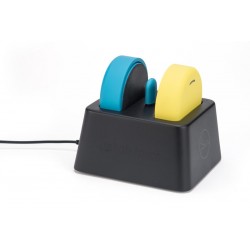
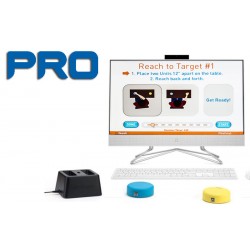
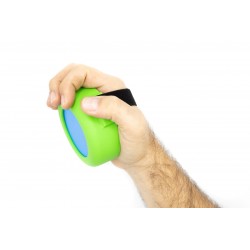
- FitMi: Full-body movement tracking system
- MusicGlove: Hand and finger rehabilitation tool
- Interactive screens that provide real-time feedback
- Gamified exercises that make rehabilitation engaging
- Adaptive difficulty levels matching patient progress
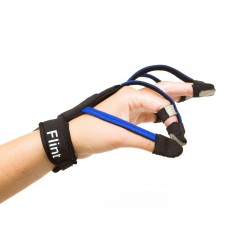
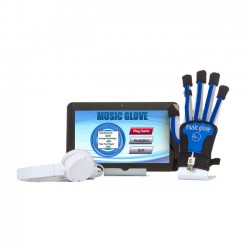
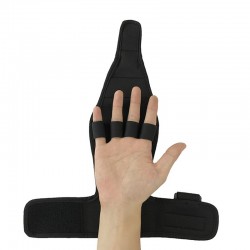
Start with the MusicGlove for hand rehabilitation exercises. The device uses musical interaction to guide finger movements, encouraging repetitive motions that help rebuild neural connections. Position the glove carefully, ensuring a comfortable fit that allows smooth movement without causing strain.
Consistency and proper technique are more important than intensity during rehabilitation exercises.
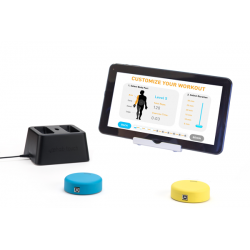
For full-body rehabilitation, transition to the FitMi system. Its adaptive technology tracks movements across different planes, creating personalized exercise routines that progressively challenge the stroke survivor. Pay close attention to form and movement quality, prioritizing controlled motions over speed.
Pro tip: Record short video clips of exercise sessions to track progress and share improvements with healthcare professionals.
Step 4: Monitor progress and adjust exercise intensity
Track your stroke recovery journey with consistent and strategic progress monitoring. Understanding how to accurately assess and adapt rehabilitation exercises ensures continued improvement and prevents potential plateaus in your recovery process.
Prognostic rehabilitation models recommend systematic approaches to tracking functional gains. Develop a comprehensive monitoring strategy that includes:
- Weekly performance tracking
- Detailed movement quality assessments
- Range of motion measurements
- Fatigue and energy level documentation
- Comparative analysis of exercise performance
Implement objective measurement techniques to quantify your progress. Use standardized functional assessment scales that healthcare professionals recognize, documenting subtle improvements in motor control, coordination, and muscle strength. Pay close attention to both quantitative metrics and qualitative changes in movement patterns.
Small, consistent improvements are more meaningful than sporadic, intense achievements.
Adjust exercise intensity dynamically based on your observed progress. Gradually increase difficulty when movements become more controlled and fluid, but remain attentive to signs of fatigue or potential overexertion. Consult with your rehabilitation specialist to validate your progression strategy and ensure safe, effective advancement.
Pro tip: Create a visual progress journal with photographs and video recordings to help motivate yourself and provide concrete evidence of your rehabilitation journey.
Step 5: Verify improvements and track recovery outcomes
Verifying rehabilitation progress requires systematic documentation and comprehensive analysis of your stroke recovery journey. Understanding how to effectively evaluate your improvements helps maintain motivation and provides critical insights for ongoing treatment strategies.
Comprehensive outcome tracking involves assessing multiple recovery dimensions. Develop a multifaceted approach to documenting your rehabilitation progress by focusing on these key areas:
- Physical functional capabilities
- Motor skill refinement
- Cognitive processing improvements
- Emotional and psychological adaptation
- Overall quality of life metrics
Implement standardized assessment tools that healthcare professionals recognize. These might include clinical scales, functional independence measures, and specialized neurological evaluation instruments. Document your progress with quantitative measurements, capturing nuanced improvements in mobility, strength, coordination, and sensory processing.
This table summarizes common outcome measures used to verify rehabilitation progress:
| Outcome Area | Example Measure | What It Assesses |
|---|---|---|
| Physical function | Functional Independence Measure | Ability to perform daily tasks |
| Motor skill refinement | Nine-Hole Peg Test | Fine hand coordination |
| Cognitive processing | Montreal Cognitive Assessment | Memory and attention levels |
| Emotional adaptation | Beck Depression Inventory | Emotional well-being |
Small, consistent documentation reveals the true trajectory of neurological recovery.
Collaborate closely with your rehabilitation team to interpret assessment results. Review your progress periodically, identifying patterns of improvement and potential areas requiring additional targeted intervention. Remember that recovery is a nonlinear process with unique challenges for each stroke survivor.
Pro tip: Create a digital recovery portfolio with organized medical records, assessment results, and personal progress notes to facilitate transparent communication with healthcare providers.


Empower Your Stroke Recovery with Proven Rehab Technology
Stroke recovery presents unique challenges including motor impairments, limited range of motion, and the need for engaging, adaptive therapy tools. This article highlights key pain points such as maintaining motivation, tracking progress effectively, and selecting rehab equipment that grows with your abilities. Concepts like interactive feedback, consistent progress monitoring, and personalized exercise routines are essential for restoring physical function and cognitive engagement.
At Tisalehab.com, we understand these challenges and offer innovative solutions like the FitMi and MusicGlove therapy kits that transform rehabilitation into an enjoyable, music-based experience. These devices provide adaptive difficulty levels and real-time feedback to keep you inspired while rebuilding neural pathways efficiently. Our product catalog features detailed descriptions and bundled packages that make starting your home rehab journey straightforward and effective.
Explore our stroke rehabilitation resources designed to support you and your caregivers with clinically proven tools.
Unlock your potential and stay motivated with technology tailored to your recovery needs.
Are you ready to take the next step in stroke recovery with user-friendly, engaging rehab equipment?

Discover how the FitMi and MusicGlove can accelerate your progress at Tisalehab.com today and transform rehabilitation into a manageable and motivating part of your daily routine.
Frequently Asked Questions
What equipment do I need for stroke rehabilitation exercises?
To start stroke rehabilitation, gather equipment that supports motor functions and allows for progressive challenges. Common tools include resistance bands, stability balls, or digital devices that track movements. Assess your needs and choose devices that align with your rehabilitation goals and current physical abilities.
How can I set up my therapy space for best results?
Create a safe and engaging therapy space by selecting an open area with stable flooring, good lighting, and minimal distractions. Ensure that frequently used equipment is easily accessible to promote independence and consistency in practice. Adjust your setup periodically to maintain motivation and meet changing abilities.
What types of exercises should I focus on during stroke recovery?
Focus on exercises that improve motor skills, coordination, and flexibility. Begin with simple tasks, like movements guided by FitMi or MusicGlove, and gradually increase their complexity as your abilities improve. Aim for at least 30 minutes of exercise daily, breaking it into short sessions throughout the day if necessary.
How often should I track my progress in stroke rehabilitation?
You should track your progress weekly to monitor improvements in movement quality, range of motion, and muscle strength. Use objective measures, such as standardized assessments, to capture even small gains. This systematic tracking helps adjust your rehabilitation plan and motivates continued efforts.
How do I verify my improvements during stroke recovery?
Verify your improvements by documenting multiple aspects of recovery, including physical function, motor skills, and cognitive processing. Utilize standardized assessment tools and create a visual progress journal to illustrate changes over time. Regularly review these results with your rehabilitation team for personalized feedback and support.
What should I do if I encounter a plateau in my recovery progress?
If you experience a plateau in your recovery, re-evaluate your exercise routine and adjust the intensity or type of activities. Consult with your healthcare provider to explore different techniques or tools that might better suit your current abilities and goals. Introduce new challenges to reignite motivation and progress.
Recommended
38
Get inspired by a stroke survival story


It's a very good "gaming" therapy.
I had a stroke 9 years ago and have tried many different therapies. I really like the gaming aspect offered by MusicGlove. I have only been using this kit for a month and I can already see some progress. It helps me a lot to stay motivated. It's really amazing...
In summary, I really like MusicGlove. MusicGlove.
Tomasz S. (04.03.2020)