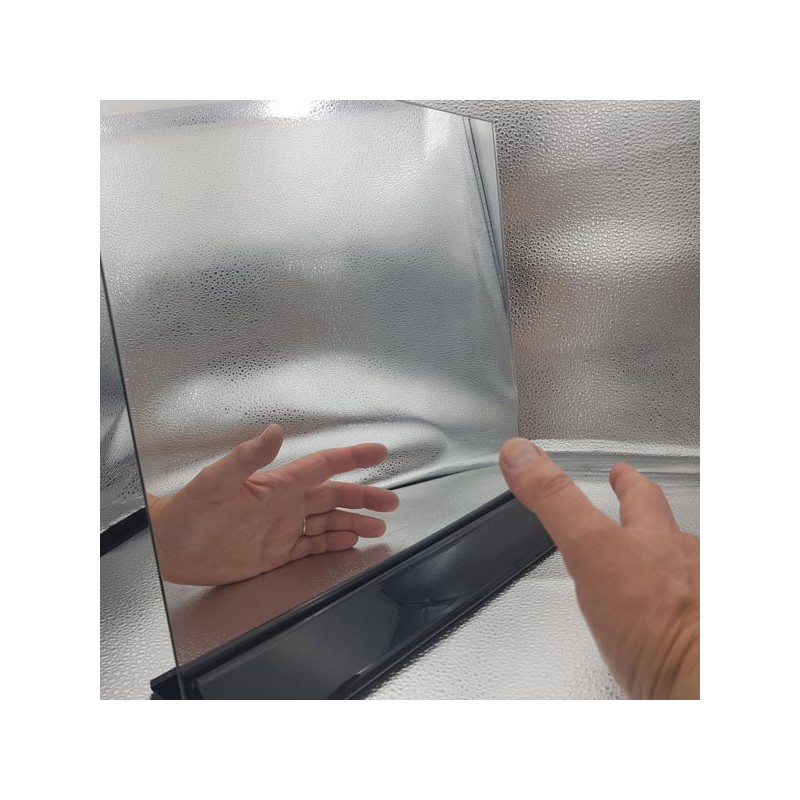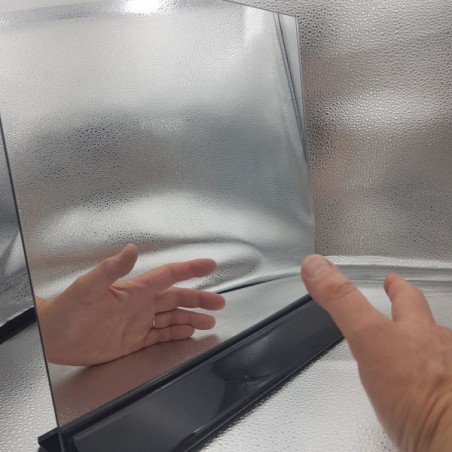


Mirror Therapy, also known as Mirror Box Therapy, is a rehabilitative approach that uses a mirror to create the illusion of movement of the healthy limb in place of the affected or amputated limb. In this therapy, the patient observes the healthy limb reflected in the mirror, which causes the brain to perceive signals as if the impaired limb is moving. This technique is based on the principle that visual feedback can stimulate motor neurons in the brain, contributing to improved motor function and pain reduction.
The efficacy of mirror therapy is grounded in the function of mirror neurons, which are activated both during the execution of movement and when observing movement performed by another individual. When the patient watches the healthy limb moving, mirror neurons in the brain are stimulated, potentially leading to activation and strengthening of neural pathways associated with the movement of the impaired limb. This neural activation can facilitate motor function recovery and alleviate pain sensations.
Mirror therapy is particularly beneficial for post-stroke patients who often experience limitations in mobility and muscle control. By simulating the movement of the healthy limb, patients can "trick" the brain into activating the same brain regions responsible for moving the affected limb. Regular practice may improve coordination, increase range of motion, and reduce pain, which are critical factors in the recovery process after stroke.
Outcomes:
Mirror therapy is utilized in both clinical and home environments. In rehabilitation centers, it can be part of a comprehensive treatment program including physiotherapy, occupational therapy, and other supportive interventions. Moreover, the simple design of the mirror allows patients to continue therapy at home, which is essential for maintaining exercise regularity and treatment continuity. It is highly effective in treating motor and coordination disorders such as ataxia, hemiplegia, and dystonia.
It can also aid in improving balance, visuomotor coordination, and motor functions.
During mirror therapy, patients can practice movements such as walking, running, and moving their arms and legs, as well as specialized exercises targeting specific motor impairments. Therapy is individually tailored and can be performed in various positions, including standing, sitting, or lying down.
The mirror in mirror therapy serves not only as a reflective surface but as a tool enabling patients to visually experience movement of their impaired limb, even if it is physically immobile. This visual illusion is crucial for stimulating the brain and eliciting neurological responses that may lead to improved motor function and pain relief. This application leverages neuroplasticity—the brain's ability to change and adapt—which underpins the therapy's effectiveness.
Mirror box therapy is based on the phenomenon that our brain can respond to and process movements we observe on our body (e.g., limb movements). When a patient moves one side of the body, the therapist displays the mirror image of the healthy limb instead of the paretic one, allowing the patient to observe and replicate the movement. This process stimulates the brain to attempt activating muscles in the affected limb. This method facilitates brain retraining—exercising and strengthening brain areas and muscles weakened by stroke.
Lift and lower the finger (start with the index finger).
Perform 2–3 sets of 5 minutes each.
Lift and lower the entire hand.
Perform 2–3 sets of 4 minutes each.
Remember to observe the hand in the mirror during the exercise.
Place the hand flat on a surface.
Spread the fingers as wide as possible, then bring them back together.
Perform 2–3 sets of 3 minutes each.
Attempt to rotate the hand along with the forearm.
Perform 2–3 sets of 5 minutes each.
Remember to observe the hand in the mirror during the exercise.
You might also like