Motor Rehab: Improving Movement After Stroke
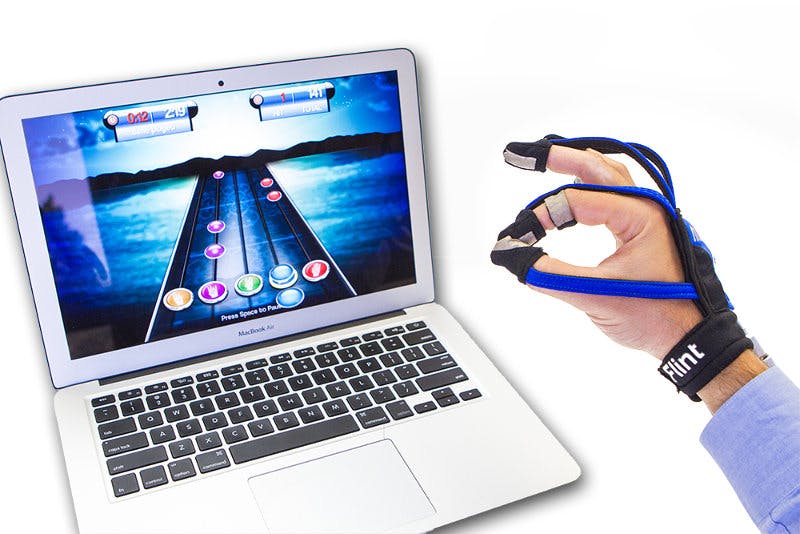
Supporting a loved one after a stroke brings daily challenges, especially when restoring movement feels uncertain. Caregivers worldwide know how hard it can be to find strategies that truly help stroke survivors regain independence. Exploring the possibilities of motor rehabilitation at home opens new hope, as innovative devices like FitMi and MusicGlove offer engaging ways to rebuild strength and confidence right where recovery matters most.
Table of Contents
- Motor Rehab Definition And Key Concepts
- Types Of Motor Rehab Therapies Available
- How Motor Rehab Restores Function Over Time
- Innovative Devices For Home Rehabilitation
- Risks, Limitations, And Common Challenges
Key Takeaways
| Point | Details |
|---|---|
| Motor Rehabilitation Importance | Motor rehab enhances recovery by focusing on regaining movement and independence after neurological injuries like stroke. |
| Personalized Treatment Plans | A multidisciplinary team develops customized strategies to address individual motor challenges and boost recovery efficacy. |
| Role of Neuroplasticity | Rehabilitation leverages the brain’s ability to reorganize and form new connections, critical for restoring function over time. |
| Balancing Challenges | Patients face various obstacles including emotional and cognitive barriers; open communication with healthcare teams is vital for tailored support. |
Motor rehab definition and key concepts
Motor rehabilitation, or motor rehab, is a specialized therapeutic approach designed to restore movement and function after neurological injuries like stroke. Physiatry focuses on maximizing independence through comprehensive treatment strategies that help patients regain motor skills and improve daily living capabilities.
At its core, motor rehab involves systematic interventions targeting specific movement challenges caused by neurological conditions. The primary goals include:
- Restoring muscle strength and coordination
- Retraining neural pathways for movement
- Improving fine and gross motor skills
- Enhancing overall functional independence
- Reducing movement-related limitations
Unlike traditional medical approaches that focus solely on treating underlying conditions, rehabilitation helps individuals regain abilities necessary for independent living. This patient-centered strategy involves a multidisciplinary team of healthcare professionals who develop personalized treatment plans addressing individual motor function challenges.
The rehabilitation process typically incorporates various therapeutic techniques such as physical therapy, occupational therapy, and specialized exercise programs designed to retrain the brain’s motor control mechanisms. These interventions work by leveraging neuroplasticity - the brain’s remarkable ability to reorganize and form new neural connections in response to targeted rehabilitation efforts.
Motor rehabilitation is not about complete restoration, but about maximizing functional potential and improving quality of life.
Pro tip: Start motor rehabilitation as early as possible after injury to maximize neural recovery and improve long-term functional outcomes.
Types of motor rehab therapies available
Stroke survivors have access to multiple specialized motor rehabilitation therapies designed to restore movement and functional independence. These therapeutic approaches are tailored to address specific motor challenges and neurological impairments, targeting different aspects of physical recovery.
The primary types of motor rehabilitation therapies include:
- Physical Therapy: Focuses on improving strength, balance, coordination, and mobility through targeted exercises and movement techniques
- Occupational Therapy: Helps patients relearn daily living skills and adapt movement strategies for practical tasks
- Neurological Rehabilitation: Specialized interventions targeting brain and nervous system recovery
- Constraint-Induced Movement Therapy: Encourages use of affected limbs by restricting movement of unaffected limbs
- Functional Electrical Stimulation: Uses electrical currents to activate muscle groups and promote neural reorganization
Each therapeutic approach works by leveraging the brain’s neuroplasticity - its ability to form new neural connections and reorganize motor pathways. The goal is not just physical improvement, but helping patients regain confidence and independence in performing everyday activities.

Here’s a quick comparison of motor rehab therapies and their unique focus areas:
| Therapy Type | Primary Target | Typical Setting | Specialized Benefit |
|---|---|---|---|
| Physical Therapy | Muscle strength & mobility | Outpatient clinics | Enhances walking, balance |
| Occupational Therapy | Daily living skills | Home or clinics | Boosts independence in tasks |
| Neurological Rehab | Brain & nervous system | Hospitals | Improves complex motor control |
| Constraint-Induced | Use of affected limb | Therapy centers | Promotes recovery of weak limbs |
| Functional Electrical Stimulation | Muscle activation | Specialized facilities | Restores movement via stimulation |
Specialized therapists develop personalized treatment plans that combine multiple therapeutic techniques, recognizing that stroke recovery is a complex, individualized journey. These comprehensive strategies may include progressive exercise programs, assistive technologies, and psychological support to address both physical and emotional aspects of rehabilitation.
Recovery is a dynamic process that requires patience, consistent effort, and a multidisciplinary approach.
Pro tip: Engage actively in your rehabilitation program and communicate openly with your therapy team to maximize your recovery potential.
How motor rehab restores function over time
Motor rehabilitation is a dynamic process of motor learning and skill recovery that gradually rebuilds neural pathways and movement capabilities after stroke. The restoration of function occurs through carefully structured therapeutic interventions that leverage the brain’s remarkable neuroplasticity - its ability to reorganize and form new connections.
The motor recovery process typically involves two key mechanisms:
- Neural Reorganization: Rebuilding and rewiring brain circuits to support movement
- Compensation Strategies: Developing alternative movement patterns when direct restoration is challenging
- Repetitive Practice: Reinforcing motor skills through consistent, targeted exercises
- Sensory Feedback: Using sensory inputs to stimulate neural recovery
- Progressive Difficulty: Gradually increasing exercise complexity to challenge the brain
Motor recovery after stroke is not a linear progression but a complex journey of adaptation. Some patients experience rapid initial improvements, while others see more gradual changes. The key is consistent, targeted rehabilitation that addresses both physical movement and neurological reorganization.
Therapists design personalized recovery roadmaps that evolve with the patient’s progress. These strategies typically start with foundational movements and progressively introduce more complex tasks, helping patients rebuild confidence and functional independence through carefully structured therapeutic interventions.
Neuroplasticity means your brain can always learn and adapt, regardless of age or time since injury.
Pro tip: Document your recovery progress regularly and celebrate small improvements to maintain motivation and track your neurological rehabilitation journey.
Innovative devices for home rehabilitation
Stroke survivors now have access to cutting-edge digital rehabilitation technologies that transform home recovery into an interactive, data-driven experience. These innovative devices bridge the gap between clinical therapy and personal rehabilitation, enabling patients to continue their recovery journey with precision and engagement.
The most promising innovative rehabilitation devices include:
- Virtual Reality Systems: Immersive environments that simulate real-world movement challenges
- Robotic Rehabilitation Devices: Mechanized tools providing consistent, measurable movement assistance
- Interactive Motion Tracking Devices: Sensors that capture and analyze movement patterns
- Biofeedback Machines: Equipment that provides real-time performance data and neural stimulation
- Adaptive Gaming Platforms: Therapeutic exercise systems disguised as interactive games
These technologies work by providing immediate, precise feedback, helping patients understand and improve their motor skills more effectively than traditional rehabilitation methods. The devices can adjust difficulty levels, track progress, and maintain patient motivation through engaging interfaces that make recovery feel less like a medical intervention and more like an interactive experience.
Modern home rehabilitation devices are designed with user-friendliness in mind, allowing patients with varying levels of mobility to access therapeutic interventions. Many systems now incorporate artificial intelligence and machine learning algorithms that personalize exercise routines based on individual progress and neurological recovery patterns.
Technology transforms rehabilitation from a clinical procedure into a personalized, empowering journey of recovery.
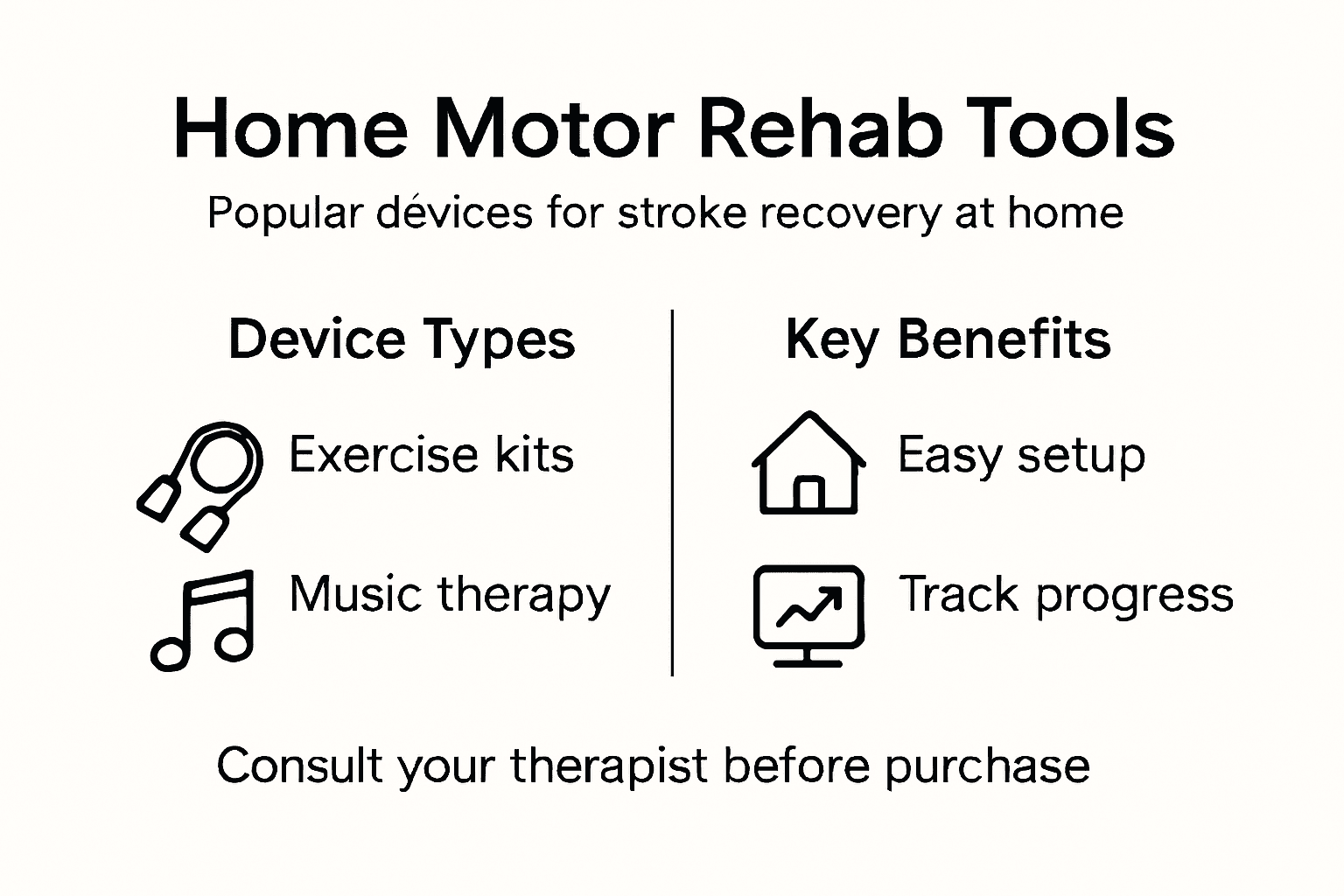
Pro tip: Consult with your rehabilitation specialist to select home devices that match your specific recovery goals and current mobility level.
Risks, limitations, and common challenges
Stroke rehabilitation is a complex journey with multiple potential challenges and limitations that patients and caregivers must navigate carefully. Understanding these potential obstacles is crucial for developing realistic expectations and creating effective strategies for recovery.
Common challenges during motor rehabilitation include:
- Physical Limitations: Reduced muscle strength and coordination
- Emotional Barriers: Depression, frustration, and loss of motivation
- Cognitive Impairments: Difficulties with concentration and memory
- Pain Management: Chronic or intermittent pain during rehabilitation
- Treatment Adherence: Maintaining consistent therapy engagement
Rehabilitation risks involve complex medical considerations that extend beyond physical challenges. Patients may experience fatigue, potential secondary injuries, and psychological stress during their recovery process. The variability of individual responses means that what works for one stroke survivor might not be equally effective for another.
Environmental and personal factors can significantly impact rehabilitation outcomes. Access to specialized care, financial resources, family support, and individual motivation play critical roles in determining the success of motor rehabilitation strategies. Some patients might face additional challenges such as transportation limitations, insurance constraints, or lack of comprehensive support systems.
The table below summarizes key factors impacting stroke rehab outcomes:
| Factor | Impact on Recovery | Example Challenge |
|---|---|---|
| Family Support | Increases motivation | Lack of encouragement |
| Financial Resources | Grants access to therapy | Insurance limitations |
| Consistent Engagement | Steady progress | Difficulty maintaining routines |
| Specialized Care Access | Improves personalization | Rural clinic shortages |
Recovery is not linear - setbacks are normal and do not define your ultimate potential.
Pro tip: Maintain open communication with your healthcare team and be honest about your challenges to help them customize your rehabilitation approach.
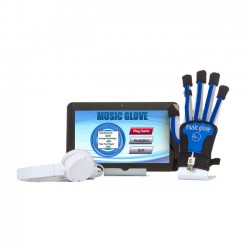
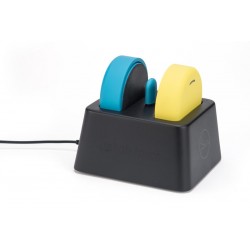
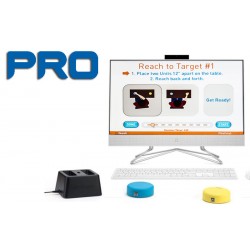

Enhance Your Motor Rehabilitation Journey with Advanced Tools
Recovering motor function after stroke involves overcoming physical and emotional challenges such as muscle weakness, coordination loss, and motivation barriers. The article highlights the importance of neuroplasticity and consistent, targeted rehabilitation exercises to rebuild movement skills and independence. At Tisalehab.com, we understand these critical needs and offer innovative rehabilitation products that transform therapy into engaging, effective sessions.

Boost your recovery with high-tech therapy kits like FitMi and MusicGlove that combine music-based exercises and interactive feedback to enhance motor learning and neural reorganization. These user-friendly devices are designed for use both at home and in clinical settings, making it easier to maintain consistent practice and overcome common rehabilitation challenges. Take the next step in your stroke recovery today and explore our full range of solutions at Tisale Rehab. Let powerful technology support your path toward improved movement and independence.
Frequently Asked Questions
What is motor rehabilitation?
Motor rehabilitation is a therapeutic approach aimed at restoring movement and function after neurological injuries like stroke. It involves systematic interventions that target specific movement challenges and focuses on maximizing a patient’s independence and daily living capabilities.
What types of therapies are involved in motor rehabilitation?
Motor rehabilitation includes various therapies such as physical therapy, occupational therapy, neurological rehabilitation, constraint-induced movement therapy, and functional electrical stimulation. Each therapy targets different aspects of motor recovery to help patients regain independence.
How does neuroplasticity play a role in motor rehab?
Neuroplasticity refers to the brain’s ability to reorganize and form new neural connections. In motor rehab, it allows for the rebuilding of neural pathways and recovery of motor skills through structured therapeutic interventions, enhancing recovery potential after a stroke.
What challenges might a patient face during motor rehabilitation?
Patients may encounter physical limitations, emotional barriers, cognitive impairments, pain management issues, and difficulties maintaining consistent therapy engagement. These challenges can impact recovery, making it important to address them with a supportive healthcare team.
Recommended
- 7 Signs of Recovery After a Stroke: How to Know You’re on the Right Track
- Mirror Therapy for Phantom Limb Pain and Limb Rehabilitation
- hat Is a Stroke – Key Impacts on a Patient’s Life | TisaleRehab.com
- Tisele Rehab – Rehabilitation Kits for Stroke & Cerebral Palsy
- Vocal Cord Paralysis – Impact on Voice Recovery - TMRG Solutions
38
Get inspired by a stroke survival story


It's a very good "gaming" therapy.
I had a stroke 9 years ago and have tried many different therapies. I really like the gaming aspect offered by MusicGlove. I have only been using this kit for a month and I can already see some progress. It helps me a lot to stay motivated. It's really amazing...
In summary, I really like MusicGlove. MusicGlove.
Tomasz S. (04.03.2020)