6 Essential Steps in the Stroke Recovery Checklist
Caring for someone after a stroke can bring up new worries and tough questions about daily life and recovery. You want to support their progress, but the right steps are not always obvious. Understanding where to begin and how to set meaningful goals can feel overwhelming when every day presents new challenges.
The right strategies can help you create a safe environment, set achievable milestones, and encourage steady recovery at home. By focusing on what’s most effective for stroke survivors, you can make each effort count toward greater independence and confidence.
Get ready to discover clear, actionable methods that put stroke recovery within reach. The next steps will show you how to evaluate abilities, adapt your home, use technology, and provide emotional support every step of the way.
Table of Contents
- 1. Evaluate Physical Abilities and Set Recovery Goals
- 2. Create a Safe and Accessible Home Environment
- 3. Use High-Tech Rehab Tools for Therapy at Home
- 4. Establish a Consistent Rehabilitation Routine
- 5. Track Progress and Adjust Therapy Activities
- 6. Encourage Motivation and Emotional Support
Quick Summary
| Key Message | Explanation |
|---|---|
| 1. Assess Physical Abilities Early | Conduct an evaluation within 24 hours of a stroke to set effective recovery goals based on individual capabilities. |
| 2. Create a Safe Home Environment | Modify your home to eliminate fall hazards, ensuring safety and confidence for the stroke survivor during recovery. |
| 3. Incorporate Technology in Rehabilitation | Use high-tech rehabilitation tools at home for increased practice frequency and engagement, leading to better recovery outcomes. |
| 4. Establish a Consistent Routine | Schedule daily therapy sessions that focus on key recovery areas, ensuring regular practice and progress. |
| 5. Provide Emotional Support | Acknowledge your loved one’s feelings and encourage connections, as emotional wellbeing significantly impacts rehabilitation commitment and success. |
1. Evaluate Physical Abilities and Set Recovery Goals
Assessing your loved one’s physical abilities right after a stroke is the foundation for everything that comes next. This evaluation helps you understand what they can and cannot do, which shapes every decision in their recovery journey.
Stroke affects people differently. One person might regain hand strength quickly while another struggles with walking. Early assessment within 24 hours is key for setting recovery priorities and identifying what needs the most attention.
Understanding the baseline: Your caregiver or therapist will likely assess muscle strength, movement control, balance, and coordination. This isn’t meant to discourage you—it’s about knowing where you’re starting from so you can measure progress accurately.
Common areas affected by stroke include:
- Arm and hand weakness or paralysis
- Leg weakness affecting walking or standing
- Speech and swallowing difficulties
- Balance and coordination problems
- Vision or sensory changes
Setting meaningful and achievable goals directly impacts motivation and recovery success. Stroke survivors who track progress over time maintain better engagement with rehabilitation.
Once you understand the abilities, it’s time to create recovery goals. These shouldn’t be vague wishes like “get better.” Instead, make them specific, measurable, realistic, and time-bound. For example: “Improve grip strength in the right hand by 20% within 8 weeks” beats “strengthen hand.”
Breaking larger goals into smaller steps keeps motivation alive. Instead of “walk normally again,” try “walk 50 feet with minimal assistance” first, then “walk 75 feet,” then increase from there. Small wins build confidence.
Focus on what matters most to your loved one. If playing with grandchildren matters more than perfecting speech, prioritize motor skills first. The goals should align with their values and daily life needs.
Consider involving a rehabilitation professional who can conduct a thorough assessment and help create personalized goals based on task-specific, repetitive exercises tailored to individual preferences.
Pro tip: Write goals down and post them where you’ll see them daily. Review progress weekly and celebrate small improvements—this keeps both you and your loved one motivated through the long recovery process.
2. Create a Safe and Accessible Home Environment
Your home should support recovery, not hinder it. After a stroke, the environment becomes part of the rehabilitation process. Small changes can make the difference between independence and dependence, between confidence and fear.
Stroke survivors often struggle with balance, coordination, and mobility. Falls become a serious risk. Home modifications play a critical role in creating a space where your loved one can move safely and rebuild strength without constant worry.
Start by identifying hazards. Walk through the home as if you’re experiencing the stroke survivor’s limitations. What looks normal to you might be dangerous to them. Trip hazards, steep steps, slippery floors, and poor lighting create real obstacles.
Key areas to focus on include:
- Bathrooms (where most falls happen)
- Stairs and entryways
- Hallways and main pathways
- Bedroom and sleeping areas
- Kitchen and eating spaces
A safe home environment isn’t just about preventing falls—it’s about rebuilding confidence and independence during the recovery journey.
Removing fall hazards and improving mobility paths are essential first steps. Start with the areas your loved one uses most frequently. Their bedroom and bathroom matter more than guest rooms.
Consider installing supportive equipment strategically. Grab bars in the bathroom, handrails along hallways, and a transfer bench in the shower provide security. Non-slip mats prevent sliding. Better lighting helps with vision problems many stroke survivors face.
Rearranging furniture opens up movement paths and reduces obstacles. Wide, clear hallways and accessible doorways matter more than decorative appeal right now. Move frequently used items to waist height so your loved one doesn’t need to bend or reach excessively.
Take advantage of a professional home safety evaluation. Social workers or occupational therapists can assess your specific situation and recommend modifications tailored to your loved one’s abilities and your family’s circumstances. They know what works and what’s worth the investment.
Don’t forget the entrance. Ramps make returning home possible for someone with mobility challenges. Easy-to-open doors and clear pathways from the car matter for confidence.
Pro tip: Start modifications in high-traffic areas like the bathroom and hallways first, then expand outward. This gives you quick wins while you plan larger projects, keeping momentum in the recovery process.
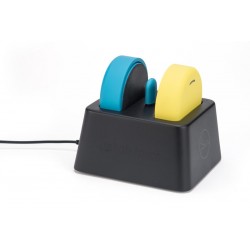
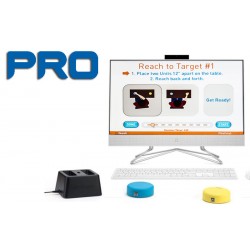

3. Use High-Tech Rehab Tools for Therapy at Home
Technology is transforming stroke recovery. Modern rehabilitation devices bring clinical-quality therapy into your living room, making recovery more effective and engaging. This changes everything about how you approach daily practice.
Traditional therapy often means sitting in a clinic waiting room or traveling to appointments. High-tech tools eliminate these barriers. They let your loved one practice more frequently, which directly improves outcomes. More repetitions equal faster progress.
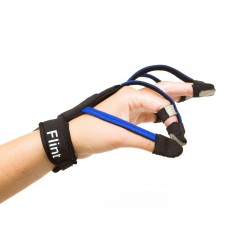
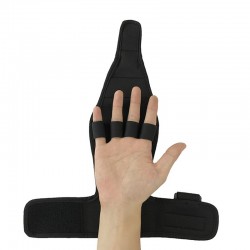
Soft robotic devices like specialized gloves work on hand recovery. These innovative tools gently move fingers through therapeutic exercises while providing real-time feedback. Your stroke survivor gets consistent, precise movements that mirror professional therapy. Remote monitoring allows therapists to adjust programs without office visits.
Virtual reality systems create immersive therapy experiences. Instead of repetitive movements in a sterile clinic, your loved one can train in simulated real-life environments. Virtual reality can enhance rehabilitation by providing engaging, intensive therapy in comfortable home settings. This technology increases practice time while making therapy feel less like work.
Why technology matters for stroke recovery:
- Increases practice frequency and consistency
- Provides immediate feedback on performance
- Makes therapy engaging and motivating
- Allows remote monitoring by therapists
- Reduces travel and appointment barriers
- Tracks progress with detailed data
Technology-enabled home rehabilitation increases treatment adherence and produces measurable improvements in functional recovery when used regularly.
These tools work best when combined with professional guidance. Your therapist can program specific exercises targeting your loved one’s weaknesses. Start with 20-30 minute sessions several times weekly and adjust based on comfort and progress.
The learning curve is minimal. Most devices feature intuitive interfaces designed for older adults and people with motor impairments. Initial setup might feel overwhelming, but practice makes it second nature.
Understanding how technology transforms stroke recovery outcomes helps you choose the right tools for your situation. Not every device suits every person, so discuss options with your rehabilitation team.
Cost varies widely. Some insurance plans cover these devices, while others require out-of-pocket payment. Start with what’s accessible and expand your toolkit as recovery progresses.
Pro tip: Schedule consistent therapy times each day and track which exercises your loved one completes. This data reveals progress patterns and helps your therapist make informed adjustments to the rehabilitation program.
4. Establish a Consistent Rehabilitation Routine
Consistency is the secret ingredient in stroke recovery. Your loved one’s brain needs regular, repetitive practice to rewire damaged pathways and rebuild abilities. Sporadic therapy won’t work, but a structured routine transforms recovery.
Think of rehabilitation like learning a skill. You wouldn’t practice piano once a month and expect progress. Your brain strengthens connections through repetition. The same principle applies to stroke recovery—your loved one’s nervous system needs frequent, focused practice to maintain and improve function.
Early and sustained therapy customized to individual goals optimizes recovery outcomes significantly more than inconsistent practice. A coordinated approach involving physical, occupational, and speech therapies addresses multiple recovery areas.
Building an effective routine starts with scheduling. Pick times when your loved one feels most alert and energized. Morning sessions often work better than evenings when fatigue sets in. Consistency matters more than duration, so 30 minutes daily beats two hours once weekly.
Structure your week around these therapy types:
- Physical therapy for mobility and strength
- Occupational therapy for daily living skills
- Speech therapy for communication and swallowing
- High-tech rehabilitation for targeted practice
- Independent practice between professional sessions
Regular, intensive rehabilitation targeting motor skills, mobility, communication, and cognition produces better functional improvements than sporadic sessions.
Developing an effective rehabilitation workflow helps you structure daily activities around recovery goals. Create a visual schedule showing therapy times, exercises, and rest periods. Post it where everyone can see it.
Build in flexibility without abandoning structure. If your loved one had a rough night, adjust intensity rather than skip the session entirely. Ten minutes is better than nothing. This maintains momentum while respecting their actual capacity.
Track what works. Note which exercises your loved one completes successfully and which cause frustration. Adjust the routine based on these observations. Your therapist needs this feedback to refine the program.
Incorporate assistive devices and technology to support consistency. These tools make independent practice safer and more effective, reducing caregiver burden while maintaining therapeutic intensity.
Set realistic expectations. Recovery isn’t linear. Some weeks show visible progress while others feel stalled. Trust the process. Consistent effort compounds over months and years.
Pro tip: Set phone reminders for therapy times and celebrate weekly completion streaks with small rewards that don’t undermine recovery goals—this builds accountability and keeps motivation high.
5. Track Progress and Adjust Therapy Activities
Tracking progress isn’t optional—it’s essential to recovery success. Without measurement, you can’t know if therapy is working or if your loved one needs a different approach. Data drives better decisions.
Progress tracking reveals what’s actually happening versus what feels like it’s happening. Your loved one might feel discouraged about slow hand movement, but measurements might show 15% improvement in grip strength. Numbers tell the real story.
Start with baseline measurements. Document your loved one’s abilities at the beginning of recovery. This becomes the reference point for all future progress. Without it, you can’t measure improvement accurately.
Key metrics to track include:
- Range of motion in affected joints
- Grip strength and hand dexterity
- Walking distance and speed
- Balance and stability during standing
- Speech clarity and comprehension
- Ability to perform daily living tasks
Tracking recovery progress through regular assessments enables rehabilitation teams to modify therapies as needed for optimal results. Professional assessments happen at scheduled intervals, but you can track daily progress at home too.
Personalized rehabilitation programs must respond to changing abilities and new challenges. Adjustments based on performance data ensure rehabilitation remains relevant and effective.
Simple tracking methods work best. Use a notebook, spreadsheet, or smartphone app. Record dates, exercises completed, difficulty levels, and how your loved one felt. Over time, patterns emerge.
Be honest about what’s not working. If an exercise frustrates your loved one or produces no results after four weeks, discuss alternatives with the therapist. Improving movement after stroke requires flexibility in approach.
Adjustment happens naturally when you have good data. Therapists use your observations plus their professional assessments to modify exercises, intensity, or focus areas. This back-and-forth between caregiver and professional creates better outcomes.
Celebrate measurable improvements. When grip strength increases by two pounds or walking distance extends to 100 feet, acknowledge it. These victories fuel motivation for continued effort.
Remember that progress isn’t always steady. Some months show dramatic improvements while others feel flat. This is normal. Trust the data over feelings.
Pro tip: Take photos or videos weekly showing your loved one performing specific movements or tasks—visual comparisons often reveal subtle improvements that number-based tracking might miss.


6. Encourage Motivation and Emotional Support
Stroke recovery isn’t just physical—it’s deeply emotional. Your loved one faces not only rehabilitation challenges but also grief, fear, and uncertainty about their future. Emotional support directly impacts whether they stick with therapy or give up.
Depression and anxiety are common after stroke. Your loved one might feel angry about lost abilities, scared about another stroke, or hopeless about recovery prospects. These feelings are real and deserve attention.
Emotional wellbeing and motivation are critical factors in stroke recovery success. Positive thinking and meaningful goal setting support mental health alongside physical rehabilitation. You can’t ignore the emotional piece.
Start by listening without judgment. When your loved one expresses frustration, fear, or sadness, resist the urge to immediately problem-solve. Sometimes people just need to be heard. Validation matters more than fixing.
Ways to provide meaningful emotional support:
- Acknowledge their feelings as valid and understandable
- Celebrate small victories without minimizing larger challenges
- Involve them in setting recovery goals that matter to them
- Maintain routines that provide normalcy and structure
- Encourage connections with friends and family
- Connect them to peer support groups with other stroke survivors
- Suggest professional counseling if depression or anxiety worsens
Social support from family and peer groups reduces isolation and depression while keeping survivors engaged in therapy and daily activities.
Peer support groups are powerful. Meeting others who understand stroke recovery—not just clinically, but emotionally—creates validation that family alone can’t provide. Stroke survivors often feel uniquely understood by other survivors.
Watch for warning signs. If your loved one loses interest in activities they enjoyed, withdraws socially, or expresses hopelessness persistently, mention it to their healthcare provider. Professional mental health support addresses emotional and behavioral changes effectively.
Take care of yourself too. Caregiver burnout is real. You can’t support your loved one emotionally if you’re exhausted and overwhelmed. Seek your own support—whether counseling, support groups, or time away—so you can show up fully.
Framing matters. Instead of “you can’t do this,” try “you’re working toward doing this.” Instead of focusing on lost abilities, focus on emerging ones. Language shapes perspective.
Pro tip: Schedule one meaningful activity weekly that your loved one enjoys—not therapy-focused, just something they love—to remind them that life continues beyond rehabilitation.
Below is a comprehensive table summarizing essential strategies for supporting stroke recovery as discussed in the article.
| Strategy | Key Actions | Benefits |
|---|---|---|
| Evaluate Physical Abilities | Assess muscle strength, movement control, and coordination; Set specific, measurable recovery goals. | Provides a recovery roadmap, identifies priorities, and tracks progress effectively. |
| Create a Safe Home Environment | Modify home spaces to prevent falls using grab bars, non-slip mats, and rearranged furniture. | Enhances confidence, independence, and safety during recovery. |
| Utilize Rehab Technology | Employ devices like robotic gloves and virtual reality systems for home therapy. | Improves therapy engagement, consistency, and measurable outcomes. |
| Establish a Structured Routine | Schedule therapy sessions consistently, targeting physical, occupational, and independent exercises. | Promotes steady progress toward functional recovery. |
| Track Rehabilitation Progress | Record developments in mobility, strength, and task performance for therapy adjustments. | Highlights areas of improvement and refines recovery methods. |
| Foster Emotional Support | Validate emotions, connect with peer groups, outline meaningful recovery-focused goals. | Enhances mental health and sustains motivation for rehabilitation. |
Empower Stroke Recovery With Innovative Home Therapy Tools
Recovering from a stroke demands a clear plan, consistent effort, and supportive tools that address specific challenges like motor skills, balance, and motivation. The article highlights the importance of setting measurable goals, establishing safe environments, and incorporating high-tech rehabilitation to accelerate progress. If you or your loved one face difficulties maintaining a consistent rehabilitation routine or tracking meaningful improvements, you need solutions that make therapy engaging and effective right at home.

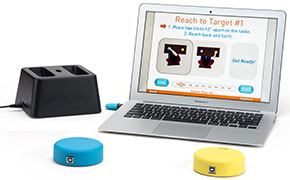
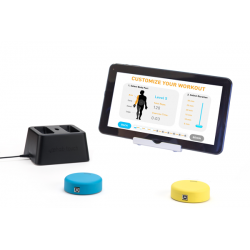
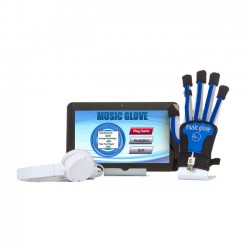
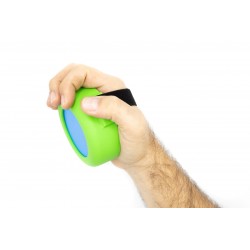
Discover how TISALEHAB.com combines cutting-edge rehabilitation products like FitMi and MusicGlove with easy-to-use interfaces designed to boost hand and motor function through music-based exercises. These tools are perfect for following your personalized stroke recovery checklist and staying motivated with measurable progress. Visit our website now to explore therapy kits that bring professional-quality stroke recovery support into your home and start turning your recovery goals into reality today.
Frequently Asked Questions
What should I focus on when evaluating a stroke survivor’s physical abilities?
Assessing the stroke survivor’s physical abilities involves measuring muscle strength, movement control, balance, and coordination. Conduct this evaluation within 24 hours post-stroke to establish a baseline and set achievable recovery goals.
How can I set effective recovery goals for stroke rehabilitation?
Effective recovery goals should be specific, measurable, realistic, and time-bound. For example, instead of saying “get better,” aim for something like “improve grip strength in the right hand by 20% within 8 weeks to track progress effectively.”
What modifications can I make at home to create a safe environment for a stroke survivor?
To create a safe home environment, remove fall hazards and improve mobility paths by installing grab bars, handrails, and non-slip mats. Start with high-traffic areas like the bathroom and hallways to provide the safest access for your loved one.
How can technology aid in home rehabilitation for stroke recovery?
High-tech rehabilitation tools such as soft robotic devices and virtual reality systems can enhance therapy at home by allowing stroke survivors to practice often and receive immediate feedback. Utilize these technologies in regular sessions to increase practice frequency and improve outcomes.
Why is establishing a consistent rehabilitation routine important for stroke recovery?
A consistent rehabilitation routine is crucial because regular, repetitive practice helps rewire the brain and improves function. Schedule therapy sessions when the survivor feels most alert, aiming for 30 minutes daily rather than longer, infrequent sessions.
What methods can I use to track progress in my loved one’s stroke rehabilitation?
Track progress by documenting key metrics such as grip strength, walking distance, and speech clarity. Use a simple notebook or app to regularly record these metrics to identify patterns and make necessary adjustments in the rehabilitation plan.
Recommended
38
Be inspired by a story of survival after a stroke


The FitMi kit is perfect for rehabilitation.
Like many other customers, I was skeptical about buying this device because of the price. I bought FitMi for my 21-year-old daughter who suffered a severe brain injury almost two years ago. Movement in her left arm and leg was nearly impossible — until I discovered this kit.
So far, we haven't yet done exercises for the leg, mainly focusing on the arm to restore initial movement in her hand. I also think the disks are a bit too large for her, but with the silicone covers, we manage. From what we can see, exercising with FitMi is something truly extraordinary.
Thank you so much for helping my daughter regain some mobility!
Renata and Mariola (12.04.2020)