
7 best rehabilitation exercises after stroke
Rehabilitation after a stroke is a huge challenge, both for you and your loved ones. Even simple daily activities can be difficult, and returning to fitness seems complicated and long. Effective rehabilitation requires not only time but also thorough knowledge of exercises that genuinely support body regeneration and brain functions.
You can count on proven methods that help increase mobility, improve coordination, and reduce the risk of complications. By using practical exercises developed based on the experience of physiotherapists, you will learn concrete steps leading to improvement every day.
Before you is a compilation of the most helpful techniques and movement exercises after a stroke. You will discover how to introduce them into daily rehabilitation and accelerate your return to independence.
- 1. Stretching exercises to improve muscle mobility
- 2. Simple hand activation using MusicGlove
- 3. Balance training on a stable surface
- 4. Fine motor exercises for fingers with FitMi
- 5. Gait exercises with the support of a loved one
- 6. Breathing exercises to support endurance
- 7. Movement memory exercises with simple repetitions
Quick Summary
| Key Thought | Explanation |
|---|---|
| 1. Consistency is key in rehabilitation | Regular exercise improves mobility and coordination. Patience and a therapeutic rhythm are essential for success. |
| 2. Exercises should be supervised by professionals | Physiotherapist support ensures exercises are tailored to the patient's individual needs. Safety is a priority. |
| 3. Progress in rehabilitation should be documented | Keeping an exercise diary allows you to track development and maintain motivation for further action. |
| 4. Adjusting exercise intensity is important | Changing the difficulty level of exercises enables the patient to gradually improve skills, which accelerates the rehabilitation process. |
| 5. Emotional support is important in rehabilitation | A loved one who can assist in exercises contributes to building the patient's self-confidence, which positively affects the recovery process. |
1. Stretching exercises to improve muscle mobility
Stretching is a key element of rehabilitation after a stroke, helping to restore muscle flexibility and functionality. During comprehensive physical rehabilitation, patients can significantly improve their mobility.
Main benefits of stretching exercises include:
- Prevention of muscle contractures
- Increased range of motion
- Reduction of muscle tension
- Improved blood circulation
- Reduced risk of neurological complications
Each stretching exercise should be performed slowly and gently, being careful not to cause pain. It is recommended to start with simple movements involving small muscle groups, gradually increasing range and intensity.
The key is consistency and patience in the rehabilitation process.
It is worth remembering that stretching should be performed under the supervision of a physiotherapist who will tailor the exercises to the patient's individual needs.
Expert tip: Before starting stretching exercises, always consult your attending physician to ensure they are safe for your health condition.
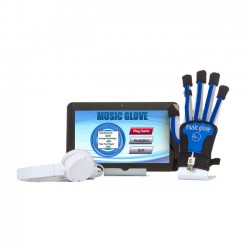
2. Simple hand activation using MusicGlove
Hand activation after a stroke can be a key element in restoring motor fitness. The MusicGlove rehabilitation glove offers an innovative approach to neurological exercises.
Main advantages of using MusicGlove:
- Neuronal stimulation through gamification
- Improved precision of hand movements
- Increased range of fine motor skills
- Motivation thanks to interactive exercises that do not resemble traditional rehabilitation.
Therapy with MusicGlove involves performing synchronised finger movements adapted to music and signals displayed on the screen. The device records progress, allowing the patient to track their own development.
Consistency and regular exercises are the key to rehabilitation success.
Each patient can adjust the difficulty level of exercises to their current capabilities, gradually increasing their intensity.
Expert tip: Before starting exercises with MusicGlove, consult a physiotherapist to ensure that the selected activities are appropriate for your health condition.
3. Balance training on a stable surface
Balance training is a crucial element of neurological rehabilitation after a stroke. Exercises on a stable surface help patients regain control over their own body and reduce the risk of falls.
Main benefits of balance training:
- Improved motor coordination
- Strengthening muscles responsible for stability
- Increased body awareness
- Reduced risk of secondary injuries
- Building confidence in movement
During exercises, focus should be on gradually increasing difficulty. Initial tasks include standing on a stable surface with feet wide apart, then gradually narrowing the base of support.
The key is consistency and patience in the rehabilitation process.
It is worth remembering that each patient requires an individual approach and adjustment of exercises to their own motor capabilities.
Expert tip: Before starting balance training, always consult a physiotherapist who will thoroughly assess your current capabilities and safely guide you through subsequent stages of rehabilitation.
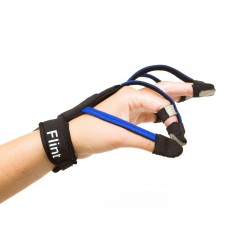
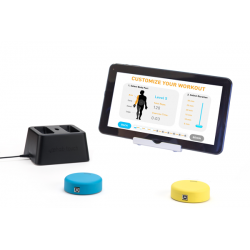
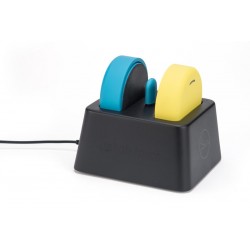
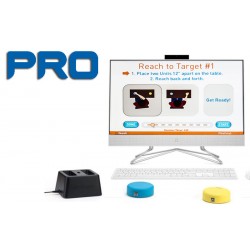
4. Fine motor exercises for fingers with FitMi
Fine motor skills of the fingers are crucial in the process of returning to fitness after a stroke. The FitMi Kit offers an innovative approach to neurological training.
Key benefits of precision exercises:
- Improved motor coordination (hand, arm, torso, leg)
- Restoration of neuromuscular control
- Stimulation of neuronal connections
- Reduction of spasticity
Precision exercises focus on small, controlled finger movements that gradually increase the range and accuracy of performed activities. Consistency is the key to rehabilitation success.
Every small progress is a success in the recovery process.
It is worth remembering that exercises should be performed regularly, adjusting their intensity to one's own capabilities and progress in rehabilitation.
Expert tip: Keep a progress diary, documenting even the smallest changes in hand dexterity, which will help maintain motivation and track rehabilitation effects.

5. Gait exercises with the support of a loved one
Learning to walk after a stroke can be a difficult process requiring patience and systematic support. Gait exercises with assistance constitute a key element of neurological rehabilitation.
Benefits of gait training with the help of a loved one:
- Increased safety during movement
- Building self-confidence
- Faster adaptation to new movement patterns
- Emotional support in the recovery process
- Possibility of immediate error correction
Properly supporting the patient requires knowledge of special securing techniques and understanding of current motor capabilities. A loved one should be trained in safe accompaniment during exercises.
Patience and consistency are key in the rehabilitation process.
Every progress, even the slightest, is a success and motivation for further work.
Expert tip: Before starting gait training, consult a physiotherapist who will demonstrate correct support and securing techniques.
6. Breathing exercises to support endurance
Breathing is not only a basic life activity but also a key element of neurological rehabilitation. Conscious breathing techniques can significantly support the recovery process after a stroke.
Main benefits of breathing exercises:
- Improved brain oxygenation
- Increased lung capacity
- Reduction of stress and tension
- Strengthening muscles responsible for breathing
- Improved motor coordination
Regular breathing exercises allow the patient to gradually regain control over their own body. Consistency and gradually increasing exercise intensity are key.
Every conscious breath is a step towards recovery.
It should be remembered that exercises should be performed under the supervision of a specialist who will select appropriate techniques for individual needs.
Expert tip: Start with simple diaphragmatic exercises, performing them several times a day in a calm, quiet place.
7. Movement memory exercises with simple repetitions
Movement memory is a key element of neurological rehabilitation after a stroke. Simple movement repetitions allow the brain to rebuild lost neuronal connections.
Key aspects of movement memory training:
- Stimulation of brain neuroplasticity
- Gradual reproduction of movement patterns
- Improved neuromuscular coordination
- Increased range of conscious movement
- Building self-confidence
Systematic repetition of simple activities enables the brain to create new neural pathways. Patience and regular exercise performance are key.
Every repeated movement brings you closer to regaining fitness.
It is worth remembering that progress may be slow, but every movement is a success in the rehabilitation process.
Expert tip: Keep an exercise diary, documenting even the smallest progress, which will help maintain motivation and see your real development.
| Exercise Area | Exercise Description | Benefits and Tips |
|---|---|---|
| Stretching exercises | Slow and gentle movements increasing muscle range of motion | Tension reduction, improved flexibility, consistency |
Take care of effective rehabilitation after a stroke today
The process of returning to fitness after a stroke requires patience and systematic work on restoring mobility, coordination, and fine motor skills. If you are looking for proven solutions that will facilitate your daily exercises such as hand training with MusicGlove or the FitMi kit, at TiSaleRehab.com you will find a wide range of rehabilitation devices and practical tips. Our platform supports patients and therapists, providing products tailored to individual needs and financing offers.
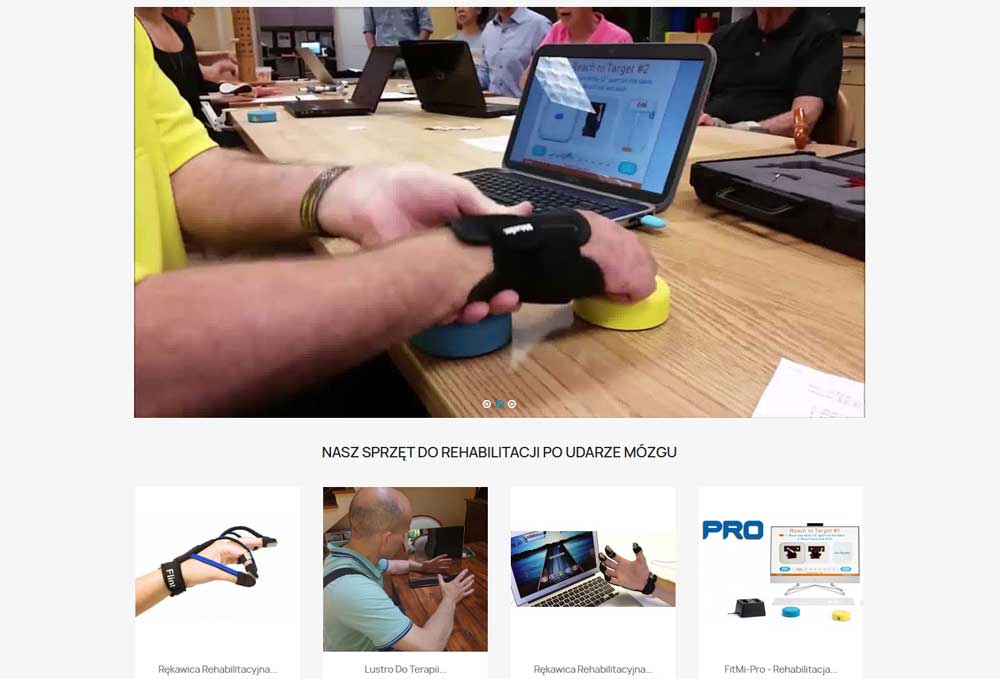
Do not delay starting effective rehabilitation. Join the community of people who are regaining fitness step by step, using modern methods and equipment available at Rehabilitate with us. Learn more about the possibilities and contact specialists at TiSaleRehab / TiSale LTD, who will help you choose optimal solutions. Check the offer at tisalerehab.com and start changing your life for the better now.
Frequently Asked Questions
What are the most important rehabilitation exercises after a stroke?
Stretching exercises, hand activation, balance training, fine motor exercises, gait training, and breathing techniques are key exercise sets. Start with simple activities and systematically increase their intensity to improve fitness.
How often should rehabilitation exercises be performed after a stroke?
It is recommended that exercises be performed daily or at least several times a week to achieve the best results. Try to carry out training sessions for at least 30 minutes to notice significant improvement in fitness.
Can exercises be performed alone, or is specialist help needed?
Although many exercises can be performed alone, consultation with a physiotherapist who will tailor the programme to individual needs is recommended. Start rehabilitation with expert support to avoid injury.
What benefits do breathing exercises bring in rehabilitation?
Breathing exercises improve brain oxygenation, increase lung capacity, and reduce stress. Introduce daily breathing sessions into your routine to support the recovery process.
How to monitor progress in rehabilitation after a stroke?
Keeping a progress diary where you record performed exercises and feelings will help you track development. Record your
progress every week to motivate yourself for further work.
What stretching techniques are most effective after a stroke?
Focus on stretching small muscle groups to improve their flexibility and functionality. Perform each exercise slowly, preferably under the supervision of a specialist, to avoid pain.
Recommendation
38
Hand Exercises:
|
Arm Exercises:
|
Core Exercises:
|
Leg Exercises:
|