
Cerebral Palsy Rehabilitation – Empowering Home Progress
Finding creative ways to help your child move better can feel overwhelming when cerebral palsy affects their strength and coordination. Movement impairment touches nearly every part of daily life, shaping how your child plays, learns, and connects with others. This guide highlights evidence-based rehabilitation approaches alongside the latest technology, giving you practical strategies and tools to make home therapy more effective and engaging for both your child and family.
Table of Contents
- Cerebral Palsy and Its Impact on Movement
- Key Rehabilitation Methods and Therapies
- Innovative Technologies for Home Use
- Choosing the Best Tools for Your Needs
- Maximizing Family Support and Participation
Key Takeaways
| Point | Details |
|---|---|
| Understanding Cerebral Palsy | Cerebral Palsy results from brain injury near birth, impacting muscle control and causing lifelong challenges with movement, posture, and further developmental issues. |
| Importance of Rehabilitation | Early and tailored rehabilitation approaches significantly improve functional abilities, focusing on meaningful daily tasks and engaging activities. |
| Role of Family Involvement | Active family participation in rehabilitation enhances practice consistency and motivation, leading to better outcomes and faster progress for the child. |
| Utilization of Technology | Modern tools like smart toys and virtual reality can make therapy engaging, supporting practice at home and maintaining motivation for ongoing improvement. |
Cerebral Palsy and Its Impact on Movement
Cerebral palsy affects how your child’s brain sends signals to their muscles. This disruption happens around birth due to brain injury, creating lifelong challenges with movement and posture.
Understanding what’s happening inside helps you support your child more effectively at home. The condition isn’t just about movement—it often brings sensory, cognitive, and behavioral changes alongside motor challenges.
How CP Disrupts Movement
Brain injury around birth00686-5/fulltext) prevents smooth communication between the brain and muscles. Your child’s body doesn’t receive clear instructions about when and how to move.
This creates several visible challenges:
- Muscle tone problems: Muscles become too tight (spasticity) or too loose (hypotonia)
- Coordination difficulties: Arms and legs don’t work together smoothly
- Posture issues: Your child may struggle to sit, stand, or maintain balance
- Movement control: Fine motor tasks like grasping or walking require extra effort
The severity varies widely. Some children have mild movement differences, while others experience significant mobility restrictions that affect daily activities.
The Real-World Impact
Movement limitations affect far more than just physical ability. They influence your child’s ability to play, learn, interact with peers, and gain independence.
Consider what movement does:
- Enables self-feeding and dressing
- Allows exploration and learning through play
- Supports social interaction with other children
- Builds confidence and independence over time
Movement impairment significantly affects daily functioning and quality of life, which is why early rehabilitation and consistent practice make such a difference.
Your role at home becomes crucial. Consistent, purposeful practice using targeted rehabilitation approaches helps your child develop better motor control and functional independence.
The Role of Rehabilitation
Evidence-based motor rehabilitation approaches show real results in improving gross motor and manual function. Therapy isn’t about forcing your child to move—it’s about making movement more possible and easier.
Research supports specific strategies:
- Bimanual therapy: Both hands working together on tasks
- Task-specific training: Practicing real movements your child needs daily
- Increased physical activity: Regular movement reduces stiffness and improves strength
Home-based rehabilitation lets you practice these approaches in your child’s natural environment, with activities that matter to them.
Pro tip: Focus on movements your child uses daily—reaching for toys, walking to the kitchen, holding a spoon—rather than abstract exercises, because functional practice builds skills that actually matter in real life.
Key Rehabilitation Methods and Therapies
Rehabilitation for cerebral palsy isn’t one-size-fits-all. Your child needs a customized approach that builds on their specific strengths and addresses their particular movement challenges.
Effective therapy combines multiple strategies tailored to what your child can do right now. The goal is functional progress—helping them perform everyday activities with greater ease and independence.
Foundation Approaches
Early, evidence-based rehabilitation produces better outcomes when started during infancy and early childhood. This isn’t about pushing your child harder; it’s about providing developmentally appropriate activities that capitalize on their brain’s ability to learn and adapt.
Core therapy methods include:
- Manual stretching and massage: Reduces muscle tightness and improves range of motion
- Muscle strengthening: Builds the power needed for functional movement
- Neurodevelopmental treatment: Uses normal movement patterns to retrain the nervous system
- Constraint-induced movement therapy: Encourages use of the affected limb by limiting the stronger side
Each approach works differently, and your child may benefit from combining several methods.
Here is a comparison of core cerebral palsy rehabilitation methods and their unique benefits:
| Method | Main Focus | Key Benefit |
|---|---|---|
| Bimanual Therapy | Both hands involved | Improves coordination |
| Task-Specific Training | Meaningful daily tasks | Boosts real-life independence |
| Constraint-Induced Movement | Use of affected limb | Enhances weaker side performance |
| Neurodevelopmental Treatment | Normal movement patterns | Retrains neural control |
Task-Specific and Motor Learning Methods
Motor learning-based techniques focus on practicing the actual movements your child needs daily. Instead of abstract exercises, you work on reaching, grasping, walking, or dressing—real activities that matter.
These methods recognize how the brain learns:
- Repeated practice of specific tasks strengthens neural pathways
- Functional activities feel more relevant and motivating
- Progress directly translates to independence at home
Task-specific training works because your child practices what they actually need to do, not isolated movements disconnected from real life.
Enhancing Outcomes with Modern Tools
Today’s rehabilitation often includes technology and equipment to boost engagement and results. Robotic assistance, virtual reality, and specialized devices make therapy feel less like work and more like play.
These enhancements:
- Increase motivation through interactive, game-like experiences
- Provide consistent, measurable practice with visual feedback
- Allow more intensive repetition without caregiver fatigue
- Adapt difficulty as your child progresses
Home-based tools let you provide this enhanced practice without needing clinic visits for every session. You can practice rehabilitation exercises right in your living room.

Putting It Together at Home
The most successful rehabilitation combines early intervention, task-specific practice, and activities your child genuinely enjoys. Consistency matters more than intensity—regular daily practice beats occasional longer sessions.
Individualized, intensive exercises that emphasize activities of daily living produce the best functional gains because they leverage neuroplasticity while keeping your child engaged in meaningful tasks.
Your role is to identify what your child needs most (feeding themselves, walking, reaching for toys) and work with their therapist to practice those specific movements regularly.
Pro tip: Turn therapy into play by embedding exercises into activities your child already loves—reaching during mealtime, stepping while playing, or practicing hand movements during music time—because children learn and practice harder when they’re having fun.
Innovative Technologies for Home Use
Technology transforms home therapy from tedious exercises into engaging activities your child actually wants to do. Modern tools make consistency easier and results measurable.
The right technology removes a huge barrier: keeping your child motivated to practice day after day. When therapy feels like play, adherence skyrockets.
Smart Toys and Adaptive Learning
Innovative smart toys blend therapy exercises with genuine play experiences. These aren’t just gadgets—they use sensors and machine learning to adjust difficulty in real-time based on your child’s performance.
How they work:
- Real-time difficulty adjustment: The toy stays challenging without becoming frustrating
- Engagement tracking: You see what your child accomplished during practice
- Reduced caregiver burden: The technology handles progression, not you
- Sustained motivation: Your child wants to use it because it’s fun
Your child practices hand therapy exercises while playing, which means better adherence and more total practice time at home.
Virtual Reality and Robotics
Virtual reality, robotics, and assistive devices complement traditional therapy approaches effectively. Virtual environments create immersive practice spaces where your child works on specific movements within engaging scenarios.
These technologies improve:
- Mobility and motor control through interactive practice
- Posture and strength with game-based motivation
- Social interaction skills in virtual social environments
- Facial function and coordination in corrective exercises
Robotic devices provide consistent, measurable assistance that adapts as your child gains strength. Your child gets intensive repetition without frustration.
Telerehabilitation and Remote Support
Benefits include:
- Cost savings: Fewer clinic trips needed
- Convenience: Therapy happens on your schedule
- Expert guidance: Therapists monitor progress remotely and adjust plans
- Better adherence: Professional accountability keeps you consistent
You’re not flying blind at home. Your child’s therapist sees videos of practice sessions and provides feedback.
This table summarizes current home rehabilitation technologies and their most valuable advantages:
| Technology Type | How It Engages Children | Major Advantage for Families |
|---|---|---|
| Smart Toys | Interactive, playful therapy | Tracks progress and adapts to needs |
| Virtual Reality | Immersive, game-like tasks | Increases motivation to practice |
| Robotics | Repetitive assisted movement | Reduces caregiver fatigue |
| Telerehabilitation | Video-based therapist support | Enables expert guidance remotely |
Choosing the Right Tools
Not every technology works for every child. The best approach combines tools that match your child’s interests, abilities, and specific therapy goals.
Technology works best when it enhances rather than replaces hands-on interaction—use it to increase practice frequency and engagement while maintaining the personal connection that makes therapy meaningful.
Start with one tool that addresses your child’s biggest functional need. Add more as they progress and show interest.
Pro tip: Choose technology that your child finds genuinely fun rather than what seems most advanced, because a tool gathering dust in the closet helps no one—your child’s enthusiasm for using it matters more than its features.
Choosing the Best Tools for Your Needs
Picking the right rehabilitation tools feels overwhelming. Too many options exist, and what works for another child might not work for yours. The key is matching tools to your child’s specific situation, not following a generic checklist.
Your child’s age, current abilities, and what they need most should guide every decision you make.

Assess Your Child’s Current Status
Evidence-based tool selection starts by understanding your child’s developmental level and functional abilities right now. This isn’t about what you hope they’ll achieve eventually—it’s about where they are today.
Consider these factors:
- Age and developmental stage: Infants need different tools than older children
- Current motor abilities: What can your child do independently versus with help?
- Specific challenges: Does your child struggle most with walking, hand function, or both?
- Communication style: Does your child respond better to visual, auditory, or tactile feedback?
If you’re unsure about your child’s exact functional level, ask their therapist. They can describe specific abilities in practical terms.
Understand Available Tool Categories
Assistive technologies include mobility devices, communication aids, and adaptive equipment designed around individual needs. Options range from simple mechanical devices to sophisticated electronic systems.
Common categories include:
- Mobility aids: Walkers, gait trainers, wheelchairs (manual or powered)
- Hand function tools: Grips, adaptive utensils, smart toys
- Communication devices: Speech-generating software, eye-tracking systems
- Therapy equipment: Stretch devices, resistance bands, balance tools
- Smart technology: Virtual reality systems, robotic devices, interactive games
Each category serves different purposes. Your child might need tools from multiple categories.
Get Professional Assessment
Don’t shop alone. Working with your child’s therapy team ensures you select tools that actually address their needs rather than nice-to-have gadgets.
Interdisciplinary teams consider:
- Physical capabilities and limitations
- Cognitive understanding and learning style
- Social and emotional response to different tools
- Family resources and home environment
- Long-term functional goals
Therapists can demonstrate tools, explain proper use, and help with fitting and adjustment.
Prioritize Function Over Features
The fanciest tool means nothing if your child won’t use it. A simple device your child loves beats sophisticated equipment gathering dust.
The best tool matches your child’s interests and abilities while addressing a real functional need—selecting for features instead of function wastes money and creates frustration.
Start with your child’s biggest functional challenge. If they can’t grasp objects, hand-function tools come first. If walking is the priority, mobility devices make sense.
Pro tip: Ask your child’s therapist for trial periods or rental options before buying expensive equipment—many companies and clinics offer short-term access so your child can actually use a tool before you commit financially.

Maximizing Family Support and Participation
Rehabilitation success depends on more than just therapy sessions. Your involvement as a caregiver—and your entire family’s participation—directly determines whether your child makes real, lasting progress.
When families actively participate, outcomes improve dramatically and caregiver stress actually decreases. That’s not coincidence; it’s how effective rehabilitation works.
Why Family Involvement Matters
Family engagement through collaborative strategies significantly enhances therapy adherence and functional outcomes. Your child doesn’t learn movements only during therapy sessions—they learn through daily repetition in real environments.
Family participation creates:
- Consistency: Practice happens at home between clinic visits
- Real-world application: Your child practices skills they actually need daily
- Increased motivation: Familiar people and environments feel less clinical
- Faster progress: More total practice hours lead to better results
Your child’s brain learns through repetition. More practice at home means more neural connections strengthening.
Building Collaboration With Your Therapy Team
Family-professional collaboration reduces caregiver burden while improving functional goal achievement. This isn’t a one-way relationship where therapists tell you what to do—it’s mutual respect and shared decision-making.
Effective collaboration includes:
- Clear communication about your child’s current abilities
- Shared goal-setting based on what matters most to your family
- Training that explains why specific exercises matter
- Regular feedback on your child’s progress
- Adjustment of strategies based on what’s working at home
Ask questions. Share observations about what your child does at home. Tell therapists what barriers exist in your schedule or environment.
Creating a Supportive Home Environment
You don’t need a therapy room to practice. Real progress happens in your kitchen, living room, and yard through activities your child already does.
Make practice natural by:
- Incorporating exercises into daily routines (reaching during meals, stepping while playing)
- Involving siblings and extended family in activities
- Using tools and equipment your child finds genuinely enjoyable
- Celebrating small improvements without pressure
- Understanding that some days will feel slower than others
Therapy works best when it doesn’t feel like therapy.
Managing Your Own Well-Being
You cannot pour from an empty cup. Taking care of yourself isn’t selfish—it directly affects your ability to support your child consistently.
When families receive proper training and support, caregiver quality of life improves alongside their child’s functional progress—this means your well-being and your child’s progress go hand in hand.
Build a support network. Connect with other families. Take breaks when you need them. Ask for help. Your child needs you functioning at your best.
Pro tip: Schedule a monthly check-in with your child’s therapist specifically to discuss what’s working, what isn’t, and what adjustments would make home practice more sustainable—these conversations prevent burnout and keep your program aligned with reality.
Empower Your Child’s Cerebral Palsy Rehabilitation at Home
Living with cerebral palsy means facing complex challenges with movement, coordination, and daily activities. You want effective, engaging solutions that transform repetitive therapy into meaningful, motivating practice your child will actually look forward to. The key to progress lies in consistent task-specific training combined with innovative tools designed to make every movement count.

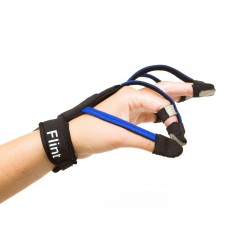
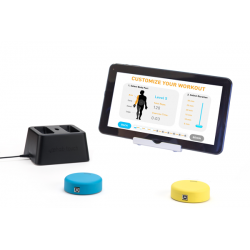
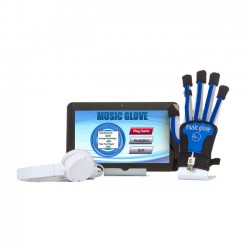
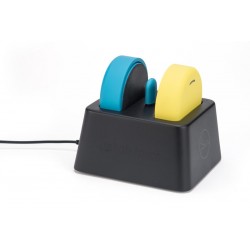
Discover how Tisale Rehab supports families like yours with high-tech therapy kits such as FitMi and the MusicGlove. These products merge technology and therapy by offering music-based exercises that improve motor function and hand control in fun and measurable ways. Start turning therapy into play today by exploring our complete catalog of rehabilitation products tailored for home use. Don’t wait to empower your child’s journey to greater independence—visit us now and find the tools that help turn early intervention and daily practice into real progress.
Frequently Asked Questions
How does cerebral palsy affect movement and coordination?
Cerebral palsy disrupts communication between the brain and muscles, leading to challenges such as muscle tone problems, coordination difficulties, and posture issues, which can affect daily activities.
What are effective rehabilitation methods for children with cerebral palsy?
Effective rehabilitation methods include bimanual therapy, task-specific training, constraint-induced movement therapy, and neurodevelopmental treatment, which focus on improving functional abilities through tailored exercises.
How can technology assist in cerebral palsy rehabilitation at home?
Technology such as smart toys, virtual reality, and robotics can make therapy more engaging and effective by providing real-time feedback, adapting difficulty levels, and increasing motivation for practice.
Why is family involvement important in the rehabilitation process for cerebral palsy?
Family involvement ensures consistent practice, enhances the relevance of activities, and boosts motivation. It allows for real-world application of skills outside therapy sessions, leading to faster progress and better outcomes.
38
Be inspired by a story of survival after a stroke


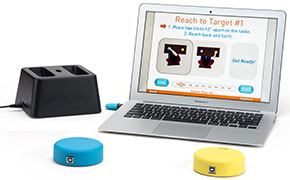
The FitMi kit is perfect for rehabilitation.
Like many other customers, I was skeptical about buying this device because of the price. I bought FitMi for my 21-year-old daughter who suffered a severe brain injury almost two years ago. Movement in her left arm and leg was nearly impossible — until I discovered this kit.
So far, we haven't yet done exercises for the leg, mainly focusing on the arm to restore initial movement in her hand. I also think the disks are a bit too large for her, but with the silicone covers, we manage. From what we can see, exercising with FitMi is something truly extraordinary.
Thank you so much for helping my daughter regain some mobility!
Renata and Mariola (12.04.2020)
Recommended
- Role of Home Rehabilitation – Transforming Stroke Recovery
- Why Home Rehabilitation Matters for Stroke Patients
- Role of Technology in Neuro Recovery Outcomes
- 7 Top Rehabilitation Exercises for Neurological Recovery
- Autism Counselling | Interactive Counselling
- Knee Recovery - KneeSolution