Stroke rehab workflow guide 2026: 40% faster motor recovery
Recovering from a stroke at home feels overwhelming when you lack a clear plan. Many patients struggle to maintain consistent rehabilitation, leading to slower motor skill improvement. This guide provides a structured, step-by-step workflow integrating proven exercises with innovative technology tools. By following this approach, you can achieve measurable motor gains faster and regain independence more reliably.
Table of Contents
- Prerequisites For Home Stroke Rehabilitation
- Stepwise Stroke Rehab Workflow For Motor Function Improvement
- Technology-Assisted Rehabilitation Tools And Their Role
- Common Mistakes In Home Stroke Rehabilitation And Troubleshooting
- Expected Timelines And Success Metrics For Stroke Rehab At Home
- Safety Warnings And Precautions During Home Stroke Rehab
- Comparison Of Stroke Rehab Approaches And Choosing What Fits Best
- Explore Effective Stroke Rehab Solutions At Tisele Rehab
- Frequently Asked Questions About Stroke Rehab Workflow
Key takeaways
| Point | Details |
|---|---|
| Prerequisites matter | Medical clearance, cognitive ability, and a safe home environment are essential before starting. |
| Technology boosts results | Technology-assisted rehab increases exercise adherence by 50% compared to traditional methods. |
| Timeline expectations | Measurable motor improvements typically occur within 4 to 12 weeks using structured programs. |
| Progressive intensity works | Gradually increasing exercise difficulty improves neural recovery rates significantly. |
| Safety first | Proper pacing, fall prevention, and ongoing medical monitoring prevent complications. |
Prerequisites for home stroke rehabilitation
Before starting any home rehabilitation program, you need proper preparation to ensure safety and effectiveness. Medical clearance and cognitive ability to follow rehab instructions are critical to minimize risks during home rehab. Your doctor must confirm you’re medically stable and cognitively ready to understand and execute exercises independently or with minimal caregiver support.
Preparing your home environment reduces fall risks and creates a supportive rehab space. Remove tripping hazards like loose rugs, install grab bars in bathrooms, ensure adequate lighting, and designate a clear exercise area. Having the right equipment ready, such as FitMi and MusicGlove devices, sets you up for consistent practice and better outcomes.
A comprehensive rehabilitation exercise guide helps you understand the full scope of exercises available. Review the prerequisites checklist below to confirm you’re ready to begin your recovery journey safely and effectively.
Prerequisites Checklist:
- Written medical clearance from your physician
- Cognitive ability to understand and follow exercise instructions
- Caregiver availability if needed for safety supervision
- Safe home environment with fall prevention modifications
- Access to recommended rehab devices and equipment
- Commitment to daily exercise routine
| Requirement | Details |
|---|---|
| Medical Status | Stable vital signs, cleared by physician for exercise |
| Cognitive Function | Able to understand instructions and provide feedback |
| Home Safety | Fall prevention modifications completed, clear exercise space |
| Equipment | FitMi, MusicGlove, or equivalent therapy tools available |
| Support System | Caregiver or remote monitoring if needed |
Stepwise stroke rehab workflow for motor function improvement
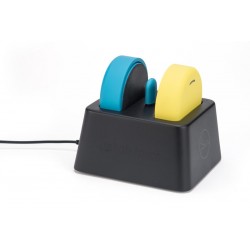
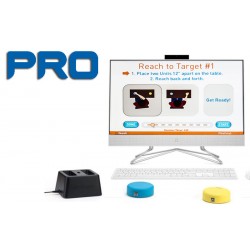

Once prerequisites are met, follow this structured workflow to maximize your motor recovery. Start with gentle movements to reactivate dormant neural pathways. Home-based intensive motor rehabilitation using devices like FitMi results in significant upper limb motor function improvement within 6 to 8 weeks, making consistent practice essential.
Step-by-Step Rehabilitation Process:
- Begin with passive and active assisted range of motion exercises for 10 to 15 minutes daily.
- Progress to active movements without assistance as strength improves.
- Introduce the FitMi and MusicGlove rehab kit after week 1 to increase engagement.
- Gradually increase repetitions and intensity every 5 to 7 days based on tolerance.
- Track daily performance metrics using device feedback systems.
- Adjust difficulty levels when exercises become too easy or frustrating.
Research shows MusicGlove users see a 30-40% improvement in hand dexterity after 3 to 6 weeks of consistent use. The music-based interface makes repetitive hand exercises engaging rather than tedious. Similarly, progressive intensity in exercises improves neural recovery rates by 25%, highlighting why gradual advancement matters more than aggressive initial efforts.
Pro Tip: Pace yourself during the first two weeks to avoid burnout. Quality repetitions matter more than rushing through exercises. Listen to your body and rest when fatigue sets in, then resume practice after recovery.
| Phase | Timeline | Activity Focus | Target Repetitions |
|---|---|---|---|
| Foundation | Week 1 to 2 | Range of motion, basic movements | 50 to 100 per session |
| Activation | Week 3 to 4 | Active exercises with FitMi | 200 to 300 per session |
| Intensification | Week 5 to 8 | Progressive resistance, MusicGlove integration | 400 to 500 per session |
| Refinement | Week 9 to 12 | Complex movements, functional tasks | 500+ per session |
Technology-assisted rehabilitation tools and their role
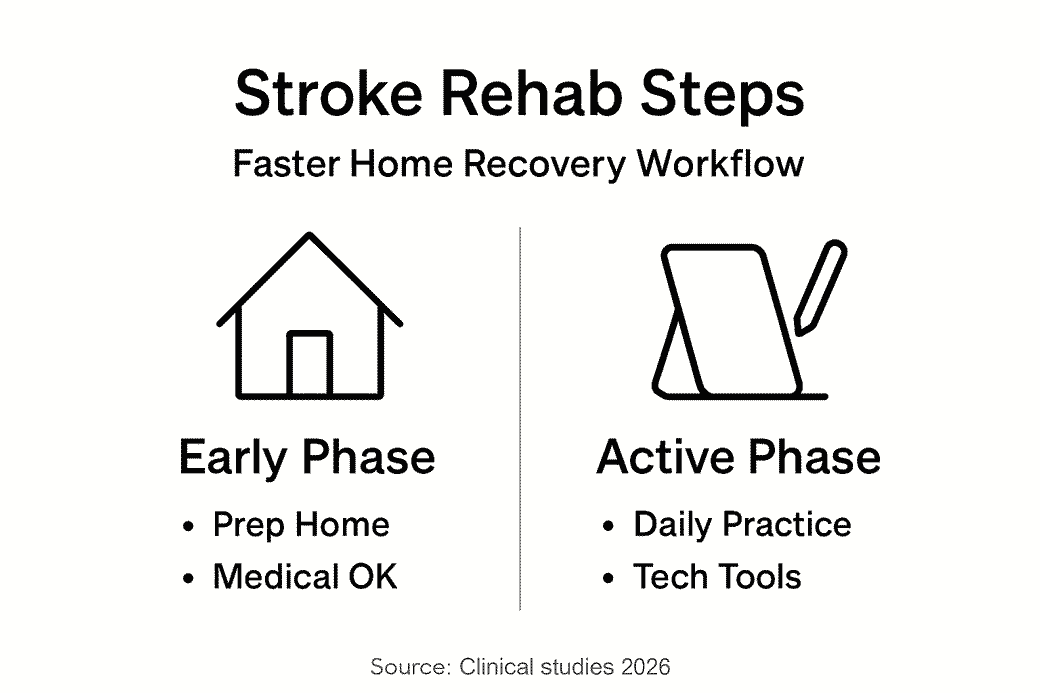
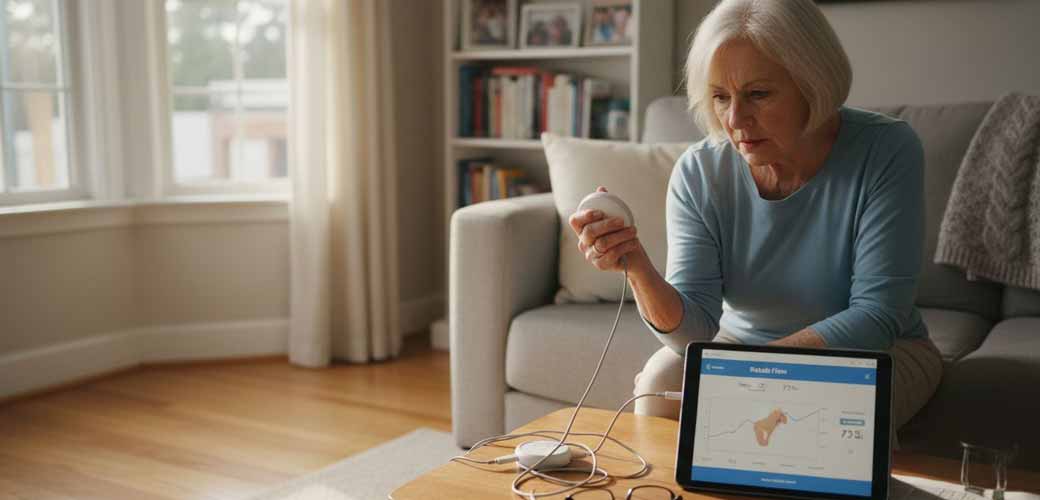
Technology transforms home rehabilitation from a boring chore into an engaging activity. Technology-assisted rehab increases exercise adherence by 50% and improves motivation compared to traditional methods. Devices like FitMi and MusicGlove provide instant feedback, track progress automatically, and adapt difficulty to your current ability level.
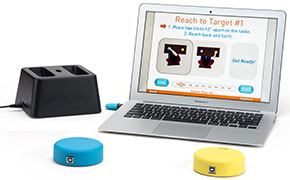
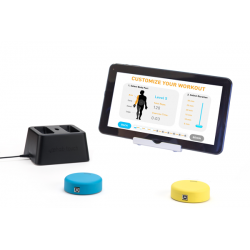
FitMi uses sensor-equipped pucks that detect movements across multiple planes. You perform exercises targeting shoulders, arms, hands, core, and legs while the device counts repetitions and provides real-time feedback. The gamified interface keeps you motivated through achievement unlocks and progressive challenges. Most patients using FitMi complete 5,000 to 10,000 movement repetitions in their first month, far exceeding traditional therapy volumes.
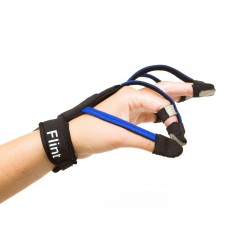
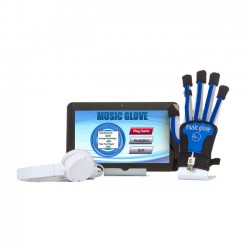
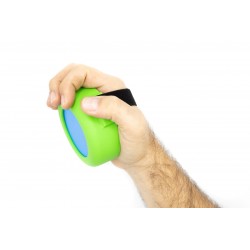
MusicGlove focuses specifically on hand and finger rehabilitation through music-based therapy. You wear the glove and perform gripping exercises timed to popular songs. The device tracks accuracy and speed, gradually increasing difficulty as you improve. This approach makes repetitive hand exercises enjoyable rather than monotonous.
Practical Integration Tips:
- Schedule device sessions at consistent times daily to build habits
- Start with 15 to 20 minute sessions and gradually extend to 45 minutes
- Use the FitMi and MusicGlove rehab kit together for comprehensive upper limb training
- Review weekly progress reports to identify improvement areas
- Celebrate small victories to maintain motivation
Pro Tip: If technology intimidates you, start with just one device for short 10 minute sessions. Familiarity builds quickly, and you’ll soon appreciate the automated tracking and engaging interface. The MusicGlove device is particularly beginner friendly due to its intuitive music-based design.
Common mistakes in home stroke rehabilitation and troubleshooting
Even with good intentions, patients often make errors that slow recovery. Recognizing these pitfalls helps you avoid wasted effort and maintain steady progress. Inconsistent exercise routines represent the most common mistake, causing neural pathways to regress rather than strengthen. Fix this by scheduling rehab sessions at the same time daily and using device reminders.
Frequent Errors and Solutions:
- Inconsistent practice: Skipping days disrupts neuroplasticity gains. Solution: Set phone alarms and treat rehab like essential medication.
- Incorrect technique: Poor form risks injury and reduces effectiveness. Solution: Review instructional videos regularly and consider telehealth consultations.
- Overexertion: Pushing too hard causes fatigue and discouragement. Solution: Monitor intensity levels and take rest days when needed.
- Lack of progression: Staying at the same difficulty level plateaus improvement. Solution: Increase repetitions or resistance every week.
- Ignoring pain signals: Working through sharp pain leads to injury. Solution: Stop immediately if pain occurs and consult your physician.
If you encounter persistent difficulties despite following the workflow, reach out to your medical team. Sometimes medication adjustments, equipment modifications, or additional support services resolve ongoing challenges. The rehab workflow troubleshooting resource provides detailed solutions for specific problems.
Motivation dips happen to everyone during long recovery periods. Combat this by tracking visible progress through device metrics, celebrating weekly improvements, and connecting with other stroke survivors online. Visual evidence of motor gains reinforces commitment when enthusiasm wanes.
Expected timelines and success metrics for stroke rehab at home
Setting realistic expectations prevents discouragement and helps you recognize genuine progress. Patients typically see noticeable motor improvements within 4 to 12 weeks, measurable by the Fugl-Meyer Assessment. This standardized scale quantifies upper and lower limb motor function, coordination, and movement speed objectively.
A clinically meaningful improvement on the Fugl-Meyer Assessment ranges from 10 to 14 points for upper limb function. Achieving this requires consistent daily practice with progressive intensity. Patients using technology-assisted tools typically reach these benchmarks faster than those relying solely on traditional exercises due to higher repetition volumes and better adherence.
Your recovery timeline depends on stroke severity, age, overall health, and rehabilitation intensity. Younger patients with mild strokes often progress faster, while older individuals with severe impairments require longer timelines. Early intervention dramatically impacts outcomes, so starting rehab as soon as medically cleared accelerates recovery.
| Timeline | Expected Milestone | Measurement Method |
|---|---|---|
| Week 2 to 4 | Initial movement activation, reduced stiffness | Basic range of motion tests |
| Week 4 to 8 | 3 to 5 point Fugl-Meyer improvement | Formal assessment by therapist |
| Week 8 to 12 | 10+ point Fugl-Meyer improvement, functional task completion | Standardized motor assessments |
| 3 to 6 months | Plateau in gains, maintenance phase begins | Ongoing monitoring and adjustments |
Success metrics extend beyond formal assessments to include functional improvements. Can you button a shirt independently? Grasp a fork effectively? Walk without assistance? These daily living activities reflect real-world motor recovery better than any test score. Explore stroke recovery success metrics to understand comprehensive evaluation approaches.


Safety warnings and precautions during home stroke rehab
Safety must remain your top priority throughout rehabilitation. Overexertion leads to exhaustion, increased fall risk, and potential cardiovascular complications. Listen to your body’s signals and rest when fatigue sets in. Pushing through severe tiredness provides no benefit and increases injury risk.
Fall prevention requires constant vigilance, especially during the early rehab phases when balance and coordination remain impaired. Keep your exercise area clear of obstacles, wear supportive footwear, and use assistive devices like walkers or canes when moving around. Install grab bars near exercise spaces for emergency support.
“Patient safety forms the foundation of successful home rehabilitation. Never compromise safety for the sake of faster progress. Slow, steady improvement with zero injuries beats rapid gains interrupted by setbacks.” — Neurorehabilitation Safety Guidelines
Ongoing medical monitoring ensures complications get identified early. Report unusual symptoms like increased weakness, severe headaches, vision changes, or chest pain immediately. These could indicate serious issues requiring urgent intervention. Schedule regular check-ins with your physician to review progress and adjust your rehabilitation plan.
Essential Safety Practices:
- Never exercise when feeling dizzy, extremely fatigued, or unwell
- Keep emergency contacts readily accessible during sessions
- Maintain hydration before, during, and after exercise
- Monitor blood pressure if you have hypertension
- Use proper lighting to prevent trips and falls
Review comprehensive rehab safety precautions before starting your program. Understanding risks and preventive measures protects you while maximizing recovery potential.
Comparison of stroke rehab approaches and choosing what fits best
Choosing between technology-assisted and traditional rehabilitation depends on your specific circumstances, preferences, and resources. Technology-assisted rehab yields faster motor gains and higher adherence, while traditional therapy is more accessible but slower and less engaging. Understanding each approach’s strengths helps you make an informed decision.
Technology-assisted rehabilitation provides automated tracking, instant feedback, and gamified interfaces that maintain motivation. Devices like FitMi cost between $500 and $1,200 upfront but deliver unlimited practice sessions without recurring therapy fees. The high repetition volumes possible with these tools accelerate neuroplasticity and motor recovery.
Traditional exercises using household items or basic equipment cost almost nothing but require significant self-discipline. Without automated feedback, you must manually track progress and rely on periodic therapist assessments. Adherence typically drops after the first few weeks without the engagement features technology provides.
| Factor | Technology-Assisted | Traditional Exercises |
|---|---|---|
| Cost | $500 to $1,200 upfront | Minimal to free |
| Engagement | High due to gamification | Low to moderate |
| Motor Recovery Speed | 25 to 40% faster | Standard pace |
| Adherence Rate | 50% higher | Baseline |
| Accessibility | Requires device purchase | Immediately available |
| Progress Tracking | Automated and detailed | Manual logging required |
Selection Guidance:
- Choose technology if you struggle with motivation and want faster results
- Select traditional methods if budget constraints limit equipment purchases
- Consider cognitive ability when evaluating technology interfaces
- Hybrid approaches combining both methods often work best
- Consult the rehab approach comparison for personalized recommendations
Neither approach guarantees success without consistent effort. Your commitment to daily practice matters more than the specific method chosen. That said, technology-assisted tools demonstrably improve adherence and outcomes for most patients, making them a worthwhile investment when financially feasible.
Explore effective stroke rehab solutions at Tisele Rehab
Now that you understand the complete rehabilitation workflow, discover how Tisele Rehab supports your recovery journey. We specialize in innovative neurorehabilitation kits designed specifically for home use. Our top-rated FitMi and MusicGlove rehab kit combines proven technology with engaging interfaces to accelerate motor recovery.

Our products deliver clinically validated results backed by peer-reviewed research. Thousands of stroke survivors have achieved significant functional improvements using our devices. Beyond equipment, we provide comprehensive guides and expert resources through our blog, including detailed rehabilitation workflow guides that complement this article.
Visit Tisele Rehab today to explore our complete catalog of rehabilitation solutions. Whether you need upper limb therapy, hand dexterity training, or comprehensive recovery kits, we offer evidence-based tools that transform home rehabilitation into an effective, engaging experience. Your path to improved motor function starts with the right support and equipment.
Frequently asked questions about stroke rehab workflow
What is the best place to start home stroke rehab?
Start by obtaining medical clearance and preparing your home environment for safety. Once cleared, begin with gentle range of motion exercises before introducing technology-assisted devices after the first week. This foundation prevents injury while activating dormant neural pathways.
How do technology-assisted devices improve stroke recovery?
These devices increase exercise adherence by 50% through gamification, automated tracking, and instant feedback. Higher repetition volumes and consistent practice accelerate neuroplasticity, leading to 25 to 40% faster motor gains compared to traditional methods alone.
How long does it typically take to see improvement?
Most patients notice measurable motor improvements within 4 to 12 weeks of consistent daily practice. Clinically meaningful gains of 10 to 14 points on the Fugl-Meyer Assessment typically occur by week 8 to 12 with intensive, structured rehabilitation programs.
What are the main safety considerations during home rehab?
Prioritize fall prevention through environment modifications and never exercise when dizzy or extremely fatigued. Monitor for warning signs like increased weakness or severe headaches, and maintain regular communication with your medical team throughout the recovery process.
Can traditional exercises work without technology assistance?
Yes, traditional exercises can improve motor function, but progress typically occurs more slowly with lower adherence rates. Without automated feedback and gamification, maintaining motivation and tracking detailed progress becomes significantly more challenging over extended periods.
How often should I adjust my rehab intensity?
Increase exercise difficulty every 5 to 7 days based on your tolerance and performance. When exercises become too easy or you consistently meet repetition targets, progress to the next level. Avoid advancing too quickly, which risks overexertion and injury.
Recommended
38
Get inspired by a stroke recovery story

Home rehabilitation at full speed.
My husband suffered a severe stroke on August 19, 2020, which paralyzed him on the right side. Thanks to FitMi he has made huge progress since then. He still has no strength in his right arm, but now he can walk with a cane, his speech has improved significantly, and he is fighting and rehabilitating at full speed. We are very happy that we bought this FitMi kit for him, so he can continue his training and exercises at home. We are encouraged by this program and the positive reviews we read from others who used it. Thank God we found this kit and thank you for your support. It is a wonderful program.
Kate (08.09.2020)