Rehabilitation Outcomes: Motor Scores ,Improve 30% in 2026
Most people believe stroke recovery ends after three months. That’s wrong. Research shows meaningful motor recovery can continue for up to 12-24 months post-stroke with consistent therapy. Understanding how rehabilitation outcomes are defined helps you choose effective therapy tools and set realistic goals. This guide explains clinical metrics, technology use, therapy intensity, and goal-setting frameworks to empower your recovery journey.
Table of Contents
- Defining Rehabilitation Outcomes: Foundations And Context
- Objective Clinical Metrics For Motor Function
- Role Of Technology-Driven Rehab Tools
- Impact Of Therapy Intensity On Outcomes
- Patient-Centered Outcome Measures And Goal Setting
- Common Misconceptions About Rehabilitation Outcomes
- Frameworks For Understanding Rehabilitation Outcomes
- Bridging Understanding To Practical Rehabilitation Choices
- Explore Effective Rehabilitation Solutions Tailored To Your Recovery
- Frequently Asked Questions
Key Takeaways
| Point | Details |
|---|---|
| Multidimensional outcomes | Rehabilitation success includes motor function, daily activities, and quality of life measures. |
| Standardized clinical tools | Fugl-Meyer and ARAT assessments objectively quantify motor recovery progress. |
| Therapy intensity matters | Over 30 hours of focused therapy in 6 weeks yields clinically meaningful gains. |
| Technology enhances tracking | Sensor-based devices improve engagement and provide objective progress data. |
| Patient-centered goals | Personalized goal setting increases motivation and satisfaction beyond standard scores. |
Defining Rehabilitation Outcomes: Foundations and Context
Rehabilitation outcomes for stroke are multidimensional, integrating motor function improvements, activities of daily living, and patient quality of life. Validated scales like the Fugl-Meyer Assessment quantify recovery progress objectively, helping you and your therapist track gains over time. These outcomes span three critical domains:
- Impairment level: Body functions and structures, such as arm strength or hand coordination
- Activity limitations: Challenges performing daily tasks like dressing or eating
- Participation restrictions: Difficulties engaging in work, hobbies, or social activities
Comprehensive outcome definitions guide effective therapy planning. When you understand what clinicians measure and why, you can better advocate for yourself and choose tools that address your specific needs. Explore rehab resources and guidance to learn more about applying these concepts. Research on multidimensional rehab outcomes confirms that balanced assessment across all three domains produces the most meaningful recovery.
Objective Clinical Metrics for Motor Function
The Fugl-Meyer Assessment upper extremity scores range from 0 to 66, measuring arm and hand impairment after stroke. Higher scores indicate better motor function. The Action Research Arm Test scores range from 0 to 57 and assess functional arm and hand use in daily activities.
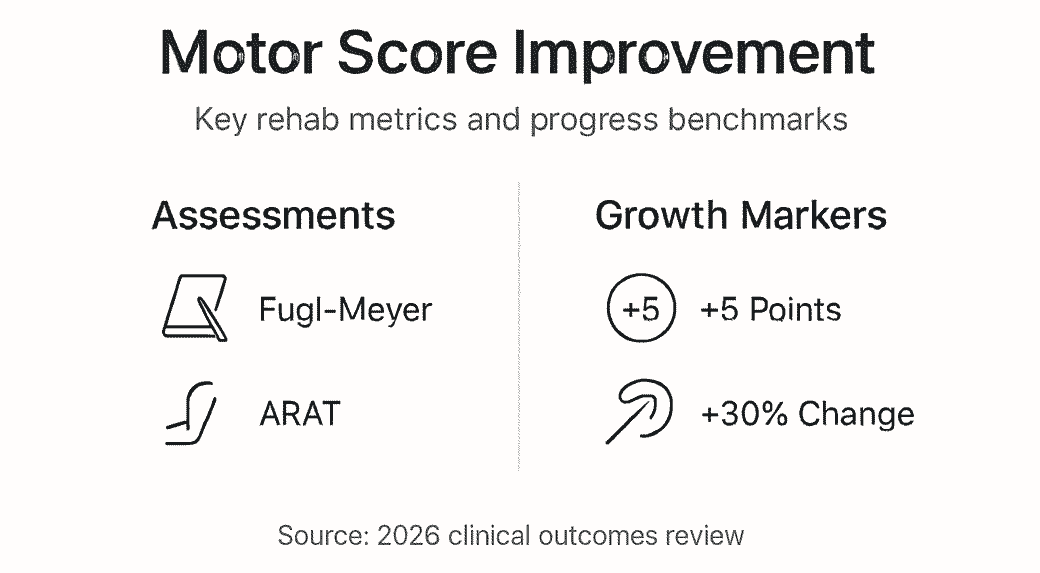
Clinically significant motor improvements are about 5 points for FMA and 5.7 points for ARAT. These thresholds mean the change is noticeable in your daily life, not just on paper.
| Assessment | Score Range | Measures | Clinically Meaningful Change |
|---|---|---|---|
| Fugl-Meyer Upper Extremity | 0-66 | Arm/hand impairment | 5 points |
| Action Research Arm Test | 0-57 | Functional arm/hand use | 5.7 points |
| Modified Rankin Scale | 0-6 | Overall disability | 1 point reduction |
Using these scales regularly tracks objective progress and guides therapy adjustments. Your therapist should administer these tests every 4 to 6 weeks during active recovery. Review your rehab workflow best practices to understand how measurements fit into your overall plan. The Fugl-Meyer Assessment review and ARAT clinical test details provide deeper insight into scoring.
Pro Tip: Ask your therapist to explain your scores in plain language and what specific improvements would move you to the next level. This turns abstract numbers into concrete goals.

Role of Technology-Driven Rehab Tools
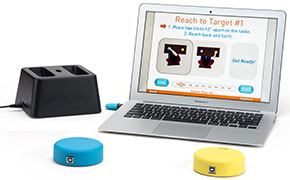
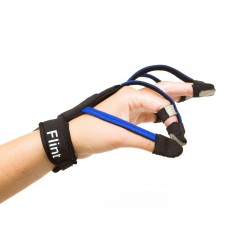
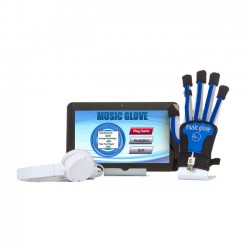
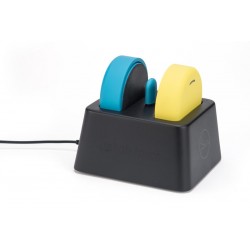
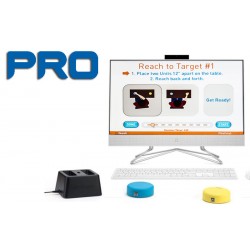
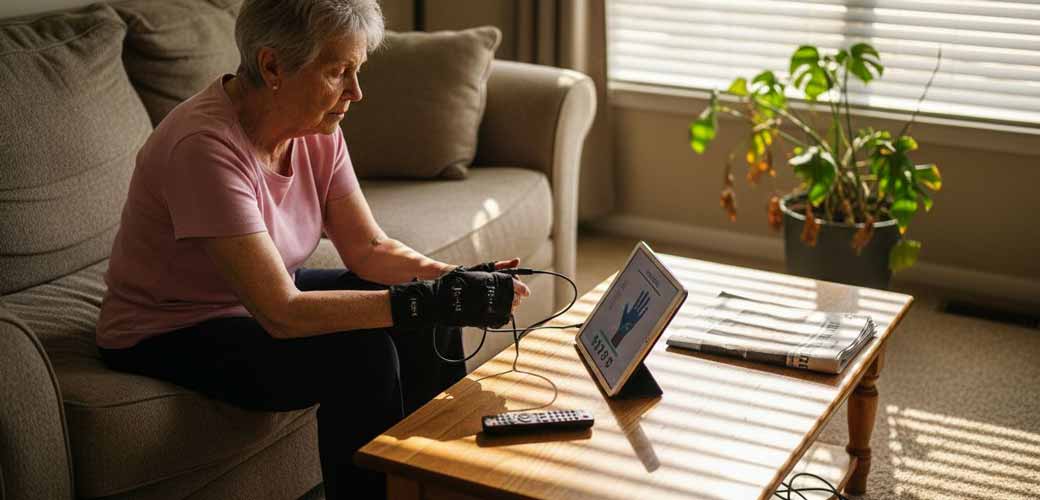
Technology devices encourage motivation through interactive, task-specific workouts that feel less like tedious exercises. Sensors in devices objectively track reps, movement quality, and adherence, providing real-time feedback you can use to adjust your approach. Clinical studies show 25% higher patient adherence with technology-supported home rehab compared to traditional paper-based programs.
Success depends on usability and integration with your overall therapy plan. A high-tech device sitting in the closet won’t help anyone. Consider these factors:
- Ease of setup: Can you start a session independently within 5 minutes?
- Feedback quality: Does the device show progress clearly and celebrate small wins?
- Alignment with goals: Do the exercises target your specific impairments and functional needs?
Explore how technology in stroke rehab transforms outcomes and understand the home rehabilitation benefits available to you. Research on sensor-based rehab devices confirms that objective tracking enhances engagement.
Pro Tip: Choose devices that sync progress data with your therapist so they can adjust your home program based on actual performance, not just what you remember.
Impact of Therapy Intensity on Outcomes
Therapy intensity strongly correlates with motor recovery outcomes. More than 30 hours of focused therapy over 6 weeks yields meaningful clinical gains, roughly double the improvement of low-intensity programs. Task-specific training targets functional movement improvements more effectively than generic exercises.
Patients should aim for consistent, daily practice tailored to goals for best results. This doesn’t mean exhausting yourself. It means:
- Frequency: Practice 5 to 7 days per week, even if sessions are shorter
- Duration: Aim for 45 to 60 minutes of focused therapy daily
- Specificity: Choose exercises that mimic real-life tasks you want to improve
- Progression: Gradually increase difficulty as movements become easier
Review effective rehab intensity strategies that apply to chronic conditions. The rehab intensity meta-analysis provides evidence supporting higher doses.
Patient-Centered Outcome Measures and Goal Setting
Goal Attainment Scaling allows you to define meaningful, personalized rehab goals beyond what standardized tests capture. Setting individual goals improves motivation and engagement in therapy because you’re working toward something that matters to you personally, not just a number on a chart.
GAS complements standardized scales by capturing functional and quality-of-life progress. For example, your Fugl-Meyer score might improve by 3 points, which is good but not yet clinically significant. However, if your personal goal was “button my shirt independently” and you achieve it, that’s meaningful success.
Including your priorities leads to more satisfying and relevant recovery outcomes. Work with your therapist to:
- Identify 3 to 5 specific functional goals that matter most to you
- Define what success looks like for each goal on a scale from -2 (much worse) to +2 (much better)
- Review progress monthly and adjust goals as you achieve them
Learn about goal setting for recovery and effective rehab goal-setting approaches. The GAS patient-centered outcome review explains the methodology.
Pro Tip: Choose at least one goal related to participation, like returning to a hobby or volunteer work. These goals boost quality of life beyond physical improvements.
Common Misconceptions About Rehabilitation Outcomes
Meaningful recovery can extend beyond initial months, often up to 2 years with ongoing therapy. The myth of a 3-month recovery window discourages many patients from continuing effective therapy. Technology tools do not guarantee success without proper use and motivation; a 30% dropout rate exists even with advanced devices.
Standardized clinical scales may not fully capture your experience or meaningful functional gains. A 3-point FMA improvement might not sound impressive, but if it means you can now use a fork independently, that’s life changing. Understanding these facts helps you:
- Set attainable goals based on evidence, not outdated assumptions
- Persist with therapy beyond arbitrary timelines
- Balance objective measures with personal functional milestones
- Avoid frustration when progress feels slow but is actually normal
Address stroke recovery myths to maintain realistic expectations. The stroke recovery timeline study documents extended improvement windows.


Frameworks for Understanding Rehabilitation Outcomes
International Classification of Functioning model includes impairment level, activity limitation, and participation restriction domains essential for goal-setting. This framework helps organize recovery goals from body function to social participation, ensuring you don’t focus only on physical improvements while neglecting daily activities or community involvement.
Using ICF supports balanced progress addressing physical, functional, and life involvement aspects. Applying this model empowers communication with your therapist and tracking across multiple dimensions.
| ICF Domain | What It Measures | Example Goals |
|---|---|---|
| Impairment | Body structure/function | Increase shoulder range of motion to 90 degrees |
| Activity Limitation | Daily task performance | Dress independently within 15 minutes |
| Participation Restriction | Social/community involvement | Return to weekly community group meetings |
Address all three levels for comprehensive recovery. Progress in one domain doesn’t automatically translate to others. You might regain significant arm strength (impairment) but still struggle with buttoning shirts (activity) or feel too embarrassed to attend social events (participation).
Explore comprehensive rehab frameworks for deeper understanding. The International Classification of Functioning provides official documentation.
Bridging Understanding to Practical Rehabilitation Choices
Match rehab tools to your specific motor impairment level and personal goals. If you have minimal hand movement, starting with advanced dexterity exercises will frustrate you. Begin where you are and progress gradually. Evaluate device usability and comfort to ensure consistent use and adherence.
Leverage technology with objective tracking for motivation and progress monitoring. Seeing your repetition count increase or movement quality improve provides tangible evidence of progress during plateaus. Follow these steps:
- Assess your current level using standardized tests with your therapist
- Define 3 to 5 personal goals across impairment, activity, and participation domains
- Research tools and programs that target your specific impairments and goals
- Start with one device or program to avoid overwhelming yourself
- Track progress weekly using both objective measures and personal observations
- Adjust your approach monthly based on what’s working and what isn’t
Regularly assess progress using clinical scales and patient-centered goals to adjust therapy plans. Incorporate therapist guidance when possible for personalized recommendations, especially when choosing between different technology platforms or exercise programs.
Review choosing rehab technology and rehab exercise guidance for practical tips.
Pro Tip: Schedule a monthly review session with your therapist to analyze your home practice data and adjust goals. This prevents you from continuing ineffective exercises out of habit.
Explore Effective Rehabilitation Solutions Tailored to Your Recovery
Now that you understand how rehabilitation outcomes are defined and measured, you can make informed choices about your therapy tools. Tisale Rehab offers rehabilitation kits for stroke and cerebral palsy designed to support the motor recovery goals discussed in this guide.

Our technology-driven tools enhance engagement and provide the objective tracking you need to monitor progress across multiple domains. Explore technology solutions for neuro rehab and access our exercise guide for stroke recovery to build a comprehensive home program. Products align with patient-centered outcome principles and clinical evidence, empowering your journey toward meaningful functional gains.
Frequently Asked Questions
How soon can I expect to see motor function improvements after stroke?
Most patients see initial improvements within 2 to 4 weeks of consistent therapy, but meaningful recovery continues for 12 to 24 months. Early gains tend to be faster, with progress slowing but not stopping after 3 months.
What clinical tests are used to measure my recovery progress?
The Fugl-Meyer Assessment and Action Research Arm Test are the most common standardized tools for measuring motor recovery. Your therapist should administer these every 4 to 6 weeks during active rehabilitation.
Are home rehab devices like FitMi effective for stroke recovery?
Yes, clinical studies show sensor-based home devices improve adherence by 25% and provide objective tracking that enhances outcomes. Effectiveness depends on consistent use aligned with your specific goals and impairment level.
How much therapy do I need each week for meaningful improvements?
Research supports at least 30 hours of focused, task-specific therapy over 6 weeks for clinically significant gains. This translates to roughly 45 to 60 minutes daily, 5 to 7 days per week.
How do I set personalized goals that matter for my recovery?
Use Goal Attainment Scaling with your therapist to define 3 to 5 specific functional goals across impairment, activity, and participation domains. Focus on tasks that impact your daily life and quality of life, not just physical measurements.
Recommended
- Motor Rehab: Improving Movement After Stroke | TisaleRehab.com
- 7 Essential Rehab Tips for Clinicians to Boost Outcomes
- Role of Home Rehabilitation – Transforming Stroke Recovery
- Rehabilitation Workflow for Patients: Effective Therapy Guide
- Types of Diabetes Management in 2026: 40% Less Hypoglycemia | Diacontext
- Daily Mindfulness 2026: Cut Depression 19%, Gain Clarity
38
Be inspired by a story of survival after a stroke


The FitMi kit is perfect for rehabilitation.
Like many other customers, I was skeptical about buying this device because of the price. I bought FitMi for my 21-year-old daughter who suffered a severe brain injury almost two years ago. Movement in her left arm and leg was nearly impossible — until I discovered this kit.
So far, we haven't yet done exercises for the leg, mainly focusing on the arm to restore initial movement in her hand. I also think the disks are a bit too large for her, but with the silicone covers, we manage. From what we can see, exercising with FitMi is something truly extraordinary.
Thank you so much for helping my daughter regain some mobility!
Renata and Mariola (12.04.2020)