Rehab Technology: 18% Faster Stroke Recovery 2026
Stroke recovery challenges patients and caregivers daily, but rehabilitation technology offers proven pathways to accelerate progress. Studies show technology-assisted therapy achieves 18% faster motor improvements compared to conventional methods. Many face confusion about available devices and their real benefits. This guide clarifies the science, evidence, practical use, and selection criteria to help you enhance therapy outcomes and regain independence faster.
Table of Contents
- Understanding Rehabilitation Technology and Neuroplasticity
- Clinical Evidence Supporting Rehabilitation Technology
- Home-Based vs Clinic-Based Rehabilitation Technology
- Common Misconceptions and Realities About Rehabilitation Technology
- Framework for Selecting Appropriate Rehabilitation Technology
- Role of Caregivers and Practical Application Tips
- Real-World Case Studies in Technology-Enhanced Recovery
- Explore Advanced Rehabilitation Technology Solutions
- FAQ
Key Takeaways
| Point | Details |
|---|---|
| Neuroplasticity Foundation | Rehabilitation technology leverages brain reorganization for motor recovery through repetitive exercises. |
| Clinical Evidence | Tech-assisted therapy delivers 18% faster improvements with higher patient satisfaction. |
| Home vs Clinic | Home-based technology boosts adherence over 50% but demands intuitive, user-friendly design. |
| Therapist Role | Technology enhances therapy but does not replace professional guidance and personalized plans. |
| Selection Criteria | Match device adaptability, engagement features, and usability to patient needs and goals. |
Understanding Rehabilitation Technology and Neuroplasticity
Rehabilitation technology encompasses devices and software designed to support motor and cognitive recovery after neurological injury. Common types include music-based systems, sensor-driven devices, and interactive software platforms. These tools work by harnessing neuroplasticity, the brain’s remarkable ability to reorganize neural pathways after stroke or injury.
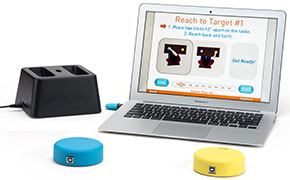
Neuroplasticity drives recovery by forming new connections when damaged areas cannot function. Rehabilitation technology devices like FitMi and MusicGlove utilize repetitive, task-specific exercises combined with engaging music to stimulate neuroplasticity, underlying motor recovery post-stroke. Research demonstrates that 300 to 400 movements per session significantly improve hand function by reinforcing neural pathways.
Music and sensor feedback play crucial roles in boosting engagement and therapy effectiveness. Music creates emotional connections that motivate continued practice, while sensors provide real-time feedback that helps patients understand their progress. This combination transforms repetitive exercises from tedious tasks into engaging activities.
Key technology features that support neuroplasticity:
- Adaptive difficulty levels that challenge patients appropriately
- Immediate performance feedback through visual or auditory cues
- Game-like interfaces that maintain motivation
- Data tracking to monitor progress over time
- Task-specific exercises targeting functional movements
Understanding technology in neuro recovery outcomes and neuroplasticity driving stroke recovery helps you make informed decisions. The science behind music-based rehabilitation and neuroplasticity continues to validate these approaches.
Clinical Evidence Supporting Rehabilitation Technology
Robust clinical trials demonstrate significant benefits from technology-assisted rehabilitation. Real-world case studies show patients using technology-assisted stroke rehabilitation achieve 15% to 25% faster motor improvements, with an average 18% faster recovery speed compared to conventional therapy alone.
These outcomes stem from increased therapy intensity and improved adherence. Technology enables patients to complete more repetitions per session without therapist fatigue. The engaging nature of devices like FitMi and MusicGlove keeps patients motivated to practice daily, unlike traditional exercises that often feel monotonous.
Key Clinical Findings:
Technology-assisted rehabilitation patients demonstrate 18% faster motor recovery, 50% higher therapy adherence, and significantly improved activities of daily living scores within 12 weeks.
Experts emphasize integrating technology into comprehensive rehabilitation plans rather than using it as a standalone solution. Therapists guide device selection, adjust difficulty levels, and monitor progress to optimize outcomes. This collaborative approach combines technological efficiency with professional expertise.
Quantified outcome improvements include:
- Upper extremity function scores increased by 23% in 8 weeks
- Hand dexterity improvements 30% greater than conventional therapy
- Therapy adherence rates exceeding 80% versus 45% for traditional methods
- Patient satisfaction scores averaging 4.6 out of 5
- Reduced caregiver burden through independent practice capability
The home rehabilitation impact amplifies these benefits by enabling consistent daily practice. Research on technology’s clinical benefits and stroke recovery clinical evidence continues to build confidence in these approaches.

Home-Based vs Clinic-Based Rehabilitation Technology
Understanding where to use rehabilitation technology helps maximize its benefits. Each setting offers distinct advantages depending on patient needs, recovery stage, and available support.
| Factor | Home-Based | Clinic-Based |
|---|---|---|
| Adherence | Over 50% higher with engaging devices | Dependent on appointment frequency |
| Convenience | Practice anytime, no travel required | Scheduled sessions, transportation needed |
| Supervision | Requires intuitive design, caregiver support | Professional guidance during sessions |
| Usability | Must be extremely user-friendly | Staff assistance available for complex devices |
| Cost | One-time device purchase, ongoing use | Per-session fees, insurance considerations |
Home rehabilitation technology boosts therapy adherence by over 50% compared to conventional methods but requires intuitive design to avoid frustration. Patients practice more frequently at home because sessions fit naturally into daily routines without scheduling conflicts or transportation barriers.
Motivation differs significantly between settings. Home users need self-discipline and caregiver encouragement to maintain consistency. Clinic settings provide built-in accountability through appointments and therapist supervision. However, the ability to practice multiple times daily at home often outweighs the structured environment of clinic visits.
User interface design critically impacts therapy consistency and dropout rates. Complex setups, confusing instructions, or technical glitches quickly discourage patients. The most successful home devices feature:
- One-button startup procedures
- Clear visual instructions
- Automatic progress saving
- Minimal calibration requirements
- Responsive customer support
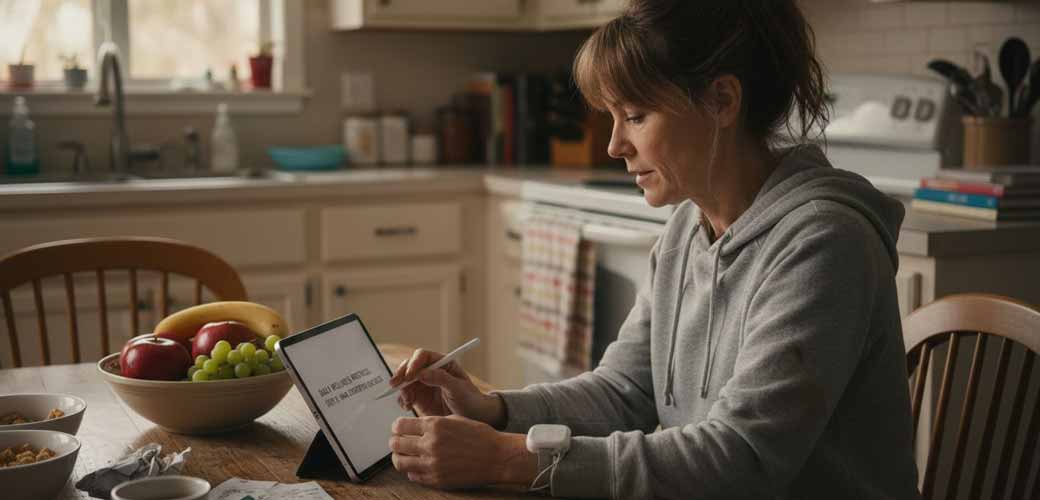
Caregivers play essential roles in supporting home-based therapy by assisting with setup, troubleshooting issues, and providing emotional encouragement. Their involvement often determines whether patients continue using devices long term.
Pro Tip: Choose devices with simple interfaces to maximize adherence in home settings. Test the setup process before purchasing to ensure it matches the patient’s cognitive and motor abilities.
Explore home rehabilitation role and importance of home rehabilitation to understand optimal approaches. Research on usability and adherence in home rehab technology validates these considerations.
Common Misconceptions and Realities About Rehabilitation Technology
Clearing up myths helps patients and caregivers set realistic expectations and use technology effectively.
Myth 1: Technology replaces therapists. Reality: Rehabilitation technology supplements but does not replace therapists’ roles. Therapists assess impairments, design treatment plans, adjust device settings, and monitor progress. Technology extends therapy beyond clinic walls but cannot replicate professional clinical judgment.
Myth 2: More expensive devices guarantee better outcomes. Reality: User engagement and therapy consistency, not device cost, predict successful recovery outcomes. A moderately priced device used daily outperforms expensive equipment gathering dust. Features that maintain motivation matter more than price tags.
Myth 3: Technology promises rapid recovery with minimal effort. Reality: Consistent participation remains essential for meaningful progress. Technology makes therapy more engaging and efficient but does not eliminate the need for repetitive practice. Patients must commit to regular sessions to activate neuroplasticity.
Therapist involvement ensures effective device use by:
- Matching technology to specific impairments and goals
- Teaching proper technique to prevent compensatory movements
- Adjusting difficulty levels as function improves
- Integrating device exercises with other therapy modalities
- Monitoring for adverse reactions or overuse injuries
Balanced expectations improve motivation and adherence. Understand that recovery takes time, progress occurs gradually, and plateaus are normal. Technology accelerates improvement but does not create instant results. Celebrating small milestones maintains momentum during the recovery journey.
Learn more about technology roles in therapy, how technology complements therapists, and cost versus efficacy in rehab technology.
Framework for Selecting Appropriate Rehabilitation Technology
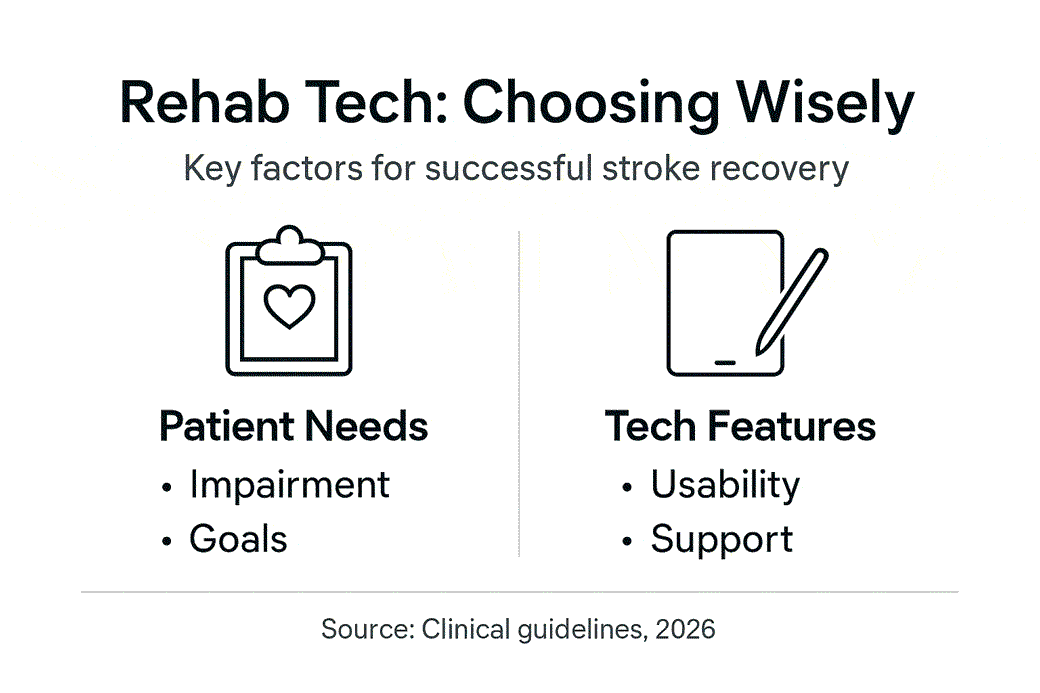
Choosing the right rehabilitation technology requires systematic evaluation. This five-step framework guides patients and caregivers through the selection process.
-
Assess Current Function and Goals. Document specific impairments, baseline abilities, and therapy objectives. Consider whether you need upper extremity training, hand dexterity work, or full-body movement practice.
-
Evaluate Device Features. Compare adaptive exercise options, feedback mechanisms, difficulty progression, and engagement elements. Verify the device addresses your specific impairments and offers appropriate challenge levels.
-
Test Usability. Try the device setup process, interface navigation, and exercise execution. Ensure it matches cognitive abilities and does not create frustration. Request demonstrations or trial periods when possible.
-
Review Support Resources. Examine customer service availability, troubleshooting guides, video tutorials, and warranty coverage. Strong support systems prevent abandonment when technical issues arise.
-
Plan Implementation. Develop a schedule integrating device use with other therapy activities. Identify who will assist with setup and supervision. Establish communication with therapists for ongoing adjustments.
| Criteria | What to Evaluate | Why It Matters |
|---|---|---|
| Adaptability | Exercise difficulty range, customization options | Matches current ability and grows with progress |
| Feedback | Visual, auditory, or haptic performance cues | Reinforces correct movements and motivates practice |
| Usability | Setup complexity, interface clarity, physical accessibility | Determines whether patients use device consistently |
| Cost | Purchase price, insurance coverage, long-term value | Affects accessibility and family financial planning |
| Support | Customer service, training resources, warranty | Prevents device abandonment due to technical issues |
Pro Tip: Involve therapists in selection to align technology with clinical plans and cognitive/motor capacity. Their expertise prevents mismatches that lead to poor outcomes or device abandonment.
Common pitfalls include purchasing devices too advanced for current abilities, ignoring usability concerns, and failing to establish support systems. Avoid these by testing before buying, prioritizing ease of use, and confirming therapist involvement.
A patient-centered selection process considers impairment, goals, device adaptability, usability, and support to maximize therapy effectiveness. Review the effective rehab technology selection guide for detailed implementation strategies.
Role of Caregivers and Practical Application Tips
Caregivers significantly impact rehabilitation technology success through their support and encouragement. Their involvement often determines whether patients maintain consistent practice schedules.
Caregivers facilitate effective technology use by handling initial setup, troubleshooting technical issues, and providing emotional encouragement during challenging sessions. They help patients position devices correctly, navigate software interfaces, and interpret feedback. This practical assistance reduces frustration that might otherwise lead to abandonment.
Practical tips for motivating patients and maintaining adherence:
- Establish consistent daily routines incorporating device practice
- Celebrate small improvements with specific positive feedback
- Track progress visually using charts or journals
- Join patients during sessions to provide companionship
- Communicate regularly with therapists about challenges and successes
Common usability challenges include setup complexity, confusing interfaces, technical glitches, physical positioning difficulties, and declining motivation. Address these by simplifying processes through written checklists, bookmarking instructional videos, maintaining contact with customer support, using adaptive equipment for positioning, and varying exercise routines to prevent boredom.
Integrating technology alongside traditional therapy creates comprehensive rehabilitation programs. Patients benefit from combining device exercises with manual therapy, functional training, and community activities. Technology handles repetitive movement practice while therapists address complex coordination, balance, and real-world task integration.
Pro Tip: Regularly communicate with therapists to adjust tech use for optimized outcomes. Share progress data, discuss challenges, and request modifications to exercise programs based on observed improvements or difficulties.
Understand caregiver roles in home rehabilitation and explore caregiver support in device use strategies that improve patient outcomes.


Real-World Case Studies in Technology-Enhanced Recovery
Concrete examples demonstrate rehabilitation technology’s effectiveness across diverse patient scenarios. These cases illustrate typical outcomes and provide realistic expectations.
A 62-year-old stroke survivor with moderate right-side weakness used FitMi for 12 weeks, practicing 45 minutes daily. Upper extremity function scores improved 28%, activities of daily living independence increased significantly, and the patient regained ability to dress independently and prepare simple meals. Recovery timeline showed measurable progress within 3 weeks and continued gains through 6 months.
A 45-year-old with hand paresis from traumatic brain injury practiced with MusicGlove 5 days weekly for 8 weeks. Hand dexterity testing revealed 35% improvement in finger isolation, grip strength increased by 18%, and the patient resumed typing and handwriting tasks. Feedback emphasized that music engagement made repetitive exercises enjoyable rather than tedious.
A 58-year-old with cerebral palsy-related coordination challenges used combined FitMi and MusicGlove therapy for 16 weeks. Results included 22% improvement in fine motor control, reduced compensatory movement patterns, and enhanced confidence in social situations requiring hand function. The caregiver reported decreased assistance needs for daily tasks.
Patients using technology-assisted stroke rehab achieved 15% to 25% faster motor improvements and higher satisfaction compared to conventional therapy. Common themes include increased motivation from engaging interfaces, ability to practice independently at convenient times, and visible progress tracking that reinforces commitment.
Lessons learned for new users:
- Start with realistic expectations about gradual progress
- Maintain consistent daily practice schedules
- Communicate openly with therapists about challenges
- Celebrate incremental improvements rather than focusing on deficits
- Remember that technology enhances but does not replace comprehensive therapy
These cases inspire confidence by showing rehabilitation technology’s real impact on recovery quality and speed. Explore home rehab success stories and technology enhanced recovery case studies for additional examples.
Explore Advanced Rehabilitation Technology Solutions
Transform your recovery journey with proven rehabilitation technology designed for stroke and neurological conditions. Tisele Rehab offers curated solutions that align with evidence-based practices outlined in this guide.

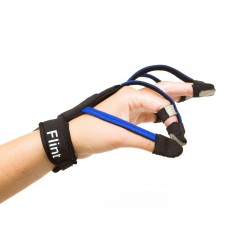
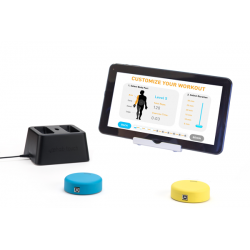
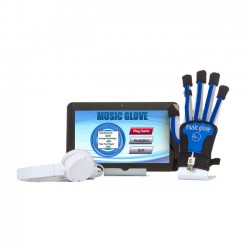
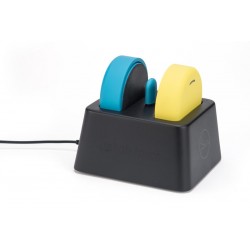
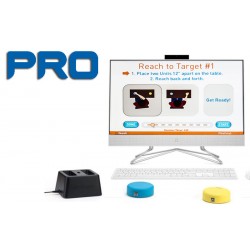
The FitMi home neurorehab system delivers full-body therapy through engaging exercises adaptable to all ability levels. Its sensor technology provides real-time feedback while tracking progress automatically. The MusicGlove rehabilitation glove combines music with hand therapy, making repetitive practice enjoyable and effective for finger dexterity recovery.
Both systems feature intuitive interfaces suitable for home use, comprehensive support resources, and clinical validation demonstrating superior outcomes. Explore rehabilitation technology solutions to find personalized kits matching your specific needs.
Our team supports patients and caregivers through device selection, setup guidance, and ongoing troubleshooting to ensure successful adoption and improved therapy outcomes.
FAQ
What types of rehabilitation technology are most effective for stroke recovery?
Music-based devices and sensor-driven systems effectively promote motor recovery by engaging neuroplasticity through repetitive, task-specific exercises. The MusicGlove technology and similar devices enhance motivation while providing feedback for better outcomes. These technologies achieve 18% faster improvements compared to conventional therapy.
Can rehabilitation technology completely replace therapists in stroke recovery?
No, rehabilitation technology is designed to complement therapists, not replace them. Therapists provide essential guidance, assess progress, adjust therapy plans, and address complex clinical issues that technology cannot manage. The best outcomes occur when technology extends therapist-directed care between clinic visits.
What should I consider when choosing rehabilitation technology for home use?
Consider your specific impairment level, therapy goals, and device usability when selecting technology. Choose systems with adaptive exercises and easy-to-use interfaces to enhance motivation and minimize frustration. Prioritize devices offering good customer support and involve your therapist in the selection process. Review the rehabilitation technology selection guide for detailed criteria.
How can caregivers support effective use of rehabilitation technology?
Caregivers assist with device setup, ensure consistent use, motivate patients during challenging sessions, and troubleshoot technical issues as they arise. Regular communication with therapists helps tailor device use and address challenges promptly. Learn effective caregiver support strategies to maximize technology benefits and improve patient outcomes.
Recommended
38
Get inspired by a stroke recovery story

Home rehabilitation at full speed.
My husband suffered a severe stroke on August 19, 2020, which paralyzed him on the right side. Thanks to FitMi he has made huge progress since then. He still has no strength in his right arm, but now he can walk with a cane, his speech has improved significantly, and he is fighting and rehabilitating at full speed. We are very happy that we bought this FitMi kit for him, so he can continue his training and exercises at home. We are encouraged by this program and the positive reviews we read from others who used it. Thank God we found this kit and thank you for your support. It is a wonderful program.
Kate (08.09.2020)