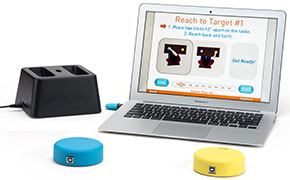
Set Rehabilitation Goals in 2026: Boost Recovery by 25%
Setting clear rehabilitation goals after stroke or neurological injury often feels overwhelming. Many patients struggle with vague targets that lead to frustration and abandoned therapy routines. Research shows that structured, technology-assisted goals can increase motivation and recovery rates by up to 25%. This guide teaches you how to set effective rehab goals using proven methods, leverage therapy tools like FitMi and MusicGlove, avoid common mistakes, and track your progress safely for optimal recovery outcomes.
Table of Contents
- Prerequisites And What You Need
- Stepwise Approach To Set Rehabilitation Goals
- Use Of Technology And Therapy Kits In Goal Achievement
- Common Failure Points And How To Fix Them
- Safety Considerations And Warnings
- Expected Results And Outcomes
- Discover Effective Rehab Kits & Tech For Your Recovery
- Frequently Asked Questions
Key Takeaways
| Point | Details |
|---|---|
| SMART criteria improve adherence | Using specific, measurable goals increases therapy adherence by 30% compared to vague targets. |
| Technology accelerates recovery | Tools like FitMi boost therapy repetitions by 200-300%, dramatically speeding motor function gains. |
| Weekly milestones increase motivation | Breaking goals into smaller weekly steps raises patient motivation by 15-25%. |
| Regular reassessment prevents plateaus | Evaluating progress every 2-4 weeks keeps recovery on track and adapts to changing needs. |
| Safety protocols reduce injury risk | Guided device feedback and proper form prevent setbacks during home rehabilitation sessions. |
Prerequisites and What You Need
Before setting your rehabilitation goals, you need the right foundation. Understanding your current recovery stage and having access to appropriate tools ensures you create realistic, achievable targets that drive meaningful progress.
First, grasp how your stroke or neurological injury affects motor function. Each patient’s impairment differs based on injury location and severity. Knowing your baseline abilities helps you set appropriate starting points. Second, access to therapy tools like FitMi or MusicGlove for home use dramatically improves outcomes. Less than 50% of stroke patients adhere to home exercise regimens when goals lack technological support.
Third, learn the basics of the SMART goal framework. This method creates specific, measurable, achievable, relevant, and time-bound objectives. Fourth, assess your personal recovery stage honestly. Are you in acute recovery (0-6 months post-injury) or chronic stages (beyond 6 months)? Your timeline affects goal setting. Finally, plan your budget for therapy devices or treatments. Quality rehab technology represents an investment in faster, more effective recovery.
Essential prerequisites checklist:
- Medical clearance from your doctor or therapist to begin home exercises
- Understanding of your specific motor impairments and safety limitations
- Access to rehabilitation technology or commitment to acquire it
- Quiet, safe space in your home for daily therapy sessions
- Support system of family or caregivers who can assist when needed
- Basic understanding of how stroke recovery exercises work
| Resource Type | Purpose | Estimated Cost |
|---|---|---|
| Therapy device (FitMi, MusicGlove) | Increase repetitions and provide feedback | $400-$1,200 |
| Progress tracking app or journal | Monitor improvements weekly | Free-$50 |
| Professional consultations | Initial assessment and periodic reviews | $100-$300 per session |
| Educational materials | Learn proper techniques and safety | Free-$100 |
Gathering these prerequisites positions you for successful goal setting. Without proper tools and knowledge, even well-intentioned goals often fail.
Stepwise Approach to Set Rehabilitation Goals
Creating effective rehabilitation goals follows a proven process. This structured approach transforms vague hopes into concrete action plans that produce measurable results.
Step 1: Assess your current motor function and recovery level
Start by honestly evaluating what you can and cannot do today. Document specific abilities like range of motion, grip strength, walking distance, or fine motor tasks. Use objective measures whenever possible. Record a baseline video of yourself performing key movements. This creates a reference point for tracking progress.
Step 2: Set SMART goals
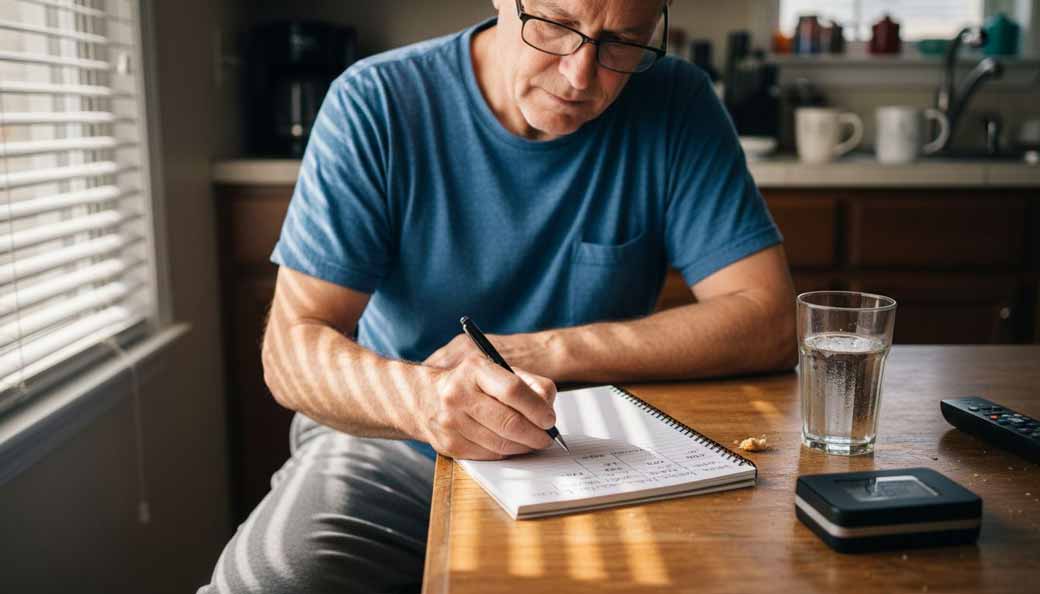
Transform general wishes into specific targets. Instead of “improve my hand,” write “increase right hand grip strength from 10 pounds to 20 pounds in 8 weeks.” SMART criteria improve rehabilitation adherence by up to 30% compared to non-specific goals. Each goal must be specific (exact movement or function), measurable (numeric value), achievable (realistic given your condition), relevant (matters to your daily life), and time-bound (clear deadline).
Step 3: Break long-term goals into weekly targets
Large goals overwhelm and discourage. Divide your 8-week grip strength goal into weekly increases of 1-2 pounds. Patients setting smaller weekly goals report 15-25% higher motivation throughout their recovery journey. Weekly wins build momentum and confidence.
Step 4: Incorporate technology-assisted practice
Integrate devices like FitMi or MusicGlove into your effective rehabilitation workflow. These tools provide immediate feedback, track repetitions automatically, and gamify exercises to maintain engagement. Technology removes guesswork and ensures you practice with proper form and intensity.
Step 5: Schedule regular goal reassessment every 2-4 weeks
Recovery is not linear. Review progress biweekly and adjust targets up or down based on actual performance. If you exceed a goal early, increase difficulty. If progress stalls, modify the approach or extend the timeline. This flexibility prevents frustration and maintains realistic expectations.
Pro Tip: Write your goals on paper and post them where you see them daily. Visual reminders increase follow-through by keeping your targets front of mind during challenging moments when motivation dips.
This stepwise approach works because it combines structure with flexibility. Follow these steps using resources like the rehabilitation exercise guide to create goals that drive consistent action and measurable improvement.

Use of Technology and Therapy Kits in Goal Achievement
Rehabilitation technology transforms goal setting from abstract planning into concrete, measurable action. Devices like FitMi and MusicGlove provide the repetition intensity, feedback, and engagement needed to accelerate recovery beyond traditional therapy alone.
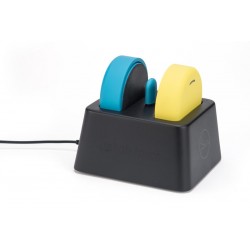
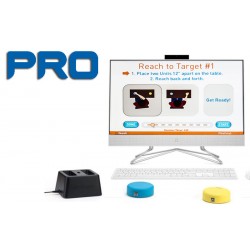
FitMi dramatically increases therapy repetitions, the key driver of neuroplasticity and motor recovery. Technology-assisted rehabilitation tools like FitMi can increase therapy repetitions by 200-300% compared to conventional exercises. The device uses sensors to track each movement, providing instant feedback on form and range of motion. This ensures you practice correctly and safely, even without constant therapist supervision.
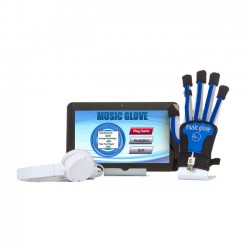
MusicGlove therapy promotes neural plasticity through engaging, music-based hand exercises. MusicGlove enhances hand motor learning leading to 20-30% faster recovery of hand function compared to traditional exercises. The gamified approach maintains motivation during repetitive practice, which research shows is essential for rewiring damaged neural pathways. Patients report higher satisfaction and adherence when therapy feels engaging rather than tedious.
Beyond repetitions, device feedback ensures safe exercise form and prevents injury. Real-time corrections help you maintain proper technique, reducing strain and compensatory movement patterns that can hinder recovery. Digital progress tracking maintains engagement and motivation by showing concrete improvements over time. Engagement with goal-oriented rehab technology shows 40% higher patient satisfaction compared to traditional methods.
Key benefits of therapy technology:
- Automated tracking eliminates manual logging and provides accurate data
- Immediate feedback corrects form before bad habits develop
- Gamification maintains interest during repetitive practice sessions
- Adjustable difficulty scales with your improving abilities
- Home accessibility enables consistent daily practice
Consider device cost and accessibility when selecting therapy tools. The FitMi and MusicGlove rehab kit represents a one-time investment that delivers months or years of guided practice. Compare this to ongoing clinic visit costs and travel time.
| Technology Feature | Benefit to Goal Achievement | Impact on Recovery |
|---|---|---|
| Automated rep counting | Ensures adequate practice intensity | 200-300% more repetitions |
| Real-time feedback | Maintains proper form and safety | Reduces injury risk |
| Progress visualization | Boosts motivation through visible gains | 40% higher satisfaction |
| Adaptive difficulty | Keeps exercises challenging but achievable | Continuous improvement |
| Gamified exercises | Increases adherence to therapy routine | 15-25% better motivation |
Pro Tip: Start with 15-20 minute daily sessions using your therapy device, then gradually increase to 30-45 minutes as endurance improves. Consistency matters more than long individual sessions.
Integrating technology into your rehabilitation plan amplifies the effectiveness of goal setting. Learn more about technology’s role in neuro recovery to maximize your results.
Common Failure Points and How to Fix Them
Even well-intentioned rehabilitation plans fail when patients make predictable mistakes. Recognizing these pitfalls early and implementing fixes keeps your recovery on track.
The most common error is setting goals that are too big, vague, or unrealistic. Overly ambitious or vague goals lead to discouragement in 40% of patients, causing them to abandon therapy routines. Fix this by breaking large objectives into smaller weekly milestones. Instead of “walk independently,” target “walk 50 feet with cane by week 4, then 100 feet by week 8.”
Low motivation strikes most patients at some point. When enthusiasm drops, your goals may be too difficult or progress too slow. Adjust targets downward temporarily to build confidence through achievable wins. Even small victories reignite motivation. Consider adding variety to exercises or switching between different therapy modalities to maintain interest.
Losing momentum happens when gaps appear between milestones. Set smaller, more frequent checkpoints. Daily or every-other-day mini-goals create regular positive reinforcement. Track progress visibly using charts or photos that document improvement.
Fatigue and progress plateaus are normal parts of recovery. When you hit a plateau, first ensure you are getting adequate rest, nutrition, and sleep. Then modify your approach by trying different exercises targeting the same function or increasing practice intensity slightly. Consult your therapist for professional perspective on whether the plateau is temporary or requires strategy changes.
Solutions to common problems:
- Discouragement from slow progress: Focus on effort and consistency, not just outcomes
- Boredom with repetitive exercises: Rotate between multiple activities targeting the same goal
- Uncertainty about proper technique: Use device feedback or record yourself for form checks
- Inconsistent practice schedule: Set specific daily times and treat them as non-negotiable appointments
- Family not understanding your needs: Share your written goals and educate them on how to help
Pro Tip: When motivation drops, revisit your “why.” Write down the specific daily activities you want to regain (cooking, playing with grandchildren, returning to hobbies). Keep this list visible and read it before each therapy session.
Safety lapses represent another failure point. Ensure you use guided feedback from devices and consult health professionals when changing intensity or exercise plans. Never push through sharp pain or dizziness. Apply these rehab tips to boost outcomes while avoiding setbacks.
Recognizing these patterns early and applying specific fixes prevents temporary setbacks from becoming permanent derailments.
Safety Considerations and Warnings
Rehabilitation exercises carry injury risks when performed incorrectly or too aggressively. Following safety guidelines protects your progress and prevents setbacks that could delay recovery by weeks or months.
Risk of injury increases significantly with improper form and overexertion. Compensatory movement patterns develop when you try to complete exercises beyond your current ability, leading to muscle strain, joint stress, or falls. Always prioritize quality over quantity. Ten perfect repetitions beat fifty sloppy ones.
Use electronic device feedback to maintain correct exercise technique. FitMi and similar tools provide real-time correction when your form drifts. This immediate feedback catches errors before they become ingrained habits. Pay attention to device cues about range of motion, speed, and symmetry.
Consult therapists or doctors before changing intensity or exercise plans abruptly. Sudden increases in difficulty or duration can cause muscle tears, overuse injuries, or cardiovascular stress. Gradual progression allows your body to adapt safely. Most experts recommend increasing intensity by no more than 10% per week.
Critical safety rules:
- Never exercise through sharp or increasing pain (mild discomfort is normal, pain is not)
- Stop immediately if you experience dizziness, chest pain, or severe shortness of breath
- Use sturdy furniture or walls for balance support during standing exercises
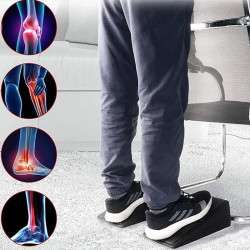
- Wear non-slip footwear during mobility and balance practice
- Keep emergency contacts and phone within reach during home sessions
- Have someone nearby if attempting challenging new movements for the first time
Avoid unsupervised rapid increases in therapy intensity. The urge to accelerate recovery is understandable, but pushing too hard causes burnout or injury. Follow your established progression plan and adjust only during scheduled reassessment periods.
Set up a safe, clutter-free environment to prevent falls or accidents. Remove loose rugs, electrical cords, and obstacles from your exercise area. Ensure adequate lighting and keep the space dry. Review home rehabilitation safety guidelines for comprehensive setup instructions.
“Safety is not just about avoiding injury. It’s about creating an environment where you can practice with confidence, knowing you can push your limits appropriately without unnecessary risk.”
Medications can affect balance, coordination, and reaction time. Understand how your prescriptions impact exercise tolerance and timing. Some patients exercise better at specific times of day when medication effects are optimal.
Recognize warning signs that require professional consultation: persistent pain lasting beyond exercise sessions, new numbness or tingling, significant balance changes, or sudden decrease in function. These symptoms may indicate overtraining or medical complications requiring immediate attention.


Expected Results and Outcomes
Understanding realistic timelines and outcomes helps you stay motivated and recognize genuine progress. Recovery varies by individual, but research provides clear benchmarks for what structured goal setting and technology use can achieve.
Most patients see measurable motor improvement within 6-12 weeks with effective goal setting and consistent practice. Initial gains often appear faster as your nervous system relearns basic movement patterns. Progress typically slows but continues for months or years with ongoing effort. The greatest recovery usually occurs in the first 3-6 months post-stroke, though chronic-stage patients still achieve meaningful gains.
Technology-assisted rehab can increase therapy repetitions by up to 300%, dramatically speeding recovery compared to conventional approaches. This repetition intensity drives neuroplasticity, the brain’s ability to form new neural connections that bypass damaged areas. More practice creates stronger, more automatic movement patterns.
Frequent goal reassessment improves functional independence by 18% compared to static goal approaches. Regular adjustments keep targets appropriately challenging and prevent wasted effort on outdated objectives. This adaptive strategy maintains optimal difficulty throughout your recovery journey.
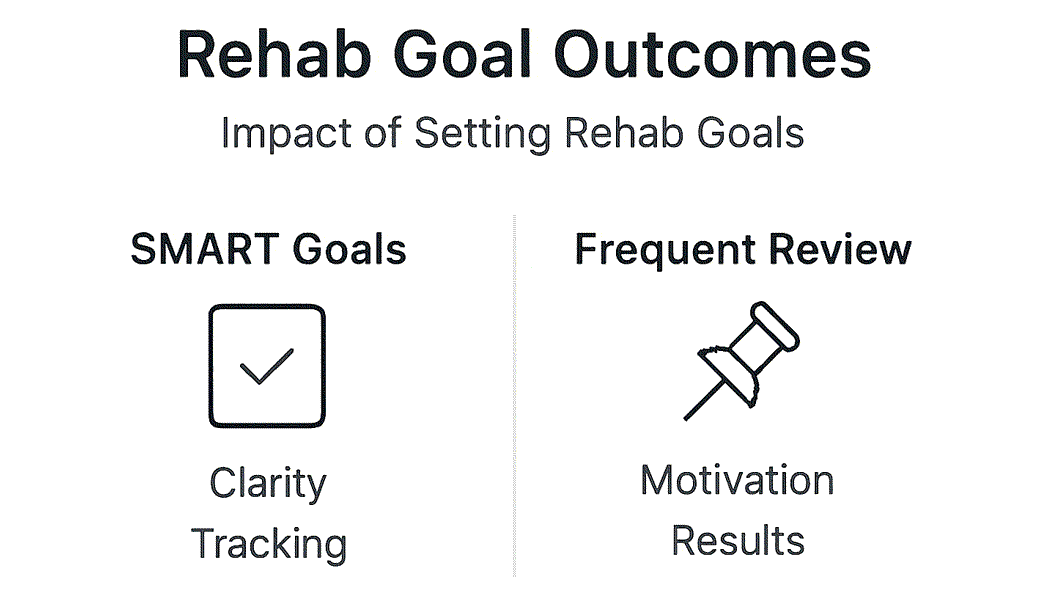
Higher motivation and engagement correlate directly with better recovery outcomes. Patients who maintain consistent practice schedules and positive attitudes typically exceed initial prognosis. Clear expectations help maintain persistence and reduce frustration during inevitable plateaus.
| Timeline | Expected Progress | Key Milestones |
|---|---|---|
| Weeks 1-4 | Initial adaptation to exercises, baseline establishment | Complete first goal cycle, establish routine |
| Weeks 5-8 | Noticeable strength and coordination improvements | Achieve first measurable goal, increase intensity |
| Weeks 9-12 | Functional gains in daily activities | Reduced assistance needs, improved independence |
| Months 4-6 | Continued steady progress, possible plateau | Reassess long-term goals, adapt strategy |
| Beyond 6 months | Slower but ongoing improvements | Maintenance and further refinement of skills |
Realistic expectations include understanding that recovery is not linear. You will experience good days and challenging days. Some weeks show dramatic improvement while others feel stagnant. This variability is normal and does not indicate failure.
Functional outcomes matter more than raw measurements. Regaining the ability to button a shirt or walk to your mailbox independently represents meaningful success, even if clinical measures show modest numerical changes. Focus on real-world impact alongside clinical metrics.
Monitor these signs of stroke recovery to recognize progress you might otherwise miss. Small improvements in sensation, reduced spasticity, or better balance often precede obvious functional gains.
For detailed outcome benchmarks specific to your condition and therapy approach, review neuro rehab outcome specifications used by professionals.
Realistic optimism drives the best outcomes. Expect meaningful improvement with consistent effort while accepting that full recovery may not occur. Focus on maximizing your personal potential rather than comparing yourself to others or pre-injury abilities.
Discover Effective Rehab Kits & Tech for Your Recovery
You now understand how structured goal setting accelerates recovery. The next step is accessing tools that transform plans into measurable progress.

Tisele Rehab’s innovative kits like FitMi and MusicGlove support your rehabilitation goals through technology-assisted devices. These clinically-proven systems help increase therapy intensity and maintain motivation during home practice. Designed specifically for stroke and neurological recovery, our products maximize your progress by delivering the high-repetition practice essential for rewiring neural pathways. Explore Tisele Rehab kits for neuro recovery to find solutions matching your specific goals and stage of recovery.
Frequently Asked Questions
What if I don’t see progress after a few weeks of goal setting?
First, verify you are practicing with adequate intensity and proper form using device feedback. Progress often appears in small increments before becoming obvious. Reassess your goals to ensure they are truly SMART and achievable given your starting point. Consult your therapist to rule out medical factors or technique issues. Sometimes adjusting exercise type or timing reveals hidden progress that was occurring all along.
How can I stay motivated when rehab feels repetitive?
Rotate between multiple exercises targeting the same function to add variety while maintaining focus. Use technology’s gamification features to make practice feel less like work. Set up a reward system for hitting weekly milestones. Connect with other recovery patients online or in support groups for encouragement. Remember your “why” by keeping photos or notes about activities you want to reclaim prominently displayed in your exercise space.
Are these therapy devices safe to use without constant supervision?
Yes, devices like FitMi and MusicGlove are designed for safe home use after initial training. They provide real-time feedback that guides proper form and prevents dangerous movements. However, always follow manufacturer instructions and medical clearance guidelines. Have someone nearby when first attempting challenging exercises, and stop immediately if you experience pain or unusual symptoms.
How often should I update my rehabilitation-goals?
Reassess goals every 2-4 weeks to maintain appropriate challenge levels. Some patients benefit from weekly micro-adjustments to stay motivated. Major goal revisions typically occur monthly or when you complete a significant milestone. Your reassessment schedule should match your recovery pace, which varies individually and changes over time.
Can family members help me with using rehab technology at home?
Absolutely. Family involvement often improves outcomes by providing encouragement, assistance with device setup, and accountability. Train family members on proper spotting techniques for safety during exercises. They can help track your progress, celebrate milestones, and provide motivation during challenging periods. However, ensure they understand the importance of letting you perform exercises independently to build strength and neural connections, offering help only when safety requires it.
Recommended
38
Be inspired by a story of survival after a stroke


The FitMi kit is perfect for rehabilitation.
Like many other customers, I was skeptical about buying this device because of the price. I bought FitMi for my 21-year-old daughter who suffered a severe brain injury almost two years ago. Movement in her left arm and leg was nearly impossible — until I discovered this kit.
So far, we haven't yet done exercises for the leg, mainly focusing on the arm to restore initial movement in her hand. I also think the disks are a bit too large for her, but with the silicone covers, we manage. From what we can see, exercising with FitMi is something truly extraordinary.
Thank you so much for helping my daughter regain some mobility!
Renata and Mariola (12.04.2020)