
Physical Therapy Best Practices: 20% Better Recovery
Technology-assisted physical therapy can improve stroke recovery outcomes by up to 20% more than traditional exercises. Patients and caregivers often struggle to identify effective, engaging home therapy approaches that truly accelerate neurological recovery. This article provides evidence-based guidance on selecting, implementing, and personalizing physical therapy practices for stroke and neurological conditions, empowering you to make informed decisions about your rehabilitation journey.
Table of Contents
- Selection Criteria For Physical Therapy Approaches And Tools
- Technology-Assisted Physical Therapy Devices: Evidence And Comparison
- Therapy Frequency, Intensity, And Integrated Modalities For Motor Skill Recovery
- Engagement And Motivation Strategies In Home Physical Therapy
- Cost, Accessibility, And Personalization Of Therapy Modalities
- Summary Comparison And Situational Recommendations For Stroke And Neurological Recovery
- Discover Effective Rehabilitation Kits And Solutions At Tisele Rehab
- Frequently Asked Questions
Key Takeaways
| Point | Details |
|---|---|
| Evidence Matters | Choose devices backed by clinical studies showing measurable motor function improvements. |
| Engagement Drives Results | Gamification and music therapy increase adherence from 50% to 70% in stroke patients. |
| Combine Modalities | Integrated fine and gross motor training yields 18% higher functional outcomes. |
| Personalize Therapy | Tailor frequency, intensity, and device selection to individual impairment levels and goals. |
| Cost Affects Access | Devices under $500 achieve twice the adoption rates of expensive alternatives. |
Selection Criteria for Physical Therapy Approaches and Tools
Choosing the right physical therapy tools requires careful evaluation of several critical factors. Clinical evidence should guide your selection process above all else. Look for devices and methods tested in peer-reviewed studies that demonstrate measurable improvements in motor function, not just manufacturer claims or anecdotal reports.
Usability determines whether you’ll actually use a device consistently. Consider the setup complexity, learning curve, and whether the device provides clear feedback on your progress. Engagement features like games, music, or visual feedback transform tedious repetition into motivating activities that sustain your commitment over months of recovery.
Cost and accessibility matter significantly for long-term therapy adherence. Evaluate whether the device fits your budget, requires ongoing subscription fees, or qualifies for insurance reimbursement. The role of home rehabilitation demonstrates that affordable tools enable consistent practice without frequent clinic visits.
Compatibility with your specific impairment level ensures appropriate challenge without frustration. Devices should offer adjustable difficulty settings that grow with your recovery. Finally, comprehensive recovery demands attention to both fine motor skills like finger dexterity and gross motor functions like arm strength and leg movement.
Pro Tip: Start by documenting your current functional abilities using simple tests like grasping objects of different sizes or timing arm movements. This baseline helps you select appropriately challenging tools and track meaningful progress.

Technology-Assisted Physical Therapy Devices: Evidence and Comparison
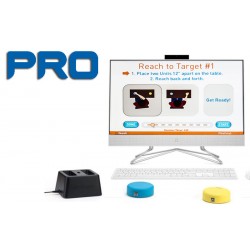
Technology-assisted devices improve arm and hand motor function by 10 to 20% more than conventional therapy. The role of technology in neuro recovery outcomes highlights several evidence-backed devices transforming home rehabilitation.
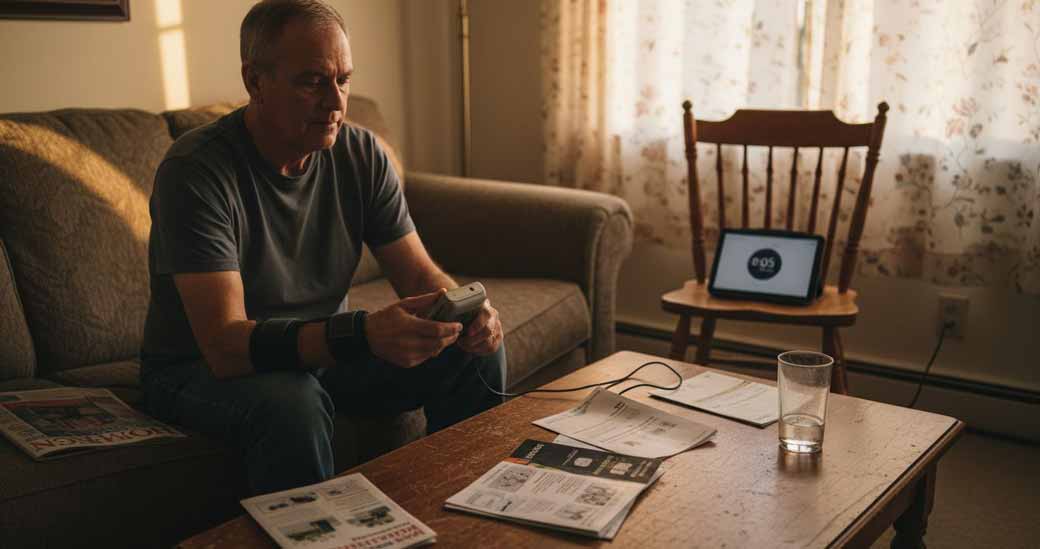
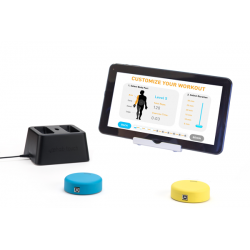
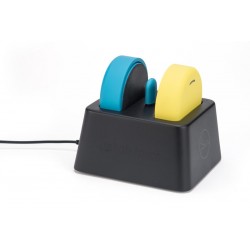
FitMi uses gamification to guide patients through hundreds of therapeutic exercises targeting both arms and legs. Clinical studies show patients complete three times more repetitions per session compared to traditional therapy because the engaging format reduces perceived effort. The device provides real-time performance feedback and automatically adjusts difficulty based on your progress.
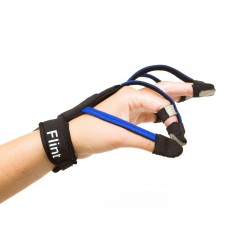
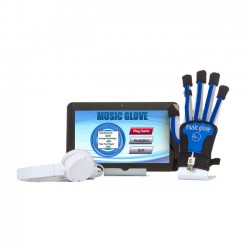
MusicGlove combines music therapy with hand rehabilitation by requiring users to grasp sensors in rhythm with popular songs. Research demonstrates this approach activates motor learning pathways more effectively than repetitive gripping exercises. Patients typically achieve functional hand improvements within two weeks of consistent use.
Both devices reduce the need for constant therapist supervision, cutting rehabilitation costs by 40 to 60% while maintaining clinical effectiveness. They track detailed performance metrics, allowing remote monitoring by healthcare providers and enabling data-driven therapy adjustments.
| Feature | FitMi | MusicGlove | Traditional Therapy |
|---|---|---|---|
| Motor Focus | Full body | Hand and fingers | Varies |
| Engagement Method | Games | Music | Therapist-led |
| Home Suitability | Excellent | Excellent | Limited |
| Setup Time | 5 minutes | 3 minutes | Requires appointment |
| Cost Range | $400-$600 | $300-$400 | $100-$200 per session |
| Evidence Level | Strong | Strong | Standard |
Device suitability varies by recovery stage. Early-stage patients with severe impairments benefit from devices offering very basic movement patterns with substantial feedback. Mid-stage recovery demands progressive challenge and variety to prevent plateaus. Advanced patients need complex task practice that translates directly to daily activities.
Pro Tip: Many insurance plans now cover technology-assisted therapy devices when prescribed by your physician. Request a detailed prescription noting medical necessity to maximize reimbursement chances.
Therapy Frequency, Intensity, and Integrated Modalities for Motor Skill Recovery
Neuroplasticity, your brain’s ability to rewire itself, requires consistent, repetitive practice to strengthen new neural pathways. Research suggests stroke patients need at least 20 to 30 hours of therapy monthly to achieve meaningful functional gains. This translates to roughly 5 to 7 sessions weekly, each lasting 45 to 60 minutes.
Therapy intensity matters as much as total duration. Short, focused sessions often outperform longer, less engaging workouts. Your brain processes motor learning more effectively when you practice in concentrated bursts with adequate rest between sessions.
Combining fine and gross motor therapy yields 18% higher functional outcomes compared to isolated modalities. Fine motor practice improves hand dexterity, writing, and object manipulation. Gross motor work rebuilds arm strength, leg coordination, and balance. Your nervous system benefits from training these complementary systems together.
Here’s an example weekly therapy schedule:
- Monday: 30 minutes gross motor exercises, 20 minutes fine motor practice
- Tuesday: 45 minutes combined therapy with technology device
- Wednesday: Rest day with gentle stretching only
- Thursday: 30 minutes music-based hand therapy, 20 minutes balance work
- Friday: 45 minutes full-body device-assisted exercises
- Saturday: 30 minutes functional task practice (buttoning, cooking)
- Sunday: Rest or light activity based on fatigue levels
Adapt this framework to your tolerance. Some patients handle daily therapy, while others need more recovery time. Watch for excessive fatigue, muscle soreness lasting over 48 hours, or declining performance as signs you’re overdoing intensity. The top rehabilitation exercises provide specific movement patterns to incorporate.
- Start conservatively and increase duration gradually over weeks
- Prioritize consistent practice over occasional marathon sessions
- Schedule therapy when your energy peaks, typically morning or early afternoon
- Document which exercises feel most challenging to guide progression
Engagement and Motivation Strategies in Home Physical Therapy
Sustaining motivation during months of repetitive exercises presents the biggest challenge in home rehabilitation. Gamification and music-based therapies increase adherence rates from 50% to 70% in stroke patients by transforming tedious practice into enjoyable activities.
Gamification works by triggering your brain’s reward systems. Points, levels, and achievement badges provide immediate feedback that traditional exercises lack. This constant positive reinforcement keeps you engaged during difficult recovery periods. Many patients report looking forward to therapy sessions when framed as beating their high score rather than completing prescribed repetitions.
Music-based therapy leverages rhythm and melody to enhance motor learning. Your brain processes music through multiple pathways, strengthening the neural connections supporting movement. Matching hand grips or arm movements to musical beats improves timing precision and movement quality beyond what isolated motor practice achieves.
Biofeedback and interactive digital tools show you exactly what your body is doing in real time. Visual displays of grip strength, movement speed, or balance metrics help you understand subtle improvements that feel imperceptible. This concrete evidence of progress combats discouragement during plateaus.
“The difference between my old exercises and using FitMi was night and day. I actually wanted to do my therapy because it felt like playing a game, not work.”
Caregivers play a crucial role in maintaining motivation. Their encouragement, celebration of small wins, and help troubleshooting device issues directly impact long-term adherence. The home rehabilitation importance emphasizes how family support amplifies therapy effectiveness.
Pro Tip: Create a dedicated therapy space with minimal distractions. Consistency in location and timing builds a habit loop that reduces the mental effort required to start each session.
- Set specific, measurable weekly goals rather than vague intentions
- Track progress with photos, videos, or device-generated reports
- Reward therapy milestones with non-food treats you genuinely enjoy
- Join online support groups to share challenges and celebrate achievements
Cost, Accessibility, and Personalization of Therapy Modalities
Affordable devices under $500 have twice the adoption rates compared to more expensive models. This price threshold represents a sweet spot where families can afford upfront costs without financing, dramatically increasing access to effective home therapy.
| Price Range | Adoption Rate | Typical Features | Insurance Coverage |
|---|---|---|---|
| Under $300 | 68% | Basic feedback, limited exercises | Rarely |
| $300 to $500 | 62% | Gamification, progress tracking | Sometimes |
| $500 to $1000 | 31% | Advanced metrics, remote monitoring | Often |
| Over $1000 | 15% | Clinical-grade, extensive libraries | Usually |
Insurance coverage varies widely by provider and policy. Medicare and Medicaid increasingly reimburse technology-assisted devices when prescribed for neurological conditions, though prior authorization requirements can delay access. Private insurers follow similar patterns but often require documented failure of traditional therapy first.
Funding alternatives include medical crowdfunding platforms, nonprofit equipment loan programs, and manufacturer financial assistance programs. Some hospitals offer device rental programs that let you trial equipment before purchasing.
Personalizing therapy based on impairment severity maximizes outcomes within budget constraints. Severe impairments benefit most from devices offering very simple, heavily guided movements with substantial positive reinforcement. Moderate impairments need progressive challenge and variety to prevent boredom. Mild impairments require complex, functional task practice.
The rehabilitation workflow guide details how to structure personalized therapy plans. Customization considers your baseline abilities, specific goals like returning to work versus managing daily self-care, and caregiver availability for assistance.
- Request itemized quotes including all accessories before purchasing
- Ask about return policies if the device doesn’t match your needs
- Calculate total cost of ownership including any subscription fees
- Compare device longevity and warranty coverage across options
- Consider used or refurbished devices from reputable sellers
Caregiver involvement requirements vary significantly by device. Some systems need minimal assistance after initial setup, promoting patient independence. Others require caregiver participation for safety or proper positioning, which can strain family resources but may accelerate progress through social interaction.


Summary Comparison and Situational Recommendations for Stroke and Neurological Recovery
Choosing optimal therapy approaches requires matching device characteristics to your specific situation. The following comparison consolidates key decision factors.
| Consideration | FitMi | MusicGlove | Traditional PT | Combined Approach |
|---|---|---|---|---|
| Best For | Full-body recovery | Hand function | Severe impairments | All stages |
| Independence Level | High | High | Low | Medium |
| Learning Curve | Moderate | Easy | None | Moderate |
| Caregiver Time | Minimal | Minimal | Extensive | Low |
| Cost Efficiency | Excellent | Excellent | Poor | Good |
| Motivation Impact | Very High | High | Medium | Very High |
For severe impairments with limited voluntary movement, start with traditional therapy to establish basic motor patterns, then transition to technology devices as control improves. This staged approach prevents frustration from attempting exercises beyond current capability.
Moderate impairments benefit most from immediate technology integration. Your existing movement control allows you to engage with device feedback effectively, accelerating progress through higher repetition counts than traditional therapy permits.
Mild impairments require challenging, functional task practice. Devices should emphasize real-world skills like precise grasping, coordinated bimanual activities, and dynamic balance. Consider combining devices to address multiple impairment areas simultaneously.
Budget-constrained situations demand prioritization. Focus first on the impairment most limiting your independence. Hand function often provides the highest return on investment since it enables self-care, communication, and many work tasks. The rehabilitation exercise guide offers no-cost supplementary exercises.
- Match device motor focus to your most limiting impairments
- Prioritize engagement features if motivation has been challenging
- Choose simpler devices if you live alone and need full independence
- Select devices with strong evidence for your specific condition
- Consider future needs as your recovery progresses
Combining modalities often produces superior results compared to single-approach therapy. Use technology devices for high-repetition practice building motor patterns, then apply those skills in functional activities with traditional exercises. This integration maximizes neuroplasticity while maintaining real-world relevance.
Discover Effective Rehabilitation Kits and Solutions at Tisele Rehab
Applying these physical therapy best practices becomes straightforward with proven rehabilitation kits designed specifically for neurological recovery. Tisele Rehab offers evidence-based solutions matching the criteria and recommendations outlined throughout this article.

Explore the FitMi home neurorehabilitation kit for comprehensive full-body therapy or the MusicGlove hand and finger rehabilitation glove for targeted hand function recovery. Both devices incorporate the engagement strategies and personalization features discussed above. Discover how tech solutions that work for chronic conditions can transform your home therapy experience and accelerate your recovery journey.
Frequently Asked Questions
What are the most effective physical therapy methods for stroke recovery?
Combining fine motor hand exercises with gross motor arm and leg training produces 18% better functional outcomes than isolated approaches. Technology-assisted devices that integrate gamification or music therapy further enhance results by increasing practice repetitions through sustained engagement.
How often should patients perform physical therapy exercises at home?
Effective neurological recovery typically requires 5 to 7 therapy sessions weekly, totaling 20 to 30 hours monthly to trigger neuroplasticity. Shorter, focused sessions of 45 to 60 minutes generally outperform longer workouts because your brain processes motor learning better with adequate rest between practices.
What role do caregivers play in physical therapy adherence?
Caregivers provide essential motivation, help track measurable progress, and assist with device setup and troubleshooting technical issues. Their consistent encouragement and celebration of incremental improvements are critical factors in sustaining the long-term adherence necessary for meaningful neurological recovery.
Are technology-assisted devices affordable and accessible for home therapy?
Devices priced under $500 achieve twice the adoption rates of expensive alternatives while maintaining clinical effectiveness for most patients. Insurance increasingly covers prescribed devices, and alternative funding through nonprofit programs or manufacturer assistance improves accessibility for families facing budget constraints.
Recommended
38
Get inspired by a stroke recovery story

Home rehabilitation at full speed.
My husband suffered a severe stroke on August 19, 2020, which paralyzed him on the right side. Thanks to FitMi he has made huge progress since then. He still has no strength in his right arm, but now he