Types of rehabilitation devices: guide for neuro recovery
Choosing the right rehabilitation device can feel overwhelming when you’re recovering from stroke or managing a neurological condition. The market offers dozens of options, from simple mobility aids to advanced robotic systems, each promising to accelerate your progress. Understanding which devices align with your specific recovery goals and current abilities makes the difference between consistent improvement and frustration. This guide breaks down essential device categories, selection criteria, and practical comparisons to help you make informed decisions that support your rehabilitation journey.
Table of Contents
- How To Choose Rehabilitation Devices: Key Criteria
- Common Types Of Rehabilitation Devices
- Comparison Of Popular Rehabilitation Devices
- Selecting The Right Device Based On Your Recovery Goals
- Explore Rehabilitation Kits And Aids At Tisele Rehab
- FAQ
Key takeaways
| Point | Details |
|---|---|
| Device categories vary widely | Rehabilitation tools include mobility aids, exercise equipment, robotic devices, and digital neurofeedback systems serving different therapy needs. |
| Selection requires personalization | Choose devices based on your specific impairment level, recovery stage, therapy goals, and home environment compatibility. |
| Technology enhances engagement | Digital and robotic devices offer interactive feedback and progress tracking that improve motivation and adherence to therapy routines. |
| Devices complement professional care | Rehabilitation equipment supports therapist-guided treatment but does not replace professional supervision and personalized planning. |
 How to choose rehabilitation devices: key criteria
Selecting effective rehabilitation equipment starts with understanding your unique needs and therapy objectives. Effective rehab device selection depends on patient-specific factors like impairment level, goals, and setting. Your recovery stage determines which devices will provide appropriate challenge without causing frustration or injury.
Consider these essential factors when evaluating options:
- Device purpose: Does it target mobility, strength building, fine motor skills, or cognitive function?
- Current ability level: Can you operate the device independently or do you need caregiver assistance?
- Therapy integration: Will it fit seamlessly into your existing rehabilitation workflow?
- Home compatibility: Do you have adequate space and any required power sources or mounting surfaces?
- Motivational features: Does it include progress tracking, games, or feedback to maintain engagement?
Ease of use matters significantly for consistent practice. Devices requiring complex setup or constant troubleshooting often end up abandoned in closets. Look for intuitive controls, clear instructions, and responsive customer support. Many physical rehab services recommend trying devices during therapy sessions before purchasing to ensure comfortable operation.
Pro Tip: Start with one device focused on your primary limitation rather than buying multiple tools simultaneously. Master consistent use of a single device before expanding your home therapy toolkit.
Your therapist can provide invaluable guidance on which devices complement your treatment plan most effectively. They understand your specific deficits and can recommend equipment that reinforces clinical sessions. This professional input prevents wasting money on devices that duplicate efforts or address secondary concerns while primary issues remain unaddressed.
Common types of rehabilitation devices
Rehabilitation equipment spans multiple categories, each designed to address specific aspects of neurological recovery. Understanding these classifications helps you identify which tools match your therapy priorities.
Mobility aids form the foundation for many patients regaining independence. Walkers provide stable support for those relearning balance and gait patterns. Canes offer lighter assistance for individuals with moderate stability. Wheelchairs enable movement when walking remains unsafe or exhausting. These devices reduce fall risk while building confidence during the mobility recovery process.
Exercise devices target strength and endurance rebuilding. Resistance bands offer adjustable tension for progressive muscle strengthening. Hand exercisers improve grip force and finger dexterity. Pedal exercisers allow seated leg workouts when standing remains challenging. These simple tools enable high-repetition practice essential for motor learning.

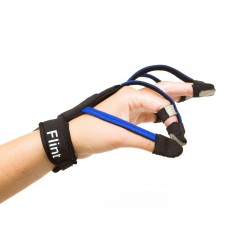
Robotic devices represent advanced technology supporting limb movement and motor control. Robotic devices and digital aids increasingly support stroke recovery through precise, repetitive movement patterns. Robotic gloves assist hand opening and closing. Exoskeletons support arm movements during reaching exercises. These systems provide consistent assistance that adapts as your abilities improve, delivering hundreds of repetitions impossible through manual therapy alone.
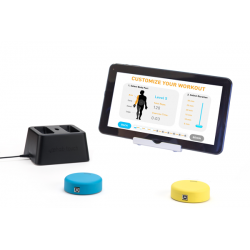
Digital systems combine sensors, software, and interactive displays to motivate practice. Tablet-based apps guide exercises with visual feedback. Motion-tracking devices measure movement quality and progress. Gaming platforms transform repetitive drills into engaging challenges. These technologies tap into reward systems that boost adherence to motor rehab programs.
Neurofeedback tools enhance brain function through sensory stimulation. Electrical stimulation devices activate muscles and nerves. Vibration platforms provide proprioceptive input. Music therapy systems engage cognitive and motor networks simultaneously. These specialized devices address neurological recovery from multiple angles, particularly valuable for physical therapy following brain injury.
“The best rehabilitation device is the one you’ll actually use consistently. Technology means nothing without regular practice and progressive challenge.”
Comparison of popular rehabilitation devices
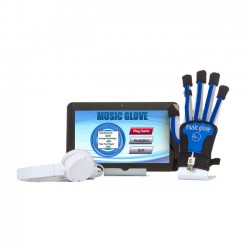
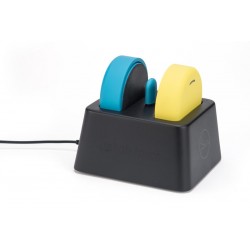
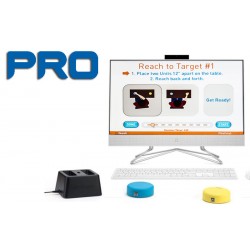

Comparing specific devices reveals practical differences that impact your daily therapy experience. Comparing devices on functionality and accessibility assists tailored rehabilitation plans.
| Device Type | Primary Function | Key Advantages | Main Limitations | Best For |
|---|---|---|---|---|
| Standard Walker | Mobility support | Affordable, stable, widely available | Requires upper body strength, bulky | Early mobility recovery, balance issues |
| Hand Exerciser | Grip strengthening | Portable, simple, inexpensive | Limited feedback, repetitive | Improving hand strength, finger coordination |
| Robotic Glove | Hand movement assistance | High repetitions, adaptive resistance | Expensive, requires setup | Moderate to severe hand impairment |
| Interactive Tablet System | Engaging exercise guidance | Motivating, tracks progress, variety | Needs tech comfort, screen time | Patients seeking gamified therapy |
| Resistance Bands | Full body strengthening | Versatile, cheap, space efficient | Requires instruction, inconsistent tension | General strength building |
Portability significantly affects device utility. Compact tools like resistance bands and hand exercisers travel easily to therapy appointments or family visits. Larger robotic systems typically remain stationary at home. Consider whether you need equipment that moves with you or can dedicate permanent space to rehabilitation.
Clinical evidence varies across device categories. Simple mechanical aids have decades of proven effectiveness. Newer digital and robotic devices show promising research results but may lack long-term outcome studies. Balance innovation appeal with established effectiveness when making choices.
Budget constraints influence most decisions. Basic exercise equipment costs under $50 and provides solid value for appropriate applications. Mid-range digital systems run $200 to $800 with enhanced engagement features. Advanced robotic devices exceed $1,000 but deliver intensive therapy volume difficult to achieve otherwise. Assess cost against expected usage frequency and therapy duration.
Pro Tip: Many insurance plans and rehabilitation programs offer device trials or rentals. Test expensive equipment before purchasing to ensure it matches your abilities and preferences.
Some devices require ongoing costs beyond initial purchase. Digital systems may charge subscription fees for content updates. Robotic devices need occasional calibration or part replacement. Factor total ownership costs into your budget planning.
 Selecting the right device based on your recovery goals
Matching devices to specific recovery objectives ensures your investment supports meaningful progress. Personalized device selection improves patient engagement and rehabilitation outcomes.
Identify your primary rehabilitation goal before shopping:
- Mobility improvement: Focus on walkers, gait trainers, or balance boards that challenge stability safely.
- Hand dexterity recovery: Prioritize finger exercisers, robotic gloves, or therapy putty for fine motor practice.
- Strength rebuilding: Select resistance bands, weight systems, or pedal exercisers targeting weak muscle groups.
- Cognitive function: Choose dual-task devices combining physical and mental challenges like interactive gaming systems.
Consult your physical or occupational therapist before finalizing purchases. They can demonstrate proper device use and integrate new equipment into your existing treatment plan. Professional guidance prevents selecting tools that work against other therapy elements or create bad movement habits.
Start with simpler devices when beginning your recovery journey. Basic tools teach proper form and build foundational strength without overwhelming complexity. Progress to advanced technology as your abilities improve and you understand which features genuinely enhance your practice. This graduated approach prevents expensive purchases that exceed your current capacity.
Monitor progress regularly to determine when devices need adjustment or replacement. Track metrics like repetition counts, resistance levels, or independence scores. When exercises become too easy, increase difficulty or transition to more challenging equipment. Stagnant progress may indicate the need for different device types or professional reassessment.
Pro Tip: Keep a simple therapy journal noting which devices you use daily, duration, and perceived difficulty. Patterns reveal which tools drive progress versus those gathering dust, informing future equipment decisions.
Some recovery goals benefit from device combinations rather than single solutions. Hand recovery might pair a robotic glove for intensive repetitions with therapy putty for strength and a digital app for motivation. Mobility goals could combine a walker for safety with a balance board for challenge. Discuss multi-device strategies with your therapist to avoid redundancy while addressing all rehabilitation dimensions.
Explore rehabilitation kits and aids at Tisele Rehab
Ready to enhance your neurological recovery with proven rehabilitation technology? Tisele Rehab offers comprehensive rehabilitation kits specifically designed for stroke and cerebral palsy recovery. Our curated selection includes user-friendly rehabilitation aids that seamlessly integrate into both home and clinical therapy programs.

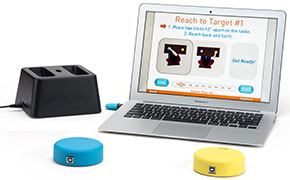
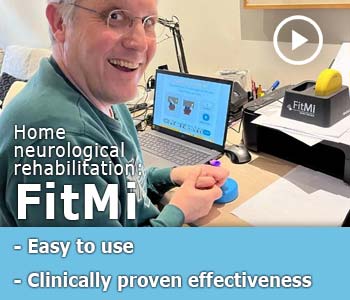
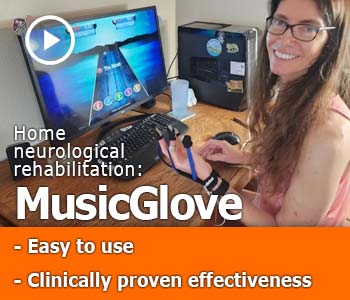
Discover innovative devices like the MusicGlove hand rehabilitation system that transforms repetitive hand exercises into engaging music-based therapy, or the FitMi full-body neurorehabilitation suite designed to accelerate motor recovery at home. Each product combines clinical effectiveness with motivating features that improve adherence and accelerate progress. Our rehabilitation specialists can help match devices to your specific recovery needs and therapy goals.
FAQ
What are the main types of rehabilitation devices?
Rehabilitation devices fall into five primary categories serving different recovery needs. Mobility aids like walkers and wheelchairs support safe movement. Exercise equipment including resistance bands and hand exercisers builds strength and dexterity. Robotic devices provide assisted movement for intensive motor training. Digital systems offer interactive feedback and progress tracking. Neurofeedback tools use electrical stimulation or sensory input to enhance neurological function.
How do robotic rehabilitation devices improve stroke recovery?
Robotic devices provide repetitive, controlled movement training that aids neuroplasticity after stroke. They enable hundreds of high-quality repetitions per session, far exceeding what manual therapy can achieve. Interactive feedback motivates patients while sensors track improvement objectively. The consistent assistance adapts as abilities return, providing appropriate challenge throughout recovery stages.
Can rehabilitation devices replace professional therapy?
Rehabilitation devices complement but never replace therapist-guided treatment. Professional therapists assess your condition, design personalized programs, teach proper techniques, and adjust strategies as you progress. Devices enhance therapy by enabling intensive practice between clinical sessions. They extend rehabilitation volume and maintain gains, but require professional oversight for safe, effective use aligned with your overall treatment plan.
What should caregivers know when selecting rehab devices?
Caregivers should prioritize devices matching the patient’s current abilities and primary therapy goals. Evaluate ease of use for both patient and caregiver, considering setup complexity and assistance requirements. Look for motivational features like progress tracking or gaming elements that encourage consistent practice. Always consult healthcare professionals before purchasing to ensure devices integrate properly with the prescribed rehabilitation program and don’t interfere with other treatments.
Recommended
38
Get inspired by a stroke recovery story

Home rehabilitation at full speed.
My husband suffered a severe stroke on August 19, 2020, which paralyzed him on the right side. Thanks to FitMi he has made huge progress since then. He still has no strength in his right arm, but now he can walk with a cane, his speech has improved significantly, and he is fighting and rehabilitating at full speed. We are very happy that we bought this FitMi kit for him, so he can continue his training and exercises at home. We are encouraged by this program and the positive reviews we read from others who used it. Thank God we found this kit and thank you for your support. It is a wonderful program.
Kate (08.09.2020)