Understanding rehab exercises: optimize neurological recovery
Many believe that simply moving a limb passively is enough for stroke recovery. That’s a costly misconception. Active, patient-driven rehab exercises are the real catalyst for neurological healing, triggering the brain’s remarkable ability to rewire itself. This guide explains how rehab exercises work, what makes them effective, and how you can maximize recovery at home with the right approach.
Table of Contents
- Introduction To Rehabilitation Exercises
- Understanding Neuroplasticity In Rehab Exercises
- Principles Of Effective Rehab Exercises
- Role Of Technology In Enhancing Rehab Exercises
- Common Misconceptions In Rehab Exercises
- Comprehensive Exercise Frameworks For Motor Recovery
- Supporting Roles Of Caregivers In Exercise Implementation
- Home Vs Clinical Rehab: Practical Considerations
- Rehabilitation Solutions To Support Your Recovery
- Frequently Asked Questions
Key takeaways
| Point | Details |
|---|---|
| Active exercises drive neuroplasticity | Repetitive, patient-initiated movements stimulate brain reorganization and motor recovery far more effectively than passive motion. |
| Technology boosts motivation and results | Devices like FitMi and MusicGlove increase exercise repetitions up to threefold and make home rehab engaging and effective. |
| Individualized plans yield better outcomes | Tailored exercise programs improve functional recovery by 30% compared to generic approaches. |
| Slow, controlled movements enhance brain reorganization | Controlled motions activate the motor cortex 15% more than fast, uncontrolled movements, leading to safer and more effective recovery. |
| Caregivers significantly impact adherence | Caregiver involvement boosts exercise consistency by 25%, directly improving recovery outcomes. |
Introduction to rehabilitation exercises
Rehabilitation exercises are structured, goal-directed movements designed to restore motor function after stroke or neurological injury. Unlike passive therapies where therapists move your limbs for you, these exercises require your active participation. You initiate the movement, engage your muscles, and challenge your brain to relearn lost skills.
These exercises play a critical role in recovery by stimulating the brain’s natural repair mechanisms. When you repeatedly practice specific movements, your brain forms new neural pathways to compensate for damaged areas. This process, called neuroplasticity, is the foundation of all meaningful recovery.
Yet starting rehab exercises can feel overwhelming. Patients often struggle with motivation when progress seems slow. Caregivers may feel uncertain about how much assistance to provide or worry about safety during exercises. These challenges are normal, but understanding how exercises work and what makes them effective can transform uncertainty into confident action.
Key factors that determine rehab exercise success include:
- Patient motivation to actively participate in movements
- Consistent practice schedule maintained over weeks and months
- Caregiver support that balances assistance with patient independence
- Proper exercise selection targeting specific motor deficits
- Progressive difficulty to prevent plateaus and maintain engagement
Understanding neuroplasticity in rehab exercises
Neuroplasticity is your brain’s ability to reorganize itself by forming new neural connections throughout life. After a stroke damages brain tissue, neighboring healthy neurons can take over lost functions by creating alternative pathways. This remarkable adaptability makes recovery possible even when brain cells are permanently lost.
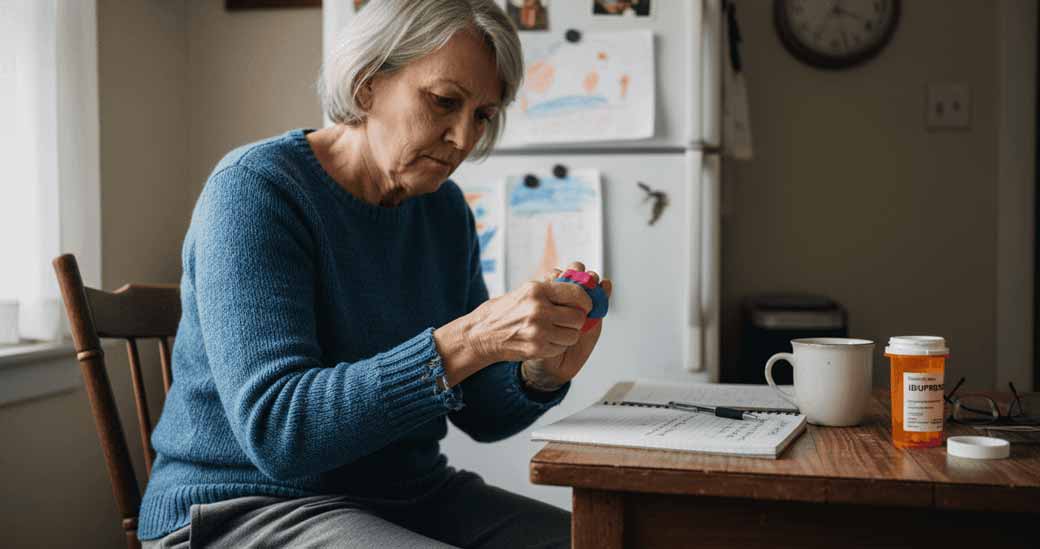
Rehab exercises are the primary tool for triggering neuroplasticity. Each time you perform a movement, you send signals through your nervous system. Repetition strengthens these signals, gradually rebuilding the brain circuits needed for motor control. Think of it like clearing a path through overgrown woods. The first few times are difficult, but each pass makes the route easier to follow.
Timing matters enormously. The brain enters a heightened state of plasticity immediately after stroke, with the first six months offering the greatest opportunity for recovery. During this window, neuroplasticity enables functional recovery contributing up to 70% improvement in motor outcomes. This doesn’t mean recovery stops after six months, but the rate of improvement typically slows.
Understanding neuroplasticity stroke recovery impact helps you see why consistent exercise matters more than occasional intensive sessions. Your brain needs regular stimulation to maintain and strengthen new pathways. Missing days or weeks of practice allows those fragile new connections to weaken.
“The brain’s ability to reorganize represents our greatest ally in stroke recovery. Every repetition of an exercise sends a signal: this movement matters, strengthen this pathway. Over time, those signals accumulate into measurable functional gains.”
Principles of effective rehab exercises
Not all exercises deliver equal results. Understanding what separates effective rehab from wasted effort helps you focus energy where it counts most. Four key principles determine exercise effectiveness: repetition, intensity, active engagement, and progression.
Repetition is the cornerstone of neuroplasticity. Your brain needs hundreds or thousands of movement repetitions to form lasting neural pathways. Research shows that higher repetition counts correlate directly with better motor recovery. A single set of ten repetitions won’t trigger meaningful change, but performing 300 repetitions across a day starts building those critical pathways.
Intensity refers to how challenging the exercise feels. Your brain responds most strongly to tasks that require focused effort without being impossibly difficult. The sweet spot is exercises that you can complete with concentration but that feel genuinely challenging. Too easy and your brain ignores them; too hard and you compensate with incorrect movement patterns.
Active engagement means you initiate and control the movement, not a therapist or caregiver moving your limb for you. Passive motion provides almost no neuroplasticity benefit because your brain isn’t sending the motor signals needed to rebuild pathways. You must actively try to move, even if the movement is small or incomplete.
Progression prevents plateaus by continually challenging your brain with new variations. Programs with progressive challenges show 15% to 20% better sustained motor function improvement. As exercises become easier, increase difficulty by adding resistance, changing the movement pattern, or increasing speed.
Combining hand and arm exercises creates synergistic effects. Hand dexterity and arm mobility both depend on overlapping brain regions, and training them together accelerates overall top rehabilitation exercises outcomes.
Pro Tip: Track your daily repetition count in a simple notebook. Seeing the numbers add up over weeks provides motivation and helps you identify patterns in your progress.
 Role of technology in enhancing rehab exercises
Technology-assisted devices have transformed home rehabilitation by solving two critical problems: motivation and repetition count. Traditional therapy can feel tedious, and patients often struggle to complete enough repetitions for meaningful neuroplasticity. Modern rehab devices address both issues through gamification and real-time feedback.
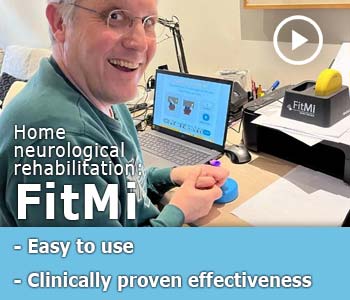
Devices like FitMi turn exercises into interactive games that respond to your movements. When you successfully complete a motion, the device provides immediate visual and auditory feedback, creating a rewarding loop that keeps you engaged. This approach feels more like playing a game than doing therapy, which dramatically improves adherence.
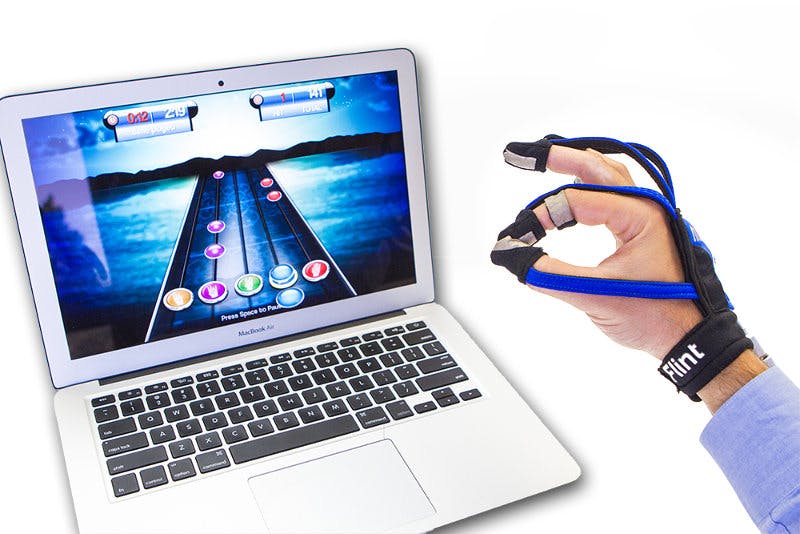
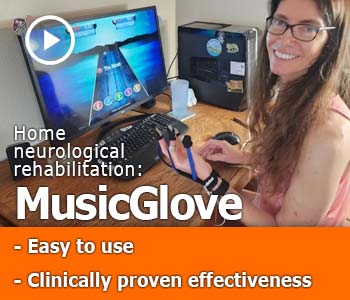
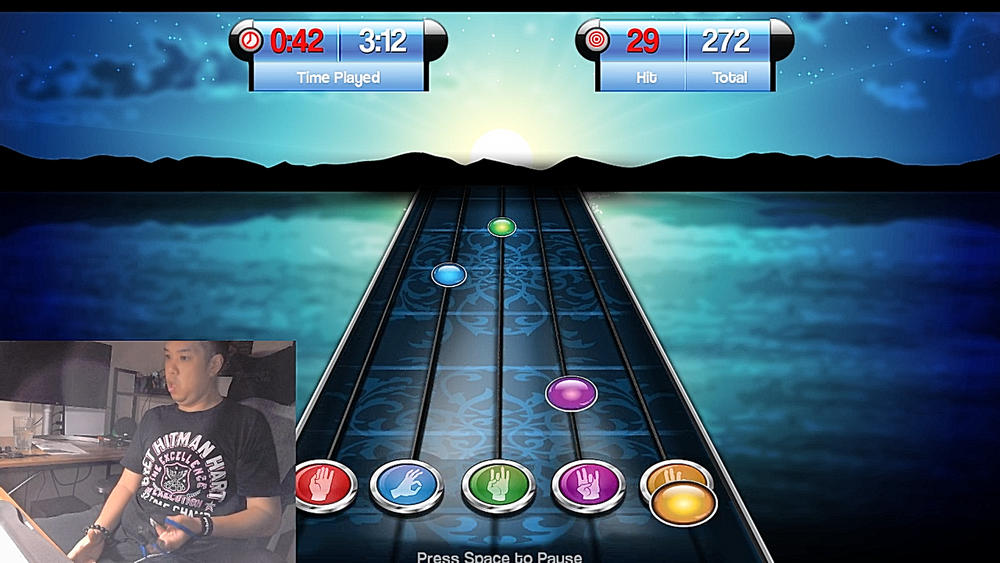
MusicGlove takes a different approach by connecting hand exercises to music. You perform gripping and releasing motions in time with familiar songs, making the experience enjoyable rather than clinical. The musical element provides natural timing cues and makes long practice sessions feel shorter.
The quantitative impact is significant. Technology-assisted devices like FitMi facilitate higher repetition rates of up to two to three times more repetitions per session compared to conventional therapy. More repetitions translate directly to faster skill acquisition and improved motor function.
| Device Type | Key Benefit | Typical Rep Increase |
|---|---|---|
| Gamified platforms (FitMi) | Real-time feedback and engagement | 200-300% |
| Music-based therapy (MusicGlove) | Rhythm cues and enjoyment | 150-250% |
| Virtual reality systems | Immersive practice environments | 180-280% |
Integrating technology into your home rehab routine is straightforward. Start with 15-minute sessions and gradually increase duration as stamina improves. Use the device’s data tracking to monitor progress and celebrate milestones. Many patients find that splitting practice into two or three shorter sessions throughout the day maintains focus better than one long session.
Pro Tip: Schedule device sessions at the same time daily to build a habit. Morning practice often works well because energy levels are higher and you’re less likely to skip due to fatigue or competing demands.
Common misconceptions in rehab exercises
Misunderstandings about rehab exercises can derail recovery by steering patients toward ineffective approaches. Clearing up these misconceptions helps you avoid wasting time and energy on strategies that don’t work.
Myth one: passive movement is sufficient. Many believe that having a therapist or caregiver move their affected limb provides the same benefit as active movement. The data contradicts this assumption. Active motor practice yields 40% greater functional gains than passive movement therapies. Your brain needs to send the motor signal itself to build new pathways. Passive motion may maintain joint flexibility, but it doesn’t drive neuroplasticity.
Myth two: faster movements are better. Some patients rush through exercises, thinking speed indicates recovery. In reality, controlled movements increase motor cortex activation by 15% compared to faster, uncontrolled movements. Slow, deliberate motions give your brain time to process feedback and refine the movement pattern. Speed comes naturally later as the skill becomes more automatic.
Myth three: generic exercises work equally well. Exercise effectiveness depends on matching movements to your specific deficits. A patient struggling with shoulder mobility needs different exercises than someone working on finger dexterity. Generic programs miss these individual needs and deliver suboptimal results.
These misconceptions reduce effectiveness and dampen motivation. When patients follow ineffective approaches and see minimal progress, they often blame themselves or lose faith in rehab. Understanding the science behind neuroplasticity stroke recovery impact prevents these discouraging detours.
“The most valuable insight from rehabilitation research is this: your active effort matters more than any passive therapy. The brain reorganizes in response to what you do, not what is done to you.”
Comprehensive exercise frameworks for motor recovery
Creating an effective exercise plan requires systematic assessment and strategic selection. This framework guides you through the process of building a personalized program that maximizes neuroplasticity and functional gains.
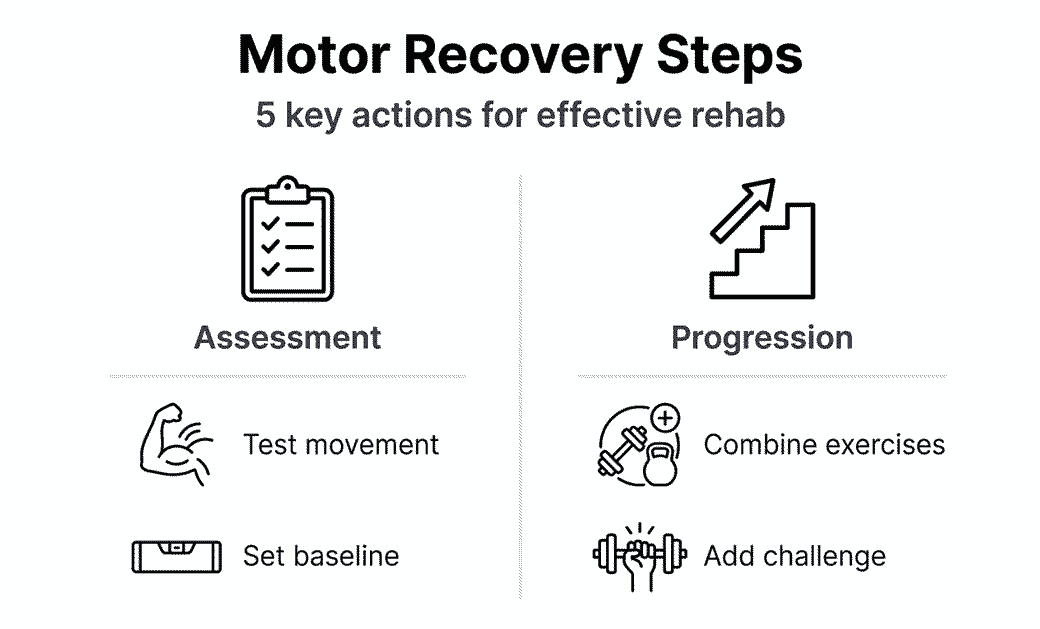
Step one: assess your current deficits. Identify which specific movements are impaired. Can you lift your arm overhead? Grip objects? Release them on command? Understanding your baseline helps you target the right exercises and measure progress accurately.
Step two: select exercises targeting those deficits. Choose active movements that challenge the impaired function without being impossible. If gripping is weak, practice squeezing a soft ball. If shoulder elevation is limited, practice reaching toward a target at gradually increasing heights.
Step three: combine hand and arm exercises for synergy. Research shows combining hand and arm exercises results in 20% greater motor function improvements compared to isolated hand rehab exercises alone. The brain regions controlling these movements overlap, and training them together creates stronger neuroplasticity effects.
Step four: incorporate sensory feedback. Exercises that provide tactile, visual, or auditory feedback help your brain better understand and refine movements. Touching different textures, watching your movements in a mirror, or using devices that provide sound cues all enhance motor learning.
Step five: build progressive challenge into your plan. As movements become easier, adjust difficulty to maintain that optimal challenge level. Individualized plans increase functional recovery outcomes by 30% compared to generic programs because they adapt to your changing abilities.
| Recovery Stage | Exercise Focus | Progression Strategy |
|---|---|---|
| Early (0-3 months) | Simple active movements, high repetition | Add small increments of resistance |
| Middle (3-6 months) | Functional tasks, coordination | Increase movement complexity |
| Late (6+ months) | Real-world activities, endurance | Challenge speed and precision |
Follow this sequence to build your daily routine:
- Warm up with gentle range-of-motion exercises for 5 minutes
- Practice your primary top rehabilitation exercises for 20-30 minutes
- Cool down with stretching to maintain flexibility
- Record your repetition count and any observations about performance
Supporting roles of caregivers in exercise implementation
Caregivers serve as the backbone of successful home rehabilitation. Their involvement extends far beyond physical assistance to include motivation, safety monitoring, and emotional support. Understanding how to provide effective support without undermining patient independence is a delicate balance that significantly impacts outcomes.
Statistics confirm this impact. Caregiver involvement in guiding patients through exercises improves adherence rates by 25%, leading to better recovery. This improvement stems from several factors: caregivers help maintain consistent schedules, provide encouragement during difficult sessions, and ensure exercises are performed correctly.
Safe assistance requires specific techniques:
- Position yourself to support balance without taking over the movement
- Provide verbal cues rather than physically moving the patient’s limbs
- Watch for signs of fatigue or frustration and suggest breaks when needed
- Learn proper body mechanics to avoid injuring yourself during assistance
The encouragement-independence balance is crucial. Too little support and patients may feel abandoned or unsafe. Too much and they become passive recipients rather than active participants. The goal is to provide the minimum assistance needed for safe, successful practice while encouraging maximum patient effort.
Caregiver education makes a substantial difference. Understanding the principles of neuroplasticity, knowing what makes exercises effective, and recognizing signs of progress all help caregivers provide better support. Many rehabilitation programs now include caregiver training components specifically for this reason.
Pro Tip: Create a shared progress journal with your patient. Recording daily achievements, challenges, and observations builds a collaborative relationship and helps both of you see improvement patterns that might not be obvious day to day.
 Home vs clinical rehab: practical considerations
Choosing between home-based and clinical rehabilitation depends on your specific situation, recovery stage, and available resources. Each setting offers distinct advantages, and many patients benefit from a combination of both.
Home-based rehab with technology support provides convenience and cost savings. You can practice multiple times daily without travel, fitting sessions around your schedule. Modern devices enable high-quality practice with real-time feedback that rivals clinical settings for many patients. The familiar environment often feels less intimidating and more comfortable for extended practice sessions.
However, home rehab has limitations. Patients need sufficient cognitive function to follow device instructions and adequate physical safety to practice without constant supervision. Caregiver assistance may be necessary, placing demands on family members. Some complex exercises or assessment procedures still require professional oversight.
Clinical rehab offers professional supervision, specialized equipment, and expert assessment. Therapists can identify subtle compensation patterns and correct them before they become habits. The structured environment and scheduled appointments provide accountability for patients who struggle with self-directed practice. Early recovery stages often benefit most from clinical guidance.
| Factor | Home Rehab | Clinical Rehab |
|---|---|---|
| Convenience | High (practice anytime) | Low (scheduled appointments) |
| Cost | Lower (one-time device purchase) | Higher (ongoing therapy fees) |
| Repetition volume | Very high (multiple daily sessions) | Limited (session duration constraints) |
| Professional oversight | Minimal (periodic check-ins) | Continuous (every session) |
| Equipment variety | Moderate (home devices) | Extensive (full clinic equipment) |
Decision criteria for when clinical supervision is essential:
- Early recovery phase when deficits are severe and safety risks are high
- Complex movement patterns requiring professional assessment and correction
- Plateau situations where progress has stalled and expert intervention is needed
- Co-existing medical conditions that increase risk during exercise
Many successful recovery programs combine both settings. Initial clinical therapy establishes proper technique and assesses deficits. Home practice using home rehabilitation for stroke devices builds volume and consistency. Periodic clinical check-ins monitor progress and adjust the program. This hybrid approach leverages the strengths of each setting while minimizing weaknesses.
Understanding the role of home rehabilitation in your overall recovery plan helps you make informed decisions about resource allocation and practice schedules.
Rehabilitation solutions to support your recovery
Effective home rehabilitation requires the right tools. Rehabilitation kits for stroke patients have evolved dramatically, offering technology-driven solutions that make high-quality practice accessible outside clinical settings. These tools address the fundamental challenge of maintaining motivation and achieving sufficient repetitions for neuroplasticity.

The FitMi home neurorehabilitation system exemplifies this new generation of rehab technology. It transforms exercises into interactive activities with real-time feedback, dramatically increasing the repetition counts that drive recovery. Patients report that sessions feel engaging rather than tedious, solving the adherence problem that undermines many home programs.
MusicGlove hand rehabilitation takes a complementary approach for hand and finger recovery. By connecting therapeutic movements to music, it creates an enjoyable practice experience that encourages longer sessions and more consistent daily use. The combination of rhythm, melody, and functional gripping motions engages multiple brain systems simultaneously.
These solutions empower both patients and caregivers. Patients gain independence and control over their recovery timeline. Caregivers receive structured guidance and data tracking that reduces uncertainty. Together, these tools support the consistent, high-repetition practice that research shows is essential for meaningful functional gains.
Frequently asked questions
What types of rehab exercises are best for stroke recovery?
Active, repetitive exercises tailored to your specific motor deficits deliver the best results. Focus on movements that challenge impaired functions without being impossible, and perform them with high repetition counts. Combining hand and arm exercises yields 20% greater motor improvements than isolated practice. Include sensory feedback through touch, vision, or sound to enhance motor learning and brain reorganization.
How can caregivers best support patients during rehab exercises?
Caregivers should guide exercises safely while promoting patient autonomy and active participation. Provide verbal cues and minimal physical assistance, allowing patients to initiate and control movements themselves. Maintain consistent practice schedules and offer encouragement during challenging sessions. Research shows caregiver involvement boosts adherence by 25%, directly improving recovery outcomes. Learn proper techniques through rehabilitation exercise guide resources to support effectively without creating dependence.
What role does technology play in home rehabilitation?
Technology devices like FitMi and MusicGlove dramatically increase motivation and exercise repetitions, often doubling or tripling the volume achieved in traditional therapy. They provide immediate sensory feedback, gamify the experience, and track progress automatically. These features solve the two biggest home rehab challenges: maintaining engagement and achieving sufficient repetition counts for neuroplasticity. Explore how technology in neuro recovery accelerates functional gains and makes consistent practice more achievable.
How long should daily rehab exercise sessions last?
Start with 15-20 minute sessions and gradually increase to 30-45 minutes as stamina improves. Multiple shorter sessions throughout the day often work better than one long session, maintaining focus and energy while accumulating high repetition counts. The total daily practice time matters more than individual session length. Consistency is crucial, so aim for daily practice rather than sporadic intensive sessions.
When should I expect to see progress from rehab exercises?
Progress timelines vary widely based on stroke severity and individual factors. Some patients notice small improvements within 2-3 weeks of consistent practice, while others require 6-8 weeks. The first six months post-stroke offer the greatest neuroplasticity window, but recovery continues beyond this period with ongoing practice. Track specific functional abilities rather than expecting dramatic overnight changes. Small gains accumulate into meaningful functional improvements over months of dedicated practice.
Recommended
38
Be inspired by a story of recovery after a stroke

My review of MusicGlove
Here is my short opinion - a review of MusicGlove. On October 3, 2020, I suffered a hemorrhagic stroke. I purchased MusicGlove after about 4 months of hospitalization. At that time, I could move my fingers, but - to put it mildly - "not very" effectively. To be honest, I couldn't grasp small objects such as a pen or other small items, and I could only write with my unaffected hand. After two months of using it, I can already write a little - only briefly, but I can now write something with my affected hand, which gives me peace of mind and hope of returning to work. It won't happen immediately, but this thought keeps me moving forward, and I now have a clear and realistic goal. The only downside may be the limited number of songs, so the music sometimes repeats. Ah! ... Make sure you have the right glove - the correct size - it must be neither too big nor too small! I ordered a size that turned out to be too large, but the customer service was excellent and quick, and they efficiently and promptly exchanged it for the right size. The set is easy to install, literally "plug and play." In conclusion: Bravo to me and bravo to TiSale Rehab.
Nikodem (24.02.2021)