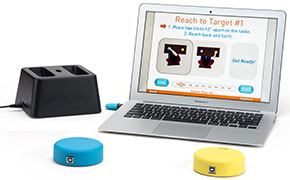
Clinical Rehab Guidelines: Improving Stroke Recovery
Clinical rehab guidelines shape the daily decisions neurological therapists make when helping stroke survivors regain independence. Without a structured approach, therapy outcomes can vary dramatically from one clinic to another. By relying on evidence-based interventions and integrating innovative therapy tools, these guidelines bridge best practice and global patient care. This article offers clarity on how to apply international standards and technology-driven solutions to deliver consistent, high-quality stroke rehabilitation regardless of your facility’s resources.
The guide below explains core principles, therapy models, technology integration, risk management, and practical steps to avoid common clinical mistakes in stroke rehabilitation.
Table of Contents
- Defining Clinical Rehab Guidelines For Neurology
- Why Guidelines Matter In Clinical Practice
- Core Principles Within Guidelines
- Therapy Models And Guideline Variations
- How Global Guidelines Differ
- Matching Models To Your Clinical Context
- Integrating Evidence-Based Technology Tools
- Patient Assessment And Personalized Planning
- Roles, Risks, And Compliance Responsibilities
- Avoiding Common Clinical Rehab Mistakes
Key Takeaways
| Point | Details |
|---|---|
| Importance of Clinical Guidelines | Clinical rehabilitation guidelines ensure standardized, evidence-based practices that enhance patient outcomes across different healthcare settings. |
| Patient-Centered Care | Assessment and treatment must prioritize individual patient goals and functional needs, fostering motivation and compliance. |
| Multidisciplinary Collaboration | Effective stroke rehabilitation demands coordinated efforts from diverse healthcare professionals to address the comprehensive needs of the patient. |
| Technology Integration | Incorporating technology into rehabilitation enhances therapy effectiveness by facilitating high-repetition practice and real-time feedback. |
Defining Clinical Rehab Guidelines for Neurology
Clinical rehabilitation guidelines provide the structured framework that bridges the gap between best practice evidence and real-world patient outcomes. In neurology, these guidelines establish standardized protocols that guide therapists through evidence-based interventions, ensuring consistency and quality across rehabilitation settings worldwide. The 2023 National Clinical Guideline for Stroke represents a comprehensive foundation for understanding how clinical rehab operates within stroke recovery specifically, outlining methodologies for guideline development and emphasizing needs-led, patient-centered approaches that maximize recovery potential.
At its core, clinical rehab guidelines define the structure that neurological therapists work within daily. These guidelines aren’t rigid rules—they’re evidence-based frameworks that account for individual patient variability while maintaining quality standards.
Guidelines typically address:
- Assessment protocols: Standardized evaluation methods to identify deficits and establish baseline function
- Intervention timing: Critical phases of recovery when specific therapies yield optimal results
- Team composition: Multidisciplinary involvement of physical therapists, occupational therapists, speech-language pathologists, and medical specialists
- Outcome measurement: Validated tools to track progress and adjust treatment approaches
- Discharge criteria: Clear benchmarks determining when patients transition to different care levels
The National Stroke Clinical Guideline emphasizes that effective rehabilitation involves integrated physical, occupational, speech, and cognitive therapies working together toward functional recovery. This multidisciplinary approach recognizes that stroke affects the whole person—not just motor control, but cognition, communication, emotional regulation, and swallowing function simultaneously.
Guidelines aren’t constraints—they’re pathways to consistency. When therapists follow evidence-based protocols, patients benefit from proven interventions rather than trial-and-error approaches.
Why Guidelines Matter in Clinical Practice
Without clear guidelines, rehabilitation becomes inconsistent. One clinic might emphasize early mobilization while another delays it. One team might integrate technology-assisted therapy while another relies solely on manual techniques. Patients end up receiving vastly different care quality based on geography or facility resources.
The clinical research demonstrates that standardized protocols across diverse healthcare systems produce measurable improvements in patient outcomes. Guidelines also address the global stroke burden by providing frameworks adaptable to different healthcare contexts—whether you’re working in a fully equipped urban rehabilitation center or a resource-limited rural setting.
You’ll find that guidelines address specific clinical decisions you face regularly:
- What assessment tools identify which patients need intensive therapy?
- How frequently should sessions occur during acute versus chronic phases?
- When should you introduce compensatory strategies versus pursue recovery of original function?
- How do you measure meaningful progress in real-world functional abilities?
These aren’t academic questions. They directly affect how you allocate your limited therapy time, which patients receive intensive services, and whether your interventions actually translate to patients regaining independence.
Core Principles Within Guidelines
Most modern neurological rehab guidelines share foundational principles despite regional variations. First, they emphasize patient-centered care, meaning treatment plans reflect individual goals rather than standardized templates. A patient wanting to return to gardening needs different emphasis than one focused on regaining feeding independence.

Second, guidelines stress needs-led assessment, where thorough evaluation identifies specific deficits rather than assuming all stroke patients require identical treatment. This is where your clinical expertise matters—guidelines provide the framework, but you apply it to individual presentations.
Third, effective guidelines recognize recovery timing matters. The acute phase (first days post-stroke) requires different approaches than subacute recovery (weeks to months) or chronic adaptation (months to years). Intervention intensity, focus, and methods shift accordingly. Guidelines help you understand which interventions have strongest evidence during each phase.
Finally, guidelines incorporate multidisciplinary collaboration as non-negotiable. A patient with speech deficits and mobility loss needs coordinated therapy from multiple disciplines. Guidelines define how these teams communicate, share goals, and prevent isolated specialty silos where therapists work independently toward different objectives.
Pro tip: Review your current assessment and treatment protocols against published guidelines monthly—you’ll identify opportunities to improve consistency, justify treatment intensity to payers, and ensure you’re implementing the latest evidence rather than relying on outdated practices.
Therapy Models and Guideline Variations
Stroke rehabilitation doesn’t follow a one-size-fits-all formula. Different therapy models coexist globally, shaped by available resources, healthcare system structure, and evolving evidence. The American Heart Association guidelines outline multiple therapy approaches including physical, occupational, and speech therapies, each adaptable based on patient needs and treatment settings. What works in an inpatient rehabilitation facility differs from community-based care, yet both follow evidence-based principles. Understanding these variations helps you recognize why neighboring clinics might approach stroke recovery differently—and why flexibility within evidence-based frameworks actually strengthens outcomes rather than weakening them.
Therapy models vary primarily across three dimensions: intensity, duration, and setting. Intensity ranges from high-frequency therapy (multiple sessions daily) to lower-frequency approaches spread across weeks. Duration spans from concentrated acute-phase intervention to extended chronic-phase maintenance. Setting includes inpatient rehabilitation units, outpatient clinics, day programs, and home-based therapy. Research shows that one patient thrives with daily supervised sessions in a clinical environment, while another achieves better outcomes through guided home practice with periodic clinic check-ins. The variation reflects reality: therapists work within different healthcare constraints, and patient preferences matter.
Key therapy model variations include:
- Task-specific training: Focused practice of real-world functional activities (climbing stairs, reaching for objects) rather than isolated muscle strengthening
- Constraint-induced movement: Intensive repetitive practice of affected limbs, often with restriction of unaffected limbs
- Robotic-assisted therapy: Technology-enhanced movement practice that provides consistent, high-repetition training with precise feedback
- Mirror therapy: Visual illusion techniques using mirrors to retrain motor control and reduce pain
- Cognitive rehabilitation: Structured interventions addressing memory, attention, executive function, and problem-solving deficits
Here’s how key stroke rehabilitation therapy models compare:
| Therapy Model | Core Focus | Best Setting |
|---|---|---|
| Task-specific training | Real-life task practice | Most clinical settings |
| Constraint-induced movement | Intensive limb use | Outpatient/home-based |
| Robotic-assisted therapy | High-repetition movement | Equipped facilities |
| Mirror therapy | Motor retraining via visual feedback | Clinics, home |
| Cognitive rehabilitation | Memory and problem-solving | Multidisciplinary team |
How Global Guidelines Differ
International stroke rehabilitation guidelines show meaningful variations. Global stroke rehabilitation models demonstrate that recommendations on team composition, therapy duration, and service integration differ across countries and healthcare systems. In some regions, therapists work within highly specialized interdisciplinary teams where daily communication is standard. In others, therapists operate more independently with less structured team interaction. Neither approach is inherently wrong—each reflects local resources and healthcare organization.
These variations stem from practical realities. High-income healthcare systems can afford daily multidisciplinary rounds, intensive therapy frequency, and rapid access to specialized services. Middle-income systems must prioritize carefully, sometimes concentrating intensive therapy in acute phases while shifting to lower-frequency maintenance in chronic phases. Low-resource settings might emphasize caregiver training and home-based approaches due to limited facility availability. Yet research shows that well-implemented therapy in any setting beats poorly implemented intensive therapy elsewhere.
The best therapy model is the one patients actually complete. A patient doing home practice four times weekly produces better outcomes than one assigned to daily therapy they don’t attend due to transportation barriers or motivation challenges.
Matching Models to Your Clinical Context
You don’t choose your therapy model in isolation—it emerges from your facility type, patient population, and available resources. An inpatient rehabilitation unit focuses on intensive task-specific training during the critical neuroplastic window. An outpatient clinic emphasizes higher-level functional goals and community reintegration. A home health program centers on empowering patients and caregivers with sustainable, self-directed practice.
The key insight: guidelines provide the evidence base (what works), but the therapy model is your application strategy (how you deliver it within constraints). You might use constraint-induced principles in an outpatient setting by assigning progressive home-based practice tasks. You might integrate technology-assisted therapy through virtual session delivery to overcome transportation barriers. You match evidence-based interventions to your operational reality.
When evaluating whether your current model aligns with guidelines, ask:
- Does your model emphasize task-specific, high-repetition practice?
- Do you assess and measure functional outcomes relevant to patient goals?
- Is there structured communication within your multidisciplinary team?
- Do you adjust intensity and focus based on recovery phase?
- Do you involve caregivers and support community reintegration?
Pro tip: Document which therapy model components you’re using and why—this clarifies your clinical reasoning, helps team members understand your approach, and provides evidence should payers question your treatment intensity or duration.
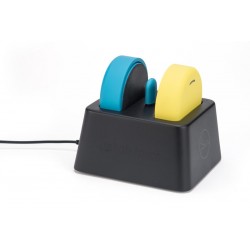
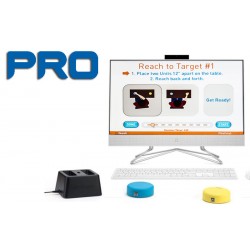

Integrating Evidence-Based Technology Tools
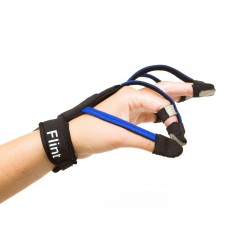
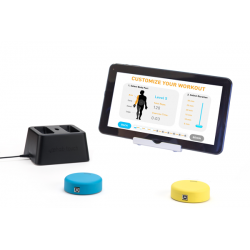
Technology in stroke rehabilitation has moved beyond novelty into clinical necessity. Modern neurological therapy no longer relies exclusively on manual techniques—it integrates devices and software that enhance what your hands alone cannot achieve. Technology tools in occupational therapy including wearable sensory devices, functional electrical stimulation, and virtual reality show robust evidence for improving motor and cognitive recovery. These aren’t replacements for skilled therapist judgment; they’re force multipliers that extend your clinical capacity. A patient completing 200 repetitions of a functional movement with a technology tool gains benefits you couldn’t deliver through manual guidance alone—not because your technique is inferior, but because neuroplasticity responds to high-repetition practice that technology facilitates efficiently.
These technological solutions typically include:
- Wearable motion sensors
- Robotic rehabilitation devices
- Virtual reality training platforms
- AI-powered assessment tools
- Interactive therapy equipment
The clinical case for technology integration rests on a fundamental principle: stroke recovery depends on repetitive, task-specific practice.
The technology extends therapy beyond clinic walls into the hours when you’re unavailable.
Common evidence-based technology applications in stroke rehabilitation include:
- Robotic-assisted devices: Provide consistent, repetitive movement guidance with precise feedback on performance
- Virtual reality systems: Create engaging, immersive environments where patients practice functional tasks with gaming elements that boost motivation
- Electrical stimulation devices: Activate muscles or sensory pathways to enhance motor control and reduce pain
- Wearable motion sensors: Track movement quality and quantity in real time, providing objective data on progress
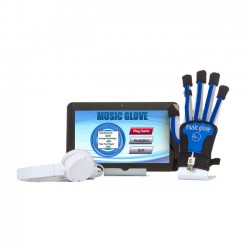
- Music-based therapy platforms: Use rhythmic auditory cues to enhance motor planning and execution, particularly effective for upper-limb function
- Telerehabilitation systems: Deliver remote therapy guidance while patients practice in home environments
These tools work because they address core neuroplasticity drivers: task specificity, high repetition, immediate feedback, and progressive challenge.
Selecting Technology That Fits Your Workflow
Advanced technological tools are now clinically accessible across facility types. Yet selection requires thoughtful matching between device capabilities and your specific clinical needs. Not every patient benefits from every technology. A patient with severe cognitive impairment might struggle with virtual reality’s complexity but thrive with music-based movement practice. Another with moderate motor deficits and intact cognition might leverage robotic devices for intensive upper-extremity training.
The integration process follows logical steps. First, identify your most common patient deficits and treatment bottlenecks. Are most patients limited by inability to complete sufficient movement repetitions? Do patients struggle with motivation during repetitive practice? Are you constrained by limited therapist availability? Second, match technology capabilities to these specific needs rather than adopting whatever’s newest or most expensive. Third, integrate gradually—start with one tool, refine your protocol, measure outcomes, then expand. Fourth, train your team thoroughly; technology is only effective when therapists understand how to use it and when to use it.
Key selection criteria for technology integration:
- Clinical alignment: Does it address your identified patient deficits?
- Workflow fit: Can you incorporate it into existing therapy schedules without disrupting other services?
- Usability: Can patients and staff operate it with reasonable training?
- Measurable outcomes: Does it provide data showing patient progress?
- Cost-benefit: Does the outcome improvement justify the expense?
- Safety: Are contraindications minimal and manageable?
Technology amplifies what works in rehabilitation—it cannot compensate for poor clinical decision-making. A sophisticated robot is worthless if you assign the wrong exercises or progress patients incorrectly.
Combining Technology With Skilled Therapy
The most effective rehabilitation uses technology alongside, not instead of, skilled therapist intervention. Your role shifts when technology is present. You spend less time delivering repetitive passive movements and more time analyzing movement quality, solving problems, and adjusting therapy parameters. You become a coach guiding independent practice rather than the sole delivery mechanism.
This shift requires mindset adjustment. Some therapists initially worry that technology reduces their value. The opposite is true: technology frees you from repetitive delivery tasks, enabling deeper analysis and faster progression. You can see which patients respond well to which approaches, where movement patterns break down, and how to troubleshoot performance problems. You spend therapy time on the high-value activities only you can do—assessment, education, troubleshooting, and motivation—while technology handles high-volume repetitive practice.
Pro tip: Start a small pilot program with one technology tool on a single patient population, track functional outcomes over two months, and share results with your team before deciding whether to expand—this evidence-based approach to technology adoption prevents expensive investments in tools that don’t fit your specific practice.
Patient Assessment and Personalized Planning
One patient walks into your clinic after stroke unable to lift their arm. Another enters with identical motor impairment but completely different goals—one wants to play piano, the other wants to dress independently. Standard protocols fail here because the deficits are similar but the meaningful outcomes diverge completely. This is why individualized patient assessment and personalized rehabilitation planning form the foundation of effective stroke recovery. You cannot design a treatment plan without understanding not just what the patient’s body cannot do, but what matters most to them functionally. Guidelines support this patient-centered approach, emphasizing shared decision-making between patients, caregivers, and multidisciplinary teams to address specific goals and optimize outcomes.
Assessment in modern stroke rehabilitation extends far beyond standard impairment measures. Yes, you evaluate motor control, strength, sensation, and cognition. But assessment also captures what patients actually want to accomplish in daily life. Can they prepare meals? Return to work? Play with grandchildren? Travel independently? These functional goals drive the entire rehabilitation direction. A patient’s perfect score on a motor control test means nothing if it doesn’t translate to activities they value. Your assessment must answer: What deficits prevent this patient from reaching their meaningful goals?
A comprehensive stroke assessment addresses multiple dimensions:
- Impairment level: Motor, sensory, cognitive, speech, and swallowing deficits documented objectively
- Functional capacity: What real-world activities the patient can and cannot perform
- Patient goals: What outcomes matter most to the patient and family
- Contextual factors: Home environment, caregiver support, work demands, community resources
- Psychosocial factors: Depression, anxiety, motivation, self-efficacy, social support
- Medical status: Comorbidities, medications, and complications affecting recovery potential
The American Heart Association guidelines emphasize continuous assessment and outcome measurement throughout recovery. You don’t assess once at admission then proceed with a fixed plan. Recovery is dynamic—patients improve, plateau, or encounter new challenges. Regular reassessment (typically every 2-4 weeks) detects progress, identifies where interventions aren’t working, and allows plan adjustments before time and resources are wasted on ineffective approaches.
Building Personalized Plans From Assessment Data
Once you’ve completed thorough assessment, personalized planning begins. Here’s where clinical judgment matters most. You’re translating assessment findings into a specific, prioritized, measurable plan that bridges the gap between current function and patient goals. A 65-year-old stroke survivor with mild arm weakness might need intensive hand therapy if they’re a surgeon, or minimal upper-extremity work if they’re a retired librarian with different priorities.
Your planning process follows this sequence:
- Identify limiting deficits: Which specific impairments block the patient’s prioritized goals?
- Prioritize interventions: If addressing multiple deficits, which interventions should come first?
- Select evidence-based approaches: Which therapy models and techniques have strongest evidence for these specific deficits?
- Determine intensity and duration: How much therapy does this patient need? Daily sessions or twice weekly?
- Establish measurement plan: How will you document whether interventions are working?
- Plan team coordination: Which professionals must be involved and how will you coordinate?
Patients don’t recover to standard outcomes—they recover toward individual goals. The most carefully designed therapy protocol fails if it doesn’t address what the patient actually wants to accomplish.
Shared Decision-Making in Planning
Personalized planning cannot happen to patients—it must happen with them. This distinction matters clinically and ethically. When you involve patients as partners in planning, several things improve. First, they choose goals aligned with their values, increasing motivation. Second, they understand the rationale for therapy, improving compliance. Third, they bring crucial information about what’s realistic given their life circumstances. A therapist might recommend daily therapy, but if the patient works full-time and has no transportation on Thursdays, that plan won’t be executed.
Pro tip: Create a simple one-page document that summarizes assessment findings, prioritized patient goals, planned interventions, and success measures—share it with the patient, get written acknowledgment, and review it at every team meeting to ensure the entire team understands and supports the same plan.
Roles, Risks, and Compliance Responsibilities
Stroke rehabilitation involves complex interactions among multiple professionals, each with distinct responsibilities but shared accountability for patient outcomes. When a patient falls during therapy, who bears responsibility? When medications interact with rehabilitation intensity, who monitors that risk? When a patient isn’t progressing despite protocol adherence, who decides whether to escalate, modify, or discontinue interventions? These questions highlight why understanding roles and compliance responsibilities matters clinically and legally. Multidisciplinary stroke rehabilitation teams require clear delineation of who does what, shared understanding of risk management, and consistent adherence to established protocols. Guidelines don’t eliminate professional judgment—they establish the minimum standard that all team members must meet. When therapists, physicians, nurses, and specialists operate with different understandings of their roles, patient safety suffers and compliance gaps emerge.
Your specific role depends on your credential and setting, but the principle remains constant: you’re responsible for safe, effective delivery of interventions within your scope of practice, adherence to established protocols, and communication when you identify risks or treatment failures. A physical therapist oversees mobility and balance training. An occupational therapist addresses activities of daily living and upper-extremity function. A speech-language pathologist manages swallowing, cognition, and communication. A nurse coordinates medical management and monitors vital signs. A physician oversees medical status and medication management. Yet all share responsibility for ensuring the patient isn’t harmed, interventions align with current evidence, and the team works toward consistent goals.
Key role clarifications in stroke rehabilitation teams include:
- Assessment responsibility: Who evaluates which deficits? Does the team conduct separate assessments or integrated evaluation?
- Treatment decision-making: Who decides whether to progress, modify, or discontinue specific interventions?
- Risk monitoring: Who watches for complications like falls, secondary stroke, infection, or medication interactions?
- Communication protocols: How often does the team communicate, and who initiates discussion of treatment changes?
- Documentation standards: What information must appear in the medical record for continuity and compliance?
- Escalation procedures: When should concerns about patient progress or safety trigger physician notification or plan modification?
Managing Rehabilitation Risks
Stroke patients face distinct rehabilitation risks requiring proactive management. Risk management in stroke recovery requires understanding common complications, monitoring for early signs, and implementing prevention strategies. The most common risks include falls, secondary stroke or cardiovascular events, aspiration, deep vein thrombosis, depression, and deconditioning from inadequate activity.
Common rehabilitation risks and prevention strategies:
| Risk | Prevention Method | Who Leads Prevention |
|---|---|---|
| Falls | Mobility aids, education | Physical/occupational therapist |
| Aspiration | Diet modifications, retraining | Speech-language pathologist |
| Depression | Counseling, social support | All team members |
| Contractures | Positioning, splinting | Therapist, nursing staff |
- Falls: Assess balance and cognition, use appropriate assistive devices, clear environments, educate patients and staff
- Secondary stroke: Monitor vital signs, watch for neurological changes, ensure medication adherence, manage cardiovascular risk factors
- Aspiration: Screen swallowing, modify diet consistency, supervise eating, train safe swallowing techniques
- Immobility complications: Progress activity gradually, use compression devices when appropriate, monitor skin integrity
- Depression: Screen mood, provide counseling referral, encourage social engagement, monitor for safety concerns
- Contracture development: Provide appropriate positioning, passive/active range of motion, consider splinting
Compliance with protocols isn’t bureaucratic busywork—it’s the difference between preventing complications and managing crises. One missed fall-risk assessment creates a fall that erases months of progress.
Establishing Compliance Systems
Compliance means consistently following established protocols because they’re evidence-based and proven to improve outcomes. It’s not rigid adherence that ignores individual patient needs—it’s disciplined execution of protocols you’ve intentionally designed. A well-designed protocol accounts for patient variability; poor compliance ignores that structure.
Compliance systems work through several mechanisms. First, clear protocols: your team documents exactly which assessment tools you use, when you use them, and what results trigger specific actions. Not “assess balance regularly” but “administer Berg Balance Scale at admission, week 2, week 4, and discharge; scores below 21 trigger fall precautions and environmental modifications.” Second, training: new staff learn your protocols and the rationale behind them. Third, monitoring: you track whether staff actually follow protocols through chart audits, observation, or outcome tracking. Fourth, feedback: when you identify non-compliance, you address it promptly rather than accepting gradual drift from standards.
Documentation serves compliance directly. Your medical records must show that assessment occurred, findings were documented, decisions were made based on evidence, and patient/caregiver education happened. If a patient falls and you cannot show that fall risk was assessed and documented, you’ve lost your compliance defense. If you adjusted therapy intensity without documenting the clinical reasoning, you’ve exposed yourself to liability. Documentation isn’t the therapy—it’s evidence that therapy was appropriate.
Compliance monitoring checklist:
- Are all required assessments completed and documented?
- Do treatment modifications reflect current assessment findings?
- Is there clear documentation of risk monitoring and interventions?
- Do team communications show shared understanding of goals and plans?
- Are patient/caregiver education sessions documented?
- Does discharge planning reflect patient’s final functional status and goals?
Pro tip: Create a compliance dashboard tracking key metrics—assessment completion rates, documented team meetings, falls per 1,000 patient-days, secondary stroke incidence—and review monthly with your team to identify gaps before they become patterns.


Avoiding Common Clinical Rehab Mistakes
Experience teaches hard lessons. You watch a patient discharge with minimal functional gains despite months of therapy, and you wonder what went wrong. You see another clinic down the street achieve dramatically better outcomes with similar resources. The difference often isn’t talent or effort—it’s avoiding systematic mistakes that sabotage recovery. Common rehabilitation pitfalls such as insufficient therapy intensity, delayed rehabilitation initiation, and poor team coordination undermine even well-intentioned efforts. These mistakes are preventable. Once you understand what derails recovery, you can build systems that prevent them from taking root in your practice.
The most damaging mistakes occur early and compound over time. Starting rehabilitation too late—waiting days after stroke when the neuroplastic window is widest—costs patients recovery potential they cannot regain. Underestimating therapy intensity, providing twice-weekly sessions when evidence shows daily practice produces better outcomes, means patients complete hundreds fewer repetitions during the critical recovery window. Using generic protocols rather than individualized assessment wastes time on low-priority deficits while ignoring what actually limits the patient’s function. Poor team coordination creates inconsistent messages to patients and gaps in care. These aren’t minor inefficiencies—they’re recovery killers.
Common mistakes in clinical stroke rehabilitation include:
- Delayed therapy initiation: Starting rehabilitation days or weeks after stroke rather than within 24-48 hours
- Insufficient intensity: Providing therapy frequency and duration below evidence-based recommendations for the recovery phase
- Generic versus personalized planning: Using standard protocols without individualizing to patient deficits and goals
- Neglecting psychosocial factors: Ignoring depression, anxiety, motivation, and family dynamics that drive compliance
- Poor team communication: Operating as isolated specialists without coordinated goal-setting or treatment planning
- Inadequate patient/caregiver engagement: Delivering therapy to passive recipients rather than coaching active participants
- Inadequate outcome measurement: Failing to track progress objectively, leading to continued ineffective interventions
- Ignoring home environment factors: Designing therapy targets that don’t translate to realistic home demands
The Intensity Problem
Rehabilitation intensity directly impacts recovery. A patient receiving daily therapy completes more movement repetitions, experiences more practice variability, and creates stronger neural adaptations than one seen twice weekly. Yet many clinics default to lower intensity due to staffing constraints, payment limitations, or outdated assumptions about what stroke survivors can tolerate. The evidence is clear: higher intensity produces better motor outcomes in most stroke survivors. This doesn’t mean unsustainable high intensity that causes injury or burnout—it means matching intensity to recovery phase and patient tolerance.
The mistake isn’t always low frequency. Sometimes it’s low challenge. A therapist might see a patient five times weekly but spend sessions on low-difficulty tasks the patient can already perform. That’s not intensity—that’s wasted time. True intensity involves tasks that challenge current capacity, requiring effort and problem-solving. A patient doing easy, comfortable movements learns little. One working at the edge of their ability drives neuroplastic change.
Assessing whether your intensity is adequate:
- Session frequency: Are sessions at least 3-5 times weekly during acute/subacute phases?
- Session duration: Are sessions long enough for adequate task practice (45-60 minutes for most patients)?
- Task difficulty: Are patients working at challenging difficulty levels, not just comfortable ranges?
- Practice volume: Are patients completing sufficient repetitions (hundreds to thousands depending on goal)?
- Progression: Does difficulty increase as capacity improves, maintaining challenge?
Intensity without purpose is just exercise. Purpose without intensity is just hope. Effective rehabilitation combines both—challenging practice aimed directly at meaningful functional goals.
The Assessment and Personalization Gap
Many clinics assess patients thoroughly then ignore assessment findings when designing treatment. A patient scores poorly on upper-extremity function but assessment shows strong lower-extremity recovery potential. Yet therapy focuses equally on both areas based on generic stroke protocols. Another patient’s assessment reveals severe cognitive deficits affecting learning, but therapy instructions remain complex and lengthy. Assessment becomes bureaucratic checkbox completion rather than treatment guide.
Personalization requires that assessment findings directly shape intervention selection. If assessment shows a patient has preserved sensation but impaired motor control, sensory re-education becomes low priority and motor relearning becomes central. If assessment shows intact cognition but severe motivation problems, behavioral strategies and meaningful goal-setting become essential. If assessment reveals isolated hand weakness while proximal strength remains good, proximal stability training enables better hand function—addressing root cause rather than symptom.

Another personalization error is ignoring patient goals during treatment planning. You assess thoroughly, identify deficits accurately, then recommend therapy addressing generic stroke recovery endpoints rather than what the patient actually wants. A patient wants to return to work but you focus equally on recreational activities. A patient wants to reduce pain but you prioritize strength. When therapy doesn’t address patient values, motivation collapses and compliance disappears.
Building Systems That Prevent Mistakes
Individual awareness prevents some mistakes, but systems prevent most. You cannot rely on every therapist remembering intensity guidelines or personalizing consistently through willpower alone. Systems—protocols, checklists, documentation requirements, team meetings—embed best practices so mistakes require conscious effort to create.
Effective prevention systems include: standardized intake assessments documenting deficits and goals clearly, explicit intensity targets for each recovery phase with monitoring, weekly team meetings reviewing progress toward individualized goals, outcome tracking showing whether current interventions are working, and regular auditing of compliance with established protocols. When you document that intensity was insufficient or goals were neglected, you address the system rather than blaming individuals.
Pro tip: Implement a monthly “clinical errors review” where the team identifies patients who progressed slower than expected and analyzes root causes systematically—you’ll quickly see patterns (inadequate intensity, generic planning, poor team coordination) that targeted system changes can prevent across future patients.
Enhance Stroke Recovery with Personalized, High-Tech Rehab Solutions
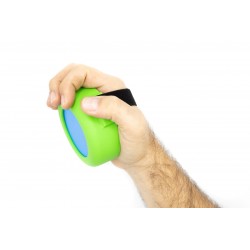
The journey to effective stroke rehabilitation requires tools that align with clinical guidelines emphasizing patient-centered care, task-specific training, and intensity tailored to recovery phases. Challenges such as insufficient therapy intensity and limited access to consistent, high-repetition practice can slow progress and diminish outcomes. At Tisale Rehab, we understand these pain points and offer innovative therapy products like FitMi and the MusicGlove designed to facilitate engaging, high-repetition exercises in both clinical and home settings. These solutions support personalized rehabilitation plans by enabling patients and therapists to deliver evidence-based motor and hand therapy efficiently and consistently.

Take control of recovery by integrating technology proven to amplify neuroplasticity and maximize functional gains. Visit Tisale Rehab to explore our product catalog with detailed descriptions and pricing that fit your clinical or home therapy needs. Act now to provide yourself or your patients with effective, user-friendly tools designed to boost motivation, ensure therapy intensity, and bring measurable improvements aligned with current clinical rehab guidelines.
Frequently Asked Questions
What are clinical rehab guidelines for stroke recovery?
Clinical rehab guidelines are structured frameworks that guide neurological therapists in delivering evidence-based interventions to improve patient outcomes during stroke recovery. They establish standardized protocols addressing assessment methods, intervention timing, team composition, outcome measurement, and discharge criteria.
Why are guidelines important in stroke rehabilitation?
Guidelines provide consistency in care, ensuring that all patients receive evidence-based interventions regardless of where they receive treatment. They help therapists make informed decisions that can lead to improved patient outcomes and recovery rates.
How do clinical guidelines support patient-centered care?
Clinical guidelines emphasize individual patient goals in treatment planning, ensuring that therapy reflects each patient’s unique needs and aspirations. This approach increases motivation and engagement in the recovery process.
What are some common therapy models used in stroke rehabilitation?
Common therapy models include task-specific training, constraint-induced movement therapy, robotic-assisted therapy, mirror therapy, and cognitive rehabilitation. Each model is designed to address different aspects of recovery based on patient needs and therapy settings.
Recommended
- Role of Home Rehabilitation – Transforming Stroke Recovery
- Why Home Rehabilitation Matters for Stroke Patients
- 7 Signs of Recovery After a Stroke: How to Know You’re on the Right Track
- 7 best rehabilitation exercises after stroke | TisaleRehab.com
- Returning to Sport After Injury: A Guide to Your Mental Comeback
- How to Enhance Workout Recovery for Optimal Results
- Morning vs Evening Rehab – Choosing the Right Program | Glendora Recovery Center
38
Get inspired by a stroke recovery story

Home rehabilitation at full speed.
My husband suffered a severe stroke on August 19, 2020, which paralyzed him on the right side. Thanks to FitMi he has made huge progress since then. He still has no strength in his right arm, but now he can walk with a cane, his speech has improved significantly, and he is fighting and rehabilitating at full speed. We are very happy that we bought this FitMi kit for him, so he can continue his training and exercises at home. We are encouraged by this program and the positive reviews we read from others who used it. Thank God we found this kit and thank you for your support. It is a wonderful program.
Kate (08.09.2020)