Defining hemiparesis recovery: guide for patients
Many people believe hemiparesis recovery happens quickly and follows a predictable path, but the reality is far more complex and individual. Hemiparesis is weakness on one side of the body, distinct from full paralysis in hemiplegia, typically resulting from stroke or neurological injury. Recovery depends on leveraging your brain’s remarkable ability to reorganize itself through targeted rehabilitation. This guide walks you through the phases of recovery, proven therapies, measurement tools professionals use, and practical strategies that empower you to maximize your rehabilitation outcomes.
Table of Contents
- Key takeaways
- Understanding hemiparesis: causes and definitions
- The science of recovery: neuroplasticity and rehabilitation methods
- Measuring recovery progress: assessments and timelines
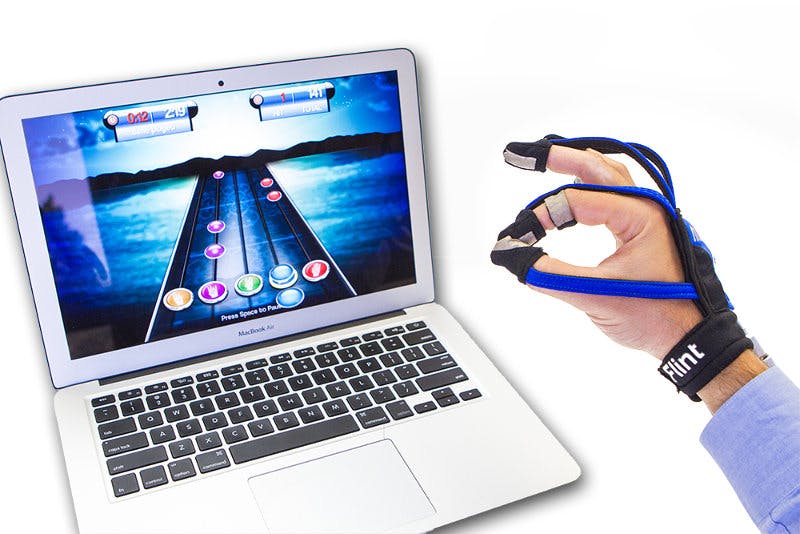
- Leveraging technology and specialized training for enhanced hemiparesis recovery
- Explore top rehabilitation kits and aids to support your recovery journey
- FAQ
Key Takeaways
| Point | Details |
|---|---|
| Hemiparesis definition | Hemiparesis is partial weakness on one side of the body, not full paralysis, usually from stroke or brain injury. |
| Neuroplasticity drives recovery | The brain reorganizes neural pathways through intensive repetitive practice to enable movement recovery after injury. |
| Technology augments rehab | Robot guided devices, virtual reality, and functional electrical stimulation enhance traditional therapy by guiding movements and providing feedback. |
| Practice dose matters | A high dose of practice with hundreds of repetitions, scheduled during peak energy hours, maximizes neuroplastic changes. |
 Understanding hemiparesis: causes and definitions
Hemiparesis refers to partial weakness affecting one side of your body, impacting arm, leg, and sometimes facial muscles. Unlike hemiplegia, which causes complete paralysis, hemiparesis allows some voluntary movement, though strength and coordination are compromised. Stroke remains the leading cause, occurring when blood flow to brain regions controlling movement is disrupted. Other causes include traumatic brain injury, cerebral palsy, brain tumors, and infections affecting the central nervous system.
The symptoms you might experience include:
- Reduced grip strength and difficulty manipulating small objects
- Impaired balance and coordination during walking
- Muscle stiffness or spasticity on the affected side
- Difficulty with fine motor tasks like buttoning shirts or writing
- Fatigue that worsens with physical activity
These symptoms directly impact daily activities, from dressing and eating to work tasks and recreational pursuits. Early diagnosis through neurological examination and imaging studies like MRI or CT scans helps therapists design targeted recovery plans. Understanding whether your weakness stems from cortical damage, subcortical injury, or spinal cord involvement shapes which physical therapy best practices will benefit you most. The distinction between hemiparesis and hemiplegia matters because recovery trajectories differ significantly, with partial weakness generally offering more rehabilitation potential.
The science of recovery: neuroplasticity and rehabilitation methods
Your brain possesses an extraordinary capacity called neuroplasticity, the ability to reorganize neural pathways and form new connections after injury. This biological mechanism underlies all hemiparesis recovery, allowing undamaged brain regions to compensate for injured areas. Research shows 82% of patients showed significant improvement with physiotherapy and interventions leveraging neuroplasticity. The key is providing your brain with the right stimuli through intensive, repetitive practice.
Standard rehabilitation approaches include:
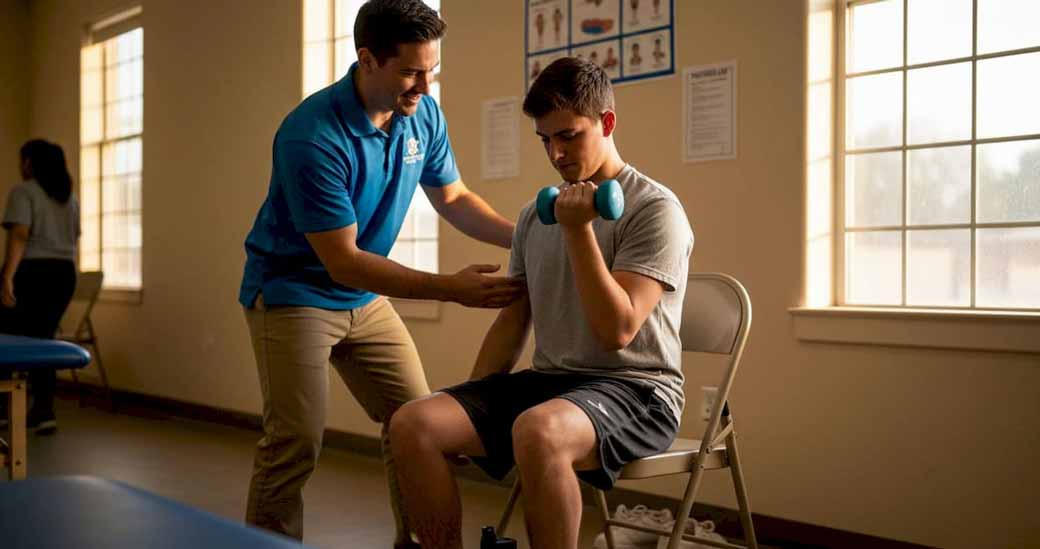
- Physical therapy focusing on strength, balance, and functional mobility
- Occupational therapy targeting daily living skills and adaptive strategies
- Constraint-induced movement therapy (CIMT) forcing use of the affected limb
- Speech therapy when hemiparesis affects facial and oral muscles
Massed practice, involving hundreds of repetitions of specific movements, proves essential for triggering neuroplasticity stroke recovery impact. Your brain needs consistent signals that a movement matters before it invests resources in rebuilding those pathways. Modern methods enhancing traditional therapy include robot-assisted systems that guide movements while providing feedback, virtual reality environments that gamify exercises, and functional electrical stimulation that activates muscles during voluntary effort.
Pro Tip: Schedule your most intensive therapy sessions when you have peak energy, typically morning hours, to maximize neuroplastic changes. Consistency matters more than occasional heroic efforts.
The technology in neuro recovery outcomes continues evolving, but the fundamental principle remains unchanged. Your nervous system responds to challenge and repetition. Whether using high-tech devices or simple exercises, the dose of practice determines results. Therapists increasingly combine multiple approaches, recognizing that variety in training stimuli may accelerate recovery beyond single-method interventions.

Measuring recovery progress: assessments and timelines
Objective measurement tools help track your recovery and adjust treatment plans. The Fugl-Meyer Assessment is the gold standard for quantifying sensorimotor recovery after hemiparesis. This scale evaluates motor function, sensation, balance, and joint range separately for upper and lower extremities. Scores range from 0 (no function) to 226 (normal function), with subscales allowing detailed tracking of specific impairments.

| FMA Score Range | Recovery Level | Functional Meaning |
|---|---|---|
| 0-50 | Severe impairment | Minimal voluntary movement, full assistance needed |
| 51-84 | Moderate impairment | Some voluntary control, partial assistance required |
| 85-95 | Mild impairment | Functional movement with compensations |
| 96+ | Near normal | Independent function with subtle deficits |
Recovery timelines include acute (0-3 months), subacute (3-6 months with possible plateau), and chronic (6+ months) phases with ongoing potential for gains. The acute phase typically shows the most dramatic improvements as brain swelling resolves and some neural pathways spontaneously recover. During subacute recovery, gains continue but may slow, leading some patients to mistakenly believe they’ve reached their maximum potential.
The chronic phase, beginning around six months post-injury, was historically viewed as offering limited recovery potential. Current research challenges this assumption, demonstrating that intensive therapy during chronic stages produces meaningful functional gains. Individual factors influencing your timeline include injury severity, age, overall health, motivation level, and access to quality rehabilitation. Some people plateau temporarily before breaking through with adjusted therapy approaches.
Don’t let arbitrary timelines dictate your effort. The role of home rehabilitation becomes increasingly important during chronic phases when formal therapy sessions may decrease. Regular reassessment using standardized tools like the FMA helps identify which specific impairments need targeted attention versus which functions have recovered sufficiently.
 Leveraging technology and specialized training for enhanced hemiparesis recovery
Advanced therapy options are reshaping what’s possible in hemiparesis recovery. Robot-assisted therapy, virtual reality, and functional electrical stimulation show promising outcomes for activities of daily living improvements. These technologies don’t replace traditional therapy but enhance it by providing precise, repeatable movements and engaging feedback that sustains motivation during hundreds of repetitions.
Robot-assisted therapy (RAT) uses mechanical devices to guide your limbs through movement patterns, adjusting assistance levels as you improve. Virtual reality (VR) systems immerse you in game-like environments where reaching, grasping, and manipulating virtual objects translates to real motor learning. Functional electrical stimulation (FES) delivers small electrical currents to muscles, helping them contract in coordination with your voluntary effort.
The debate between bilateral and unilateral training approaches affects therapy planning. Bilateral training may lead to greater motor recovery than unilateral approaches for some patients. Bilateral training involves moving both arms or legs simultaneously, potentially activating broader neural networks. Unilateral training focuses exclusively on the affected side, following the specificity principle that you improve what you practice.
| Approach | Best For | Advantages | Limitations |
|---|---|---|---|
| Robot-assisted therapy | Severe impairment, precise movement practice | Consistent guidance, objective data, high repetition | Expensive, requires clinical setting |
| Virtual reality | Motivation challenges, home use | Engaging, adaptable difficulty, real-time feedback | May cause motion sickness, equipment cost |
| Functional electrical stimulation | Muscle weakness, foot drop | Assists weak muscles, prevents atrophy | Requires proper electrode placement, not suitable for all |
| Bilateral training | Severe hemiparesis, coordination deficits | May activate broader networks, functional patterns | Less task-specific than unilateral |
| Unilateral training | Mild to moderate impairment | Highly specific, mimics real-world tasks | May neglect compensatory strategies |
Patient scenarios benefiting from specific technologies:
- Severe arm weakness responds well to robot-assisted therapy providing movement guidance
- Chronic phase patients with motivation challenges benefit from VR’s game-like engagement
- Foot drop during walking improves with FES timed to the gait cycle
- Bilateral coordination deficits improve with synchronized arm training protocols
Pro Tip: Start technology-based therapies early in your recovery journey to build familiarity and motivation, but don’t view them as magic solutions. They work best when integrated with comprehensive rehab technology faster stroke recovery programs that include traditional hands-on therapy.
The tech solutions for chronic rehab landscape continues expanding, with new devices entering the market regularly. When evaluating options, prioritize systems with clinical evidence supporting their effectiveness and consider whether the technology addresses your specific impairments. Some patients benefit more from high-tech solutions, while others achieve excellent results with low-tech, high-dose practice of functional tasks.
Explore top rehabilitation kits and aids to support your recovery journey
Specialized rehabilitation kits for stroke and cerebral palsy offer structured, evidence-based exercises you can perform independently at home. These systems complement your professional therapy sessions by enabling the high-repetition practice essential for neuroplastic changes. Rehabilitation aids range from simple adaptive equipment to sophisticated technology platforms that guide your exercises and track progress.

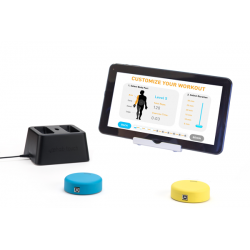
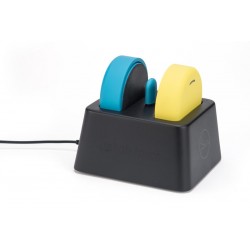
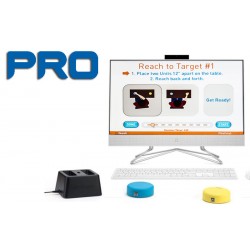
The FitMi home neurorehabilitation system exemplifies how technology can deliver therapeutic exercises in an engaging format, using sensor-based pucks that detect your movements and provide immediate feedback. These tools help you maintain therapy intensity between clinical visits, particularly important during chronic phases when formal therapy frequency often decreases. By combining professional guidance with consistent home practice using specialized equipment, you create the intensive training environment that drives meaningful recovery.
FAQ
What is the difference between hemiparesis and hemiplegia?
Hemiparesis involves partial weakness on one side of your body, allowing some voluntary movement despite reduced strength and coordination. Hemiplegia means complete paralysis on one side, with no voluntary movement possible in affected limbs. Recovery approaches differ because hemiparesis offers more rehabilitation potential, while hemiplegia requires greater focus on compensation strategies and adaptive equipment. Treatment timelines and functional goals must be adjusted based on whether you have weakness or complete paralysis.
How long does hemiparesis recovery typically take?
The acute phase lasting 0 to 3 months shows the most rapid improvements as swelling resolves and some neural pathways spontaneously recover. Subacute recovery from 3 to 6 months continues producing gains, though progress may slow, leading some to mistakenly believe they’ve plateaued. The chronic phase beginning after 6 months still allows meaningful improvements with continued intensive therapy, contradicting outdated beliefs about fixed recovery windows. Your individual timeline depends on injury severity, age, overall health, therapy intensity, and motivation, making predictions highly variable.
What therapies are most effective for hemiparesis recovery?
Physical therapy, occupational therapy, and constraint-induced movement therapy have the strongest evidence for improving function after hemiparesis. High-intensity, repetitive practice of specific movements proves essential because your brain needs consistent signals to invest in rebuilding neural pathways. Emerging technologies like robot-assisted therapy, virtual reality, and functional electrical stimulation enhance traditional approaches by enabling more repetitions with engaging feedback. The most effective programs combine multiple therapy types tailored to your specific impairments and recovery phase.
Can technology-based therapies improve recovery outcomes?
Yes, technologies like robot-assisted systems, virtual reality environments, and electrical stimulation devices demonstrate improvements in activities of daily living when added to conventional therapy. They prove especially valuable for patients with severe impairments who struggle to initiate movements independently and during chronic rehabilitation when maintaining motivation becomes challenging. Technology doesn’t replace hands-on therapy but supplements it by enabling higher practice doses and providing objective progress data. The key is selecting technologies that address your specific deficits rather than assuming all high-tech solutions benefit everyone equally.
Recommended
38
Get inspired by a stroke survival story


It's a very good "gaming" therapy.
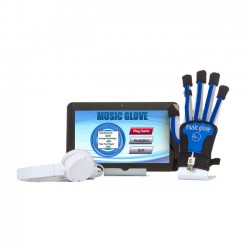
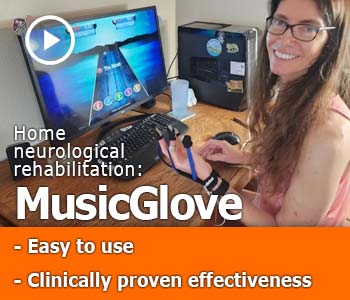
I had a stroke 9 years ago and have tried many different therapies. I really like the gaming aspect offered by MusicGlove. I have only been using this kit for a month and I can already see some progress. It helps me a lot to stay motivated. It's really amazing...
In summary, I really like MusicGlove. MusicGlove.
Tomasz S. (04.03.2020)