How to set up rehab protocols for neurological recovery
Designing effective rehabilitation protocols for stroke and cerebral palsy patients remains one of the most challenging tasks for clinicians. Many therapists struggle to balance evidence-based intensity targets with patient-specific needs, often defaulting to low-intensity interventions that fail to trigger neuroplasticity. The stakes are high: suboptimal protocol design can mean the difference between meaningful functional recovery and stagnation. This guide provides rehabilitation professionals with a systematic framework for setting up protocols that maximize neurological recovery, integrating cutting-edge research with practical implementation strategies. You’ll discover how to leverage clinical pathways, technology adjuncts, and monitoring tools to create protocols that deliver measurable outcomes for your patients.
Table of Contents
- Key takeaways
- Preparing to set up rehab protocols: prerequisites and planning
- Executing effective rehab protocols: step-by-step setup and best practices
- Common mistakes and troubleshooting when setting up rehab protocols
- Measuring success: evaluating and verifying rehab protocol outcomes
- Discover specialized rehabilitation kits for stroke and cerebral palsy
- FAQ
Key Takeaways
| Point | Details |
|---|---|
| High intensity practice | The brain reorganizes best with task specific, goal oriented, repetitive practice at high intensity. |
| Tailored clinical pathways | Tailored clinical pathways help customize protocols to a patient’s deficit severity and functional goals. |
| Technology driven monitoring | Integrate technology tools to deliver therapy dose and monitor progress across sessions. |
| Focus on intensity over dose | Prioritize increasing the intensity of practice rather than simply adding minutes to therapy to maximize neural changes. |
| Family centered goals | Involve patients and families in goal setting to boost adherence and outcomes. |
 Preparing to set up rehab protocols: prerequisites and planning
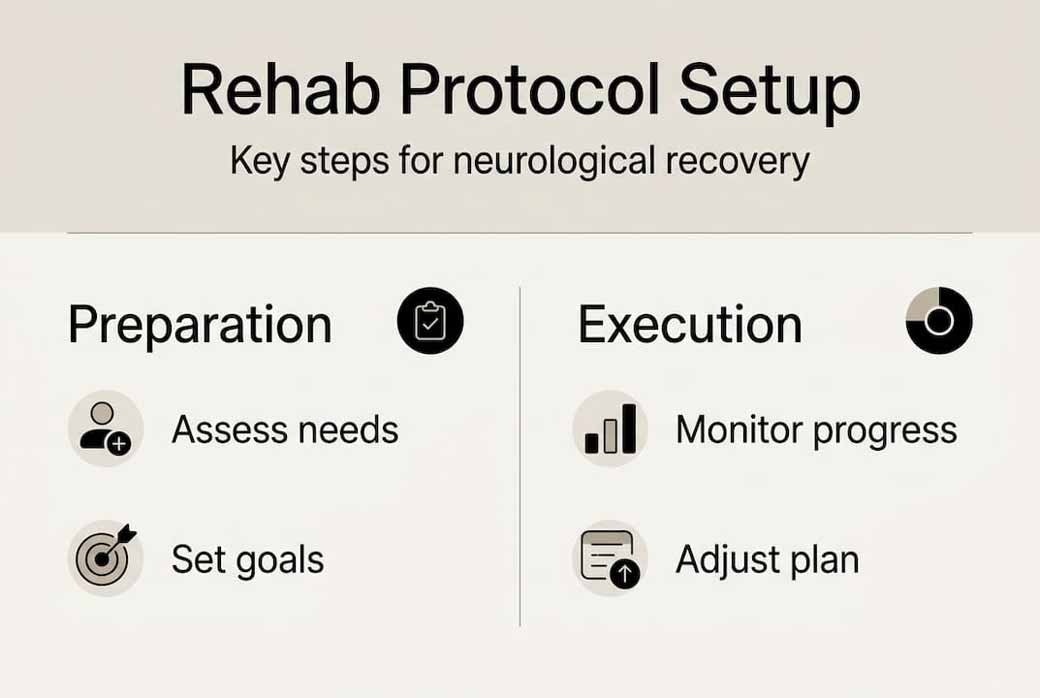
Before you design any protocol, you must understand the neuroplasticity principles that underpin effective recovery. The brain’s ability to reorganize and form new neural connections depends on task-specific, goal-oriented, repetitive practice at high intensity. Without this foundation, even well-intentioned protocols will underdeliver. Your first step involves conducting thorough patient assessments to stratify deficit severity and identify specific functional limitations. This assessment phase determines which clinical pathway you’ll follow and which interventions will yield the greatest benefit.
Gathering the right tools and resources before protocol launch saves time and prevents mid-course corrections. You’ll need validated assessment instruments, technology aids for monitoring and delivering therapy, and a system for tracking patient progress over time. Consider incorporating top rehabilitation exercises that target your patient’s specific deficits. Your clinical environment must support repetitive practice sessions without interruption, and you should have backup plans for equipment failures or patient fatigue.
Establishing clear, patient-centered goals drives every protocol decision you make. These goals should be specific, measurable, and meaningful to the patient’s daily life. A stroke survivor who wants to return to cooking needs different protocol elements than one focused on walking independence. Engage patients and families in goal-setting conversations early, as their buy-in directly impacts adherence and motivation. Document these goals explicitly and reference them when making protocol adjustments. This preparation phase also includes educating patients about what high-intensity therapy feels like and why it’s necessary for recovery.
Your preparation checklist should include:
- Comprehensive deficit assessment using validated clinical scales
- Clear functional goals co-created with patient and family
- Technology tools for therapy delivery and dose monitoring
- Scheduled high-intensity practice sessions in your clinical calendar
- Backup protocols for common barriers like fatigue or equipment issues
Pro Tip: Create a protocol template that includes intensity targets, specific exercises, and monitoring checkpoints. This standardization ensures consistency while allowing customization for individual patients. Review essential rehab tips to refine your template based on the latest clinical insights.
Executing effective rehab protocols: step-by-step setup and best practices
Implementing your protocol starts with selecting the appropriate clinical pathway for your patient’s condition and severity level. The Padova Model stratifies patients by deficit severity and integrates technology as an adjunct, providing a structured framework that prevents one-size-fits-all approaches. For stroke patients with severe upper limb impairment, you might combine constraint-induced movement therapy with robotic assistance. For cerebral palsy patients, family-centered protocols that emphasize functional tasks in natural environments often yield superior outcomes. Match your pathway selection to the specific neurological presentation you’re treating.
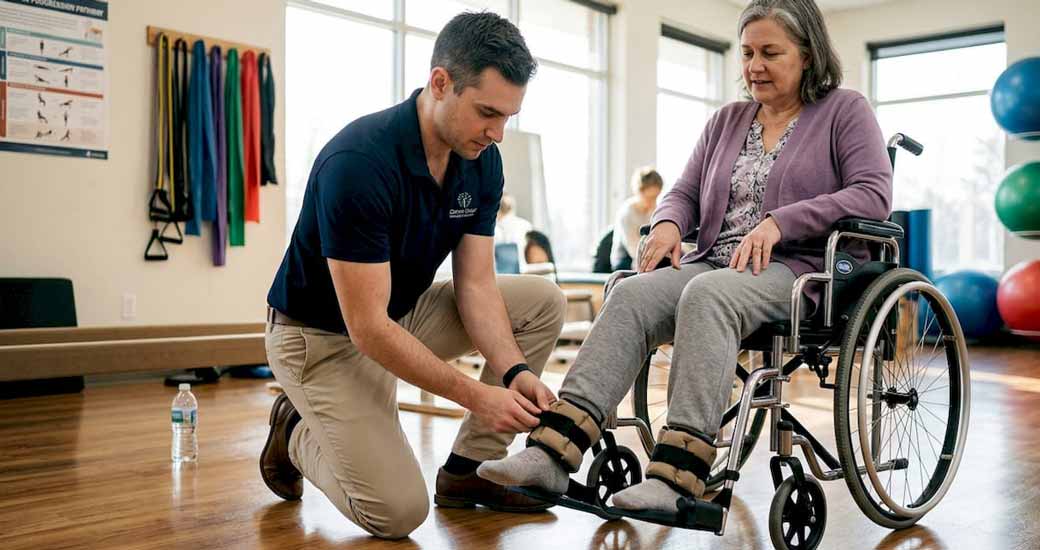
Technology adjuncts amplify your protocol’s effectiveness when used strategically. Robotics provide consistent, high-repetition practice that human therapists cannot sustain for extended periods. Functional electrical stimulation activates weakened muscles during task practice, reinforcing the motor learning process. Technology in neuro recovery has transformed how we deliver intensive therapy, but remember that technology should augment, not replace, skilled therapeutic guidance. Select tools that align with your patient’s goals and your clinic’s capabilities. Don’t adopt technology just because it’s new; adopt it because it solves a specific protocol challenge.
Monitoring therapy dose and intensity separates effective protocols from ineffective ones. Tools like Rehabkompassen track actual therapy time and intensity, giving you objective data on whether your protocol delivers the prescribed dose. Many therapists overestimate the intensity they provide, leading to subtherapeutic protocols. Set specific intensity targets for each session and measure whether you hit them. For upper limb therapy, aim for 20 to 60 minutes of active, challenging practice five days per week. For gait training, ensure each step challenges balance and coordination rather than providing passive support.
Your step-by-step implementation process:
- Select clinical pathway based on deficit severity and patient goals
- Integrate appropriate technology adjuncts that enhance practice intensity
- Set specific intensity targets and schedule high-frequency sessions
- Monitor actual therapy dose using objective tracking tools
- Engage family members in goal-directed practice and home programs
- Adjust protocol weekly based on patient progress and tolerance
Pro Tip: Schedule your most intensive therapy sessions when patients have peak energy, typically morning hours. Fatigue dramatically reduces the quality of practice and limits neuroplasticity benefits. If patients tire mid-session, break the protocol into shorter, more frequent bouts rather than pushing through exhaustion. Explore tech solutions for rehab that enable patients to continue practice at home, extending your protocol’s reach beyond clinic walls. For comprehensive guidance on home-based protocols, review comprehensive home neurorehabilitation strategies that complement your clinical interventions.
Common mistakes and troubleshooting when setting up rehab protocols
Low-intensity therapy remains the most pervasive mistake in rehabilitation protocol design. Many clinicians default to balance and sitting training that fails to challenge neural recovery processes, particularly for cerebral palsy patients. These passive interventions feel safe and comfortable but don’t trigger the neuroplastic changes necessary for functional improvement. If your patient isn’t working hard enough to feel challenged, you’re not delivering therapeutic intensity. This doesn’t mean pushing to injury, but it does mean consistently operating at the edge of current capability. Review your protocols honestly and identify where you’ve prioritized comfort over effectiveness.
Monitoring system failures lead to protocols that drift from their intended design. Without objective measurement, therapists often believe they’re delivering high-intensity therapy when actual practice time falls far short. You might schedule 60-minute sessions but deliver only 20 minutes of active practice after setup, transitions, and rest breaks. This gap between intended and actual dose undermines protocol effectiveness. Implement tracking systems that capture real practice time, not just scheduled time. Technology solutions that automatically log repetitions and active minutes eliminate estimation errors and provide accountability.
Neglecting patient-specific factors creates protocols that work on paper but fail in practice. A protocol designed for a motivated young stroke survivor won’t work for an elderly patient with multiple comorbidities. Family involvement makes an enormous difference for cerebral palsy protocols but may be impossible for some families due to work or caregiving constraints. Cultural factors influence goal selection and adherence. Build flexibility into your protocols to accommodate these realities without abandoning intensity targets. Sometimes you need to get creative about how you deliver high-intensity therapy within real-world constraints.
Common protocol errors to avoid:
- Prescribing passive modalities that don’t challenge motor control
- Overestimating actual therapy intensity without objective measurement
- Using generic protocols without patient-specific customization
- Underutilizing available technology that could enhance practice dose
- Failing to adjust protocols when progress stalls or patient circumstances change
Pro Tip: When protocols aren’t working, revisit your original goals with the patient. Sometimes the protocol is fine but the goals have shifted, or the patient never fully bought into the original objectives. This conversation often reveals barriers you didn’t know existed. Consult setting effective rehabilitation goals for frameworks that keep goals aligned with patient values throughout the recovery journey.
“The difference between effective and ineffective protocols often comes down to intensity monitoring and patient engagement. Therapists who measure what they deliver consistently outperform those who rely on intuition.”
Troubleshooting requires systematic analysis rather than random adjustments. When progress plateaus, first verify that you’re actually delivering the prescribed intensity. Check whether patient fatigue, pain, or motivation issues are limiting practice quality. Review the latest evidence to confirm your intervention choices remain current. Sometimes the solution involves increasing intensity, other times it requires changing the task specificity to better match patient goals. Consult rehab tips for clinicians for expert strategies on diagnosing and fixing common protocol problems.
Measuring success: evaluating and verifying rehab protocol outcomes
Effective outcome measurement combines clinical assessment tools with technology-generated metrics to provide comprehensive progress tracking. Validated scales like the Fugl-Meyer Assessment for stroke or the Gross Motor Function Measure for cerebral palsy give you standardized benchmarks that allow comparison across patients and time points. These clinical measures capture functional changes that matter to patients and payers. Technology tools add objective data on practice dose, movement quality, and consistency that clinical scales miss. Tools like Rehabkompassen monitor dose while wearable sensors track movement patterns during daily activities, revealing whether clinic gains transfer to real-world function.
Patient and family feedback provides outcome data that formal assessments often overlook. A patient might score identically on a clinical scale but report dramatically improved confidence in daily activities. Families notice changes in participation and independence that happen outside therapy sessions. Structure your feedback collection with specific questions about goal achievement and functional performance rather than general satisfaction surveys. This qualitative data helps you understand whether your protocol is delivering outcomes that matter to the people you serve. Family-centered approaches particularly benefit cerebral palsy protocols where family observations provide critical insights into progress.
Regular protocol review sessions ensure your interventions remain aligned with patient progress and current evidence. Schedule formal reviews every two to four weeks where you analyze intensity data, clinical assessment scores, and patient feedback together. This review process identifies when protocols need adjustment before problems become entrenched. Sometimes you’ll need to increase intensity as patients adapt, other times you’ll need to modify tasks to maintain appropriate challenge levels. Data-driven evaluation removes guesswork and provides clear direction for protocol refinement.
| Outcome measure | What it tracks | Review frequency |
|---|---|---|
| Clinical assessment scales | Functional capacity and impairment levels | Every 2-4 weeks |
| Technology metrics | Practice dose, repetitions, movement quality | Daily to weekly |
| Patient-reported outcomes | Goal achievement, satisfaction, confidence | Every 2-4 weeks |
| Family observations | Real-world function, participation, independence | Every 2-4 weeks |
| Adherence tracking | Session attendance, home program completion | Weekly |
Your comprehensive outcome verification strategy should include:
- Baseline and interval assessments using validated clinical scales
- Continuous technology monitoring of therapy dose and intensity
- Structured patient and family feedback on functional goals
- Regular review meetings to analyze data and adjust protocols
- Documentation of outcomes in formats that support quality improvement
The combination of clinical judgment and objective data creates protocols that evolve with patient needs. Technology removes bias from dose monitoring while clinical expertise interprets what the data means for individual patients. This balanced approach ensures you’re not just collecting data but using it to drive better outcomes. Explore rehabilitation science basics to deepen your understanding of the principles underlying effective outcome measurement. Integrate neurological recovery exercises that align with your measurement framework, ensuring you’re tracking the outcomes your interventions are designed to improve.
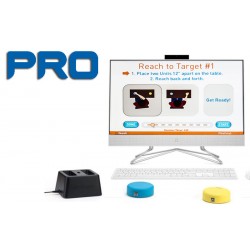

Discover specialized rehabilitation kits for stroke and cerebral palsy
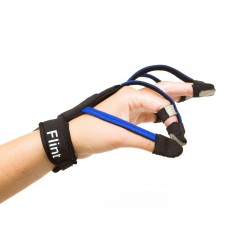
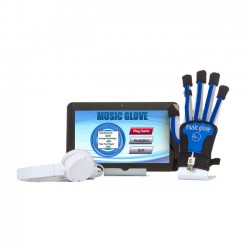
Implementing evidence-based protocols requires tools that deliver consistent, high-intensity therapy while tracking patient progress objectively. Tisele Rehab offers specialized kits designed specifically for stroke and cerebral palsy rehabilitation that integrate seamlessly with the clinical pathways and intensity targets discussed throughout this guide. Their technology solutions provide the monitoring capabilities and therapy delivery systems that transform protocol design from theory into practice.

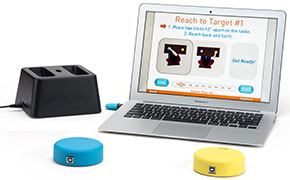
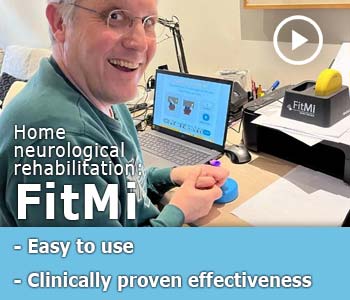
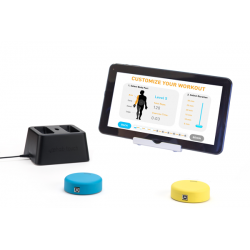
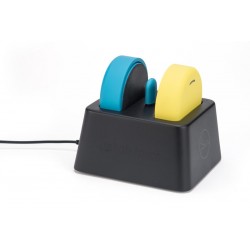
The FitMi-Pro neurorehabilitation kit exemplifies how technology enhances protocol effectiveness by enabling high-repetition practice with automatic dose tracking. This system allows therapists to prescribe specific exercise programs while monitoring patient adherence and intensity in real time. Browse the complete range of rehabilitation aids to find tools that address your patients’ specific functional deficits and support the intensity targets your protocols require.
FAQ
What is the ideal intensity and duration for rehab protocols?
Protocols should include 20 to 60 minutes of active, task-specific practice daily, five days per week for optimal neuroplasticity benefits. This intensity target applies particularly to upper limb rehabilitation but similar principles guide other domains. The key is active practice time where patients are challenged and engaged, not passive treatment or rest periods. Adjust duration based on patient tolerance while maintaining high intensity during active practice.
How can technology improve rehabilitation protocol effectiveness?
Technology increases therapy intensity by enabling consistent, high-repetition practice that human therapists cannot sustain manually. Robotics and functional electrical stimulation serve as adjuncts while monitoring tools like Rehabkompassen track actual dose delivered during sessions. These tools provide objective data that prevents the common problem of overestimating therapy intensity. Technology also enhances patient motivation through gamification and immediate feedback, improving engagement during challenging practice sessions.
What are common mistakes to avoid in setting up rehab protocols?
The most critical error is prescribing low-intensity balance and sitting training that fails to challenge neural recovery processes adequately. Other common mistakes include inadequate dose monitoring, using generic protocols without patient-specific customization, and neglecting family involvement in goal-setting. Avoid passive modalities that don’t require active motor control and ensure your monitoring systems capture actual practice time rather than just scheduled session duration.
How do I know if my protocol is working?
Combine validated clinical assessment scales with objective technology metrics and patient-reported functional improvements to verify protocol effectiveness. Progress should be evident in standardized measures every two to four weeks, with technology data showing consistent high-intensity practice and increasing repetitions or movement quality. Patient and family feedback about real-world function provides crucial verification that clinic gains transfer to daily activities. If progress stalls for more than two weeks despite adequate intensity, reassess your intervention choices and goal alignment.
Recommended
38
Get inspired by a stroke recovery story

Home rehabilitation at full speed.
My husband suffered a severe stroke on August 19, 2020, which paralyzed him on the right side. Thanks to FitMi he has made huge progress since then. He still has no strength in his right arm, but now he can walk with a cane, his speech has improved significantly, and he is fighting and rehabilitating at full speed. We are very happy that we bought this FitMi kit for him, so he can continue his training and exercises at home. We are encouraged by this program and the positive reviews we read from others who used it. Thank God we found this kit and thank you for your support. It is a wonderful program.
Kate (08.09.2020)