Rehabilitation Science Basics: Maximizing Neurological Recovery
Watching a loved one navigate stroke recovery often means facing daily uncertainty and hopeful milestones. Rehabilitation science stands out because it focuses on what your family member can achieve next, not just the limits stroke might have created. By combining the power of the biopsychosocial approach with modern therapy tools like virtual reality and robotics, you gain effective strategies that support not only physical healing but also confidence and independence at home.
Table of Contents
- Defining Rehabilitation Science And Key Concepts
- Types Of Rehabilitation For Neurological Recovery
- How High-Tech Home Therapy Tools Work
- Safety, Effectiveness, And Common Challenges
Key Takeaways
| Point | Details |
|---|---|
| Holistic Approach | Rehabilitation science uses a biopsychosocial model, addressing biological, psychological, and social factors for recovery. |
| Multidisciplinary Care | Combining various therapies—physical, occupational, and speech—optimizes recovery outcomes. |
| Home-Based Therapy | High-tech tools enable consistent practice at home, maximizing engagement, and overcoming accessibility barriers. |
| Involvement Matters | Caregiver participation significantly influences recovery speed and quality, highlighting the importance of being actively involved in therapy. |
Defining Rehabilitation Science and Key Concepts
Rehabilitation science is a practical healthcare discipline that helps people regain function, independence, and quality of life after neurological injury or disease. Unlike traditional medicine focused on diagnosis and treatment, rehabilitation emphasizes what someone can do moving forward, not just what went wrong.
For stroke survivors and their families, this shift in perspective matters deeply. Rehabilitation isn’t about waiting for spontaneous recovery or accepting permanent limitations as final.
What Makes Rehabilitation Different
Rehabilitation views your loved one’s recovery through three interconnected lenses:
- Biological factors: The actual brain and body damage from stroke, and how the nervous system adapts
- Psychological factors: Motivation, emotional well-being, confidence, and coping strategies
- Social factors: Family support, home environment, access to resources, and community participation
This biopsychosocial approach recognizes that recovery isn’t purely physical—it’s deeply personal and contextual. Your role as a caregiver directly influences outcomes.
Core Frameworks Guiding Recovery
Rehabilitation science uses established frameworks to structure recovery. The International Classification of Functioning, Disability, and Health (ICF) provides a common language for understanding what recovery actually means.
The ICF separates three critical concepts:
- Impairments: Physical or cognitive changes (like weakness or memory loss)
- Activity limitations: Difficulties performing everyday tasks (difficulty walking or speaking)
- Participation restrictions: Inability to engage in roles that matter (returning to work, social activities)
Rehabilitation targets all three levels, not just impairments. A patient might regain arm strength but still struggle with the coordination needed to button a shirt. Effective therapy addresses both.
Why This Science-Based Approach Works
Transformative healthcare interventions now use guided frameworks and personalized strategies that improve cognitive and physical function across diverse populations. Research shows that structured, evidence-based rehabilitation accelerates recovery compared to passive approaches.
Stroke recovery isn’t random. The brain exhibits neuroplasticity—the ability to rewire itself through repetition and practice. This is why consistent, targeted therapy produces measurable changes in neural pathways.
Rehabilitation science combines biological understanding of brain recovery with practical strategies that work in real-world settings where you live and heal.
Your involvement transforms recovery from something done to the patient into something done with partnership and purpose.
Pro tip: Ask your rehabilitation team to explain their goals using the ICF framework—understand whether therapy targets impairments, activity limitations, or participation. This clarity helps you reinforce therapy at home between sessions.

Types of Rehabilitation for Neurological Recovery
Stroke recovery isn’t one-size-fits-all. Different types of rehabilitation address different needs, and most stroke survivors benefit from a combination of therapies working together. Understanding what each type does helps you advocate for your loved one’s care.
Physical Therapy: Rebuilding Movement and Strength
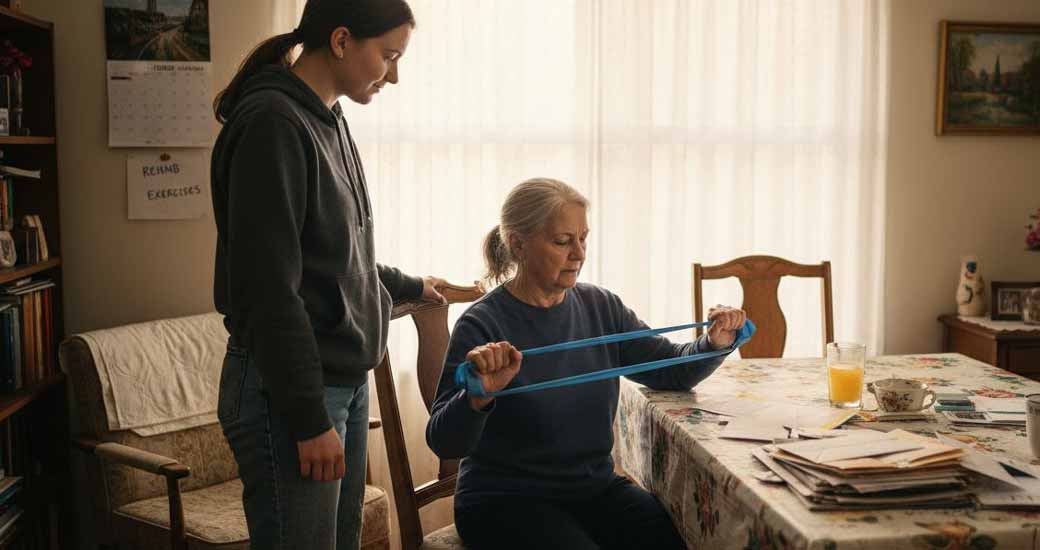
Physical therapy targets the most visible stroke effects: weakness, balance problems, and difficulty walking. A physical therapist assesses which muscles are affected and designs exercises to rebuild strength and coordination.
Physical therapy focuses on:
- Regaining strength in affected limbs
- Improving balance and preventing falls
- Restoring walking ability and mobility
- Reducing muscle stiffness and contractures
These sessions often happen in clinics, but home-based rehabilitation extends benefits by allowing daily practice in familiar environments where recovery actually matters most.
Occupational Therapy: Reclaiming Daily Life
Occupational therapy addresses the practical skills that make independence possible. While physical therapy focuses on basic movement, occupational therapy targets everyday tasks: dressing, eating, grooming, cooking, managing finances.
An occupational therapist helps your loved one relearn or adapt these activities. If someone can’t button shirts with one hand, therapy teaches adaptive techniques or introduces specialized clothing.
Speech and Language Therapy: Communication and Swallowing
Strokes often affect speech, language comprehension, and swallowing. A speech-language pathologist can address all three areas.
Therapy may involve:
- Rebuilding speech clarity and language abilities
- Improving understanding and word-finding
- Retraining swallowing to prevent aspiration
- Alternative communication methods if speech recovery is limited
These gains directly impact quality of life and social participation.
Here’s a quick comparison of rehabilitation therapy types and their main areas of impact:
| Therapy Type | Main Focus | Outcomes Supported | Typical Environment |
|---|---|---|---|
| Physical Therapy | Movement and muscle strength | Mobility and balance | Clinic or at home |
| Occupational Therapy | Daily life activities | Independence and adaptation | Clinic or at home |
| Speech/Language Therapy | Communication and swallowing | Social and safety | Clinic or at home |
| Cognitive Rehab | Memory and thinking skills | Cognitive function and mood | Clinic or at home |
Cognitive and Neuropsychological Rehabilitation
Stroke can affect memory, attention, problem-solving, and emotional processing. Advanced interventions incorporating cognitive therapies and neuroplasticity-based approaches address these invisible impairments.
A neuropsychologist assesses cognitive function and designs targeted exercises to rebuild these capacities. This might include memory training, attention exercises, or strategies to compensate for lasting changes.
Effective stroke recovery combines multiple therapy types because the brain controls movement, speech, thinking, and emotion simultaneously.
Why Multidisciplinary Teams Work Better
Your stroke survivor doesn’t need these therapies in sequence—they work best together. Physical therapy builds strength; occupational therapy applies that strength to meaningful tasks; speech therapy supports communication throughout.
Personalized rehabilitation adjusts based on progress, changing needs, and your family’s priorities. What matters to your loved one shapes what therapies emphasize most.
Pro tip: Ask your rehabilitation team which therapy type targets each of your loved one’s specific goals, and request clear metrics showing progress in each area—this keeps everyone focused on what actually improves quality of life.
How High-Tech Home Therapy Tools Work
Traditional stroke rehabilitation happens in clinics during scheduled appointments. High-tech home therapy tools change that equation by bringing structured, evidence-based therapy directly into your living room, where your loved one can practice daily without travel barriers.
These aren’t just convenient distractions. Technologies like virtual reality and robotics actively support physical function recovery through tailored, structured programs that keep patients engaged while tracking progress in real time.
How the Technology Engages the Brain
Your brain recovers through repetition. The same neural pathways that rewired during the original stroke can rewire again through consistent, purposeful practice. High-tech tools make this repetition engaging instead of tedious.
Instead of performing the same movement hundreds of times in silence, your loved one might:
- Play music-based hand coordination games that respond to their movements
- Navigate virtual environments that require precise arm control
- Complete interactive exercises that feel like play, not therapy
This engagement matters because motivation drives recovery. Boredom leads to abandoned therapy; engagement drives daily practice.
Real-Time Feedback and Adjustment
Traditional therapy sessions last 30 to 60 minutes. Then what? Your loved one goes home without feedback until the next appointment.
High-tech tools provide immediate, continuous feedback. The system tracks movement accuracy, speed, range of motion, and effort. When your loved one performs a movement correctly, they see it. When compensation patterns emerge (cheating with the unaffected side), the system detects and corrects it.
This precision prevents bad habits from solidifying and accelerates proper motor learning.
Personalization and Progression
Every stroke survivor’s recovery differs. One person needs aggressive upper limb work; another needs walking balance. One recovers quickly; another requires months of consistency.
High-tech systems adjust automatically:
- Starting difficulty matches current ability
- Exercises increase in complexity as strength improves
- Programs adapt based on performance metrics
- Therapists adjust remotely when needed
This personalization keeps therapy challenging without being discouraging.
Accessibility Beyond the Clinic
Clinical therapy requires transportation, appointments, and schedule coordination. Home-based high-tech tools eliminate these barriers. Your loved one practices when energy levels are highest, when caregiving schedules allow, and without transportation stress.
Continuous rehabilitation in home environments bridges the gap between therapy sessions and extends recovery opportunities exponentially.
High-tech home therapy works because it combines what the brain needs to recover (repetition, challenge, feedback) with what real life demands (convenience, consistency, engagement).
Your involvement becomes supervision and encouragement, not transportation and scheduling.
Pro tip: Start with 10-15 minute sessions and gradually build to longer practice as your loved one gains confidence; consistency matters far more than marathon sessions, and brief daily practice outperforms sporadic longer sessions.


Safety, Effectiveness, and Common Challenges
Not every rehabilitation approach works equally well for every stroke survivor. Understanding what research shows about safety and effectiveness helps you set realistic expectations and recognize when adjustments are needed.
Safety: What You Should Know
Stroke rehabilitation is generally safe when properly supervised. Early, tailored interventions demonstrate strong safety profiles, especially when matched to individual needs. Your concern isn’t whether therapy is risky—it’s whether the specific approach fits your loved one’s condition.
Safety considerations include:
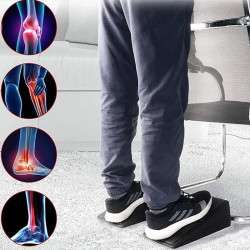
- Proper setup to prevent falls during balance exercises
- Monitoring for fatigue that signals overwork
- Avoiding movements that cause pain beyond normal effort discomfort
- Starting gradually and progressing intelligently
When using home-based tools, this means positioning your loved one safely, ensuring clear space, and maintaining contact or assistance until confidence builds.
Effectiveness: The Evidence Shows Promise
Motor relearning and robotics techniques demonstrate real improvements in function and quality of life. Research on physiotherapy, treadmill training, and technology-assisted rehabilitation shows measurable gains in movement, strength, and walking ability.
But here’s the honest part: effectiveness varies significantly between individuals. The same therapy helps one person tremendously while producing modest gains for another.
Why Results Vary So Much
Multiple factors influence recovery speed and extent:
- Stroke severity: Larger strokes typically require longer recovery
- Time since stroke: Early intervention produces faster gains
- Consistency: Daily practice outperforms sporadic effort dramatically
- Motivation and psychology: Depression or hopelessness slows recovery
- Genetics and overall health: Age and pre-existing conditions matter
- Caregiver support: Your involvement accelerates outcomes
You can’t change stroke severity or genetics, but you directly influence consistency, motivation, and support.
To help set realistic expectations, here’s a summary of recovery factors and their typical impact on progress:
| Recovery Factor | Positive Impact | Negative Impact | Can Caregiver Influence? |
|---|---|---|---|
| Stroke severity | Mild strokes recover faster | Severe strokes require longer | No |
| Intervention timing | Early therapy accelerates gains | Delayed therapy slows recovery | Limited |
| Consistency | Daily practice boosts progress | Sporadic effort slows progress | Yes |
| Motivation | Encouraged patient improves more | Low motivation stalls progress | Yes |
| Overall health | Good health aids recovery | Pre-existing issues hinder | Limited |
| Caregiver support | Active engagement accelerates | Minimal support slows progress | Yes |
Common Real-World Challenges
Rehabilitation research identifies persistent obstacles that affect outcomes:
- Inconsistent participation - Life happens; therapy gets missed
- Lack of personalization - Generic programs miss individual needs
- Access barriers - Transportation, cost, scheduling overwhelm many families
- Variability in practice quality - Not all therapists use the same evidence-based methods
- Outcome measurement gaps - Progress isn’t always tracked clearly
Rehabilitation effectiveness depends as much on what happens between appointments as during them.
Home-based high-tech tools address several challenges by eliminating transportation barriers, allowing consistent practice, and providing automatic progression adjustment.
Managing Expectations Realistically
Recovery isn’t linear. Some weeks bring visible progress; other weeks feel stalled despite consistent effort. Plateaus are normal and don’t mean therapy has stopped working—they often precede breakthroughs.
Set goals based on your loved one’s baseline, not someone else’s recovery story. Recovery timelines vary from months to years depending on severity and consistency.
Pro tip: Track specific, measurable progress weekly (steps taken, words spoken, objects grasped) rather than waiting for dramatic improvements; small, documented gains build confidence and help you and your therapy team adjust strategies when progress stalls.
Empower Neurological Recovery with Innovative Home Therapy Solutions
Stroke recovery demands consistent, engaging, and personalized rehabilitation that tackles impairments, activity limitations, and participation challenges. If you or your loved one struggle with maintaining motivation or accessing continuous therapy, this is a critical moment to enhance progress. The article highlights how high-tech home therapy tools boost neuroplasticity by combining repetition, real-time feedback, and adaptability to your unique needs.

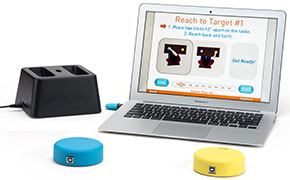
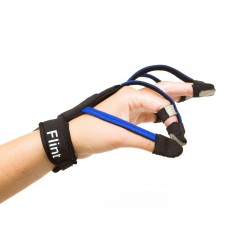
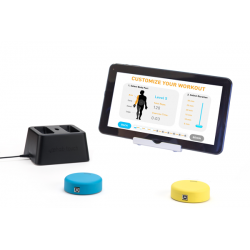
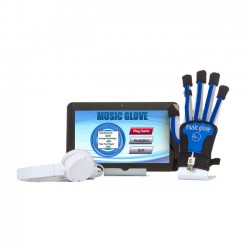
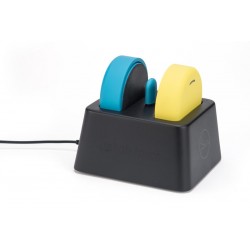
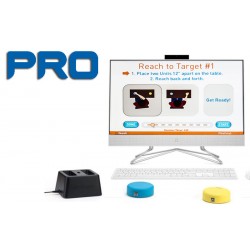
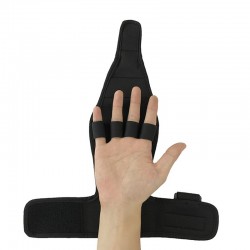
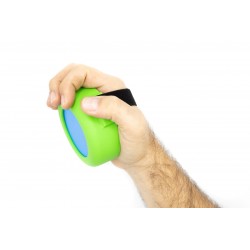
Discover how rehabilitation products like FitMi and MusicGlove deliver clinically proven, music-based exercises designed for both home and clinical use. These tools empower patients and caregivers to break through plateaus through daily, focused practice. Ready to take control of recovery and maximize quality of life Now? Visit TISALEHAB.com and explore solutions crafted to fit your rehabilitation journey and keep progress moving forward.
Frequently Asked Questions
What is rehabilitation science in the context of neurological recovery?
Rehabilitation science is a practical healthcare discipline that focuses on helping individuals regain function, independence, and quality of life after neurological injuries, such as strokes, by targeting their biological, psychological, and social factors.
How does the biopsychosocial approach enhance recovery outcomes in rehabilitation?
The biopsychosocial approach considers the interplay of biological, psychological, and social factors affecting recovery. This comprehensive perspective ensures personalized care that addresses not just physical impairments but also the emotional and social aspects of recovery.
What types of therapies are commonly included in neurological rehabilitation?
Common types of therapies in neurological rehabilitation include physical therapy for movement and strength, occupational therapy for daily life skills, and speech-language therapy for communication and swallowing issues. Cognitive rehabilitation may also be utilized to improve memory and thinking skills.
How can technology improve home-based-rehabilitation for stroke survivors?
High-tech home therapy tools offer structured, engaging therapy sessions that provide real-time feedback on performance. These technologies harness repetition and provide personalized adjustments, making rehabilitation more accessible and effective within the home environment.
Recommended
- 7 Essential Rehab Tips for Clinicians to Boost Outcomes
- Neuroplasticity: Driving Faster Stroke Recovery Outcomes
- 7 Top Rehabilitation Exercises for Neurological Recovery
- Role of Technology in Neuro Recovery Outcomes
- Trauma Therapy: Healing with Dr Stephen Oreski & Associates.
- Drug Addiction Treatment: Exploring Effective Approaches and Recovery
- Role of Therapy in Trauma Recovery: Evidence and Impact - ReviveHealthTherapy
38
Get inspired by a stroke recovery story

Home rehabilitation at full speed.
My husband suffered a severe stroke on August 19, 2020, which paralyzed him on the right side. Thanks to FitMi he has made huge progress since then. He still has no strength in his right arm, but now he can walk with a cane, his speech has improved significantly, and he is fighting and rehabilitating at full speed. We are very happy that we bought this FitMi kit for him, so he can continue his training and exercises at home. We are encouraged by this program and the positive reviews we read from others who used it. Thank God we found this kit and thank you for your support. It is a wonderful program.
Kate (08.09.2020)