Fine Motor Recovery: Restoring Hand Function After Stroke
Finding the right tools to help your loved one regain hand control after stroke often feels overwhelming. Fine motor recovery is more than relearning tiny movements—it means restoring independence in everyday tasks. Without precise hand skills, activities like dressing, eating, and writing become difficult. This guide offers actionable insight on neuroplasticity—the brain’s ability to rewire itself through repetitive practice and highlights engaging products that support effective rehabilitation for American families.
Table of Contents
- Defining Fine Motor Recovery and Its Importance
- Types of Fine Motor Impairments After Stroke
- How Fine Motor Rehabilitation Works in Practice
- Home-Based Therapy Tools and Their Effectiveness
- Common Challenges and Mistakes in Recovery
Key Takeaways
| Point | Details |
|---|---|
| Importance of Fine Motor Recovery | Regaining fine motor skills after a stroke is crucial for restoring independence and improving quality of life. It allows stroke survivors to perform daily tasks without assistance. |
| Role of Neuroplasticity | Recovery relies on neuroplasticity, where the brain rewires itself through consistent and targeted practice. Early and repeated exercises enhance recovery outcomes. |
| Tailored Rehabilitation Approaches | Customized therapy addressing individual impairments leads to better recovery. Personalizing the rehabilitation plan is essential based on the specific challenges faced by each patient. |
| Home-Based Therapy Effectiveness | Engaging in rehabilitation at home improves motivation and outcomes. Utilizing home therapy tools can facilitate meaningful practice and enhance functional abilities. |
Defining Fine Motor Recovery and Its Importance
Fine motor recovery is the process of relearning precise hand movements and dexterity that stroke often steals away. When brain cells are damaged, your loved one loses control over small, coordinated movements required for everyday tasks. This isn’t just about regaining function—it’s about restoring independence and dignity.
What fine motor skills actually are:
Fine motor abilities depend on the coordination between your hands, fingers, and brain. These skills control everything from buttoning shirts to holding utensils to writing a name. They require precision, control, and the brain’s ability to send exact signals to tiny hand muscles.
Think of it like this: your brain contains intricate pathways that send messages to your fingers. A stroke damages some of these pathways, scrambling the signals. Recovery means rebuilding those pathways through repetitive, targeted practice.
Why fine motor recovery matters for stroke survivors:
Regaining hand function directly impacts quality of life. Your family member can eat without assistance, dress themselves, and handle personal hygiene independently. These aren’t small victories—they’re the difference between dependence and autonomy.
After a stroke, many people struggle with basic daily activities because their hands don’t cooperate anymore. Loss of fine motor control ranks among the most frustrating recovery challenges patients face.
How recovery actually works:
Recovery relies on neuroplasticity—the brain’s ability to rewire itself. Through repetitive practice, surviving brain tissue learns to compensate for damaged areas. This rewiring doesn’t happen overnight, but it does happen with consistent effort.
The rehabilitation process targets:
- Repetitive hand exercises that train surviving neural tissue
- Progressive difficulty as control gradually improves
- Task-specific practice focused on real-world activities
- Consistent scheduling to maximize neuroplasticity benefits
Research shows that individualized rehabilitation approaches work best because recovery varies based on stroke severity and location. Your family member’s path is unique.
Early and consistent rehabilitation significantly improves long-term outcomes for stroke survivors. Starting recovery soon and staying committed matters more than intensity alone.
The timeline differs for everyone. Some patients see meaningful progress within weeks. Others progress more slowly but steadily over months. The key factor isn’t speed—it’s sustained, purposeful practice.
Pro tip: Start fine motor exercises early and practice them daily, even if progress feels slow. The brain responds best to consistent, repetitive practice rather than occasional intense sessions.

Types of Fine Motor Impairments After Stroke
Stroke doesn’t affect everyone the same way. The specific hand problems your family member experiences depend entirely on which brain regions were damaged. Understanding these differences helps you recognize what’s happening and why recovery takes different paths.
Weakness and paralysis on one side:
Most stroke survivors experience hemiparesis, or weakness on one side of the body. The affected arm and hand feel heavy, sluggish, or completely unresponsive. Fingers might not move at all, or they move only partially and with tremendous effort.
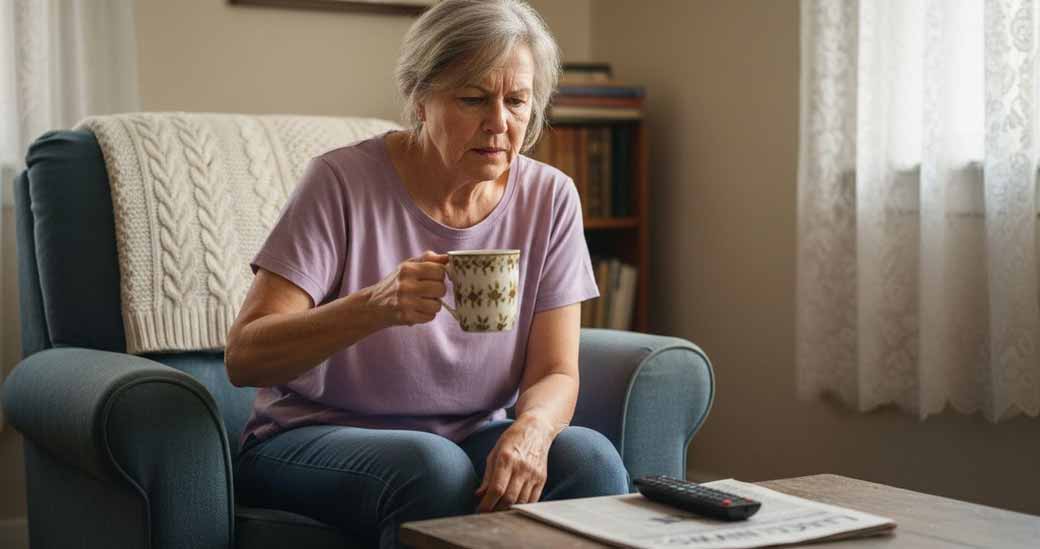
This weakness isn’t laziness or unwillingness. It’s the direct result of severed communication between the brain and hand muscles. The pathways that carry movement signals are damaged.
Loss of coordination and control:
Even when strength returns, many patients struggle with coordination. Your loved one might reach for a coffee cup but overshoot it, or their hand might shake uncontrollably when trying to pick up something small.
This dyscoordination happens because the brain can’t fine-tune muscle movements precisely. Movements become jerky, uncontrolled, or unpredictable.
Sensory problems that affect function:
Stroke often damages sensory pathways, not just movement pathways. Sensory deficits including impaired touch, proprioception, and pain perception make it difficult to know where the hand is in space or how much pressure to apply.
Without proper sensory feedback, even simple tasks become dangerous. Your family member might grip something too hard and break it, or not realize their hand is being injured.
Fatigue that limits practice:
Stroke survivors frequently report overwhelming fatigue in the affected limb. The hand tires quickly during rehabilitation, limiting how much practice is possible each day.
This fatigue is real and frustrating. It’s not weakness—it’s neurological exhaustion that requires strategic rest periods.
Common impairment combinations include:
- Weakness combined with loss of sensation
- Paralysis paired with involuntary muscle tightness
- Coordination problems alongside fatigue
- Pain or numbness affecting motivation to use the hand
Different impairments require different treatment approaches, which is why personalized rehabilitation strategies work better than one-size-fits-all programs.
The brain regions damaged during your family member’s stroke determine which impairments appear. A stroke in the motor cortex causes different problems than a stroke in the sensory area or cerebellum.
Recovery from these impairments happens at different rates. Some improve quickly, others slowly, and some may persist longer. This variation makes early assessment critical for setting realistic expectations.
Here’s a quick comparison of common fine motor impairments after stroke and how they affect daily life:
| Impairment Type | Daily Impact | Typical Therapy Focus |
|---|---|---|
| Weakness or Paralysis | Difficulty gripping or lifting objects | Strengthening and activation |
| Poor Coordination | Clumsy or jerky movements | Precision and control training |
| Sensory Loss | Unsafe grip, lack of awareness | Sensory retraining exercises |
| Fatigue | Limited endurance for tasks | Gradual practice and pacing |
| Combined Impairments | Multiple challenges with hand use | Blended rehabilitation efforts |
Pro tip: Ask your rehabilitation therapist to specifically identify which impairments your family member has—weakness, coordination loss, sensory deficits, or fatigue—so you can focus practice on the right challenges.
How Fine Motor Rehabilitation Works in Practice
Rehabilitation isn’t random. It follows specific principles designed to rewire the brain and restore hand function through targeted, consistent practice. Understanding how it works helps you support your family member’s recovery effectively.
When rehabilitation starts matters:
Therapy often begins within 48 hours post-stroke whenever medically safe. Early intervention capitalizes on the brain’s initial reorganization window and prevents complications from prolonged immobility.
Don’t wait for “perfect timing.” The sooner practice begins, the better the long-term outcomes. Early action creates momentum for recovery.
Repetition is the foundation:
Fine motor rehabilitation relies on repetitive, task-specific practice that trains the brain to relearn lost movements. Your loved one practices the same hand motions repeatedly until neural pathways strengthen and rebuild.
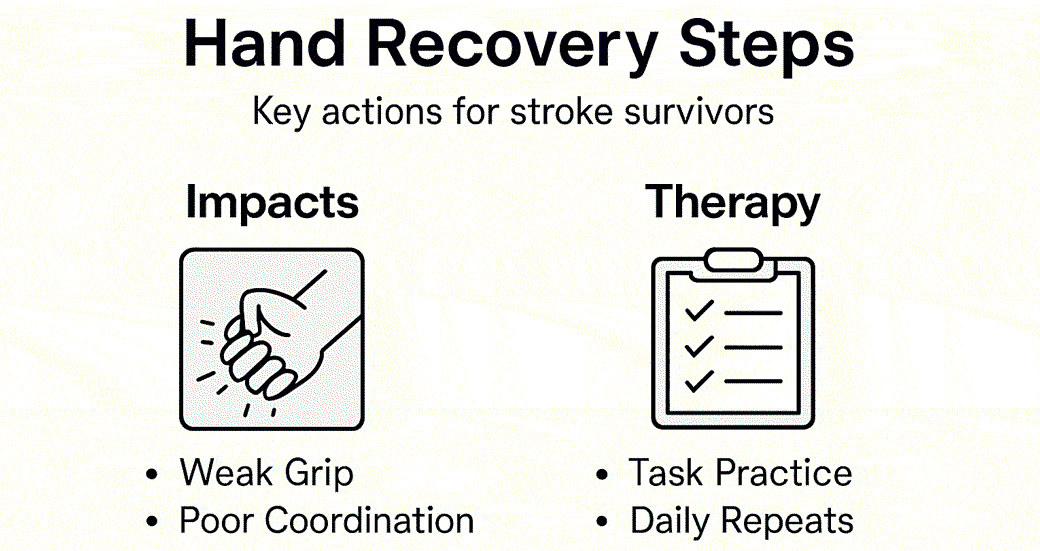
This isn’t boring—it’s essential. Every repetition sends signals to surviving brain cells, forcing them to compensate for damaged areas.
Task-specific exercises work better than generic movements:
Instead of vague hand exercises, rehabilitation focuses on real activities. If your family member wants to button shirts again, therapy includes actual button-fastening practice, not just finger flexing.
Practicing meaningful tasks motivates patients and creates faster progress than abstract exercises.
Multidisciplinary teams provide comprehensive care:
Occupational therapists lead fine motor rehabilitation, working alongside nurses, physical therapists, and doctors. Each specialist addresses different aspects of recovery. This team approach ensures nothing gets overlooked.
Your family member benefits from coordinated care across multiple disciplines, not isolated single-focus therapy.
How a typical session flows:
- Assessment: Therapist evaluates current hand strength, coordination, and sensation
- Warm-up: Gentle movements prepare muscles and increase blood flow
- Targeted exercises: Focused practice on specific problem areas
- Functional training: Real-world activity practice like eating or writing
- Compensation strategies: Learning alternative methods when full recovery isn’t possible
- Home exercise prescription: Exercises to practice daily between sessions
Compensatory strategies and assistive devices help overcome remaining disabilities. If fine motor recovery reaches a plateau, adaptive techniques maintain independence.
Repetition drives neuroplasticity. More practice hours equal greater potential for brain rewiring and functional improvement.
Realistic timelines depend on stroke severity. Some patients regain significant hand function in weeks. Others require months of consistent work. Progress isn’t always linear—your family member might improve quickly initially, then plateau, then progress again.
Consistency matters more than intensity. Daily practice of moderate difficulty beats occasional intense sessions.
Pro tip: Schedule therapy sessions at times when your family member is most alert and rested, not when fatigue is peak. Morning sessions typically yield better results than afternoon sessions.
Home-Based Therapy Tools and Their Effectiveness
Home rehabilitation transforms recovery from isolated clinic visits into integrated daily living. When therapy happens in familiar environments with family support, outcomes improve and motivation increases. The right tools make home practice both effective and engaging.
Why home-based therapy works better:
Home-based fine motor rehabilitation leverages functional task practice in familiar environments, reducing stress while facilitating greater family involvement. Your loved one practices meaningful activities in the spaces where they’ll actually use recovered skills.
Stress reduction alone improves neuroplasticity. Practicing at home feels less intimidating than clinical settings.
Outcomes rival or exceed clinical programs:
Structured, professionally delivered home therapy achieves comparable or superior results to outpatient rehabilitation programs. Your family member gets personalized instruction without the time, cost, and travel burden of multiple weekly clinic visits.
Many patients show faster progress with home-based programs because they practice more frequently and consistently.
Virtual reality transforms therapy engagement:
Virtual reality has been found to enhance arm movement recovery after stroke by providing engaging, repetitive motor training. VR increases therapy time without constant clinician supervision and offers safe, task-specific practice opportunities.
Patients practicing with VR systems typically stay motivated longer and complete more repetitions than traditional exercises.
Common home therapy tools include:
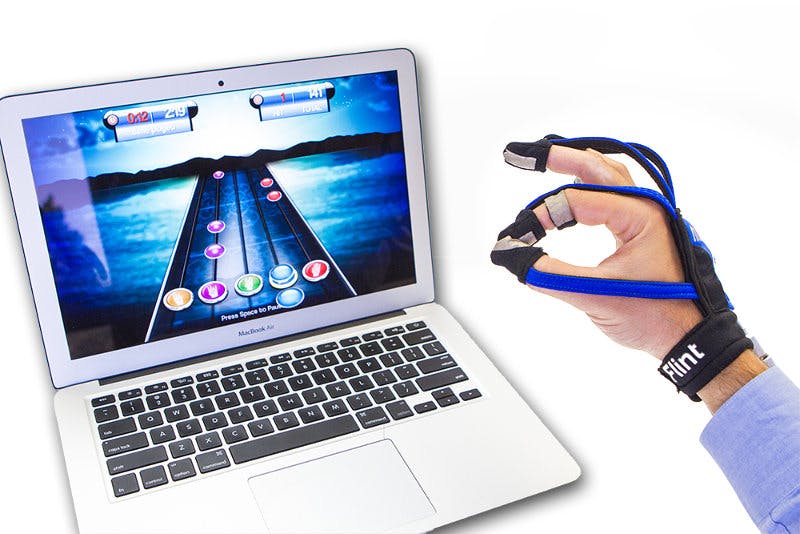
- Music-based systems that pair hand movements with song rhythms
- Interactive games that provide real-time feedback on movement accuracy
- Resistance bands and weights for progressive strength building
- Adaptive utensils and grips that enable practice of real-world tasks
- Mirror therapy devices that create visual feedback for affected limbs
- Constraint-induced therapy kits that promote affected hand use
These tools range from simple and affordable to advanced technology-based systems. Your rehabilitation team helps select tools matching your family member’s specific needs and goals.
Daily functional practice matters most:
The most effective home tools embed therapy into real-life activities. Practicing button-fastening on actual clothing, gripping real eating utensils, and writing genuine messages creates faster progress than abstract exercises.
Meaningful practice promotes psychological well-being alongside physical recovery.
Below is an overview of effective home-based therapy tools and their benefits:
| Tool Type | Main Benefit | Example Activity |
|---|---|---|
| Music-based Systems | Encourages timing and rhythm | Moving fingers to a beat |
| VR and Interactive Games | Boosts motivation, offers real-time feedback | Virtual grasping objects |
| Adaptive Utensils | Enables independent daily tasks | Eating or writing practice |
| Mirror Therapy Devices | Enhances brain reorganization | Simulated hand movements |
Home-based therapy improves daily functional ability while boosting mental well-being by embedding exercises into real-life contexts your family member actually cares about.
Consistency beats fancy equipment. A motivated patient using simple tools daily outperforms an unmotivated patient with expensive technology.
Pro tip: Choose home therapy tools that align with activities your family member actually wants to do again—not exercises therapists recommend. Intrinsic motivation drives better compliance and faster recovery.


Common Challenges and Mistakes in Recovery
Recovery rarely follows a straight path. Knowing common pitfalls helps you avoid them and keep your family member on track. These mistakes cost time and progress, but they’re preventable with awareness.
Starting rehabilitation too late:
Delay in beginning therapy significantly reduces long-term outcomes. The brain’s greatest reorganization window opens in the first weeks after stroke. Waiting months to begin rehabilitation misses this critical opportunity.
Early action creates momentum. Don’t assume your family member needs to be “stable enough” first—most therapy can start safely within days of stroke.
Insufficient therapy intensity and frequency:
Common mistakes include incomplete or delayed rehabilitation and insufficient intensity or frequency of therapy. Your family member might receive one therapy session weekly when research shows daily practice drives better outcomes.
More practice hours equal greater potential for brain rewiring. If your current therapy schedule feels insufficient, ask for increased frequency.
Ignoring sensory problems:
Many caregivers focus exclusively on strength and movement while overlooking sensory deficits. Without touch sensation and proprioception awareness, your loved one can’t fully control their hand safely.
Therapy must address sensation alongside movement for complete recovery.
Overusing the unaffected limb:
When the affected hand is weak, your family member naturally relies on the strong side. This compensatory overuse actually hinders recovery because the brain learns to prefer the healthy limb.
Therapy should prevent excessive compensation by strategically restricting the unaffected hand during practice.
Neglecting emotional and cognitive issues:
Depression, anxiety, and cognitive problems after stroke interfere with recovery motivation and learning. Addressing emotional and cognitive issues is essential for holistic recovery, not optional add-ons.
Your family member needs support for their entire self, not just their hand.
Common recovery mistakes to avoid:
- Giving up too soon when progress feels slow or plateaus occur
- Skipping home exercises between therapy sessions
- Using pain as an excuse to stop practicing (unless severe)
- Comparing recovery timelines to other stroke survivors
- Assuming recovery stops after the first 3-6 months (recovery continues for years)
- Forgetting about fatigue management and burning out quickly
Successful recovery requires tailored multidisciplinary approaches, continuous monitoring, and adaptation of rehabilitation to your family member’s changing needs.
Access to care varies significantly. Some communities have excellent rehabilitation programs while others have limited options. Work with your healthcare team to maximize available resources.
Patient motivation fluctuates. Some days your family member will be enthusiastic; other days they’ll resist. Sustaining engagement across months requires understanding and patience.
Pro tip: Track progress weekly in a simple notebook—noting improved grip strength, recovered activities, or reduced pain—so your family member can see concrete progress when motivation wanes.
Accelerate Fine Motor Recovery with Proven, Engaging Tools
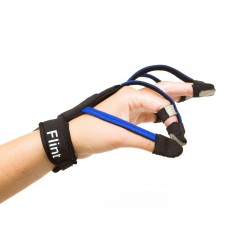
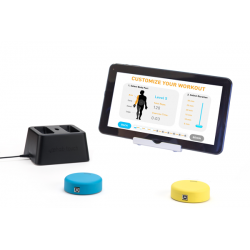
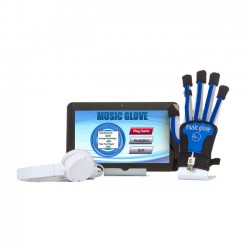
Fine motor impairments after stroke create real challenges like weakness, poor coordination, and sensory loss that directly reduce independence and quality of life. Repetitive, task-specific practice is key to rewiring the brain but maintaining motivation and consistency at home can be difficult. That is why Tisalehab offers innovative products such as the FitMi and MusicGlove designed specifically to boost fine motor recovery through interactive, music-based exercises that make rehabilitation engaging and effective.

Experience how technology meets therapy by integrating these tools into your loved one’s home routine. With expert-designed exercise kits that emphasize meaningful, functional movements, you can support sustained progress and overcome common barriers like fatigue and loss of sensory feedback. Start today to maximize neuroplasticity during the critical early stages of recovery and empower independence in everyday tasks. Visit Tisale Rehab now to explore cutting-edge solutions that complement professional care and transform stroke recovery journeys.
Frequently Asked Questions
What are fine motor skills, and why are they important after a stroke?
Fine motor skills involve the coordination of small muscles in the hands and fingers, which are essential for completing daily tasks like buttoning shirts and writing. Regaining these skills after a stroke is crucial for restoring independence and improving quality of life.
How does fine motor recovery work after a stroke?
Fine motor recovery relies on neuroplasticity, the brain’s ability to reorganize itself. Through repetitive exercises and task-specific practice, surviving brain tissue compensates for damaged areas, gradually restoring hand function.
What types of fine motor impairments can occur after a stroke?
Common impairments include weakness or paralysis on one side of the body, loss of coordination and control, sensory problems affecting grip, and fatigue that limits practice. Each type requires a different rehabilitation approach for effective recovery.
Why is early rehabilitation important for fine motor recovery?
Early rehabilitation significantly improves long-term outcomes by capitalizing on the initial reorganization window of the brain. Starting therapy within days of a stroke enhances the potential for recovery and prevents complications from immobility.
Recommended
38
Get inspired by a stroke survival story


It's a very good "gaming" therapy.
I had a stroke 9 years ago and have tried many different therapies. I really like the gaming aspect offered by MusicGlove. I have only been using this kit for a month and I can already see some progress. It helps me a lot to stay motivated. It's really amazing...
In summary, I really like MusicGlove. MusicGlove.
Tomasz S. (04.03.2020)