Functional Mobility – Why It Matters for Stroke Caregivers
Supporting a loved one after stroke often means guiding them through challenges that go beyond muscle strength or basic motion. For caregivers striving to restore independence at home, understanding the difference between physical ability and real-world movement is crucial. This article breaks down the core concepts behind functional mobility, showing you how personalized, everyday practice can help stroke survivors reclaim meaningful activity and confidence in daily life.
Table of Contents
- Functional Mobility: Definition And Core Concepts
- Types Of Functional Mobility After Stroke
- Key Factors Impacting Mobility Recovery
- Assessment Tools And Rehabilitation Strategies
- Role Of Technology And Caregiver Support
Key Takeaways
| Point | Details |
|---|---|
| Functional Mobility Focus | Prioritize real-world movements over isolated exercises for effective recovery. |
| Personalized Rehabilitation | Tailor recovery strategies to individual mobility impairments for optimal outcomes. |
| Assessment Importance | Track progress with standardized assessment tools to guide therapy adjustments. |
| Technology Support | Utilize digital tools to enhance caregiving while maintaining personal connection. |
Functional mobility: Definition and core concepts
Functional mobility is your ability to move your body in ways that let you live independently. It’s not just about physical strength or how far you can walk—it’s about moving in real-world situations so you can do what matters to you.
At its core, functional mobility has two components:
- Physical capacity: Your body’s maximum possible movement ability based on muscle strength, flexibility, and neurological function
- Performance: What you actually do in daily life—the movements you make when getting out of bed, walking to the kitchen, or reaching for something
After a stroke, these two aspects often diverge. A survivor might have good strength remaining but lack the motor control to translate that strength into meaningful movement. That’s why functional mobility focuses on real-world activity, not just isolated exercises.
Functional mobility includes four main movement categories:
- Bed mobility: Rolling, sitting up, adjusting your position while lying down
- Transfers: Moving from bed to chair, chair to standing, toilet to standing
- Locomotion: Walking, climbing stairs, or navigating different surfaces
- Environmental navigation: Moving through your home, reaching objects, managing obstacles
Here’s what makes functional mobility different from basic strength or flexibility. A stroke survivor might regain arm strength in physical therapy, but without functional mobility training, they might still struggle to dress themselves or reach a cup from the cabinet.
That’s because mobility integrates physical capacity with cognitive and environmental factors to enable participation in daily activities. Your brain needs to coordinate movement patterns. Your environment matters—stairs are harder than flat surfaces. Your motivation matters—you’re more likely to repeat movements that get you closer to independence.
For stroke caregivers, understanding this distinction changes everything. You’re not just helping someone regain strength. You’re helping them regain the ability to live independently, to participate in activities they care about, and to reduce their dependence on constant assistance.
Here’s a helpful summary of how core components of functional mobility influence daily independence:
| Component | Real-World Impact | Example in Daily Life |
|---|---|---|
| Physical capacity | Determines maximum movement ability | Standing up from the bed |
| Performance | Reflects execution of activities | Walking to the kitchen |
| Motor control | Enables coordinated actions | Reaching for an object |
| Cognitive integration | Supports safe, purposeful movement | Planning a bathroom transfer |
Functional mobility is the bridge between recovery and real life—it’s movement that serves a purpose.
The goal isn’t perfect movement mechanics. The goal is practical independence.
Pro tip: Focus on practicing movements your loved one actually needs to perform daily, like transferring from bed to chair or walking to the bathroom, rather than isolated exercises that don’t translate to real-world activity.
Types of functional mobility after stroke
Stroke affects different types of mobility in different ways. Understanding which mobility types your loved one struggles with helps you know where to focus your caregiving efforts and rehabilitation practice.
The main types of functional mobility impairments after stroke include:
- Gait and walking ability: Difficulty with safe, efficient walking; reduced speed or endurance
- Balance and coordination: Trouble maintaining stability during movement or transitions
- Transfers: Challenges moving from bed to chair, sitting to standing, or managing toileting
- Fine motor control: Reduced ability to perform precise hand and arm movements for daily tasks
- Endurance: Limited stamina for sustained activity or walking longer distances
Walking is often the most noticeable mobility challenge. Safe, effective walking ability requires both the physical capacity to move your legs and the actual performance—your real-world ability to walk at useful speeds for community participation. After stroke, survivors might regain some leg strength but still shuffle slowly or tire easily on short distances.
Balance problems compound the issue. Your brain needs to coordinate dozens of muscles to stay upright while moving. A stroke disrupts these signals, making even simple walking feel unstable. This fear of falling then limits how much someone practices walking, creating a downward spiral.
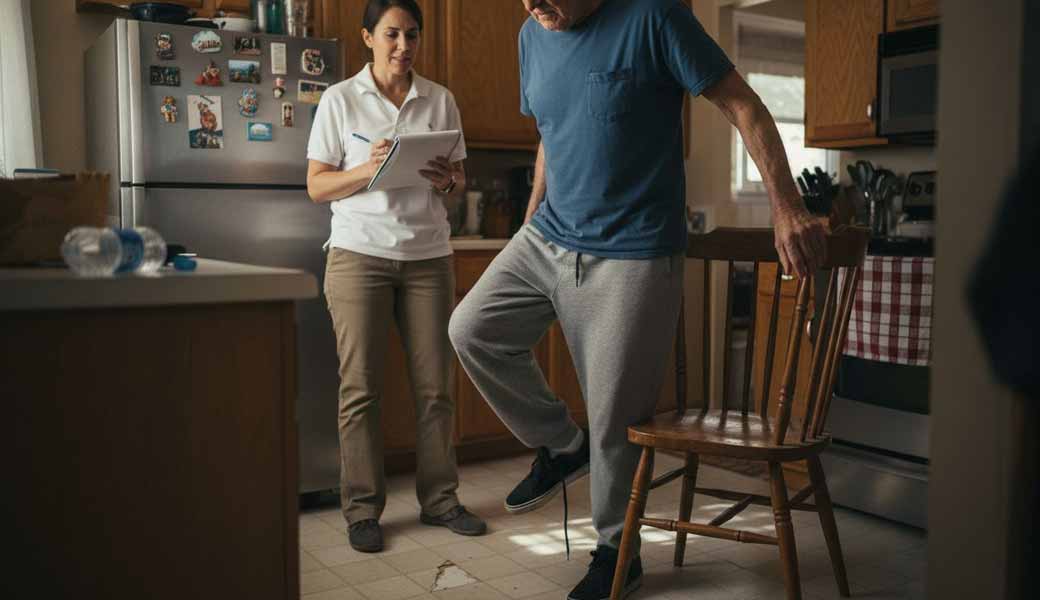
Transfers—moving from sitting to standing, for example—require a combination of leg strength, balance, timing, and cognitive planning. Many stroke survivors regain strength but lose the motor coordination to pull these pieces together smoothly.
Physical rehabilitation approaches address multiple functional mobility impairments, including motor control, balance, gait patterns, and independence in daily activities. The key is targeting the specific mobility types your loved one struggles with most.
Different stroke survivors have different mobility challenges—recovery requires tailoring practice to their specific impairments.
Some survivors struggle mainly with endurance; others with coordination. Your rehabilitation strategy should match their particular limitations.
Practical mobility types you’ll see in daily caregiving:
- Bed mobility: Rolling, scooting, adjusting position independently
- Sit-to-stand transfers: Rising from chair or bed safely without excessive caregiver assistance
- Walking distances: From hallway to bathroom, bedroom to kitchen
- Stairs: Climbing or descending safely if your home has them
- Reaching and grasping: Picking up objects, dressing, eating independently
Pro tip: Track which mobility types improve fastest over your first few weeks of practice—this tells you what exercises are working best for your specific loved one and where to invest more practice time.

Key factors impacting mobility recovery
Not all stroke survivors recover mobility at the same pace. Some regain walking ability within weeks. Others plateau for months. The difference often comes down to specific factors that either accelerate or slow recovery.
Understanding these factors helps you set realistic goals and focus your caregiving energy where it matters most.
The most influential factors affecting mobility recovery include:
- Time since stroke: Maximal improvement typically occurs in the first three to six months post-stroke, though recovery can continue beyond this window
- Age: Younger survivors often recover faster, though age alone doesn’t determine outcomes
- Pre-stroke fitness level: Someone who was active before stroke typically recovers better
- Rehabilitation intensity: More consistent, focused practice produces better results than sporadic therapy
- Depression and mood: Mental health directly impacts motivation and participation in rehabilitation
- Social support: Having family involvement and encouragement accelerates recovery
- Cognitive function: Memory, attention, and learning ability influence how quickly someone masters new movement patterns
Rehabilitation effectiveness depends on multiple interconnected factors, not just physical capacity. A survivor with excellent leg strength but severe depression might progress slowly. Someone with moderate strength but strong family support might advance quickly.
Lesion location matters significantly. A stroke affecting the motor cortex directly impacts movement differently than one affecting supporting brain regions. Your loved one’s specific stroke location shapes which mobility challenges emerge.
Spasticity—involuntary muscle tightness—complicates recovery. It limits movement range and creates pain, discouraging practice. Managing spasticity through stretching, positioning, and sometimes medication opens doors for better mobility training.
Recovery trajectories vary with age, baseline functional status, and activity levels, meaning personalized approaches work better than one-size-fits-all programs. Your loved one’s unique combination of factors requires tailored strategies.
The first weeks and months after stroke are critical—this is when the brain is most responsive to repetitive practice and recovery potential peaks.
Early mobilization and consistent practice during this window yield the best outcomes. However, recovery doesn’t stop after six months; it just progresses more gradually.
Controlable factors you can influence as a caregiver:
- Practice frequency and intensity: Daily practice beats sporadic sessions
- Emotional support: Your encouragement directly affects motivation and effort
- Environmental setup: Making your home safer enables more independent mobility practice
- Consistency with therapy: Following through on rehabilitation recommendations compounds results
- Tracking progress: Monitoring improvements reinforces motivation for continued effort
Pro tip: Focus on the factors you can control—practice consistency, emotional support, and environmental safety—rather than dwelling on factors you cannot change like age or lesion location.
Assessment tools and rehabilitation strategies
You can’t improve what you don’t measure. Tracking your loved one’s mobility changes requires specific, standardized assessment tools that quantify progress objectively.
Clinicians and caregivers use several proven assessment tools to evaluate and track functional mobility:
- Fugl-Meyer Assessment: Measures motor function and coordination; helps identify specific movement deficits
- Berg Balance Scale: Evaluates standing balance and fall risk through 14 different balance tasks
- 10-Meter Walk Test: Times how quickly someone walks 10 meters; indicates gait speed improvement
- 6-Minute Walk Test: Measures distance covered in six minutes; reflects walking endurance and stamina
- Functional Ambulation Category: Rates walking independence from dependent (requires full assistance) to independent (walks without help)
Standardized assessment tools guide treatment planning and track progress effectively, giving you concrete data on whether your rehabilitation approach is working.
A quick comparison of commonly used mobility assessment tools, their purpose, and what they best measure:
| Assessment Tool | What It Evaluates | Ideal Use Case |
|---|---|---|
| Fugl-Meyer Assessment | Motor function, coordination | Identifying movement deficits |
| Berg Balance Scale | Standing balance, fall risk | Tracking safety during mobility |
| 10-Meter Walk Test | Gait speed, walking ability | Monitoring walking improvement |
| 6-Minute Walk Test | Endurance, stamina | Measuring progress over time |
| Functional Ambulation Category | Walking independence | Determining assistance levels |
Simple home assessments work too. Time how long it takes to walk from the bedroom to the kitchen. Count steps needed to climb stairs safely. Track how many times your loved one can stand up from a chair without assistance. These everyday measures reveal real-world progress.
Rehabilitation strategies should match your loved one’s specific deficits. Someone with weak legs needs different exercises than someone with balance problems. That’s why assessment comes first.
Core rehabilitation strategies include:
- Early mobilization: Getting your loved one moving as soon as medically safe
- Task-specific training: Practicing movements your loved one actually needs—like transfers or walking distances in the home
- Strength and balance exercises: Building the physical foundation for functional movement
- Assistive device training: Learning to safely use walkers, canes, or grab bars
Technology-assisted therapy and personalized approaches optimize recovery by addressing individual deficits and promoting neuroplasticity—the brain’s ability to rewire itself after stroke.
Here’s the key: Use assessment data to personalize your approach. If balance testing shows significant deficits, prioritize balance exercises. If the 6-Minute Walk Test reveals poor endurance, focus on sustained walking practice.
Regular assessment reveals which strategies work for your loved one—allowing you to adjust your approach based on actual progress, not assumptions.
Many caregivers practice the same exercises for weeks without measuring results. Objective assessment prevents wasted effort and keeps motivation high.
Pro tip: Create a simple progress tracker with dates and measurements from one assessment tool—like walking time or distance—and retest monthly to see concrete evidence of improvement and adjust your rehabilitation focus accordingly.
Role of technology and caregiver support
Stroke caregiving is demanding. You’re managing rehabilitation exercises, tracking progress, coordinating with therapists, and providing emotional support—often while working or managing other responsibilities. Technology can lighten this load significantly.
Digital tools now support stroke caregiving in multiple ways:
- Wearable devices and sensors: Monitor movement quality, walking patterns, and daily activity levels continuously
- Smartphone apps: Provide exercise guides, medication reminders, and therapy tracking
- Remote consultations: Connect your loved one with therapists without leaving home
- Video-based feedback: Show proper exercise form and correct technique in real time
- Health monitoring systems: Track vital signs and alert you to concerning changes
Digital health technologies enhance home-based rehabilitation through continuous monitoring and remote therapy guidance, improving recovery outcomes while allowing your loved one to practice independently.
These tools reduce caregiver isolation. You’re not managing stroke recovery alone anymore. Remote access to therapists means getting professional guidance without appointment delays or travel time.
Technology also handles the administrative burden. Apps remind your loved one when to practice exercises. They track which movements improved and which need more focus. This data helps you discuss progress with therapists more effectively.
Technology-based support systems help caregivers manage complex responsibilities and reduce burden through education, therapy guidance, and health monitoring accessed via digital platforms.
Yet technology alone isn’t enough. Your emotional presence, encouragement, and consistent practice matter more than any app. Technology enhances your caregiving—it doesn’t replace it.
Practical technology use:
- Start simple: Choose one app or tool; master it before adding others
- Combine with professional guidance: Use technology to support, not replace, therapy
- Ensure accessibility: Pick tools your loved one can actually use without frustration
- Track one metric consistently: Pick walking speed, distance, or exercise repetitions and measure monthly
Technology works best when it supports your caregiving strategy, not when it becomes another task you’re managing.
Choose tools that fit your routine, not tools that require you to change everything.
The most important technology is the human connection between you and your loved one. Your encouragement drives more recovery than any device ever could.
Pro tip: Select one tracking tool aligned with your loved one’s biggest mobility challenge—if walking speed is the issue, use a simple walk timer app; if balance is weak, document standing time—and measure weekly to maintain motivation through visible progress.

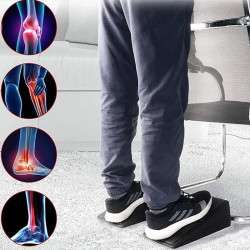
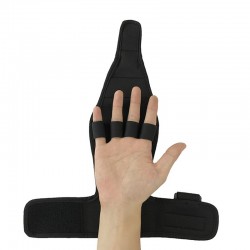
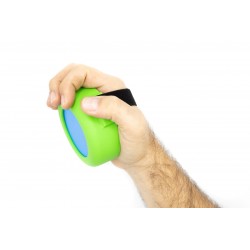

Enhance Functional Mobility Recovery with Innovative Rehabilitation Tools
Understanding the vital role of functional mobility in stroke recovery means recognizing the challenge of translating physical capacity into real-world performance. Caregivers often face the emotional strain of helping loved ones regain independence amid balance issues, muscle coordination difficulties, and limited endurance. At Tisale Rehab, we specialize in empowering stroke survivors and caregivers alike with effective, engaging therapy solutions designed to focus on task-specific training and motor control improvements highlighted in the article.

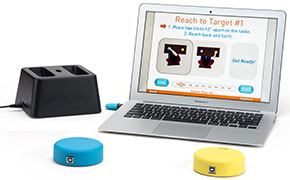
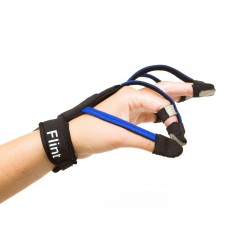
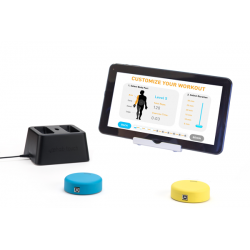
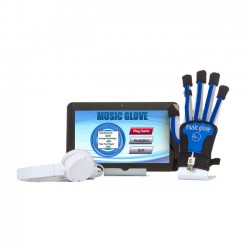
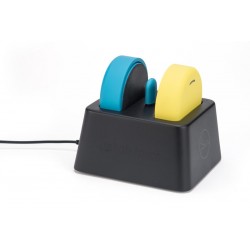
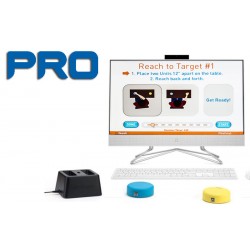
Explore our range of high-tech rehabilitation products such as FitMi and MusicGlove that transform traditional therapy into motivating exercises grounded in music and movement. These tools help bridge the gap between impaired physical capacity and daily functional performance by encouraging consistent practice and measurable progress. Take charge of your loved one’s recovery journey today by visiting Tisale Rehab to find user-friendly therapy kits that accelerate real-world mobility improvements and foster independence.
Ready to support meaningful recovery? Discover personalized rehabilitation solutions now at Tisale Rehab and turn challenges into achievements with proven, innovative technology.
Frequently Asked Questions
What is functional mobility?
Functional mobility refers to your ability to move your body in ways that enable you to live independently and perform daily activities. It involves not just physical strength but also coordination, cognitive function, and environmental factors.
How does a stroke affect functional mobility?
A stroke can impair both physical capacity and performance in daily movements. Survivors may regain strength but struggle with motor control, making it difficult to execute meaningful movements like walking or transferring from a bed to a chair.
What are the key components of functional mobility after a stroke?
The main components include physical capacity (maximum movement ability), performance (actual execution of movements), motor control (coordinating actions), and cognitive integration (planning and executing purposeful movements).
Why is assessing mobility recovery important for stroke caregivers?
Assessing mobility recovery helps caregivers track progress, identify areas needing more focus, and tailor rehabilitation strategies to meet the specific mobility challenges their loved one faces.
Recommended
- Role of Home Rehabilitation – Transforming Stroke Recovery
- Why Home Rehabilitation Matters for Stroke Patients
- 7 Signs of Recovery After a Stroke: How to Know You’re on the Right Track
- Motor Rehab: Improving Movement After Stroke | TisaleRehab.com
- Using Occupational Therapy in Mental health for Recovery
- Role of Caregivers in Hearing Aid Choice – Impact on Elderly Wellbeing – Audora
38
Get inspired by a stroke recovery story

Home rehabilitation at full speed.
My husband suffered a severe stroke on August 19, 2020, which paralyzed him on the right side. Thanks to FitMi he has made huge progress since then. He still has no strength in his right arm, but now he can walk with a cane, his speech has improved significantly, and he is fighting and rehabilitating at full speed. We are very happy that we bought this FitMi kit for him, so he can continue his training and exercises at home. We are encouraged by this program and the positive reviews we read from others who used it. Thank God we found this kit and thank you for your support. It is a wonderful program.
Kate (08.09.2020)