Tele-rehabilitation for stroke recovery in ,2026
Many patients and caregivers assume tele-rehabilitation cannot match the effectiveness of in-person therapy for stroke and neurological recovery. Recent evidence challenges this misconception, showing that home-based task-oriented training delivers similar improvements in upper limb motor function. This article explains how tele-rehabilitation works, its proven benefits, practical challenges, and how you can apply it to enhance recovery outcomes at home.
Table of Contents
- How Tele-Rehabilitation Works For Stroke And Neurological Recovery
- Evidence On Effectiveness: Tele-Rehabilitation Vs Face-To-Face Therapy
- Benefits And Challenges Of Tele-Rehabilitation For Patients And Caregivers
- Addressing Challenges And Maximizing Tele-Rehabilitation Success
- Explore Tele-Rehabilitation Tools And Kits For Effective Home Stroke Recovery
- Frequently Asked Questions
Key takeaways
| Point | Details |
|---|---|
| Remote delivery | Tele-rehabilitation uses video, apps, VR, and robotics to provide therapy at home without clinic visits. |
| Proven effectiveness | Task-oriented training via tele-rehab produces upper limb improvements comparable to face-to-face therapy. |
| Technology advantage | VR and smart devices boost motor recovery, engagement, and patient adherence rates above 85%. |
| Caregiver support | Caregivers enhance safety, reduce their own burden, and improve therapy outcomes through active involvement. |
| Access challenges | Digital gaps in rural and low-income areas limit tele-rehab reach, with less than 30% access in some regions. |
How tele-rehabilitation works for stroke and neurological recovery
Tele-rehabilitation (TR) delivers rehabilitation services remotely using telecommunication devices. Video conferencing, mobile apps, VR, robotics, and sensors enable home-based task-oriented training (TOT) for upper limb motor recovery post-stroke. This approach allows patients to receive therapy without traveling to clinics, making rehabilitation more accessible and convenient.
TR operates through two main delivery methods. Synchronous sessions use real-time video conferencing, allowing therapists to guide exercises and provide immediate feedback. Asynchronous delivery uses store-and-forward technology, where patients complete exercises on their own schedule and therapists review recorded sessions later. Gamification boosts adherence by making exercises engaging and rewarding.
The technology behind TR includes several components:
- Video platforms for live therapist interaction and visual demonstration
- Mobile apps that track progress and deliver exercise programs
- Virtual reality systems that create immersive rehabilitation environments
- Robotic devices that assist with movement and provide resistance
- Wearable sensors that monitor motion quality and provide data
Task-oriented training focuses on practicing functional movements relevant to daily activities. Instead of isolated muscle exercises, you perform meaningful tasks like reaching for objects, grasping utensils, or manipulating buttons. This approach strengthens neural pathways and improves real-world function. Remote monitoring allows therapists to track your performance, adjust difficulty levels, and personalize therapy based on your progress.
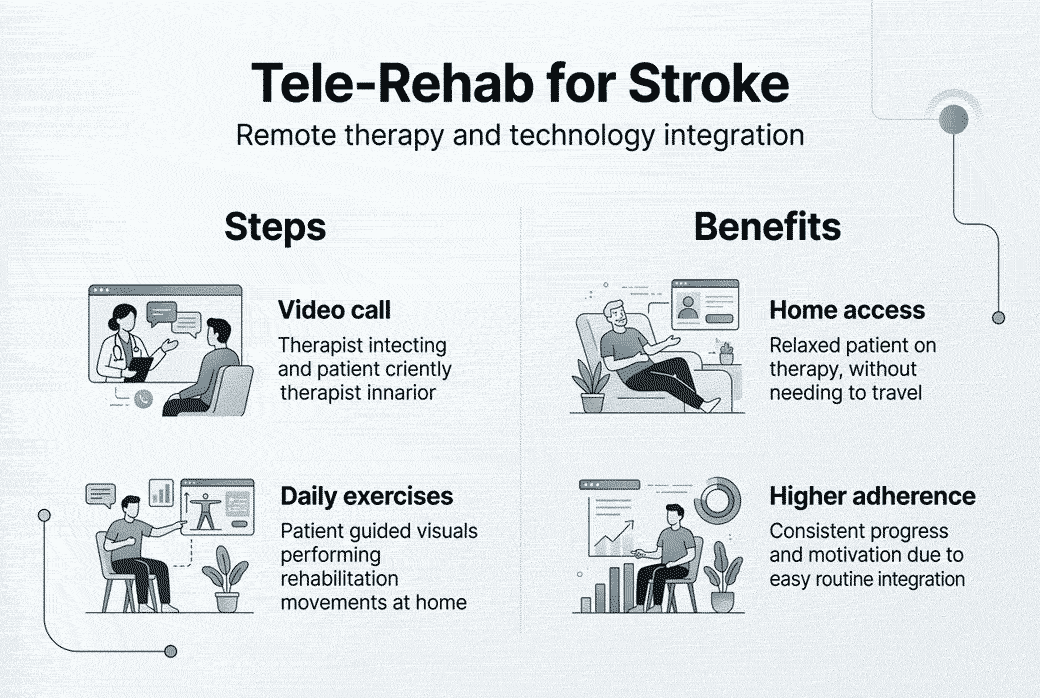
Interactive approaches increase motivation and consistency. Games, music-based exercises, and visual feedback make repetitive practice less tedious. You can see your scores improve, which reinforces effort and builds confidence. The technology in neuro recovery continues advancing, offering more sophisticated tools for home rehabilitation.
Pro Tip: Choose tele-rehabilitation platforms that offer both synchronous and asynchronous options so you can balance guided sessions with flexible practice time that fits your daily routine.
Evidence on effectiveness: tele-rehabilitation vs face-to-face therapy
Clinical trials demonstrate that task-oriented training via TR is non-inferior to face-to-face therapy. Researchers measured outcomes using the Fugl-Meyer Assessment for upper extremity (FMA-UE), a standardized test of motor function. The difference between tele-rehabilitation and in-person therapy fell within the non-inferiority margin, with a 95% confidence interval of -0.81 to 7.39 points, well within the acceptable threshold of 12.4 points.
Patients in tele-rehabilitation programs showed improvements across multiple measures. Upper limb function increased comparably to traditional therapy. Activities of daily living (ADLs) like dressing, eating, and grooming improved at similar rates. Quality of life scores also rose, indicating that patients felt better about their recovery and independence.
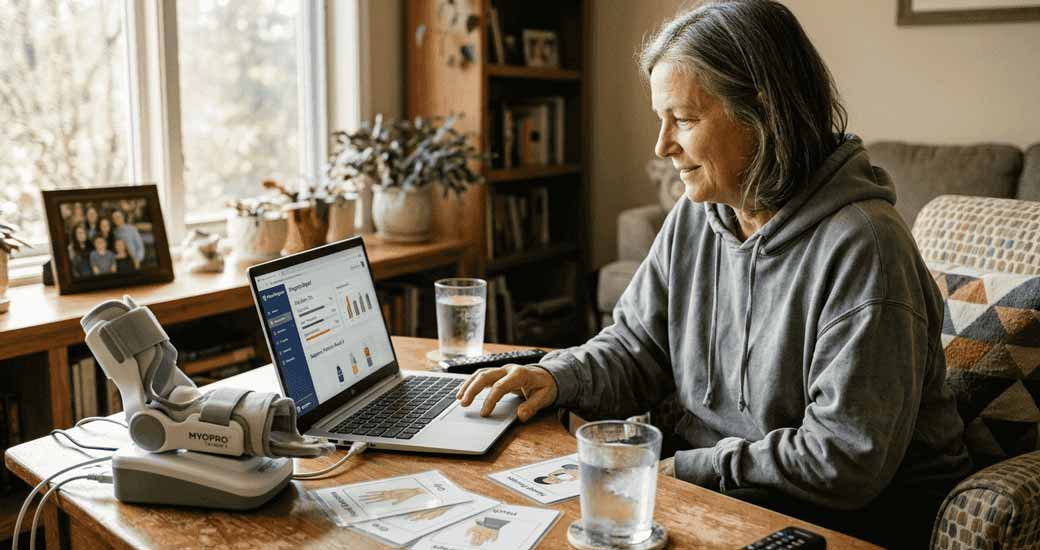
Adherence rates in tele-rehabilitation studies reached 85 to 100%, especially when programs used engaging technologies. High adherence means patients completed their prescribed exercises consistently, which directly impacts recovery outcomes. The convenience of home-based therapy eliminated transportation barriers and scheduling conflicts that often reduce participation in clinic-based programs.
| Measure | Tele-rehabilitation | Face-to-face therapy |
|---|---|---|
| FMA-UE improvement | 8.2 points average | 7.4 points average |
| ADL function gain | Comparable outcomes | Comparable outcomes |
| Adherence rate | 85-100% | 70-85% |
| Quality of life | Significant improvement | Significant improvement |
Tele-rehabilitation offers greater accessibility to more patients. You can receive therapy regardless of geographic location, mobility limitations, or transportation availability. This expands rehabilitation services to rural areas, homebound individuals, and those with demanding schedules. The evidence supports tele-rehabilitation as a legitimate alternative that maintains clinical effectiveness while improving practical access.
The home rehabilitation role extends beyond convenience. Practicing in your own environment helps you transfer skills to daily activities more naturally. You work with objects and spaces you use every day, making functional improvements more relevant and sustainable.
Pro Tip: Track your FMA-UE scores or similar functional assessments every few weeks to monitor progress objectively and stay motivated by visible improvements.
Benefits and challenges of tele-rehabilitation for patients and caregivers
Caregiver involvement enhances safety and outcomes during home therapy sessions. Caregivers benefit from TR through training programs that teach them how to assist effectively, reducing their burden while improving patient safety. Active participation helps caregivers understand rehabilitation goals and support consistent practice. This collaboration strengthens the therapeutic relationship and builds caregiver confidence.
Tele-rehabilitation demonstrates excellent safety profiles. Adverse events occur at a rate of 0.31 per 100 sessions, indicating minimal risk when programs include proper supervision and guidance. Most adverse events are minor, such as temporary fatigue or mild discomfort, rather than serious injuries.
Cost savings represent a significant advantage. You eliminate transportation expenses, parking fees, and time lost traveling to appointments. Clinic overhead costs decrease, potentially lowering therapy fees. The home environment allows personalized rehabilitation using familiar objects and spaces, making exercises more practical and relevant to your daily life.
Key benefits for patients and caregivers include:
- Flexible scheduling that accommodates work, family, and other commitments
- Reduced caregiver stress through education and structured involvement
- Comfortable home setting that reduces anxiety and increases confidence
- Continuous access to therapy without waiting for appointment slots
- Family members can observe and learn techniques to support recovery
Challenges exist despite these advantages. Digital access disparities create barriers for some populations. Rural and low-income areas face limited internet connectivity and technology availability. Less than 30% of rural residents in China have adequate access to tele-rehabilitation services. Technology familiarity varies widely, with older adults and those with limited digital experience requiring more support.
Caregiver training transforms tele-rehabilitation from a solitary activity into a collaborative recovery process that strengthens family bonds while improving clinical outcomes.
Caregiver education remains essential for optimizing outcomes. Without proper training, caregivers may feel overwhelmed or unsure how to assist effectively. Programs should include clear instructions, demonstration videos, and ongoing support to build caregiver competence. The home rehabilitation benefits multiply when caregivers understand their role and feel prepared to contribute.
Addressing challenges and maximizing tele-rehabilitation success
Different patient groups face distinct barriers to tele-rehabilitation access. Rural populations struggle with internet infrastructure and device availability. Low and middle-income countries (LMICs) show similar or superior outcomes compared to conventional rehabilitation, but lack long-term follow-up data. Urban residents typically have better technology access but may face affordability issues with specialized equipment.
| Challenge | Rural/LMIC populations | Urban populations |
|---|---|---|
| Digital access | Limited connectivity, <30% access | Generally adequate |
| Technology literacy | Lower familiarity, need training | Higher baseline skills |
| Equipment cost | Significant barrier | Moderate barrier |
| Caregiver availability | Often present, need education | Variable, may lack time |
Maximizing tele-rehabilitation success requires systematic planning:
- Assess technology access by evaluating internet speed, device availability, and digital literacy before starting.
- Engage caregiver support through training sessions that teach assistance techniques and safety protocols.
- Choose appropriate modalities based on your specific needs, whether video sessions, app-based exercises, or VR systems.
- Use gamification and feedback features to maintain motivation and track progress visibly.
- Monitor progress regularly with objective assessments and adjust therapy intensity as you improve.
Innovative solutions address existing limitations. VR and robotics enable motor-cognitive integration, combining physical movement with cognitive challenges that strengthen neural connections more effectively. These technologies provide precise feedback and adapt difficulty automatically based on your performance.
Caregiver training reduces strain while empowering home recovery. Structured programs teach caregivers how to position patients safely, provide appropriate assistance without over-helping, and recognize signs of fatigue or distress. This knowledge transforms caregivers from anxious observers into confident partners in the rehabilitation process.
The tech solutions for rehab continue evolving. Wearable sensors provide real-time movement analysis. Artificial intelligence personalizes exercise programs based on your unique recovery patterns. Telehealth platforms integrate with electronic health records, ensuring seamless communication between home therapy and clinical care teams.
Standardized protocols would strengthen tele-rehabilitation implementation. Currently, programs vary widely in structure, intensity, and technology use. Establishing evidence-based guidelines would help therapists design effective programs and allow better comparison of outcomes across studies. More long-term research is needed to understand how tele-rehabilitation impacts recovery beyond the initial months post-stroke.
Pro Tip: Start with simpler technology like video conferencing before progressing to VR or robotics, allowing you to build confidence and skills gradually while achieving early success.
Explore tele-rehabilitation tools and kits for effective home stroke recovery
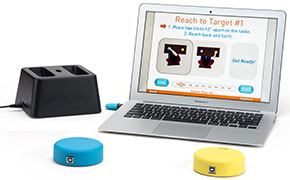
Specialized rehabilitation products enhance your home therapy program by providing structured, engaging exercises designed specifically for neurological recovery. The FitMi home neurorehabilitation system uses interactive sensors that guide upper and lower extremity exercises through game-like activities. This approach combines the proven benefits of task-oriented training with immediate visual feedback that keeps you motivated.

For targeted hand and finger rehabilitation, the MusicGlove rehabilitation glove offers music-based exercises that make repetitive practice enjoyable. Research shows that high-repetition training accelerates motor recovery, and gamified systems help you achieve the necessary practice volume without monotony.
Explore the complete range of Tisele Rehab rehabilitation kits to find solutions that complement your tele-rehabilitation therapy program. These clinically proven tools empower you and your caregiver to take an active role in recovery while maintaining the structure and progression that drive meaningful improvements.
Frequently asked questions
What is tele-rehabilitation and how is it used for stroke recovery?
Tele-rehabilitation delivers therapy remotely through technology, allowing you to receive professional guidance at home. It involves synchronous video sessions where therapists observe and coach you in real time, or asynchronous app-based exercises you complete independently. The primary goal is improving motor function, especially upper limb control after stroke, through task-oriented training that mimics daily activities. This approach enables ongoing therapy when clinic visits are difficult due to distance, mobility limitations, or scheduling conflicts.
How effective is tele-rehabilitation compared to traditional in-person therapy?
Studies demonstrate that task-oriented tele-rehabilitation produces upper limb improvements equivalent to face-to-face therapy, with differences falling within accepted non-inferiority margins. Patients achieve similar gains on standardized motor assessments, activities of daily living, and quality of life measures. Adherence rates in tele-rehabilitation programs often exceed those in traditional settings, reaching 85 to 100%, because home-based therapy eliminates transportation barriers and offers flexible scheduling that fits your lifestyle.
What role do caregivers play in tele-rehabilitation?
Caregivers assist during home therapy sessions by helping with positioning, providing stability, and encouraging consistent practice. Their involvement enhances patient safety while reducing their own burden through structured training that builds competence and confidence. Trained caregivers recognize when to assist and when to allow independent effort, optimizing the therapeutic benefit. This active participation improves therapy adherence and recovery outcomes while strengthening the patient-caregiver relationship through shared goals and visible progress.
Are there challenges to using tele-rehabilitation?
Digital access disparities create significant barriers, especially in rural or low-income areas where internet connectivity and device availability remain limited. Technology training and ongoing support are necessary for patients and caregivers unfamiliar with digital platforms. Limited long-term data and lack of standardized protocols make it difficult to predict outcomes beyond the initial recovery period. Equipment costs and the need for adequate home space can also present obstacles for some families seeking to implement tele-rehabilitation programs.
Recommended
38
Get inspired by a stroke recovery story

Home rehabilitation at full speed.
My husband suffered a severe stroke on August 19, 2020, which paralyzed him on the right side. Thanks to FitMi he has made huge progress since then. He still has no strength in his right arm, but now he can walk with a cane, his speech has improved significantly, and he is fighting and rehabilitating at full speed. We are very happy that we bought this FitMi kit for him, so he can continue his training and exercises at home. We are encouraged by this program and the positive reviews we read from others who used it. Thank God we found this kit and thank you for your support. It is a wonderful program.
Kate (08.09.2020)