Top neurological rehab techniques 2026 for faster stroke recovery
Robotic-assisted therapies can improve upper limb motor scores by 15-20% more than traditional rehab alone. This surprising fact highlights how modern neurological rehabilitation has evolved beyond conventional exercises. In 2026, patients recovering from stroke and other neurological conditions face countless therapy options combining cutting-edge technology with proven methods. This article clarifies the most effective rehab techniques available today, helping you make informed decisions for faster, more engaging recovery.
Table of Contents
- Introduction To Neurological Rehabilitation In 2026
- Understanding Neuroplasticity: The Foundation Of Rehabilitation
- Technology-Assisted Rehabilitation Techniques
- Comparing Conventional And Technology-Based Therapies
- Dispelling Common Misconceptions About Neurological Rehab
- Practical Framework For Choosing The Right Rehab Approach
- Conclusion And Next Steps For Patients And Caregivers
- Explore Tisele Rehab’s Innovative Kits For Neurological Recovery
- Frequently Asked Questions
Key takeaways
| Point | Details |
|---|---|
| Combined approaches win | Blending tech-assisted therapies with conventional rehab improves outcomes by 35%. |
| Robotics boost motor gains | Robotic devices increase upper limb recovery scores by up to 20%. |
| VR accelerates balance recovery | Virtual reality enhances balance and gait recovery 30% faster than standard therapy. |
| Music-based tools motivate | Devices like MusicGlove increase motivation and fine motor gains in home settings. |
| Recovery takes time | Realistic timelines span months to years, not weeks. |
Introduction to neurological rehabilitation in 2026
Neurological rehabilitation encompasses multimodal therapies designed to restore function after stroke, traumatic brain injury, cerebral palsy, and other neurological conditions. These interventions target motor, cognitive, and sensory recovery through both traditional and innovative methods.
The scope of rehab in 2026 has expanded dramatically. Clinicians now integrate:
- Physical therapy to rebuild strength and coordination
- Occupational therapy to restore daily living skills
- Speech therapy to recover communication abilities
- Technology-assisted interventions to enhance engagement and outcomes
Updated rehab techniques maximize neuroplasticity, the brain’s remarkable ability to reorganize and form new neural connections after injury. This biological process drives functional recovery and makes intensive, task-specific training more effective than ever.
Yet patients and caregivers face real challenges. The sheer number of therapy options can feel overwhelming. Limited access to specialized facilities complicates treatment. Uncertainty about which therapies actually work creates decision paralysis. Many struggle to balance hope with realistic expectations about recovery timelines.
Understanding the evidence behind modern rehab techniques helps cut through confusion. You can confidently select approaches that align with your specific needs, resources, and recovery goals. The following sections break down the science and practical application of today’s most effective neurological rehab methods.
 Understanding neuroplasticity: The foundation of rehabilitation
Neuroplasticity refers to the brain’s capacity to reorganize itself by forming new neural pathways after injury. This biological mechanism underlies all successful rehabilitation efforts. When part of the brain suffers damage from stroke or trauma, surrounding healthy tissue can sometimes assume functions previously controlled by the damaged area.
Repetitive, task-specific training drives this brain reorganization. Each time you practice a meaningful movement or cognitive task, you strengthen neural connections supporting that function. Over hundreds or thousands of repetitions, these pathways become more efficient, translating to improved real-world abilities.
The timing and intensity of therapy matter enormously:
- Early intervention capitalizes on heightened neuroplasticity in the weeks following injury
- Intensive practice accelerates neural reorganization and functional gains
- Consistent daily therapy maintains momentum even during plateaus
- Meaningful tasks engage multiple brain regions simultaneously
Task engagement, sensory feedback, and motivation enhance neuroplastic responses. When you’re actively focused on a purposeful activity rather than passively receiving treatment, your brain forms stronger, more lasting connections. Sensory input like touch, vision, and proprioception provides critical feedback that guides motor learning.
Pro Tip: Consistent practice with meaningful tasks like buttoning shirts or grasping cups is more effective than passive range-of-motion exercises that don’t require active mental engagement.
This understanding of neuroplasticity explains why modern rehabilitation emphasizes high-repetition, engaging activities over traditional passive therapies. Technology-assisted devices leverage these principles by providing thousands of repetitions in motivating formats that keep patients practicing longer and more consistently.
Technology-assisted rehabilitation techniques
Technology has revolutionized neurological rehabilitation by making intensive therapy more accessible, engaging, and measurable. Three categories stand out in 2026 for their evidence-based effectiveness.
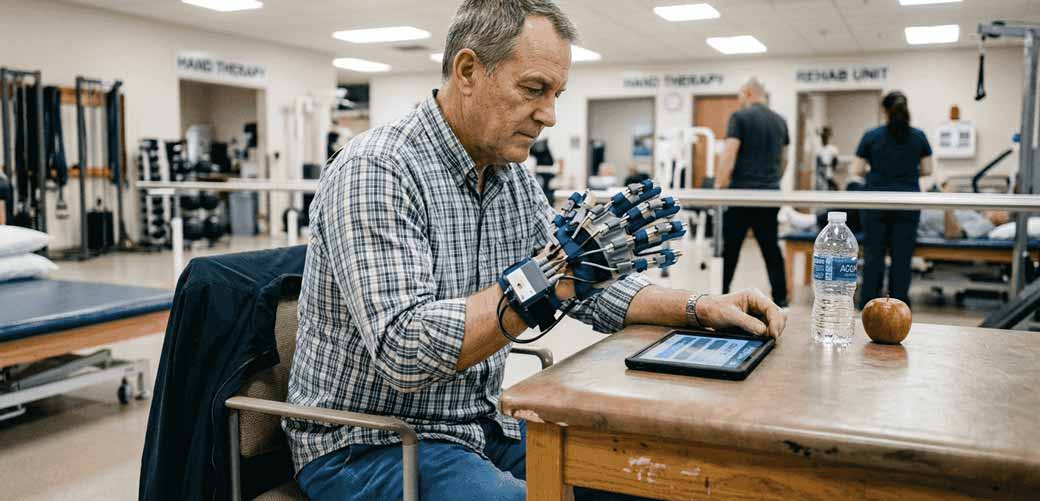
Robotic-assisted devices provide precise movement assistance while objectively tracking progress. These systems guide your arm or leg through therapeutic motions, reducing therapist workload during staffing shortages while delivering consistent, high-quality repetitions. Robotic-assisted rehabilitation significantly improves upper limb motor function by 15-20% compared to conventional therapy alone.
Virtual reality creates immersive, motivating environments for balance and gait training. Instead of walking on a treadmill in a sterile clinic, you might navigate a virtual forest or marketplace. This engaging context keeps you practicing longer. VR therapy yields 30% faster improvement in balance and gait measures compared to standard physiotherapy.
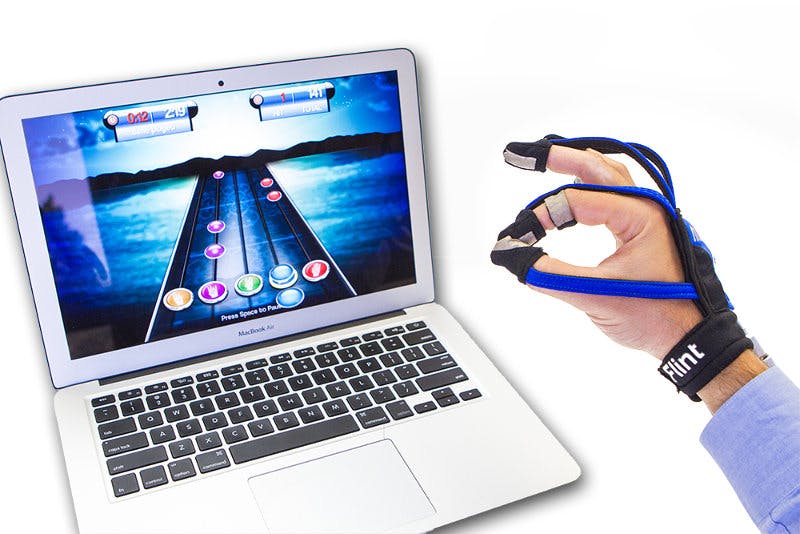
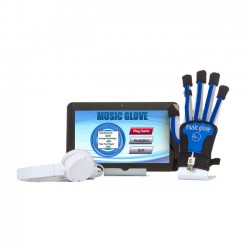
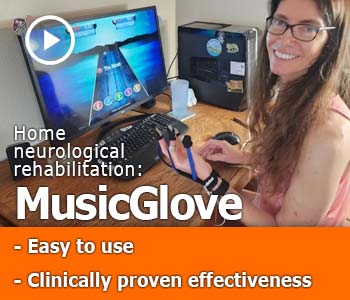
Music-based rehab devices like MusicGlove improve hand motor function through rhythmic engagement. You grasp and release sensors timed to music notes, making repetitive hand exercises feel like playing a game rather than tedious therapy. This approach dramatically increases motivation and therapy dosage in home settings.
Key benefits of these technologies include:
- Increased therapy dosage beyond what’s possible with therapist-only sessions
- Objective progress tracking that shows small improvements you might not notice
- Enhanced motivation through gamification and immediate feedback
- Reduced therapist workload, critical during rehabilitation staffing shortages
“Technology doesn’t replace the skilled judgment and hands-on techniques of rehabilitation therapists. Instead, it amplifies their effectiveness by enabling patients to practice independently between supervised sessions.”
The most successful programs combine technology-assisted home rehab tools with regular therapist supervision. This blended approach delivers the repetition needed for neuroplasticity while ensuring proper technique and ongoing plan adjustments.

Comparing conventional and technology-based therapies
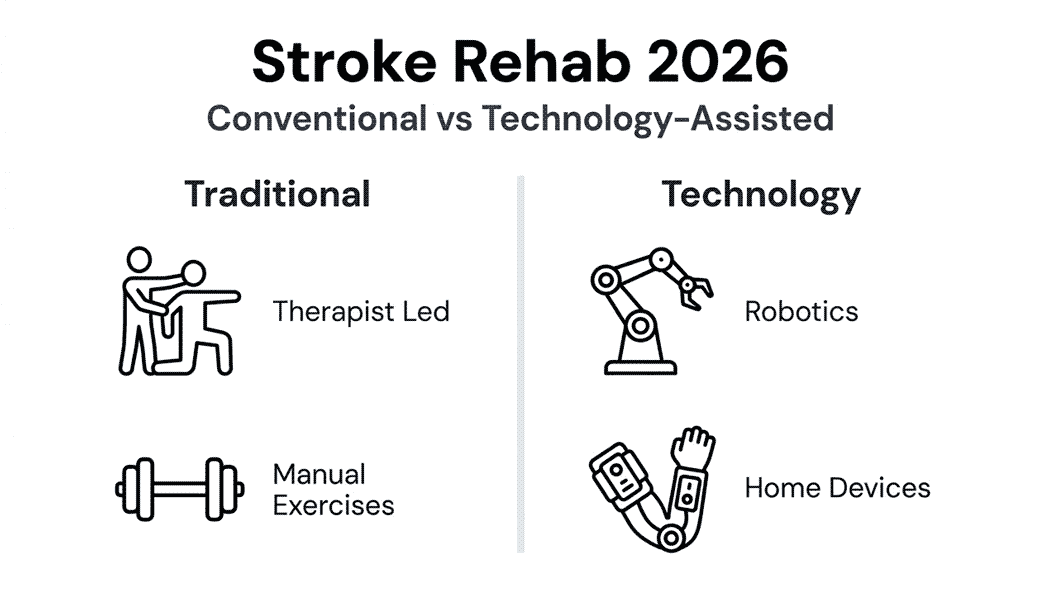
Conventional physical and occupational therapy relies on therapist-led repetitive exercises, manual techniques, and functional task practice. These time-tested methods remain foundational to neurological rehabilitation. A skilled therapist provides hands-on guidance, corrects movement patterns, and adapts exercises to your changing abilities.
Technology-based methods add precision and objective feedback that conventional therapy alone cannot match. Robotic devices measure exact ranges of motion, force production, and movement quality. Virtual reality quantifies balance parameters and gait characteristics. These metrics reveal subtle improvements that motivate continued effort during difficult recovery phases.
The comparison shows complementary strengths:
| Aspect | Conventional Therapy | Technology-Based Therapy |
|---|---|---|
| Personalization | High, therapist adapts in real-time | Moderate, algorithms adjust difficulty |
| Repetition volume | Limited by session time | Very high, home practice possible |
| Motivation | Variable, depends on therapist | High, gamification and instant feedback |
| Progress tracking | Subjective assessments | Objective data every session |
| Cost per session | Higher, requires therapist time | Lower for home devices |
Combined approaches yield the best results in motor function recovery. Combination therapies improve motor scores by approximately 35% more than conventional therapy alone. This synergy occurs because conventional therapy provides expert assessment and technique refinement while technology enables the massive repetition volume needed for neuroplasticity.
Patient-specific customization enhances effectiveness regardless of approach. Your age, injury severity, cognitive status, and personal goals should shape therapy selection. Some patients thrive with technology’s game-like format. Others prefer traditional hands-on guidance. The ideal plan respects these preferences while ensuring adequate intensity.
Pro Tip: Ask your therapist about combined therapy kits that supplement clinic sessions with engaging home practice, maximizing your total weekly therapy hours.
Dispelling common misconceptions about neurological rehab
Unrealistic expectations can derail motivation and therapy adherence. Understanding what rehabilitation can and cannot achieve helps you set meaningful goals and maintain commitment through challenging recovery periods.
Misconception one: Full recovery to pre-stroke function is the norm. Reality: Only about 20% of stroke survivors regain full pre-stroke functional status despite comprehensive rehab efforts. Most achieve significant improvement but retain some lasting impairment. This doesn’t mean giving up. It means celebrating meaningful gains like regaining independence in self-care or walking safely.
Misconception two: Recovery happens quickly, within weeks or a few months. Reality: Median time to plateau in motor function occurs around six months post-stroke, with gradual gains continuing for years thereafter. Early months show the fastest improvement, but neuroplasticity continues much longer than previously believed. Consistent therapy years after injury can still yield functional gains.
Misconception three: Technology will replace conventional therapy entirely. Reality: Technology complements rather than replaces skilled therapist intervention. You still need professional assessment, technique correction, and plan adjustments that only trained clinicians provide. Technology’s role is amplifying what therapists do, not eliminating their expertise.
Common false beliefs include:
- More expensive technology automatically means better outcomes
- Passive electrical stimulation produces gains without active effort
- Recovery ends at six months, making later therapy pointless
- Everyone with the same diagnosis needs identical therapy
“Over-optimism leads to frustration and therapy discontinuation when unrealistic timelines aren’t met. Under-optimism causes people to quit too soon, missing potential gains. The balance lies in understanding that recovery is gradual, variable, and often incomplete yet still profoundly valuable.”
Setting realistic, individualized goals improves motivation and adherence. Focus on functional abilities that matter to your daily life. Can you dress independently? Walk safely to the bathroom? Use your affected hand to stabilize objects? These concrete milestones provide motivation more effectively than abstract percentage improvements.
 Practical framework for choosing the right rehab approach
Selecting optimal rehabilitation therapies requires balancing clinical evidence, individual factors, and available resources. This systematic framework guides decision-making for patients, caregivers, and therapists.
Start by assessing impairment level and therapy goals:
- Document current functional abilities in mobility, self-care, and hand use
- Identify specific goals like walking independently or returning to hobbies
- Determine cognitive status and ability to follow complex instructions
- Evaluate motivation level and preferred activity types
- Review available resources including insurance coverage and home space
Balance conventional therapy with technology based on these factors. Patients with severe impairment often need more hands-on therapist guidance initially. Those with moderate impairment may benefit most from technology that enables high-repetition practice. Personalized therapy plans incorporating technology improve functional independence by 25% more than generic protocols.
Use home-based devices to increase therapy dose and adherence. Clinic sessions typically provide two to three hours weekly. Home-based rehabilitation devices increase therapy hours by 20% and boost adherence by 40%. The convenience and engaging format keep you practicing on non-clinic days when motivation might otherwise flag. Learn more about home rehabilitation benefits.
Leverage robotic devices in clinic settings to optimize therapist time. Robotic-assisted therapy reduces therapist time by 30% while maintaining patient improvement. This efficiency lets therapists serve more patients and focus their direct contact on assessment, education, and complex manual techniques that technology cannot replicate.
Key implementation steps:
- Schedule regular progress reviews every four to six weeks
- Adjust therapy difficulty as abilities improve or plateau
- Incorporate patient feedback on what feels helpful versus frustrating
- Ensure caregivers understand home program expectations
- Celebrate small wins to maintain motivation through long recovery
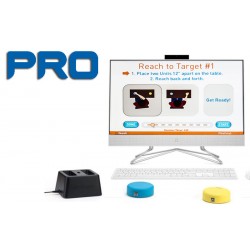
Pro Tip: Combine clinic expertise with professional-grade rehab devices to deliver the intensive, engaging practice that drives neuroplasticity without burning out your therapy team.
Regularly monitor and adjust plans based on objective progress data and subjective patient experience. What works brilliantly for one person may frustrate another. Flexibility and ongoing communication between patient, caregiver, and therapist ensure the approach evolves with changing needs.
Conclusion and next steps for patients and caregivers
The most effective neurological rehab techniques in 2026 combine neuroplasticity-focused exercises with technology aids like robotics, virtual reality, and music-based devices. This integrated approach delivers the repetition volume and engagement needed for optimal recovery.
Key takeaways for your journey:
- Set realistic recovery expectations based on individual factors, not best-case scenarios
- Combine home and clinic-based therapies to maximize total weekly practice hours
- Leverage technology to increase motivation and therapy adherence
- Work closely with rehabilitation professionals to customize your plan
- Understand that meaningful recovery takes months to years of consistent effort
Start by requesting a comprehensive assessment from a neurological rehabilitation specialist. This evaluation identifies your specific impairments, establishes baseline function, and creates a personalized therapy roadmap. Discuss both conventional and technology-assisted options that fit your situation.
Explore innovative products from Tisele Rehab that enhance therapy engagement and accelerate results. These clinically validated tools bring cutting-edge rehabilitation into your home, complementing professional therapy with the intensive practice your brain needs to reorganize and recover.
Explore Tisele Rehab’s innovative kits for neurological recovery
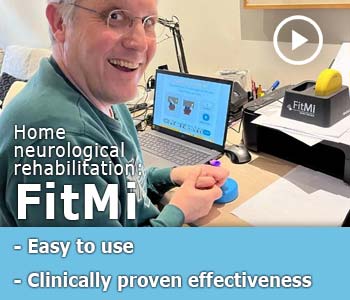
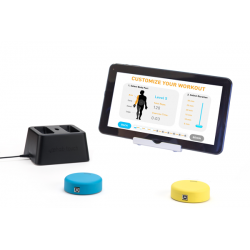
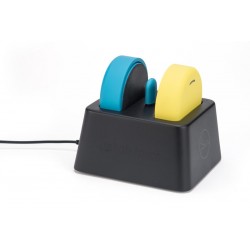
Recovery doesn’t stop when you leave the clinic. Tisele Rehab offers clinically proven kits like FitMi and MusicGlove designed to boost therapy engagement and outcomes between supervised sessions. These tools support both home and clinical therapy settings with interactive, motivating exercises that make high-repetition practice feel less like work and more like play.

Patients and caregivers can enhance recovery by incorporating these innovative devices alongside conventional therapy. FitMi home neurorehabilitation delivers full-body exercises targeting motor function across multiple limbs. MusicGlove hand therapy device focuses specifically on fine motor skills through engaging music-based activities. Both provide objective progress tracking and adapt difficulty to your improving abilities.
Explore the complete range of neurological rehabilitation aids to find solutions matching your specific recovery needs. Whether you’re working on hand function, balance, or overall motor control, validated rehab technology increases adherence and accelerates progress when used consistently.
Frequently asked questions
Can technology fully replace conventional neurological rehab?
No, technology complements conventional therapies for best outcomes. Skilled therapists provide essential assessment, technique correction, and plan adjustments that automated devices cannot replicate. Technology’s strength lies in enabling high-repetition practice between supervised sessions, amplifying therapist effectiveness rather than replacing clinical expertise.
How long does neurological rehab take to show results?
Significant improvements often take months, with most rapid gains occurring in the first six months post-injury. However, recovery continues much longer than previously believed. Many patients experience meaningful functional improvements years after their initial injury through consistent, intensive therapy that harnesses ongoing neuroplasticity.
Are home-based rehab devices effective?
Yes, they increase therapy dosage and adherence substantially, aiding recovery. Home devices let you practice daily rather than only during clinic sessions, dramatically increasing total weekly repetitions. The convenience and engaging formats boost motivation, helping you maintain consistent effort through challenging recovery periods. Combine home practice with regular therapist supervision for optimal results.
What tools help improve hand motor skills after stroke?
MusicGlove and FitMi are effective interactive devices proven to enhance hand function. MusicGlove uses music-based exercises that make repetitive grasping and releasing practice feel engaging rather than tedious. FitMi includes hand and arm exercises within a broader motor rehabilitation program. Both provide objective tracking and adapt to your improving abilities. Explore bundled options like the FitMi + MusicGlove rehab kit for comprehensive upper extremity recovery.
How do I choose the best rehab approach?
Consider your impairment severity, motivation level, resource access, and personal preferences, then customize therapy with professional guidance. Start with a comprehensive assessment identifying specific deficits and goals. Discuss both conventional and technology-assisted options with your therapist. Balance clinic expertise with home practice tools that increase total therapy hours. Regularly review progress and adjust your plan as abilities change.
Recommended
38
Get inspired by a stroke survival story


It's a very good "gaming" therapy.
I had a stroke 9 years ago and have tried many different therapies. I really like the gaming aspect offered by MusicGlove. I have only been using this kit for a month and I can already see some progress. It helps me a lot to stay motivated. It's really amazing...
In summary, I really like MusicGlove. MusicGlove.
Tomasz S. (04.03.2020)