Types of rehabilitation equipment for neurological recovery
Choosing the right rehabilitation equipment can feel overwhelming when you’re navigating stroke recovery, cerebral palsy, or other neurological conditions. With countless devices promising faster results, how do you identify tools that genuinely accelerate motor function restoration? This guide breaks down the essential categories of rehab equipment available in 2026, from upper limb trainers to robotic exoskeletons and virtual reality systems. You’ll discover which devices match your specific recovery goals, how they leverage neuroplasticity, and practical factors like cost and ease of use to help you make confident decisions for home or clinical therapy.
Table of Contents
- Criteria For Selecting Rehabilitation Equipment
- Upper Limb Rehabilitation Equipment
- Lower Limb Rehabilitation Equipment And Robotic Devices
- Electrical Stimulation And Virtual Reality In Rehabilitation
- Comparing Rehabilitation Equipment: Making The Right Choice
- Explore Trusted Rehabilitation Kits For Your Recovery Journey
- Frequently Asked Questions
Key takeaways
| Point | Details |
|---|---|
| Upper limb devices target hand and arm function | Therapy putty, grip trainers, and specialized gloves like MusicGlove improve finger dexterity and strength through repetitive task practice. |
| Robotic systems accelerate lower limb recovery | Exoskeletons and powered gait trainers provide precise, high-repetition movement patterns that enhance cortical excitability and mobility. |
| Electrical stimulation activates neuroplasticity | Functional electrical stimulation and focal muscle vibration reduce spasticity while promoting neuromuscular relearning through targeted activation. |
| Virtual reality boosts engagement and outcomes | Gamified VR platforms transform repetitive exercises into interactive experiences, increasing motivation and motor skill improvements. |
 Criteria for selecting rehabilitation equipment
Before exploring specific devices, you need objective criteria to evaluate your options. The most effective rehabilitation equipment leverages neuroplasticity through high-repetition, task-specific training that rewires neural pathways damaged by stroke or injury. Look for tools that encourage repetitive movements mimicking real-world activities, like grasping objects or walking, rather than passive exercises that don’t challenge your brain to form new connections.
Your condition severity matters significantly. Patients with mild impairment benefit from resistance-based tools like therapy bands, while those with severe paralysis need powered devices providing assisted movement. Home use requires equipment that’s intuitive enough for caregivers to operate safely without constant therapist supervision. Consider these factors when narrowing your choices:
- Device portability and storage requirements for home environments
- Learning curve for patients and caregivers operating the equipment
- Compatibility with existing therapy protocols your clinician recommends
- Maintenance needs and warranty coverage for long-term reliability
Cost represents another critical consideration. High-tech robotic systems deliver superior precision but often exceed $10,000, while manual tools like grip strengtheners cost under $50. Balance your budget against expected outcomes, remembering that consistent use of simpler equipment often outperforms sporadic use of expensive devices. Integration with professional therapy sessions amplifies results, so prioritize tools your therapist can incorporate into your rehabilitation exercise guide rather than standalone gadgets.
Pro Tip: Test equipment during therapy sessions before purchasing. Many clinics let patients trial devices to assess comfort and effectiveness, preventing costly mistakes on tools that don’t match your specific impairments.
Upper limb rehabilitation equipment
Hand and arm recovery demands specialized tools targeting fine motor control and strength. Therapy putty remains a foundational choice, offering variable resistance levels from soft to firm that progressively challenge weakened fingers. Grip trainers with adjustable tension build hand strength through repetitive squeezing motions, while finger exercisers isolate individual digits to restore independent movement patterns crucial for daily tasks like buttoning shirts or typing.
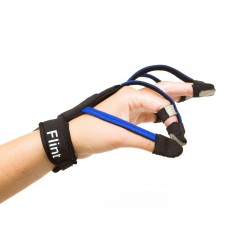
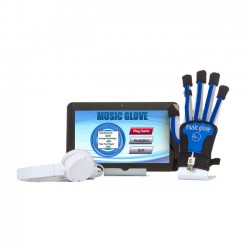
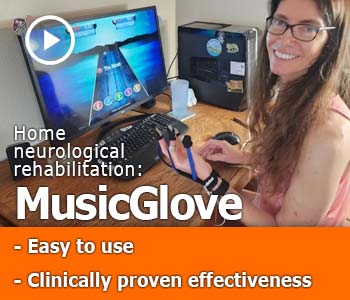
Clinically proven devices like MusicGlove transform hand therapy into an engaging experience. This specialized glove uses music-based games requiring you to pinch sensor-equipped fingertips in rhythm, achieving hundreds of repetitions per session without the monotony of traditional exercises. Patients typically complete 30-minute sessions that feel like playing a video game rather than tedious therapy work, dramatically improving adherence rates.
Mirror boxes create visual feedback that tricks your brain into perceiving movement in a paralyzed limb. By watching your functional hand’s reflection while attempting to move the affected hand, you activate motor cortex regions that facilitate fine motor recovery through neuroplasticity. Arm bikes, or upper body ergometers, provide bilateral training where both arms pedal simultaneously, promoting interlimb coordination essential for activities requiring two-handed control.
Resistance bands and pulley systems offer affordable solutions for arm mobility exercises. Bands come in color-coded resistance levels, letting you progress from light yellow bands to heavy black ones as strength returns. Overhead pulleys mounted to doorframes enable shoulder range-of-motion exercises, particularly beneficial for preventing frozen shoulder syndrome common after stroke. These tools integrate seamlessly into best rehabilitation exercises recommended by physical therapists.
Pro Tip: Combine passive stretching tools with active training devices. Use a dynamic splint to maintain finger extension overnight, then practice active grasping exercises with therapy putty during the day for comprehensive hand recovery.

Lower limb rehabilitation equipment and robotic devices
Lower body recovery focuses on restoring walking ability and balance through progressive loading and gait pattern normalization. Ankle weights provide simple resistance training, starting at one pound and increasing as leg strength improves. Resistance bands wrapped around thighs or ankles target specific muscle groups like hip abductors or ankle dorsiflexors. Body weight support systems, often harnesses suspended from ceiling tracks, allow you to practice walking while reducing fall risk and joint stress during early recovery phases.
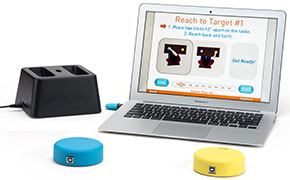
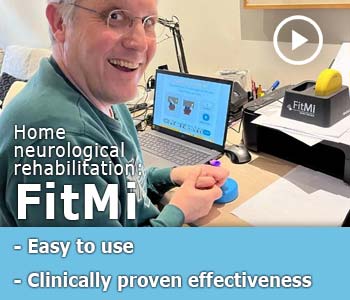
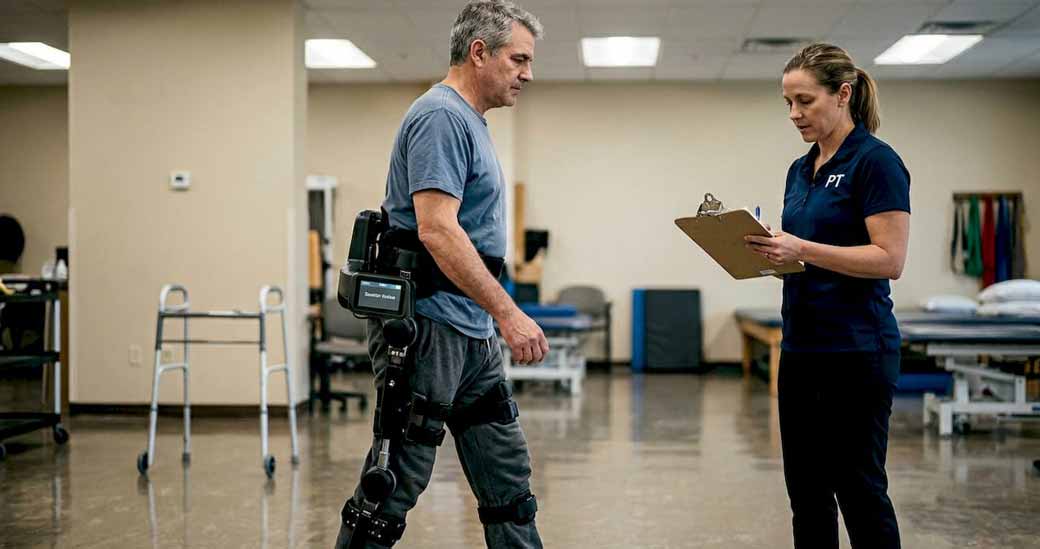
Robotic exoskeletons represent the cutting edge of lower limb rehabilitation. These powered devices strap onto your legs and provide motorized assistance for hip and knee flexion, enabling you to walk even with severe paralysis. FitMi improves full-body mobility 3x faster than traditional therapy by combining sensor-based feedback with gamified exercises that track your progress in real time. The system adapts difficulty automatically, ensuring you’re always working at the optimal challenge level for neuroplastic gains.
Powered knee assist devices focus specifically on knee extension during the swing phase of gait, correcting drop foot and improving stride symmetry. Treadmills with overhead harness systems let you practice walking at controlled speeds while therapists manually guide your leg movements, establishing proper gait patterns before attempting overground walking. These systems often include mirrors or video feedback so you can visualize and correct your form.
| Device Type | Primary Benefit | Best For | Cost Range |
|---|---|---|---|
| Ankle weights | Strengthens specific muscles | Mild impairment, home use | $15-$50 |
| Robotic exoskeleton | Provides powered gait assistance | Severe paralysis, clinic use | $75,000-$150,000 |
| Body weight support treadmill | Safe gait training with reduced fall risk | Moderate impairment, early rehab | $10,000-$40,000 |
| FitMi system | Gamified full-body sensor training | All severity levels, home/clinic | $500-$1,000 |
Exoskeleton training improves cortical excitability and limb function in stroke patients by providing thousands of repetitions with biomechanically correct movement patterns. This high-dose practice accelerates motor relearning far beyond what’s achievable through manual therapy alone, though the equipment cost limits availability to specialized rehabilitation centers.
Pro Tip: If robotic devices aren’t accessible, functional electrical stimulation paired with treadmill training produces comparable neuroplasticity benefits at a fraction of the cost, making advanced rehab techniques available for home programs through technology in neuro recovery approaches.
 Electrical stimulation and virtual reality in rehabilitation
Neuromuscular electrical stimulation techniques activate paralyzed muscles externally, creating contractions that your brain can’t initiate independently. Functional electrical stimulation (FES) delivers precisely timed electrical pulses through surface electrodes during functional tasks like reaching or walking. When you attempt to lift your foot, the FES unit detects the effort through sensors and triggers your ankle dorsiflexors, assisting the movement while your nervous system learns to reestablish voluntary control.
Focal muscle vibration applies high-frequency mechanical oscillations to specific muscles or tendons, enhancing proprioceptive feedback and reducing spasticity. Functional proprioceptive stimulation improves balance while vibration reduces spasticity in stroke survivors, making these techniques valuable additions to conventional therapy. Proprioceptive stimulation devices deliver controlled sensory input that helps your brain rebuild its internal map of body position and movement, addressing the sensory deficits that often accompany motor impairments.
These electrical modalities work because they activate neural pathways repeatedly, driving neuroplasticity through consistent sensory and motor signaling. The combination of attempted voluntary movement plus electrical assistance creates stronger neural adaptations than either approach alone, essentially teaching your brain and muscles to coordinate through guided practice.
Virtual reality platforms transform repetitive exercises into immersive games that maintain your engagement through hundreds of movement repetitions. Systems like NeuroVirt project interactive environments where you reach for virtual objects, duck under obstacles, or balance on simulated platforms. MusicGlove uses VR-style gaming mechanics without requiring a headset, displaying colorful graphics on a tablet while you match finger movements to musical cues. These tools address the motivation challenge inherent in neurological rehabilitation, where progress requires thousands of repetitions that quickly become tedious.
“Virtual reality rehabilitation systems increase patient adherence by 40% compared to conventional therapy because the gamification elements provide immediate feedback and achievement rewards that keep patients motivated through the long recovery process.”
The gaming elements trigger dopamine release in your brain’s reward centers, creating positive associations with therapy that encourage daily practice. This psychological benefit translates to better outcomes because consistency matters more than any single session’s intensity. By making rehab enjoyable, VR technology helps you engage patients in rehab more effectively than traditional approaches.
Comparing rehabilitation equipment: making the right choice
Understanding the trade-offs between equipment categories helps you select tools matching your specific circumstances. This comparison highlights key differences:
| Equipment Category | Price Range | Ease of Use | Effectiveness | Ideal Use Case |
|---|---|---|---|---|
| Manual tools (putty, bands) | $10-$100 | Very easy | Moderate | Home maintenance, mild impairment |
| Specialized gloves (MusicGlove) | $500-$600 | Easy | High | Hand therapy, all settings |
| Full-body systems (FitMi) | $500-$1,000 | Moderate | Very high | Comprehensive home rehab |
| Robotic exoskeletons | $75,000+ | Complex | Very high | Severe impairment, clinical only |
| VR platforms | $1,000-$5,000 | Moderate | High | Engagement-focused therapy |
| Electrical stimulation | $200-$3,000 | Moderate | High | Muscle activation, spasticity |
Follow these steps to evaluate your needs systematically:
- Assess your current functional level with your therapist to identify specific impairments requiring targeted intervention.
- Determine your budget, considering that insurance may cover certain devices prescribed by physicians for medical necessity.
- Evaluate your home environment for space, power requirements, and caregiver availability to assist with complex equipment.
- Prioritize devices addressing your primary therapy goals, whether that’s hand dexterity, walking ability, or spasticity management.
- Research evidence supporting each device type for your specific condition, focusing on peer-reviewed studies demonstrating clinical efficacy.
Hybrid robotics and FES show superior outcomes compared to single-modality approaches, though cost and maintenance considerations require careful evaluation. Combining complementary tools often produces better results than investing heavily in one expensive system. For example, pairing a FitMi system with therapy putty and resistance bands creates a comprehensive program addressing strength, coordination, and fine motor skills across multiple price points.
Consult your physical or occupational therapist before major purchases. They can recommend specific devices compatible with your treatment plan and may offer trial periods to test equipment effectiveness. Reassess your equipment needs every three months as your abilities improve, graduating to more challenging tools that continue driving neuroplastic adaptations. The stroke rehab workflow guide provides structured progression frameworks ensuring you’re always using appropriate difficulty levels.
Pro Tip: Hybrid approaches combining electrical stimulation with robotic training produce 30% better outcomes than either modality alone. If budget allows, invest in complementary technologies rather than upgrading within a single category.
Explore trusted rehabilitation kits for your recovery journey
Now that you understand the landscape of rehabilitation equipment, finding reliable sources for clinically proven tools becomes your next priority. Tisele Rehab specializes in curating evidence-based rehabilitation kits designed specifically for stroke and cerebral palsy recovery, offering the FitMi and MusicGlove systems discussed throughout this guide.

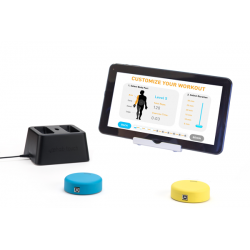
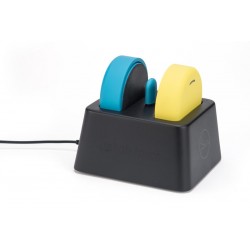
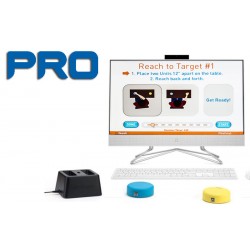
These aren’t generic fitness gadgets but FDA-registered medical devices developed by neuroscientists and tested in clinical trials. The FitMi home rehabilitation kit delivers full-body therapy through two wireless pucks that track your movements across 40+ exercises, automatically adjusting difficulty as you improve. For hand-focused recovery, the MusicGlove hand rehab glove provides the music-based finger training that makes achieving 600+ hand movements per session feel effortless. Explore the complete range of Tisele Rehab rehabilitation kits to find solutions matching your specific recovery needs and budget.
Frequently asked questions
What types of rehabilitation equipment help with neurological recovery?
Rehabilitation equipment spans five main categories: upper limb devices like therapy putty and specialized gloves, lower limb tools including ankle weights and robotic exoskeletons, electrical stimulation systems such as FES units, virtual reality platforms for gamified therapy, and combination devices like FitMi that address full-body recovery. Each category targets specific impairments through different mechanisms.
How do I choose rehabilitation equipment for my condition severity?
Mild impairments respond well to resistance-based tools like therapy bands and grip strengtheners that challenge existing movement control. Moderate impairments benefit from guided devices like mirror boxes and body weight support systems that assist partial movement. Severe paralysis requires powered equipment such as robotic exoskeletons or FES units that provide external movement generation while your nervous system relearns motor patterns.
Can rehabilitation equipment really improve outcomes compared to traditional therapy?
Yes, when used consistently. Devices like FitMi enable you to complete 400+ repetitions daily at home, far exceeding the 50-100 repetitions typical in one-hour therapy sessions. This high-dose practice accelerates neuroplasticity, with studies showing patients using gamified home systems improve mobility three times faster than those relying solely on weekly clinic visits.
Why do some rehabilitation devices cost so much more than others?
Price reflects technological complexity and research investment. Manual tools like therapy putty cost under $50 because they’re simple molded materials. Robotic exoskeletons exceed $100,000 due to precision motors, sensors, control algorithms, and extensive clinical testing required for FDA clearance. Mid-range devices like MusicGlove at $600 balance sophisticated sensor technology with manufacturing efficiency, delivering clinical-grade results at accessible price points.
Are there affordable rehabilitation equipment options for home use?
Absolutely. Resistance bands, therapy putty, grip strengtheners, and ankle weights provide effective training for $10-$100 total investment. For technology-enhanced options, FitMi and MusicGlove systems cost $500-$1,000, offering clinic-quality therapy at home without ongoing session fees. Many insurance plans cover prescribed rehabilitation equipment, making even advanced devices financially accessible when medically necessary.
How important is therapist guidance when using rehabilitation equipment?
Extremely important initially, then less so as you master proper technique. Therapists ensure you’re performing exercises correctly to avoid compensation patterns that reinforce poor movement quality. They also adjust equipment settings and progress difficulty appropriately. Once you’ve learned correct form, many devices like FitMi provide built-in guidance for independent home practice, though periodic therapist check-ins optimize long-term outcomes.
Recommended
38
Get inspired by a stroke recovery story

Home rehabilitation at full speed.
My husband suffered a severe stroke on August 19, 2020, which paralyzed him on the right side. Thanks to FitMi he has made huge progress since then. He still has no strength in his right arm, but now he can walk with a cane, his speech has improved significantly, and he is fighting and rehabilitating at full speed. We are very happy that we bought this FitMi kit for him, so he can continue his training and exercises at home. We are encouraged by this program and the positive reviews we read from others who used it. Thank God we found this kit and thank you for your support. It is a wonderful program.
Kate (08.09.2020)