How to Engage Patients in Rehab for Better Stroke Recovery
Every session brings a new challenge, as no two stroke survivors are exactly alike. American therapists know that a one-size-fits-all approach rarely produces lasting results. By focusing on personalized rehabilitation strategies and adopting proven, interactive tools like virtual reality and music-based exercises, you can transform therapy into a rewarding journey that motivates patients and drives real motor function improvement.
Table of Contents
- Step 1: Assess Individual Patient Needs And Barriers
- Step 2: Introduce Engaging, High-Tech Therapy Tools
- Step 3: Integrate Music-Based Exercises For Motivation
- Step 4: Monitor Progress And Adjust Engagement Strategies
Quick Summary
| Key Takeaway | Explanation |
|---|---|
| 1. Assess individual patient needs | Conduct thorough evaluations of physical, cognitive, emotional, and social factors affecting recovery. |
| 2. Use high-tech therapy tools | Introduce engaging technology gradually to enhance patient motivation and track rehabilitation progress. |
| 3. Integrate music in exercises | Select enjoyable music to create rhythm-based activities that improve coordination and engagement. |
| 4. Monitor progress regularly | Establish baseline metrics and adjust therapy strategies based on measurable patient improvements. |
| 5. Involve patients in decision-making | Engage patients in setting their rehabilitation goals to boost commitment and ownership in their recovery. |
Step 1: Assess individual patient needs and barriers
Your first priority is understanding who sits in front of you. Every stroke patient walks a different path to recovery, shaped by their unique impairments, living situation, and personal goals. A thorough assessment reveals what truly matters to them and what might block their progress.
Start by gathering information across multiple domains. You need to evaluate physical function alongside cognitive ability, emotional state, and social circumstances. A patient with excellent arm strength but severe aphasia faces completely different challenges than someone with mild weakness but intact communication. Personalized rehabilitation strategies that address all these areas produce better outcomes than one-size-fits-all approaches.
Conduct structured conversations with your patients and their caregivers. Ask direct questions about their life before the stroke, their current concerns, and their recovery goals. What did they value doing? What worries them most now? This isn’t casual chat—it’s essential data collection.
Identify specific barriers that could derail progress:
- Physical limitations: Range of motion loss, spasticity, balance deficits, or pain that restricts movement
- Cognitive challenges: Memory problems, difficulty following instructions, or impaired judgment affecting safety
- Emotional factors: Depression, anxiety, or reduced motivation that decrease participation
- Social barriers: Limited caregiver support, transportation difficulties, or financial constraints
- Comorbidities: Diabetes, heart disease, or other conditions affecting recovery capacity
Document findings in clear, actionable language. Instead of “patient has poor motivation,” write “patient expresses frustration with slow progress and shows reduced engagement in upper extremity tasks.” Specific observations guide better treatment decisions.
Involve patients actively in this process. Shared decision-making that identifies individual rehabilitation goals produces stronger commitment than therapist-directed plans. When patients help shape their assessment, they own the results.
Your assessment reveals not just what’s broken, but what matters most to your patient and how to build a recovery plan around their real life.
Pro tip: Create a simple one-page assessment summary your patient can review before the first therapy session—this gives them time to reflect on their priorities and engages them from day one.

Step 2: Introduce engaging, high-tech therapy tools
Technology transforms stroke rehabilitation from monotonous repetition into genuinely engaging activity. High-tech therapy tools keep patients motivated, track progress with precision, and extend therapy time beyond traditional sessions. The right tools make recovery feel less like work and more like accomplishment.
Start by understanding what your patient responds to. Some prefer game-based activities that feel competitive or rewarding. Others connect better with tools that simulate real-world tasks they want to reclaim. Digital technologies enhance assessment accuracy and enable progress monitoring while simultaneously increasing patient engagement through interactive exercises.
Consider tools that fit your patient’s specific impairments and goals:
- Virtual reality systems for arm and hand recovery with task-specific, game-like movements
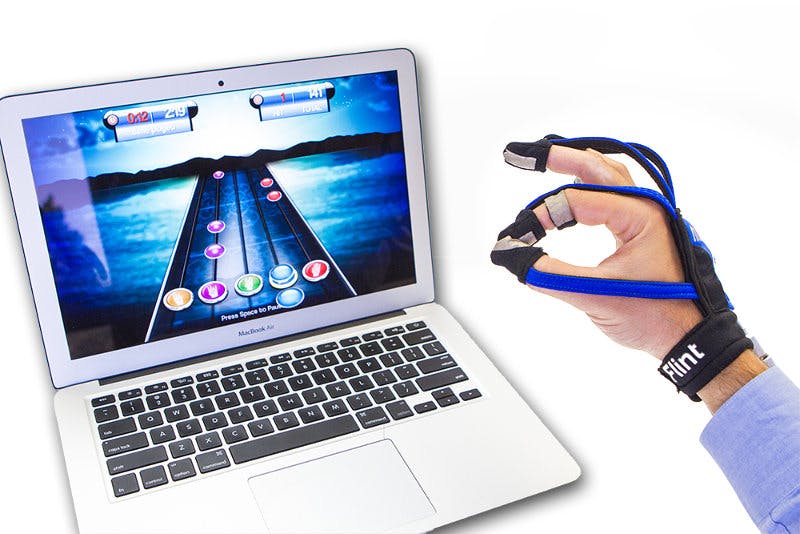
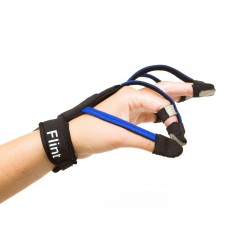
- Music-based therapy that combines motor practice with auditory feedback and emotional connection
- Wearable devices that track movement quality and provide real-time performance data
- Computer-assisted interventions for cognitive recovery or functional task practice
Introduce technology gradually. Don’t overwhelm patients with complexity on day one. Demonstrate the tool yourself first, then guide them through one simple activity. Explain clearly how it connects to their recovery goals. A patient practicing hand function on a musical interface understands faster when you say, “This helps your fingers work together to play songs again.”
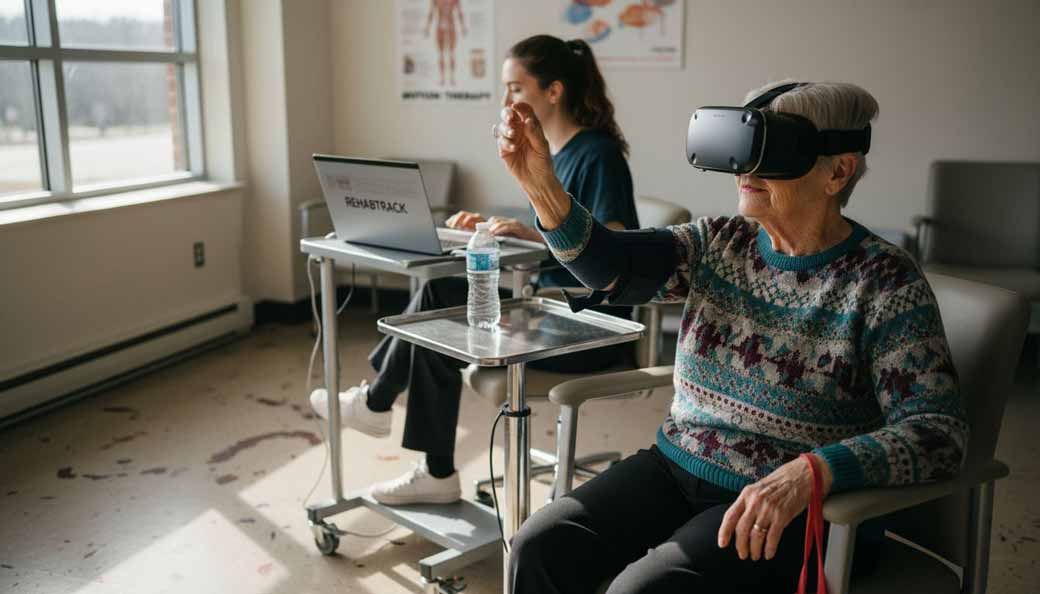
Virtual reality enhances arm movement recovery when added to standard therapy, offering an inexpensive way to extend therapy time with motivating, game-like activities that patients actually look forward to. The safety profile is excellent, and adherence typically improves because the experience feels rewarding rather than like punishment.
The following summary highlights key rehab tool features:
| Tool Type | Primary Function | Engagement Mechanism |
|---|---|---|
| Virtual reality | Simulates functional tasks | Interactive, game-like |
| Wearable devices | Monitors movement quality | Real-time feedback |
| Computer-assisted | Supports cognitive recovery | Task-based interaction |
| Music-based interfaces | Enhances motor practice | Rhythm and emotional reward |
Monitor engagement closely during early sessions. Is your patient leaning forward? Making eye contact with the screen? Asking questions about features? These signal genuine interest. If someone seems frustrated or disengaged, pivot to a different tool or modify difficulty settings immediately.
High-tech tools work best when they feel like an extension of your treatment plan, not a distraction from it.
Pro tip: Let patients take videos of their progress on technology-based exercises to share with family—this creates accountability, builds motivation, and gives loved ones concrete evidence of improvement.
Step 3: Integrate music-based exercises for motivation
Music transforms rehabilitation from clinical to engaging. When patients move to rhythm and sound, their brains activate reward pathways that make repetition feel purposeful rather than punishing. This is neuroscience, not distraction—music actually rewires recovery.
Start by selecting music that resonates with your patient’s preferences and therapy goals. Rhythmic auditory stimulation can improve movement timing and motor performance, making music-based exercises particularly effective for patients struggling with coordination, timing, or gait control. The rhythm acts as an invisible metronome guiding their movements.
Choose exercises where music naturally complements the motion:
- Hand and finger exercises timed to song tempo, building dexterity while enjoying auditory feedback
- Walking or stepping patterns synchronized to rhythmic beats, improving gait stability and confidence
- Shoulder and arm movements that match musical phrases, combining motor practice with emotional engagement
- Singing or vocalization paired with functional movements, engaging multiple brain systems simultaneously
Start simple. A patient doesn’t need a complex song with lyrics they must remember. A steady drum beat or instrumental rhythm gives them something concrete to follow. As confidence grows, introduce songs with personal meaning—music they loved before the stroke.
Music-based interventions enhance motor rehabilitation by improving coordination and overall motor function while leveraging brain networks involved in sensory-motor synchronization. Patients experience reward activation, which naturally boosts engagement and motivation—they show up wanting to participate rather than dreading sessions.
Observe how music shifts the room’s energy. Do movements become smoother? Does your patient smile or tap along? That’s the music working. If someone seems distracted or disconnected, the song choice might be wrong. Switch it immediately. The goal is creating flow state where effort feels effortless.
Document what works. Note which songs, tempos, and movement types generate the strongest engagement and best motor outcomes for each patient. This becomes your personalized music therapy playbook.
Music doesn’t replace therapy—it makes therapy feel like something worth doing.
Pro tip: Create a simple playlist of 4-5 songs matched to specific exercises, then let your patient control which song plays—autonomy paired with music creates powerful motivation and reduces cognitive load during sessions.
Step 4: Monitor progress and adjust engagement strategies
Tracking progress isn’t just about documentation—it’s about keeping patients engaged and proving recovery is real. When patients see measurable improvement, motivation skyrockets. When they stall, you need data to pivot quickly.
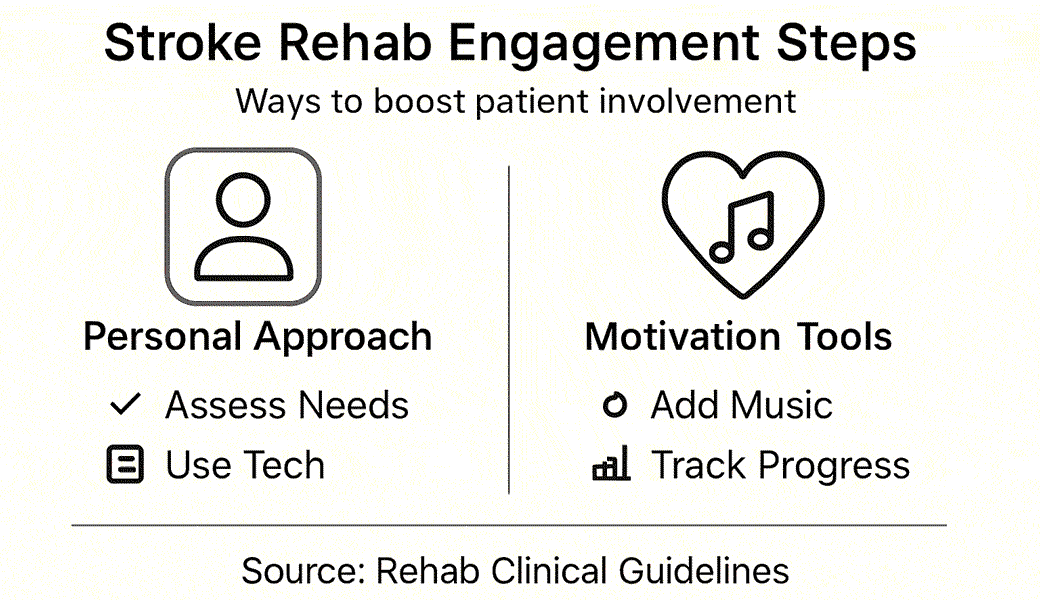
Establish baseline measurements before therapy begins. Use standardized assessment tools that match your patient’s goals. If hand function matters most, measure grip strength and finger dexterity. If walking is the priority, assess gait speed and balance. Standardized performance measures enable clinicians to tailor therapy intensity and interventions to patient responsiveness, ensuring rehabilitation remains adaptive throughout recovery.
Choose metrics that patients understand and care about:
- Functional tasks like picking up objects, writing, or walking distance
- Speed and accuracy in exercises, showing real-world improvement
- Repetition counts and consistency across sessions
- Patient-reported satisfaction with activities and perceived progress
- Quality of life measures addressing independence and daily activities
Monitor weekly. Look for upward trends, plateaus, or declines. Are movements becoming smoother? Is your patient completing more repetitions? Are they initiating exercises independently? These signals matter more than perfect numbers.
Ongoing assessment using standardized tools and shared decision-making allows clinicians to adjust rehabilitation goals based on progress, maintaining motivation and addressing emerging challenges. Sit down regularly with your patient and review results together. Point to specific improvements. Celebrate wins, even small ones.
When progress stalls, investigate before assuming the patient needs harder work. Are they bored? Frustrated? Fatigued? Did life circumstances change? Adjust your approach: different music, easier starting points, new exercises, or more frequent sessions. Sometimes stepping back actually moves recovery forward.
Share data visually when possible. A simple chart showing improvement over four weeks speaks louder than clinical notes. Patients remember what they can see.
Here’s how common engagement strategies compare in stroke rehabilitation:
| Strategy | Benefit | When Most Effective | Potential Drawback |
|---|---|---|---|
| High-tech tools | Increases motivation, tracks progress | Early post-stroke, tech-friendly patients | May cause frustration if too complex |
| Music-based exercises | Boosts enjoyment, aids motor learning | Patients with coordination challenges | Can distract if song choice is poor |
| Shared decision-making | Strengthens commitment, personalizes goals | Throughout rehabilitation process | Requires more clinician time |
| Progress tracking | Validates improvement, motivates effort | Established goals or plateaus | Data overload can demotivate |
Progress tracking transforms therapy from guesswork into science—and gives patients proof that effort produces results.
Pro tip: Record video clips of the same exercise every two weeks, then show patients the side-by-side comparison—visual evidence of movement quality improvement motivates better than any number on a spreadsheet.


Transform Stroke Recovery with Engaging, High-Tech Rehab Tools
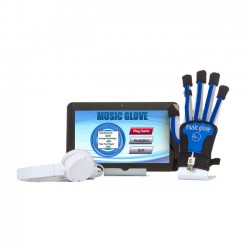
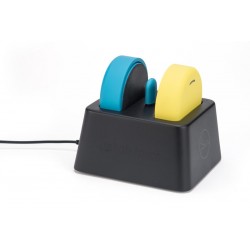
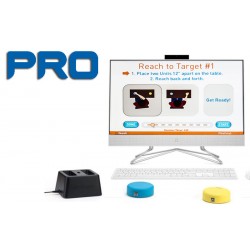
The article highlights how critical personalized assessment and engaging, music-based therapy are for better stroke recovery. If you want to overcome common challenges like patient motivation, limited therapy time, and the need for meaningful progress tracking, innovative tools designed for neurological rehab can make all the difference. At Tisale Rehab, you will find specialized products like the FitMi and MusicGlove that combine high-tech interaction with music-driven exercises. These solutions directly support strategies such as rhythmic auditory stimulation and shared decision-making to boost motor function and patient engagement.
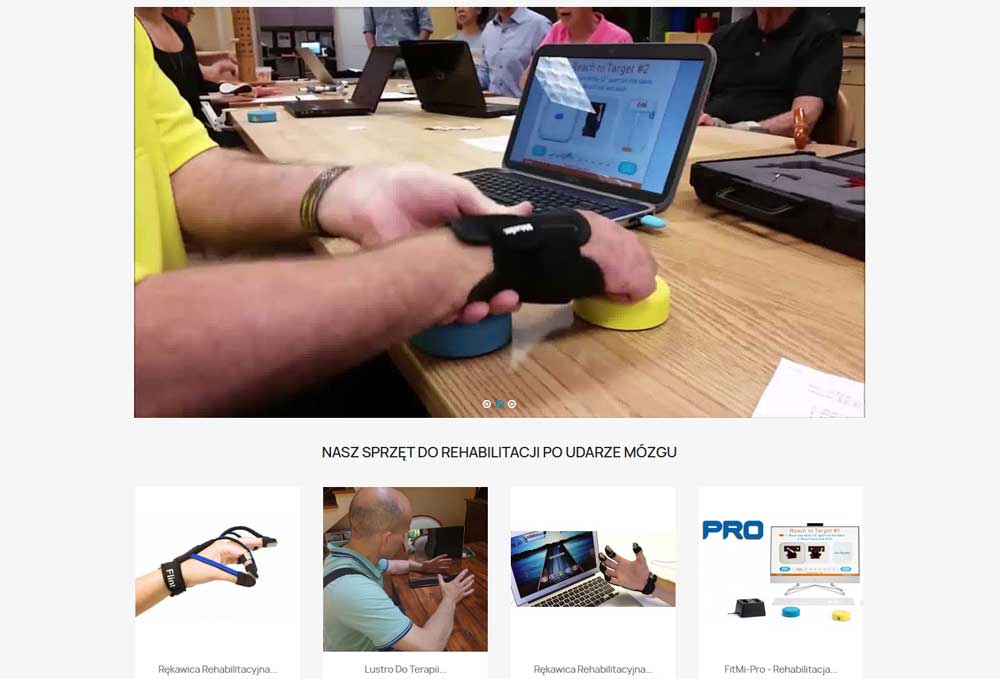
Ready to bring proven, clinically supported technology into your recovery plan today The therapies featured at Tisale Rehab empower patients to regain motor skills efficiently while keeping motivation high. Explore our detailed product catalog to find therapy kits tailored to your needs and start transforming rehabilitation into an engaging journey of progress. Take the first step now toward more effective stroke recovery with tools designed to work with your unique rehabilitation goals.
Frequently Asked Questions
How can I assess my stroke patient’s individual needs in rehabilitation?
To assess a stroke patient’s needs effectively, conduct a thorough evaluation that includes their physical abilities, cognitive skills, emotional state, and social circumstances. Use structured conversations and specific questions to identify their personal goals and any barriers they face in recovery.
What technology tools can enhance patient engagement in stroke rehabilitation?
Consider incorporating high-tech therapy tools such as virtual reality systems, wearable devices, and music-based interventions. Start by gradually introducing one tool that aligns with your patient’s interests to keep them motivated and engaged in their recovery process.
How can music-based exercises improve engagement during stroke rehabilitation?
Music-based exercises can significantly enhance engagement by leveraging rhythm to aid movement and motivation. Select music that resonates with your patient and incorporate it into hand exercises or walking patterns to create a joyful and beneficial therapy experience.
What strategies can I use to monitor my patient’s progress effectively?
Establish baseline measurements using standardized assessment tools to track improvements in specific areas like grip strength and gait. Monitor progress weekly, and share visual data displays with your patient to validate their achievements and maintain motivation.
How can shared decision-making impact patient recovery in stroke rehabilitation?
Shared decision-making involves patients in setting their rehabilitation goals, which can significantly enhance their commitment to the therapy process. Encourage open discussions about their preferences and concerns, and aim to align treatment plans with their personal recovery aspirations.
Recommended
38
Get inspired by a stroke survival story


It's a very good "gaming" therapy.
I had a stroke 9 years ago and have tried many different therapies. I really like the gaming aspect offered by MusicGlove. I have only been using this kit for a month and I can already see some progress. It helps me a lot to stay motivated. It's really amazing...
In summary, I really like MusicGlove. MusicGlove.
Tomasz S. (04.03.2020)