6 Effective Rehabilitation Motivation Tips for Caregivers
Supporting a loved one through stroke recovery at home feels overwhelming without the right tools and strategies. Each day presents new obstacles, from finding activities that keep your patient motivated to making sure therapy actually leads to meaningful improvement. You want reassurance that your efforts truly make a difference.
The good news is that specific actions can transform your rehabilitation sessions and help your loved one stay on track. By using proven methods such as engaging technology and clear goal setting, you set the stage for genuine progress.
Get ready to discover practical, research-backed techniques that will keep your patient motivated, empowered, and moving forward—you will soon learn how small changes can yield real results in your daily routine.
Table of Contents
- 1. Start With Clear And Achievable Goals
- 2. Incorporate Engaging Technology Like FitMi
- 3. Use MusicGlove To Make Therapy Enjoyable
- 4. Celebrate Small Milestones Regularly
- 5. Establish A Consistent Daily Routine
- 6. Foster Positive Communication And Support
Quick Summary
| Takeaway | Explanation |
|---|---|
| 1. Set Clear Goals | Establish specific, achievable goals to provide direction and measure progress during stroke rehabilitation. |
| 2. Use Engaging Technology | Incorporate interactive platforms like FitMi to maintain motivation and make sessions enjoyable. |
| 3. Celebrate Small Wins | Acknowledge every achievement, no matter how small, to boost confidence and sustain motivation through the recovery process. |
| 4. Establish a Daily Routine | Create a consistent schedule for therapy sessions to enhance accountability and remove decision fatigue. |
| 5. Foster Positive Communication | Engage in supportive dialogue that emphasizes effort and progress, creating an emotionally safe environment for rehabilitation. |
1. Start With Clear and Achievable Goals
Clear goals act as a roadmap for stroke recovery, giving both you and your loved one direction and purpose during rehabilitation. Without specific targets, therapy sessions can feel like endless repetition rather than progress toward meaningful outcomes.
Goals create momentum. When your patient completes a target—whether it’s regaining hand dexterity or walking farther without assistance—you both see tangible proof that effort produces results. This visibility fuels motivation for the next challenge.
Why Goals Matter in Home Rehabilitation
Setting structured goals helps you organize your rehabilitation efforts and maintain focus. Clear health conditions and treatment targets allow caregivers to prioritize what matters most and track meaningful progress over time.
Goals should be specific, measurable, attainable, relevant, and time-bound (SMART). Instead of “improve hand function,” aim for “regain 40% grip strength in the right hand within 8 weeks” or “use the hand in daily activities like holding a cup.”
Goals transform therapy from abstract exercises into concrete steps toward recovery—each completed target builds confidence and momentum.
Types of Goals to Consider
Your rehabilitation plan might include:
- Physical goals: Range of motion, balance, strength, or endurance improvements
- Functional goals: Resuming daily tasks like cooking, dressing, or writing
- Cognitive goals: Memory improvement, concentration, or problem-solving abilities
- Emotional goals: Rebuilding confidence, reducing anxiety, or reconnecting socially
A well-rounded plan addresses multiple dimensions, not just one area. This holistic approach keeps your patient engaged across different aspects of recovery.
Putting Goals Into Action
Start by writing down 2-3 short-term goals (4-8 weeks) and 1-2 long-term goals (3-6 months). Include specific measurements: “increase walking distance from 50 feet to 150 feet” or “achieve 10-minute hand therapy sessions using FitMi with improved accuracy.”
Review goals weekly. Celebrate wins when targets are met, and adjust timelines if needed. Stroke recovery isn’t linear—flexibility matters as much as structure.
Pro tip: Write your goals on a visible chart or whiteboard in your home rehabilitation space and update it weekly with progress markers—this visual reminder keeps both you and your patient focused on what’s working and what needs adjustment.

2. Incorporate Engaging Technology Like FitMi
Technology transforms therapy from repetitive exercises into engaging activities that keep your patient motivated and returning for more sessions. Interactive platforms turn rehabilitation into something that feels less like work and more like play.
Gamified exercise systems address a real problem: boredom kills motivation. When your patient sees progress bars, scores, and immediate feedback on their performance, they’re more likely to stick with therapy long-term. The psychological boost of “winning” at an activity drives adherence in ways traditional therapy alone cannot match.
How Engaging Technology Boosts Rehabilitation Motivation
Research shows that sensor-based exercise platforms with gamified activities significantly increase exercise engagement without formal supervision. When patients control the challenge level and see real-time results, they persist longer and work harder during sessions.
The key is balanced difficulty. Too easy and your patient gets bored. Too hard and they quit. Interactive technology automatically adjusts intensity, keeping your loved one in that “sweet spot” where motivation stays high.
Technology doesn’t replace human connection—it enhances it by removing the friction that prevents consistent rehabilitation effort.
Why FitMi Works for Home Rehabilitation
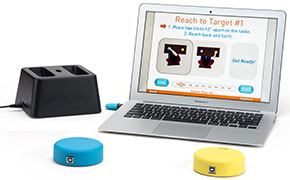
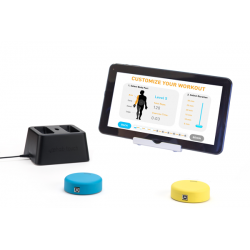
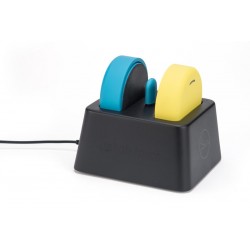
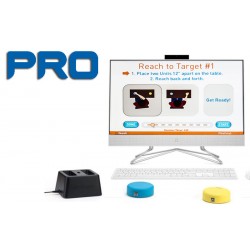
FitMi uses wireless sensors and real-time feedback to create personalized exercise experiences. Your patient engages their hands, arms, trunk, and legs through activities that adapt based on performance, ensuring sustained motivation throughout recovery.
Key benefits include:
- Immediate feedback shows progress instantly, building confidence
- Adjustable difficulty keeps challenges appropriate as your patient improves
- Variety in activities prevents monotony and keeps engagement fresh
- Data tracking lets you and your patient see measurable progress over weeks and months
- Home-based convenience removes transportation barriers to consistent therapy
Implementing Technology Into Your Routine
Start with 3-4 sessions per week, 15-20 minutes each. Your patient doesn’t need hours of therapy—consistency beats intensity. Technology makes those shorter sessions count by keeping focus sharp and engagement high.
Monitor progress together. When your patient sees their scores improving or activity times increasing, motivation compounds. Celebrate these wins openly.
Pro tip: Set a specific time each day for technology-based therapy—same time creates habit, reducing friction and making rehabilitation feel like a natural part of the daily routine rather than an extra chore.
3. Use MusicGlove to Make Therapy Enjoyable
Hand rehabilitation doesn’t have to feel like tedious repetition. When you pair therapy with music, something magical happens—your patient engages more deeply and stays motivated longer. Music transforms gripping exercises into something enjoyable rather than burdensome.
The difference between a patient who dreads therapy and one who looks forward to it often comes down to whether the activity feels rewarding. MusicGlove turns hand strengthening into musical performance, making recovery feel like achievement rather than obligation.
How Music-Based Hand Therapy Works
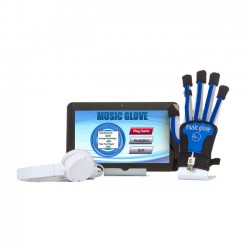
MusicGlove uses a sensorized glove that responds to grip strength and finger movements by triggering musical notes. Your patient essentially “plays” songs by squeezing and releasing at the right moments. This dual engagement—physical therapy plus musical reward—keeps attention sharp and motivation high.
Music-based therapy improves motivation and engagement in rehabilitation sessions while relieving stress for both caregivers and patients. Familiar songs create emotional connections that make therapy feel personal rather than clinical.
When your patient hears themselves successfully “playing” a song through their own hand movements, rehabilitation stops feeling like exercise and starts feeling like accomplishment.
Why Hand Therapy Compliance Improves With Music
Studies show that sensorized hand rehabilitation devices create significantly higher compliance rates compared to traditional therapy. Patients perform more repetitions and return for sessions more consistently when the activity feels rewarding.
Key advantages include:
- Immediate feedback through music rewards correct movement patterns
- Emotional connection through familiar songs keeps engagement high
- Progressive difficulty songs adapt as hand strength improves
- Measurable progress your patient literally plays more songs as recovery progresses
- Stress relief music reduces anxiety during rehabilitation
Making Hand Recovery Feel Like Entertainment
Choose songs your patient loves—whether that’s classic rock, country, jazz, or pop. Personal preference matters because emotional engagement drives persistence. When your patient selects the playlist, therapy becomes their choice rather than something imposed.
Start with 2-3 songs per session, about 10-15 minutes total. Short, consistent sessions beat occasional marathon efforts. Your patient will naturally want longer sessions as they improve and unlock new songs.
Pro tip: Let your patient choose the songs they want to play and celebrate when they successfully complete a full song—this autonomy and recognition transforms hand therapy from obligation into something your patient actively wants to do.
4. Celebrate Small Milestones Regularly
Stroke recovery unfolds through hundreds of small victories, not just dramatic breakthroughs. When you acknowledge these incremental wins, you transform the entire emotional landscape of rehabilitation from discouraging to empowering.
Your patient might walk an extra 10 feet, hold a grip for 3 seconds longer, or successfully play their first complete song on MusicGlove. These moments deserve recognition because they represent real effort and genuine progress.
Why Small Wins Matter More Than You Think
Celebrating milestones directly sustains motivation throughout recovery. When your patient receives acknowledgment for effort, they build momentum that carries them through harder sessions ahead. Recognizing small victories reinforces positive behaviors and strengthens self-esteem, persistence, and the belief that recovery is happening.
Without celebration, progress becomes invisible. Your patient works hard but feels like nothing changes. Recognition makes progress tangible and real.
The difference between a patient who gives up and one who perseveres often comes down to whether they feel their effort is being noticed and valued.
Types of Milestones Worth Celebrating
Look beyond just physical achievements. Rehabilitation success involves multiple dimensions:
- Physical gains like increased range of motion, grip strength, or walking distance
- Emotional progress such as reduced anxiety or renewed confidence
- Behavioral wins like completing therapy sessions consistently or trying new exercises
- Social engagement such as visiting friends or rejoining activities
- Functional improvements like resuming hobbies or daily tasks
Celebrate across all these areas. Your patient will see that recovery encompasses the whole person, not just muscles and movements.
How to Make Celebration Part of Your Routine
Document progress in a visible way. Use a chart, calendar, or journal that your patient can see daily. When they watch progress accumulate, motivation compounds. Share wins with family members who can send encouragement.
Celebration doesn’t require expense. A favorite meal, time doing something enjoyable, verbal praise, or a special outing all create meaningful recognition. The key is consistency and genuine enthusiasm.
Pro tip: Create a “wins jar” where you write down each milestone—no matter how small—and read them aloud together weekly; this physical record of progress becomes powerful motivation when your patient inevitably doubts they’re improving.


5. Establish a Consistent Daily Routine
Consistency is the invisible engine that drives rehabilitation success. When therapy happens at the same time each day, your patient’s body and mind expect it, making sessions feel natural rather than forced. Routine transforms therapy from something you have to remember into something that simply happens.
Stroke recovery requires sustained effort over months. Without structure, motivation fades and sessions get skipped. A consistent routine keeps both you and your patient accountable while reducing the mental load of deciding when to do therapy.
How Routines Build Momentum in Rehabilitation
Establishing regular habits creates accountability and structure that keeps rehabilitation manageable over extended periods. Consistent routines help caregivers and patients stay motivated by making therapy feel predictable and achievable rather than overwhelming.
When your patient knows therapy happens at 9 AM every morning, they wake up prepared. No negotiation, no resistance, no decision fatigue. The routine does the motivational heavy lifting for you.
A consistent routine is like putting rehabilitation on autopilot—the system runs smoothly even when motivation dips.
Building Your Rehabilitation Schedule
Start by choosing a specific time each day when your patient has the most energy and the fewest distractions. Morning often works better than evening because fatigue hasn’t set in yet.
Key elements of an effective routine include:
- Consistent time every day creates habit and expectation
- Realistic duration start with 20-30 minutes and adjust based on tolerance
- Minimal transitions keep equipment nearby to reduce setup friction
- Same location uses environmental cues to trigger therapy mindset
- Scheduled breaks prevent burnout and allow recovery
Protecting Your Routine From Disruption
Treat therapy time like a doctor’s appointment—non-negotiable. Let family know this is protected time. Block your calendar and minimize competing demands during therapy windows.
On difficult days when motivation is low, just start. Often your patient will continue once they begin. The routine removes the question of whether to do therapy today.
Balancing Routine With Caregiver Well-Being
Structured schedules aren’t just for your patient. Regular habits and routines contribute to caregiver well-being by reducing burnout and ensuring therapy adherence stays balanced with your own needs.
Build in recovery time for yourself. Your patient’s consistency depends partly on your capacity to sustain support.
Pro tip: Set a daily alarm on your phone 10 minutes before therapy time and use that reminder to gather equipment and mentally prepare; this small buffer transforms the routine from abrupt to anticipated.
6. Foster Positive Communication and Support
Stroke recovery happens in the space between two people. The words you use, the tone you set, and the emotional environment you create directly influence whether your patient feels supported or discouraged during rehabilitation. Positive communication isn’t just nice—it’s essential to sustained motivation.
Your patient is grieving losses while fighting for recovery. They need to hear that effort matters, that progress is real, and that you believe in their ability to improve. This emotional foundation fuels the physical work of therapy.
Why Communication Shapes Rehabilitation Outcomes
Positive communication and support improve caregiver confidence and emotional well-being, which directly affects the quality of care your patient receives. When you manage your own stress through healthy communication, your patient benefits from a calmer, more present caregiver.
Your emotional state is contagious. If therapy sessions feel tense or critical, your patient tightens up and performs worse. If they feel safe and encouraged, they take risks and push harder.
The most powerful rehabilitation tool isn’t exercise equipment—it’s a caregiver who communicates belief in recovery and unconditional support.
Creating an Environment of Encouragement
Focus on what your patient is doing right rather than what they cannot yet do. Instead of “You’re not gripping hard enough,” try “I noticed your grip held for 3 seconds today—that’s progress from yesterday.”
Practical communication strategies include:
- Specific praise targets actual achievements rather than generic encouragement
- Emotional validation acknowledges frustration without dismissing effort
- Patient pacing respects your loved one’s limits while pushing gently forward
- Active listening shows your patient you truly understand their experience
- Shared goal-setting involves your patient in rehabilitation decisions
Managing Your Own Stress as a Caregiver
You cannot pour from an empty cup. Seek support from family, friends, support groups, or counselors. Your emotional well-being directly affects your ability to communicate positively with your patient.
Talk about rehabilitation challenges without blame. Express frustration about the stroke, not about your patient’s effort. This distinction matters deeply.
Building Family Support Systems
Involve extended family and friends in celebrating progress. When your patient hears encouragement from multiple people, motivation strengthens. Let others help so you don’t carry the burden alone.
Pro tip: Before each therapy session, take 30 seconds to pause and set an intention for positive communication—remind yourself why you’re doing this and what you appreciate about your patient; this mental reset prevents frustration from seeping into your words.
Below is a comprehensive table summarizing the key strategies and tools discussed throughout the article for effective stroke rehabilitation.
| Strategy/Tool | Implementation Steps | Expected Benefits |
|---|---|---|
| Set Clear Goals | Establish SMART objectives like improving grip strength by specific percentages within set timeframes. | Provides structure to therapy and encourages measurable progress. |
| Use Technology (FitMi) | Incorporate sensor-based exercise platforms that adapt difficulty and provide real-time feedback. | Enhances engagement, tracks progress, and sustains motivation. |
| Integrate Music (MusicGlove) | Select preferred songs and use musical therapy tools that reward correct movement. | Combines emotional connection with physical recovery for higher compliance. |
| Celebrate Milestones | Acknowledge physical, emotional, and functional achievements regularly. | Reinforces positive behaviors and motivates continued effort. |
| Adopt Consistent Routine | Schedule daily therapy sessions with protected and specific times. | Builds habit and reduces decision fatigue for sustained rehabilitation. |
| Foster Positive Communication | Provide specific praise and emotional validation while establishing shared goals. | Creates a supportive environment optimizing both effort and outcomes. |
Empower Your Caregiving Journey With Innovative Rehabilitation Tools
Caregivers face the ongoing challenge of keeping motivation high while supporting loved ones through stroke and neurological recovery. The article highlights key pain points such as setting clear goals, maintaining consistent routines, and boosting engagement through technology like FitMi and MusicGlove. These concepts of personalized, measurable progress and enjoyable therapy align perfectly with the solutions offered at Tisale Rehab.

Transform rehabilitation from a daunting task into an achievable journey using clinically proven therapy kits designed to make progress visible and therapy enjoyable. Visit https://tisalerehab.com now to explore how interactive products like FitMi and MusicGlove can help your loved one stay motivated and engaged. Take the first step today and make every therapy session count with tools tailored for real, measurable improvement.
Frequently Asked Questions
How can I set clear goals for rehabilitation motivation?
Establish clear goals by using the SMART criteria: specific, measurable, attainable, relevant, and time-bound. Start by writing down 2-3 short-term goals for the next 4-8 weeks, such as increasing walking distance from 50 feet to 150 feet.
What role does consistency play in rehabilitation motivation?
Consistency is crucial as it builds a structured routine that patients can rely on. Set a specific time each day for therapy, ensuring it’s the same time daily to create a habit, ideally for 20-30 minutes per session.
How do I incorporate technology to enhance motivation?
Use interactive technology, like gamified exercise systems, to make therapy sessions engaging. Schedule 3-4 sessions per week of 15-20 minutes using such technology to maintain high levels of motivation and focus on specific rehabilitation activities.
Why is celebrating small milestones important in rehabilitation?
Celebrating small milestones keeps motivation high by acknowledging incremental progress. Keep a visible record of achievements, and make it a practice to celebrate wins weekly to reinforce the efforts and boost confidence.
How can I foster positive communication during therapy?
Foster positive communication by focusing on specific achievements rather than shortcomings. Use constructive praise to highlight a patient’s progress, such as noting increased grip strength, creating an uplifting environment.
What can I do to manage my stress as a caregiver during rehabilitation?
To manage stress effectively, seek support from friends, family, or support groups while maintaining open communication about challenges. Incorporate regular self-care activities into your routine to recharge and maintain a healthy emotional state.
Recommended
38
Get inspired by a stroke recovery story

Home rehabilitation at full speed.
My husband suffered a severe stroke on August 19, 2020, which paralyzed him on the right side. Thanks to FitMi he has made huge progress since then. He still has no strength in his right arm, but now he can walk with a cane, his speech has improved significantly, and he is fighting and rehabilitating at full speed. We are very happy that we bought this FitMi kit for him, so he can continue his training and exercises at home. We are encouraged by this program and the positive reviews we read from others who used it. Thank God we found this kit and thank you for your support. It is a wonderful program.
Kate (08.09.2020)