How robotics accelerates stroke recovery: patient guide
- Robotic-assisted therapy enhances motor recovery through high-repetition, precise movements promoting neuroplasticity.
- It is most effective when combined with conventional therapy, especially in early recovery phases and for severe impairments.
- Practical barriers like cost and access limit widespread use, but hybrid approaches and at-home devices are expanding options.
Many patients assume that the best physical therapy is purely hands-on, driven by a skilled therapist guiding each movement. That assumption is changing fast. Robots are now quietly transforming how motor function is restored after stroke and neurological injury, delivering a level of repetition and precision that even the most dedicated therapist cannot match over a full session. Robotic-assisted therapy enables high-intensity, task-specific training that directly supports brain rewiring. This guide walks you through what robotic therapy is, what the evidence actually shows, who benefits most, and what practical steps you can take right now.
Table of Contents
- What is robotic-assisted rehabilitation?
- What does the research say about effectiveness?
- Who benefits most from robotic therapy?
- Limitations, safety, and future directions
- Our perspective: What actually works in robotic rehab
- Next steps: Explore robotic rehab solutions
- Frequently asked questions
Key Takeaways
| Point | Details |
|---|---|
| Robotics enable intensive training | Robotic devices provide high-repetition, targeted practice that boosts motor recovery after stroke. |
| Strongest benefit in early and severe cases | Patients in the first months after stroke or with severe limitations get the most from robotic therapy. |
| Gains may be modest and need support | Improvements are usually small to moderate and should be combined with traditional therapies for best results. |
| Real recovery is individualized | Choosing the right device, protocol, and therapy mix is key for meaningful progress. |
What is robotic-assisted rehabilitation?
Robotic-assisted rehabilitation, often called RAT (robotic-assisted therapy), uses mechanical devices to guide, support, or resist a patient’s limb movements during therapy. The concept dates back to the early 1990s, but the technology has advanced dramatically in the last decade. Today’s devices range from simple single-joint machines to sophisticated full-body exoskeletons.
There are two main device categories you will encounter:
| Feature | End-effector devices | Exoskeleton devices |
|---|---|---|
| How it works | Moves the hand or foot via a fixed contact point | Wraps around the limb and moves each joint |
| Typical use | Upper limb, wrist, hand, gait training | Full arm, leg, or full-body movement |
| Portability | Often stationary | Wearable, some portable |
| Cost | Generally lower | Generally higher |
| Best for | Focused task training | Multi-joint, complex movement patterns |
Robots work in three main modes. Assistance mode moves the limb when the patient cannot. Resistance mode adds challenge as strength returns. Active mode responds to the patient’s own effort, providing feedback in real time. This feedback loop is what makes RAT so powerful for top neurological rehab techniques.
The core mechanism behind RAT’s effectiveness is neuroplasticity, which is the brain’s ability to form new connections after injury. Repetition is the key driver. A robot can guide a patient through hundreds of precise, consistent movements in a single session, far more than a therapist can manually assist. Each repetition sends a signal to the brain, reinforcing new motor pathways. This is why robotics in post-stroke recovery has become a serious clinical focus rather than a novelty.
Here are the most common robotic devices and the movements they target:
- MIT-Manus / InMotion ARM: Shoulder and elbow movements, upper limb
- Amadeo: Individual finger flexion and extension, hand
- Lokomat: Treadmill-based gait training, lower limb
- EXARM / ArmeoSpring: Gravity-supported full arm reaching tasks
- ReWalk / Ekso: Upright walking, lower limb and gait
- Hand of Hope: Grip and release, hand and wrist
RAT fits into the broader continuum of stroke care, typically introduced in the subacute phase when the patient is medically stable. It works alongside rehabilitation exercises for recovery rather than replacing them.
What does the research say about effectiveness?
The evidence on robotic therapy is substantial, but it requires honest interpretation. Multiple meta-analyses and randomized controlled trials now give us a clear picture of what patients can realistically expect.
For upper limb function, small-moderate improvements in Fugl-Meyer scores (a standard measure of motor recovery), grip strength, and spasticity reduction are well documented. For lower limb function, end-effector robots improve gait, balance, and movement smoothness after stroke.

| Function | Improvement observed | Effect size |
|---|---|---|
| Upper limb motor function | Fugl-Meyer score gains | Small to moderate |
| Grip strength | Measurable increase | Moderate |
| Spasticity (MAS) | Reduction in tone | Small |
| Activities of daily living | Limited improvement | Small |
| Gait speed and balance | Consistent gains | Moderate |
| Walking distance | Improved endurance | Moderate |
Here is the honest part that many guides skip:
“Gains from robotic therapy are often not sustained at follow-up or clinically meaningful overall.”
This does not mean robotic therapy fails. It means it works best as part of a broader strategy. Updated RCT evidence consistently shows that combining RAT with conventional therapy produces better outcomes than either approach alone.
Here are the main outcomes patients and caregivers should know:
- Motor scores improve more with RAT than with no therapy or low-intensity standard care.
- Grip strength gains are more consistent in upper limb protocols.
- Gait improvements are reliable with lower limb end-effector devices.
- ADL (activities of daily living) gains are modest and sometimes do not transfer to real-world tasks.
- Spasticity reductions are real but often small in magnitude.
- Long-term retention of gains requires continued practice and rehab technology for faster recovery.
The most important takeaway from the research is that robotic therapy is not a standalone cure. It is a powerful tool that amplifies the effects of physical therapy best practices. Patients who combine RAT with hands-on therapy and home practice consistently show improved rehabilitation outcomes compared to those who use only one approach.
 Who benefits most from robotic therapy?
Not every patient gets the same result from robotic therapy. The research is clear that timing, severity, and device choice all play a major role in how much someone improves.
Patients in the subacute or acute phase (roughly the first three to six months after stroke) show the strongest gains, with a standardized mean difference of 0.75 in motor outcomes. Patients in the chronic phase (beyond six months) still benefit, but the effect size drops to around 0.23. This does not mean chronic patients should give up. It means expectations need to be calibrated and protocols need to be more intensive.
Severity matters too. Patients with severe motor impairment respond best to robotic therapy. When there is little voluntary movement, the robot can initiate and guide motion, giving the brain the repetitive input it needs. Patients with mild to moderate impairment often see smaller changes because they are already closer to functional thresholds.
Device choice also shapes outcomes. Multi-joint and bilateral devices consistently outperform single-joint devices in producing functional gains. Bilateral training, where both arms work simultaneously, appears to activate more of the brain’s motor network. High dosage (more sessions per week, more repetitions per session) and patient-tailored protocols based on phase and severity produce the best results.
Pro Tip: If you are advocating for a loved one, ask the rehab team specifically about the device type, session frequency, and whether the protocol is matched to the patient’s current phase and impairment level. A generic protocol delivers generic results.
Here are the top tips for caregivers to get the most from robotic therapy:
- Track which recovery phase the patient is in (acute, subacute, or chronic) and ask how the protocol reflects that
- Push for high-dosage protocols with documented repetition counts per session
- Combine robotic sessions with innovative stroke therapies and conventional hands-on therapy
- Monitor whether gains are transferring to real daily tasks like dressing, eating, or walking
- Request regular reassessment so the protocol adapts as the patient improves
Limitations, safety, and future directions
Robotic therapy has a strong safety record. Research shows it carries no increased adverse events compared to standard care, with an odds ratio of just 1.18 for minor incidents. Skin irritation, fatigue, and mild discomfort are the most common issues reported, not serious harm.
The real barriers are practical, not medical.
Cost is the biggest obstacle. Hospital-grade robotic systems can cost tens of thousands of dollars, and insurance coverage varies widely. Access is uneven, concentrated in large rehabilitation centers and academic hospitals. Patients in rural areas or lower-income settings often cannot access these devices at all. Skilled supervision is also required, which adds to the resource burden.
Other limitations include:
- Short-term gains that fade without continued practice
- Limited transfer to real-world ADL tasks
- High variability between devices makes it hard to compare studies
- Most trials are short, leaving long-term outcomes unclear
Here is what patients and caregivers should ask before starting robotic therapy:
- What specific device will be used, and what movements does it target?
- How many sessions are planned, and at what frequency?
- How will progress be measured, and what counts as success?
- Is this being used as a supplement to conventional therapy or as a replacement?
- What happens after the robotic program ends?
Pro Tip: Use robotic therapy as a supplement to high-repetition, hands-on practice, not a replacement. The best outcomes come from pairing robot-guided sessions with active home exercise and therapist-led work.

Our perspective: What actually works in robotic rehab
Most articles on robotic rehabilitation focus on the technology itself. What gets overlooked is the human layer underneath it.
The patients who benefit most are not simply the ones who have access to the best machines. They are the ones whose protocols are carefully matched to their phase, severity, and goals. A cutting-edge exoskeleton used at the wrong stage, at the wrong intensity, or without complementary therapy will underperform a simpler device used precisely and consistently.
Hybrid approaches drive real-world gains. Pairing robotic sessions with transcranial direct current stimulation (tDCS), functional electrical stimulation (FES), or manual therapy consistently outperforms robotics alone in the literature. The machine amplifies what the nervous system is already trying to do. It does not replace that effort.
The hype around robotic technology can lead patients and families to expect a dramatic transformation. That sets people up for disappointment. Real recovery is personal, not just programmable. Empowerment, protocol adherence, and honest goal-setting matter as much as the device itself. For lasting stroke recovery strategies, the technology is only one piece of a much larger picture.
Next steps: Explore robotic rehab solutions
If you are ready to build a stronger rehab toolkit, the right assistive devices can make a meaningful difference in daily practice. Robotic and technology-assisted tools work best when they are accessible, easy to use consistently, and designed for the specific challenges of stroke and neurological recovery.

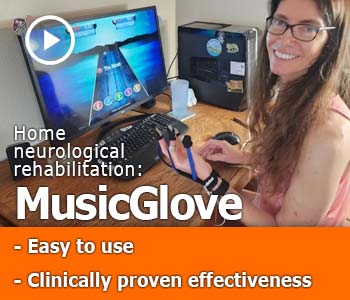
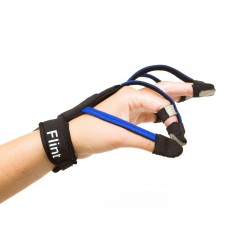
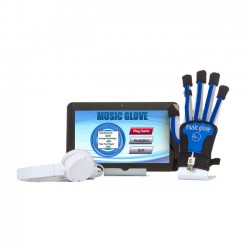
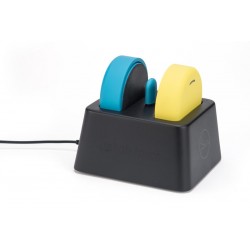
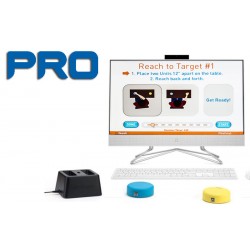
At Tisele Rehab, the home rehabilitation kits are designed specifically for stroke and neurological patients, combining clinical evidence with practical usability. The MusicGlove rehab glove is one of the most researched hand therapy devices available for home use, targeting the grip and finger movements that matter most for daily independence. Before investing in any device, consult with your rehab specialist to confirm it fits your current recovery phase and goals.
Frequently asked questions
Is robotic rehab safe for stroke and neurological patients?
Yes, research shows robotic therapy is as safe as standard care, with no increased risk of serious adverse events and an odds ratio of just 1.18 for minor incidents.
How do robotic devices improve recovery after stroke?
They deliver high-repetition, task-specific training that stimulates neuroplasticity, helping the brain form new motor pathways, especially in the critical early months after a stroke.
Who should consider robotic therapy for rehab?
Patients with severe motor impairment or those in the subacute phase benefit most, particularly when robotic therapy is combined with conventional hands-on rehabilitation.
Will I regain everyday skills faster with robotic devices?
Robotic rehab can boost motor scores and strength, but ADL gains are modest and not always sustained long term without continued practice and complementary therapy.
Are these technologies available for home use?
Yes, several devices are designed for home therapy, but specialist guidance is recommended to select the right option for your recovery stage and ensure you use it safely and effectively.
Recommended
- Top neurological rehab techniques 2026 for faster stroke recovery
- Rehab Technology: 18% Faster Stroke Recovery 2026
- Stroke rehab workflow guide 2026: 40% faster motor recovery
- How to Engage Patients in Rehab for Better Stroke Recovery
- Essential physiotherapy tips for beginners: Start recovery right
- Step by step physiotherapy guide for full recovery 2026
38
Get inspired by a stroke recovery story

Home rehabilitation at full speed.
My husband suffered a severe stroke on August 19, 2020, which paralyzed him on the right side. Thanks to FitMi he has made huge progress since then. He still has no strength in his right arm, but now he can walk with a cane, his speech has improved significantly, and he is fighting and rehabilitating at full speed. We are very happy that we bought this FitMi kit for him, so he can continue his training and exercises at home. We are encouraged by this program and the positive reviews we read from others who used it. Thank God we found this kit and thank you for your support. It is a wonderful program.
Kate (08.09.2020)