Why rehabilitation is lifelong: strategies for lasting recovery
Stroke and neurological recovery doesn’t stop when formal therapy sessions end. Millions of survivors leave clinical care believing their window for improvement has closed, yet the science tells a very different story. The brain retains a remarkable ability to reorganize and adapt throughout a person’s life, meaning progress is possible months, years, and even decades after a neurological event. This article explains why lifelong rehabilitation is not just a nice idea but a medical necessity, and it walks you through the evidence, the daily strategies, and the tools that make ongoing recovery both realistic and achievable.
Table of Contents
- Why rehabilitation doesn’t end: The lifelong journey explained
- The science behind lifelong progress: How the brain and body adapt
- What lifelong rehabilitation means day-to-day: Approaches for patients and caregivers
- Personalization, challenges, and who benefits most from lifelong rehab
- Our perspective: What most guides miss about lifelong rehabilitation
- Tools and support for your lifelong recovery journey
- Frequently asked questions
Key Takeaways
| Point | Details |
|---|---|
| Recovery is lifelong | Permanent changes require ongoing effort and adaptation after stroke or neurological challenges. |
| Neuroplasticity powers progress | With the right intensity and methods, the brain can continue adapting and improving for years. |
| Personalization matters | Rehabilitation must be tailored to individual needs, severity, and resources for best outcomes. |
| Caregiver and support are key | Engaged caregivers and structured support networks reduce burden and drive long-term adherence. |
| Home tools enhance rehab | Technology and specialized kits make consistent lifelong rehabilitation accessible and effective. |
Why rehabilitation doesn’t end: The lifelong journey explained
Most people picture rehabilitation as a short sprint: attend sessions, hit a plateau, go home. That model is outdated and, frankly, harmful. Many stroke survivors face permanent disabilities requiring long-term management of comorbidities and prevention of recurrence, affecting physical, cognitive, and emotional health all at once. Recovery is not a destination. It is an ongoing process of adaptation.
The reasons for this are layered. First, many neurological aftereffects fluctuate over time. Spasticity, fatigue, and cognitive fog can worsen during illness, stress, or inactivity. Staying ahead of those changes demands consistent effort, not occasional bursts of therapy. Second, comorbidities like diabetes, hypertension, and depression compound neurological damage when left unmanaged, and physical deconditioning accelerates quickly in people with limited mobility.
Mental and emotional health are equally central to the picture. Anxiety, grief, and social isolation are common after stroke, and they directly undermine physical recovery. Addressing them is not a bonus, it is a core part of the rehabilitation plan. Understanding how rehab improves mobility for stroke survivors helps frame why stopping early carries real risk.
Here is what lifelong rehab actually protects against:
- Loss of hard-won motor and cognitive gains
- Secondary complications like falls, pressure injuries, and contractures
- Deepening depression and social withdrawal
- Preventable stroke recurrence through lifestyle management
- Caregiver burnout from unstructured, reactive care
“Rehabilitation is not a one-time fix. It is a lifelong adaptation to a nervous system that continues to change long after the acute phase ends.”
The good news is that home rehabilitation benefits are well-documented, and you do not need a clinical setting to maintain meaningful progress. The shift from thinking about rehab as a course of treatment to thinking about it as a lifestyle is the single most important mindset change survivors and caregivers can make.
 The science behind lifelong progress: How the brain and body adapt
Neuroplasticity is the brain’s ability to form new connections and reorganize existing ones. It does not switch off after the first year of recovery. It operates throughout life, which is why targeted, repetitive practice continues to produce measurable gains even in the chronic phase of stroke recovery.
That said, the pace of change does shift. After six months, improvements slow and most survivors reach a relative steady state, but high-dose rehabilitation in chronic stroke still yields meaningful gains. For example, intensive upper limb programs have shown an average improvement of six points on the Fugl-Meyer Assessment for the upper extremity (FMA-UE) within just three weeks. That is a clinically significant change in a population many clinicians once considered stable.
The key variable is intensity. General exercise, like walking for fitness, offers far less benefit than task-specific, high-repetition training. The brain needs to practice the exact movement it is trying to relearn. Lifting a cup, buttoning a shirt, typing: these are the drills that drive rewiring. You can read more about the role of neuroplasticity in stroke recovery to understand why specificity matters so much.
Here is how recovery intensity compares across different approaches:
| Approach | Repetitions per session | Documented benefit in chronic stroke |
|---|---|---|
| Standard outpatient therapy | 30 to 50 | Modest maintenance |
| High-intensity task-specific training | 300 to 500 | Significant motor gains |
| Home-based tech-assisted rehab | 200 to 400 | Comparable to clinical, research confirms |
| General exercise only | Variable | Minimal neuromotor change |
The table makes one thing clear: volume and specificity drive outcomes. Sporadic, low-intensity activity maintains the status quo at best.

Pro Tip: Home-based technology, including sensor-guided kits and telerehab platforms, can help you hit the repetition targets that matter without requiring daily clinic visits. Consistency at home often outperforms occasional high-effort clinic sessions.
What lifelong rehabilitation means day-to-day: Approaches for patients and caregivers
Knowing the science is one thing. Putting it into practice every single day is another. The good news is that repetitive task-specific practice, home-based programs, and telerehabilitation are all proven strategies that translate well into daily routines without requiring a clinical team on standby.
A realistic daily rehab routine might include:
- Morning mobility drills targeting the affected limb for 15 to 20 minutes
- Task practice like cooking, sorting objects, or writing to build functional skills
- Music-driven hand therapy using devices that gamify repetitive finger movements
- A midday telerehab check-in with a therapist for form correction and motivation
- Evening stretching and relaxation to manage spasticity and improve sleep
Caregivers play a role that is often underestimated. Caregiver involvement is essential, and structured support reduces burden, but active participation also increases caregiver stress over time. This is not a contradiction. It means caregivers need their own support systems, not just training in how to help the patient. Peer groups, respite care, and psychoeducation all reduce the risk of burnout that eventually derails the patient’s progress too.

Understanding the role of home rehab helps caregivers frame their contribution not as a burden but as a structured, purposeful role. And knowing how to keep the patient engaged, which you can explore through resources on engaging patients in rehab, turns daily practice from a chore into a shared goal.
Pro Tip: Small, consistent efforts beat sporadic intensity every time. Thirty minutes of focused daily practice produces better long-term outcomes than a two-hour session once a week. Build the habit first, then build the intensity.
Personalization, challenges, and who benefits most from lifelong rehab
Not every survivor follows the same path, and that is exactly why personalization matters. Severe baseline impairment benefits most from high-dose, lifelong rehabilitation, and chronic stroke patients have shown meaningful gains years after their initial event. But low socioeconomic status and multiple comorbidities reduce those benefits, making continuity of care even more critical for vulnerable populations.
Here is a quick comparison of factors that shape outcomes:
| Factor | Impact on rehab outcomes |
|---|---|
| Severe motor deficit at baseline | Higher potential gain with intensive rehab |
| Strong social support | Better adherence and emotional resilience |
| Multiple comorbidities | Slower progress, higher dropout risk |
| Access to home technology | Improved engagement and session frequency |
| Low socioeconomic status | Reduced access, higher barrier to sustained care |
Technologies like home rehab kits and telemedicine are genuine equalizers. They extend access to people who cannot travel to clinics regularly and allow personalized rehab predictions using machine learning to tailor intensity and goals to individual progress curves.
The most common barriers to sustained rehab are:
- Cost and insurance gaps that limit session frequency
- Transportation challenges, especially in rural areas
- Emotional burnout and learned helplessness after repeated setbacks
- Lack of clear progress tracking that makes effort feel invisible
Addressing learned helplessness is particularly important. When patients feel their effort produces no result, they stop trying. Regular progress checks, even small ones, rebuild the connection between effort and outcome. Working with a therapist to build a customized therapy plan and staying current with clinical rehab guidelines helps structure that feedback loop.
Pro Tip: Use a simple weekly log to track one or two specific movements. Seeing improvement over four to six weeks, even small improvements, is one of the most powerful motivators available.
 Our perspective: What most guides miss about lifelong rehabilitation
Most rehabilitation guides focus on the first six months. They celebrate early milestones and quietly stop talking about what comes next. That silence leaves survivors and caregivers unprepared for the long middle of recovery, which is where most of the real work happens.
The uncomfortable truth is that rehabilitation must balance hope with realism. Neuroplasticity offers genuine lifelong potential, but it requires intensity, repetition, and emotional resilience that no one can sustain alone. Caregivers are the unsung backbone of long-term recovery, yet most clinical guidelines treat them as support staff rather than partners who need their own care.
We also think the field underestimates how much small, daily investments compound over time. A patient who does 20 minutes of focused hand therapy every day for a year accumulates over 120 hours of practice. That volume, spread consistently, produces neuroplasticity’s real impact in ways that occasional intensive programs simply cannot replicate. Innovative home tools and telerehab platforms are not replacements for clinical care. They are the infrastructure that makes daily practice sustainable, accessible, and measurable for people who cannot be in a clinic every day.
Tools and support for your lifelong recovery journey
Making daily rehabilitation sustainable requires the right tools, not willpower alone. Tisele Rehab kits are designed specifically to bring clinical-grade repetition and task-specific training into your home, without requiring a therapist in the room every session.
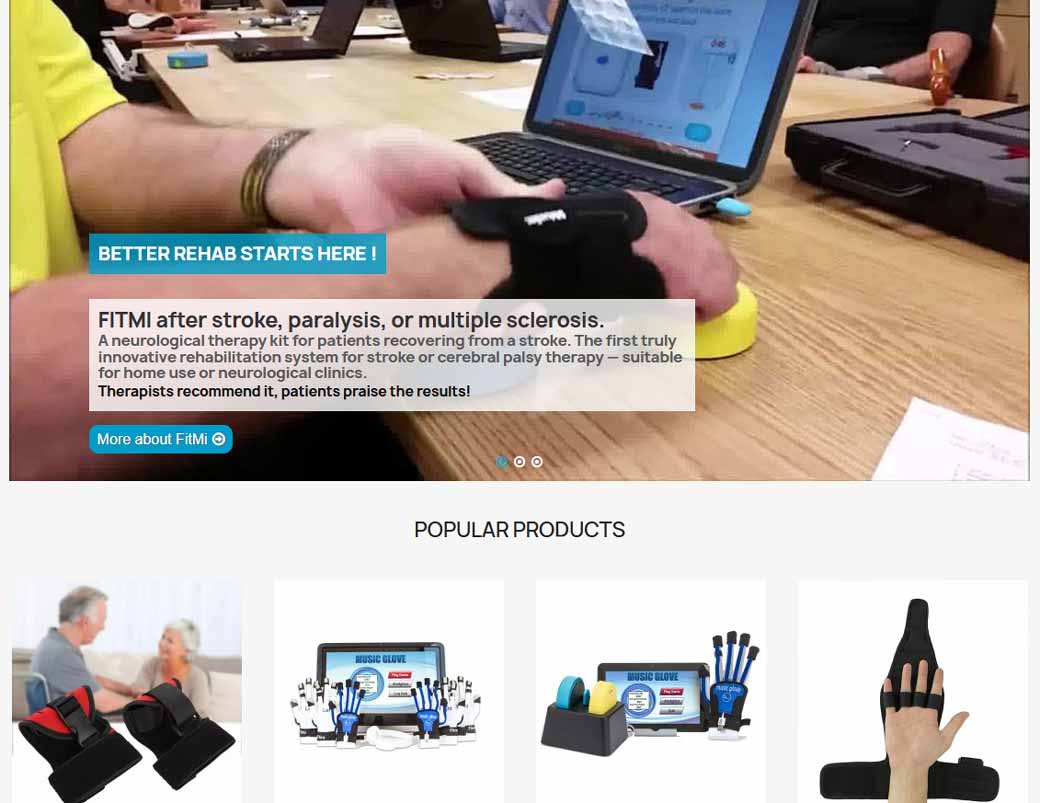
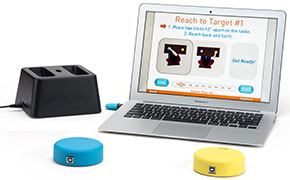
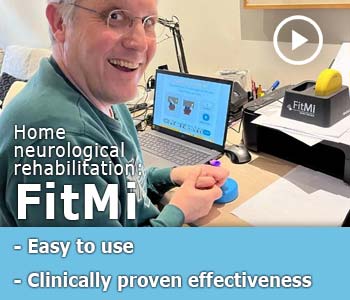
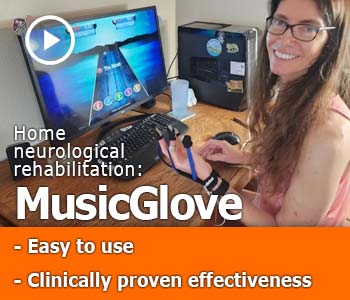
The FitMi neurorehab kit guides full-body movement therapy through interactive exercises that adapt to your level. The MusicGlove system uses music-based finger exercises to rebuild hand function in ways that feel engaging, not like a chore. Both tools are designed for home and clinical use, so you can keep your recovery moving between appointments.
Frequently asked questions
Is it normal for stroke recovery to slow down after a few months?
Yes, most improvement slows after six months, but ongoing therapy can still produce further progress, particularly with high-intensity, task-specific programs that maintain neuroplastic activity.
Do all stroke patients benefit equally from lifelong rehabilitation?
Not equally. Severe baseline impairment tends to show the greatest gains with intensive rehab, while outcomes vary based on social support, comorbidities, and consistent application of therapy over time.
How can caregivers stay motivated and avoid burnout during lifelong rehab support?
Structured routines, regular breaks, and peer or professional support groups help caregivers manage the demands. Structured support reduces burden and protects both the caregiver’s wellbeing and the patient’s long-term progress.
Are home-based and telerehabilitation programs effective for lifelong recovery?
Yes. Home-based programs and telerehabilitation maintain intensity and engagement between clinic visits, making them especially valuable when in-person therapy is limited by cost, distance, or scheduling.
Recommended
- How rehab improves mobility: 67% stroke survivors succeed
- 7 Essential Rehab Tips for Clinicians to Boost Outcomes
- Role of Home Rehabilitation – Transforming Stroke Recovery
- Rehab for Chronic Conditions: Tech Solutions That Work
- Step by step physiotherapy guide for full recovery 2026
- Understanding the role of Pilates in rehabilitation
38
Get inspired by a stroke recovery story

Home rehabilitation at full speed.
My husband suffered a severe stroke on August 19, 2020, which paralyzed him on the right side. Thanks to FitMi he has made huge progress since then. He still has no strength in his right arm, but now he can walk with a cane, his speech has improved significantly, and he is fighting and rehabilitating at full speed. We are very happy that we bought this FitMi kit for him, so he can continue his training and exercises at home. We are encouraged by this program and the positive reviews we read from others who used it. Thank God we found this kit and thank you for your support. It is a wonderful program.
Kate (08.09.2020)