Step-by-step stroke recovery guide: Proven techniques
Navigating stroke recovery without a clear roadmap can feel paralyzing. You’re managing medical appointments, therapy sessions, emotional swings, and a body that no longer responds the way it used to. The good news is that stroke recovery follows distinct phases, and each phase responds to specific, evidence-backed approaches. This guide walks you through every stage, from the first hours in the hospital to long-term maintenance, combining proven clinical therapies with today’s most promising rehabilitation technology. Whether you’re a survivor or a caregiver, you’ll leave with a practical framework you can actually use.
Table of Contents
- Understanding the phases of stroke recovery
- Essential therapies and exercises: Core building blocks
- Advanced methods: Constraint-Induced, resistance, and task-focused therapy
- Innovative tools and technology: Robotics, BCI, VR, and exergaming
- Verifying progress and troubleshooting setbacks
- What most guides miss about step-by-step stroke recovery
- Next steps: Tools and support for your stroke recovery journey
- Frequently asked questions
Key Takeaways
| Point | Details |
|---|---|
| Phased recovery | Stroke rehabilitation occurs in acute, subacute, and chronic stages, each requiring tailored approaches. |
| Early intensive therapy | Intensive physical, occupational, and speech therapy in the first six months maximizes functional improvement. |
| Innovative tools | Robot-assisted therapy, BCI, and VR/exergaming offer new gains, especially when progress stalls. |
| Benchmarking progress | Tracking improvement and troubleshooting setbacks are essential for maintaining momentum in recovery. |
| Caregiver support | Active, motivating support from caregivers helps survivors stay engaged and achieve steady progress. |
Understanding the phases of stroke recovery
Now that we’ve framed the challenge, let’s break down the recovery journey phase by phase. Knowing where you are in recovery helps you set realistic expectations and choose the right interventions at the right time.
Acute, subacute, and chronic phases each require different therapeutic strategies. Here’s a quick overview:
| Phase | Timeframe | Primary focus |
|---|---|---|
| Acute | First 24 to 72 hours | Medical stabilization, early mobilization |
| Subacute | 1 week to 6 months | Intensive inpatient and outpatient therapy |
| Chronic | Beyond 6 months | Maintenance, technology-assisted gains |
The acute phase begins in the hospital. Therapists typically start gentle movement within 24 hours of stabilization. The goal here isn’t dramatic recovery. It’s preventing complications like blood clots, muscle tightening, and pneumonia.
The subacute phase is where the most dramatic progress happens. Most survivors see their greatest functional improvements during the first three months. Therapy intensity ramps up significantly, often including multiple sessions per day across physical, occupational, and speech disciplines.

The chronic phase starts around the six-month mark. Progress slows, but it does not stop. This is where advanced methods and technology become especially valuable. Survivors with severe or hemorrhagic strokes may face unique challenges and often need tailored, high-dose programs.
Key things to keep in mind across all phases:
- Early mobilization reduces secondary complications
- Therapy frequency matters more than duration in the subacute phase
- Chronic survivors still benefit from structured, goal-directed practice
- Caregiver involvement consistently improves outcomes
Pro Tip: Track small wins weekly, not just monthly. In the subacute phase, even tiny gains in grip strength or balance signal that neuroplasticity is working. Explore more about stroke recovery stages to understand what to expect at each milestone.
Essential therapies and exercises: Core building blocks
With phases clarified, let’s detail the therapies and exercises that drive progress. These are the foundation of any solid recovery plan.
Physical, occupational, and speech therapy paired with aerobic and strength training improve motor function, mood, and daily living skills. In hospital settings, physical therapy can happen up to six times per day during the subacute phase.

| Therapy type | Primary goal | Example activity |
|---|---|---|
| Physical therapy | Mobility and balance | Sit-to-stand practice, gait training |
| Occupational therapy | Daily living skills (ADLs) | Dressing, cooking, writing |
| Speech therapy | Communication and swallowing | Word retrieval, aphasia exercises |
| Aerobic training | Cardiovascular fitness | Recumbent cycling, walking |
| Strength training | Muscle recovery | Resistance bands, weight-bearing |
Here’s a practical sequence for building your therapy routine safely:
- Start with range-of-motion exercises before any strength work
- Add balance and coordination drills once basic mobility is stable
- Introduce aerobic activity at low intensity, three to five days per week
- Layer in occupational therapy tasks that mirror your actual daily routine
- Add speech therapy sessions daily if communication is affected
Following physical therapy best practices matters enormously here. Skipping steps or pushing too hard too soon can cause setbacks. A good recovery plan guide will always sequence intensity based on your current functional level.
Pro Tip: Occupational therapy is often underused. If you’re struggling with buttons, cooking, or using a phone, ask specifically for ADL-focused sessions. These skills rebuild independence faster than general exercise alone. For a deeper look at evidence-based approaches, check out neurological rehab techniques that combine movement science with practical application.
 Advanced methods: Constraint-Induced, resistance, and task-focused therapy
After mastering core therapies, consider advanced, targeted approaches for additional gains. These methods are backed by strong research and can push recovery further than standard care alone.
Constraint-Induced Movement Therapy (CIMT) works by restricting the stronger arm with a mitt or sling, forcing the weaker arm to do the work. The typical protocol runs two to three weeks with several hours of daily practice. It sounds uncomfortable, and it is. But the results are real.
CIMT and resistance training outperform standard care for upper limb motor recovery. The evidence is especially strong for survivors with at least some residual wrist and finger movement.
“The biggest mistake survivors make with CIMT is stopping too early. The first week feels impossible. The third week is where the breakthroughs happen.”
Here’s a comparison of advanced methods:
| Method | Best for | Limitation |
|---|---|---|
| CIMT | Upper limb, moderate impairment | Requires some residual movement |
| Resistance training | Gait and leg strength | Needs supervision early on |
| Task-oriented training | Functional daily tasks | Evidence varies by task type |
For robot vs task-oriented therapy, the research shows that combining both yields better outcomes than either alone. Task-oriented training works best when the tasks are personally meaningful, like picking up a cup or turning a doorknob.
Key safety notes:
- CIMT is not appropriate for severe impairment with no residual movement
- Resistance training should begin with low loads and progress slowly
- Always monitor for spasticity increases when adding intensity
For more on building strength and coordination safely, explore mobility training steps and stroke recovery strategies that integrate these advanced methods.

Innovative tools and technology: Robotics, BCI, VR, and exergaming
To break through plateaus, many survivors and therapists turn to cutting-edge technology and evidence-backed tools. These aren’t science fiction anymore. They’re available today.
Robot-assisted therapy, BCI, and VR drive functional gains for both gait and upper limb recovery, including in chronic cases where standard therapy has stalled.
| Technology | Primary benefit | Best candidate |
|---|---|---|
| Robotic therapy | Improved gait speed and distance | Moderate to severe gait impairment |
| BCI (e.g., IpsiHand) | Upper extremity motor gains | Chronic, severe upper limb impairment |
| VR and exergaming | Engagement and repetition | All levels, especially motivation issues |
Brain-computer interfaces like IpsiHand work by detecting brain signals and translating them into hand movements, essentially rewiring the connection between intention and action. Robot and BCI evidence consistently shows meaningful improvements in chronic survivors who had stopped progressing with conventional therapy.
Virtual reality and exergaming deserve special attention. They make repetitive practice feel like play. Higher engagement means more repetitions, and more repetitions mean stronger neural pathways. It’s that simple.
Practical tips for choosing the right tool:
- If gait is the main issue, start with robot-assisted walking systems
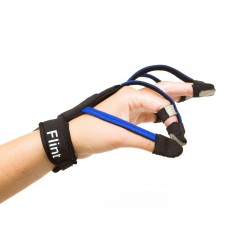
- If hand function is the priority, BCI or glove-based devices are strong options
- If motivation is the barrier, VR games are often the best entry point
- Always pair technology with active exercise for maximum benefit
Pro Tip: Technology works best as a supplement, not a replacement. Use it to add repetitions and engagement on top of your existing therapy routine. Explore rehabilitation technology and technology in neuro recovery for a deeper look at what’s available today.
Verifying progress and troubleshooting setbacks
Finally, let’s focus on measuring how far you’ve come and solving common barriers. Progress in stroke recovery isn’t always linear, and knowing how to read the signals matters.
Greatest gains occur in the first three months, with minimal improvement from standard care in the chronic phase. That’s not a reason for despair. It’s a reason to be strategic.
Here’s a practical progress-tracking sequence:
- Set specific, measurable goals with your therapist every four weeks
- Use standardized tools like the Fugl-Meyer Assessment for motor function
- Track daily living tasks independently, not just in therapy sessions
- Monitor mood and motivation alongside physical markers
- Reassess your therapy plan if two consecutive months show no change
Common setbacks and how to handle them:
- Spasticity: Address early with stretching, splinting, and medication if needed. Left untreated, it leads to contractures that are much harder to reverse.
- Motivational dips: Rotate therapy activities, involve caregivers, and use technology to add novelty.
- Participation barriers: Fatigue is real. Schedule therapy during your highest-energy window of the day.
- Plateau in chronic phase: Consider high-dose intensive programs or technology-assisted approaches.
“A plateau is not a ceiling. It’s a signal that the current approach needs to change.”
For survivors with severe impairment, young age, or fewer health complications, high-dose programs often produce gains that standard care misses. Check stroke rehabilitation trends for emerging approaches, and review self-care tips to support overall well-being between sessions.
What most guides miss about step-by-step stroke recovery
Most step-by-step recovery guides treat the chronic phase as a footnote. They focus heavily on the first six months and then trail off with vague advice about “maintaining gains.” That’s a disservice to the millions of survivors who are still working hard years after their stroke.
The real insight is this: intensity and novelty matter more than time elapsed. Innovative methods like BCI and robot therapy help chronic survivors break through plateaus when paired with consistent exercise. The brain retains plasticity far longer than most people assume.
What actually moves the needle in the chronic phase is combining high repetition, meaningful tasks, and technology that keeps engagement high. Caregivers play a huge role here. Celebrating small wins, maintaining a consistent schedule, and introducing new tools when motivation drops can extend the recovery window significantly.
The uncomfortable truth is that most plateaus are not biological limits. They’re the result of under-dosed, routine-bound therapy. Explore lasting recovery strategies to see how survivors are continuing to make gains well into the chronic phase by staying proactive and adaptive.
Next steps: Tools and support for your stroke recovery journey
To put this step-by-step recovery plan into motion, explore resources and technologies that match your needs. Evidence-based tools make it possible to bring clinical-quality therapy into your home.

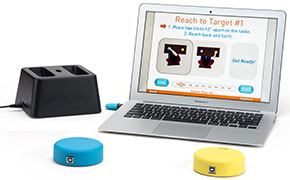
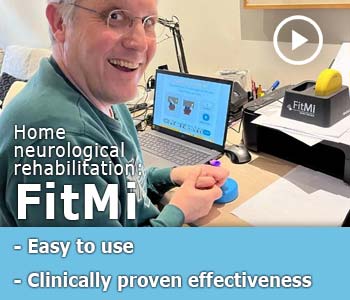
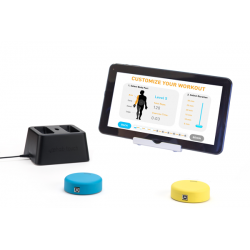
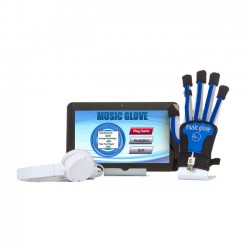
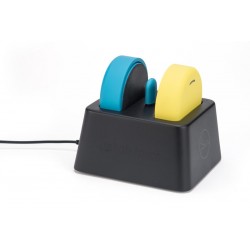
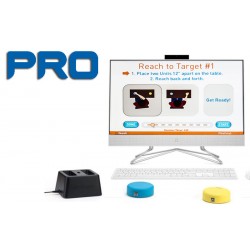
At Tisale Rehab, we offer rehabilitation kits designed specifically for stroke and neurological recovery. The FitMi neurorehab kit guides full-body movement therapy through interactive exercises that adapt to your level. The MusicGlove system uses music-based finger exercises to rebuild hand function in ways that feel engaging, not like a chore. Both tools are designed for home and clinical use, so you can keep your recovery moving between appointments.
Frequently asked questions
How soon should rehabilitation start after a stroke?
Rehabilitation should begin within 24 hours after medical stabilization. Early mobilization reduces complications and sets the foundation for stronger long-term recovery.
Which therapy is most important in the first six months?
Intensive physical therapy is the cornerstone of the subacute phase, but occupational and speech therapy are equally critical for restoring daily function. PT and OT up to six times daily yields the greatest functional gains in early recovery.
What are expected gains after six months post-stroke?
Most measurable progress occurs within the first three months. After six months, gains slow significantly and typically require high-intensity or technology-assisted rehab to continue advancing.
Can new technology help if progress has stalled?
Absolutely. Robotic, BCI, and VR tools produce measurable functional gains in chronic and severe cases where conventional therapy has plateaued.
How can caregivers support a survivor’s motivation?
Caregivers can set short-term goals, maintain a consistent therapy schedule, introduce engaging technology tools, and celebrate incremental milestones to keep motivation strong over the long haul.
Recommended
38
Get inspired by a stroke recovery story

Home rehabilitation at full speed.
My husband suffered a severe stroke on August 19, 2020, which paralyzed him on the right side. Thanks to FitMi he has made huge progress since then. He still has no strength in his right arm, but now he can walk with a cane, his speech has improved significantly, and he is fighting and rehabilitating at full speed. We are very happy that we bought this FitMi kit for him, so he can continue his training and exercises at home. We are encouraged by this program and the positive reviews we read from others who used it. Thank God we found this kit and thank you for your support. It is a wonderful program.
Kate (08.09.2020)