What is a stroke – Key life consequences
Every year in England, thousands of people struggle with the consequences of a stroke, and over 80% of stroke survivors experience permanent motor problems. Home rehabilitation is becoming crucial for a quick return to fitness and independence. The use of modern technology gives patients a real chance for effective rehabilitation and gradual improvement in daily functioning.
Table of Contents
- Stroke – definition and main myths
- Types of stroke and their differences
- Mechanism of occurrence and symptom recognition
- Effects of stroke on health and daily life
- The role of rehabilitation and the impact of technology on recovery
Key takeaways
| Point | Details |
|---|---|
| Stroke affects everyone | Stroke is not just a problem for the elderly; it can occur in people of all ages. |
| Types of stroke | We distinguish between ischemic stroke, hemorrhagic stroke, venous stroke, and subarachnoid hemorrhage, with different mechanisms of occurrence. |
| Quick reaction saves lives | Calling for help immediately when stroke symptoms appear increases the chances of survival and minimizes damage. |
| Rehabilitation is key | Effective rehabilitation after a stroke can significantly improve the patient's quality of life and enable a return to independence. |
Stroke – definition and main myths
A stroke is a sudden, serious health threat that can completely change a patient's life in an instant. Sudden disturbance of blood circulation in the brain leads to damage to brain tissue, causing a range of serious neurological consequences.
Contrary to popular belief, stroke is not a disease that occurs exclusively in the elderly. It can affect anyone, regardless of age. There are several main types of stroke:
- Ischemic stroke - caused by a blockage or clot blocking blood flow
- Hemorrhagic stroke - caused by the rupture of a blood vessel in the brain
- Subarachnoid hemorrhage - bleeding in the space between the brain and the skull
- Venous stroke - rarer, associated with cerebral venous thrombosis
The most important myths about stroke are false beliefs that can delay life-saving actions. Here are some of them:
-
Myth: Stroke always hurts
- Reality: It often does not cause acute pain, which can lead to downplaying symptoms
-
Myth: Stroke cannot be stopped
- Reality: Quick reaction and immediate medical help significantly increase the chances of survival and minimize damage
-
Myth: Young people do not get strokes
- Reality: Strokes are increasingly occurring in people under the age of 40
Prevention tip: Regular medical check-ups, a healthy diet, physical activity, and avoiding stress are key elements of stroke prevention.
Types of stroke and their differences
Stroke is a complex neurological disorder characterized by diverse types of brain damage. Medicine distinguishes four basic categories of stroke, which differ in their mechanism of occurrence and health consequences.
The most common type is ischemic stroke, accounting for about 87% of all cases. This type of stroke occurs when an artery is blocked by a clot or embolus, preventing proper blood flow to specific areas of the brain. We distinguish two subtypes of ischemic stroke:
- Thrombotic stroke - caused by the formation of clots directly in the cerebral vessels
- Embolic stroke - caused by embolic material traveling from other parts of the circulatory system
The second significant type is hemorrhagic stroke, characterized by the rupture of a blood vessel and bleeding into the brain tissue. Despite a lower frequency of occurrence, hemorrhagic stroke can have much more serious health consequences. It includes:
- Intracerebral hemorrhage - direct bleeding into the brain tissue
- Subarachnoid hemorrhage - bleeding in the space between the brain and the skull
The two remaining, rarer types of stroke are venous stroke and the specific subarachnoid hemorrhage, which require special diagnostic and therapeutic attention.
Prevention tip: Regular check-ups, monitoring blood pressure and cholesterol levels can significantly reduce the risk of stroke.
The following comparison highlights the differences between the main types of stroke:
| Type of stroke | Mechanism of occurrence | Most common risk group |
|---|---|---|
| Ischemic | Blockage of an artery by a clot | People with hypertension and diabetes |
| Hemorrhagic | Rupture of a blood vessel | Patients with untreated hypertension |
| Venous | Cerebral venous thrombosis | People with clotting disorders |
| Subarachnoid hemorrhage | Bleeding in the area of the brain | Patients with a brain aneurysm |
Mechanism of occurrence and symptom recognition
Stroke is a sudden and dangerous neurological condition that causes rapid disturbances in blood flow in the cerebral vessels. The key element is the immediate recognition of the mechanism of occurrence and the identification of alarming symptoms.
The mechanism of stroke formation involves two main pathological processes: ischemia or hemorrhage. Diagnosis is based on careful observation of sudden neurological changes, which may indicate a serious health threat.
The most important symptoms requiring immediate attention include:
- Sudden one-sided muscle weakness
- Speech and articulation disorders
- Loss of balance and coordination
- Visual disturbances
- Severe, unusual headache
In the diagnostic process, doctors use advanced imaging methods, such as:
- Computed tomography (CT)
- Magnetic resonance imaging (MRI)
- Cerebral angiography
- Doppler ultrasound
Prevention tip: Calling an ambulance immediately upon observing the first alarming symptoms can significantly increase the chances of effective treatment and minimize permanent brain damage.


Effects of stroke on health and daily life
Stroke is one of the most complex neurological diseases, which can completely change a patient's functioning in daily life. The health consequences are multidimensional and affect almost every aspect of human existence.
The most serious health effects include:
- Permanent one-sided paralysis (hemiparesis)
- Speech and communication disorders
- Problems with coordination and balance
- Cognitive impairments
- Possible emotional and psychological changes
Occupational therapy plays a key role in the process of returning to independence, helping patients regain basic life skills. Key areas of rehabilitation focus on:
- Regaining the ability to eat independently
- Learning to dress again
- Restoring basic hygiene activities
- Practicing manual dexterity
The daily life of a patient after a stroke requires complete re-evaluation and adaptation. It is often necessary to:
- Adapt the home to new needs
- Purchase specialized rehabilitation equipment
- Change the current mode of professional work
- Provide psychological support for the patient and family
Prevention tip: Regular rehabilitation, systematic exercises, and a positive attitude are the key to regaining the best possible fitness after a stroke.

The role of rehabilitation and the impact of technology on recovery
Neurological rehabilitation is a key element of the recovery process after a stroke, requiring a comprehensive approach from a team of specialists. Its main goal is to maximize the brain's natural regenerative abilities through targeted, systematic therapeutic interventions.
A modern rehabilitation approach includes a range of integrated activities:
- Physical exercises aimed at regaining fitness
- Occupational therapy
- Speech therapy support
- Neuropsychological rehabilitation
- Comprehensive psychological support
Virtual reality technologies are increasingly revolutionizing the rehabilitation process, offering patients innovative therapeutic tools. Simulated digital environments enable:
- Safe practice of motor skills
- Increased patient motivation
- Precise monitoring of progress
- Individualization of the rehabilitation process
Key technologies supporting rehabilitation include:
- Interactive training systems
- Biofeedback therapy devices
- Advanced rehabilitation applications
- Specialized software for cognitive exercises
Prevention tip: Consistency, patience, and openness to modern rehabilitation technologies are the key to effective recovery after a stroke.
What is a stroke?
A stroke is a serious condition that occurs when blood flow to the brain is suddenly disrupted. It can be caused by a blocked blood vessel or its rupture. As a result, part of the brain cells stop receiving oxygen and nutrients, leading to their damage. Stroke symptoms appear very quickly and can include, among others, sudden weakness on one side of the body, difficulty speaking, or vision problems. A stroke requires immediate medical attention – the sooner help is given, the greater the chance of recovery.
The table presents examples of technologies supporting stroke rehabilitation and their functions:
| Technology | Therapeutic function | Benefit for the patient |
|---|---|---|
| VR Systems | Simulation of movement environments | Improved motivation to exercise |
| Biofeedback | Monitoring muscle tension | Precise movement correction |
| Rehabilitation apps | Interactive cognitive tasks | Strengthening memory and attention |
| Speech therapy software | Speech and communication practice | Facilitating return to conversation |
Rebuild your life after a stroke with professional support
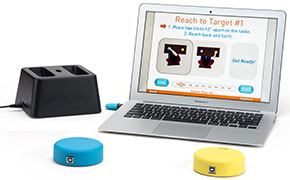
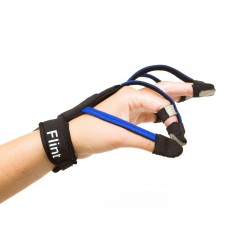
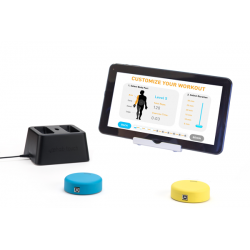
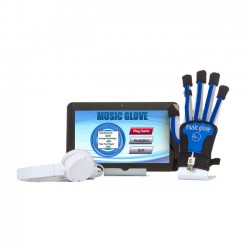
The effects of a stroke can drastically change daily functioning and fitness. If you are looking for effective ways to regain control over your body and independence, discover proven solutions available at UdarRehab / TiSale LTD. Our innovative devices, such as the FitMi system or the MusicGlove, are created to support motor skills and neurological rehabilitation in home and clinical settings.
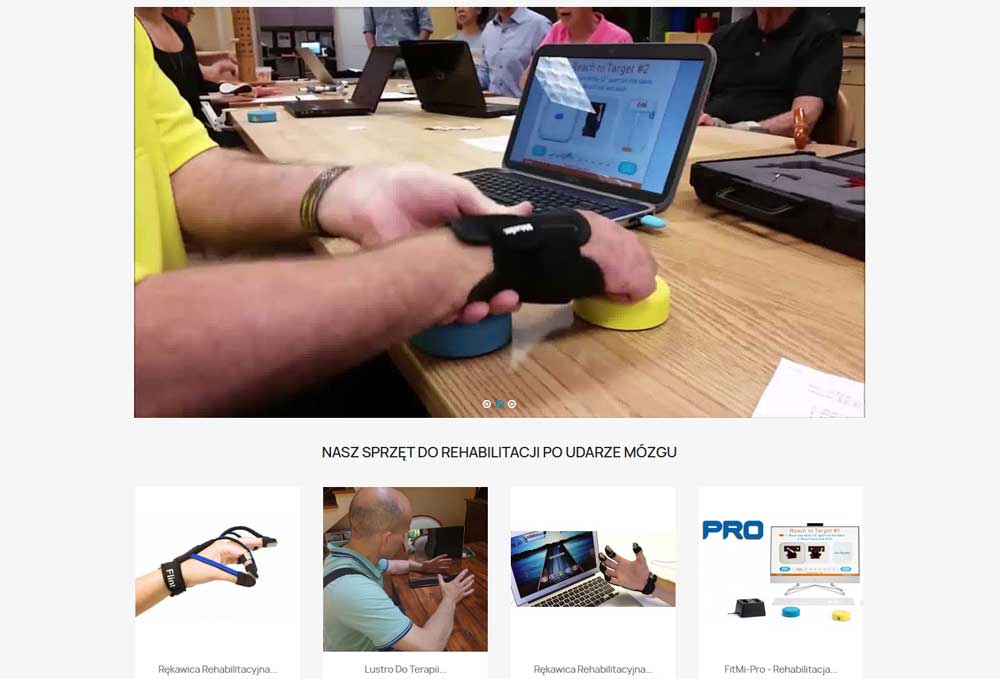
Do not wait for improvement in uncertainty. Invest in proven technologies and comprehensive support that will help you return to fitness faster. Start today with Rehabilitate with us and discover how effective neuromotor therapy can change your life. Find more information at udarrehab.pl.
Frequently Asked Questions
What is a stroke?
A stroke is a sudden disturbance of blood circulation in the brain that leads to brain tissue damage, causing serious health consequences.
What are the main types of stroke?
The most common types of stroke are ischemic stroke, hemorrhagic stroke, venous stroke, and subarachnoid hemorrhage.
What are the most important symptoms of a stroke?
The most important symptoms include sudden one-sided muscle weakness, speech disorders, loss of balance, visual disturbances, and severe headache.
What are the effects of a stroke on the patient in daily life?
Effects can include permanent paralysis, speech disorders, coordination and balance problems, and emotional changes, which can significantly affect the patient's independence.
Recommendation
38
Be inspired by a story of survival after a stroke


The FitMi kit is perfect for rehabilitation.
Like many other customers, I was skeptical about buying this device because of the price. I bought FitMi for my 21-year-old daughter who suffered a severe brain injury almost two years ago. Movement in her left arm and leg was nearly impossible — until I discovered this kit.
So far, we haven't yet done exercises for the leg, mainly focusing on the arm to restore initial movement in her hand. I also think the disks are a bit too large for her, but with the silicone covers, we manage. From what we can see, exercising with FitMi is something truly extraordinary.
Thank you so much for helping my daughter regain some mobility!
Renata and Mariola (12.04.2020)